Home Depot Launches Spring Starts Event to Boost Sales
Home Depot's stock has hit a 20-day low, reflecting broader market trends as the Nasdaq-100 and S&P 500 both decline over 1%.
The company has announced its Spring Starts event, running from March 19 to April 1, aimed at empowering both professionals and DIY enthusiasts with a diverse range of products. This event includes innovative online tools like the Magic Apron, which enhances customer experience by allowing them to create lawn care plans and visualize garden remodels. Despite the current market weakness, this initiative is expected to drive customer engagement and sales growth.
The Spring Starts event, along with upcoming promotions, positions Home Depot to capitalize on seasonal demand, potentially mitigating the impact of current market conditions on its stock performance.
Trade with 70% Backtested Accuracy
Analyst Views on HD

About HD
About the author


S&P 500 Rises on Strong Jobs Report

- Palantir Upgrade: Palantir Technologies (PLTR) was upgraded to Buy by Argus following a stellar Q1 report, with analysts noting that its core U.S. government business is reaccelerating and expansion into the commercial market will be a key growth driver in the coming years.
- GlobalFoundries Positive Outlook: GlobalFoundries (GFS) received a Positive upgrade from Susquehanna after reporting better-than-expected results, with the price target raised from $50 to $100, as analysts forecast a 35% CAGR for communication infrastructure revenue from 2025 to 2028.
- Devon Energy Strategic Options: Devon Energy (DVN) was upgraded to Strong Buy by Raymond James, with the price target increased to $72, as analysts believe the company has multiple strategic options to narrow its valuation gap with peers, including potential asset sales and business optimization.
- Fastly Performance Improvement: Fastly (FSLY) was upgraded by Raymond James after reporting first-quarter results, with analysts highlighting an inflection in operational performance and expected benefits from increased demand for network capabilities and related security products.

Scheels to Close Last Hardware Store by 2026, Shifting Focus to Sporting Goods
- Strategic Shift: Scheels Home & Hardware announced the closure of its last hardware store in Fargo by the end of 2026, redirecting focus to its core sporting goods business, demonstrating the company's adaptability to changing market demands.
- Historic Brand: Founded in 1902, Scheels has evolved significantly over its 120-year history, currently operating 34 sporting goods stores with approximately 13,000 employees, reflecting its sustained influence in the retail sector.
- Competitive Market Pressure: In Fargo, Scheels faces intense competition from Home Depot, which held a 28% market share in 2025, highlighting the increasing competition in the hardware retail industry that has prompted Scheels to adjust its business strategy.
- Employee Transition Plan: Following the hardware store closure, Scheels will provide opportunities for employees to transition to other sporting goods stores, demonstrating the company's commitment to employee welfare and responsibility.

EverQuote and Peabody Upgraded, AMD and Home Depot Downgraded

- EverQuote Upgrade: Analyst Gary Alexander upgraded EverQuote from Hold to Buy, highlighting the successful integration of AI tools like SmartCampaign, which has tripled revenue per employee since 2023, positioning the company for continued growth, although its stock is still considered cheap.
- Peabody Energy Outlook: Bang For The Buck upgraded Peabody Energy from Hold to Buy, viewing recent share price weakness as an attractive entry point, with improving coking coal prices and the ramp-up of the Centurion project expected to materially boost earnings from the Seaborne Metallurgical segment.
- AMD Downgrade: Kenio Fontes downgraded AMD to Hold, noting that despite a strong 57% year-over-year growth in Data Center revenue for Q1, the valuation has become stretched compared to Nvidia, diminishing the margin of safety for investors.
- Home Depot Under Pressure: APAC Research downgraded Home Depot to Sell, citing mounting macroeconomic pressures including inflation, high energy costs, and a cooling housing market that are expected to significantly slow remodeling and construction activity, raising concerns about future risks.

U.S. Corporate Profits Drive Stock Market Rally


- Strong Earnings Growth: S&P 500 companies are projected to see a 28.2% year-over-year increase in earnings for Q1, marking the highest growth since Q4 2021, which boosts investor confidence amid economic recovery.
- AI Investment Boost: Five major AI hyperscalers are expected to invest $751 billion in capital expenditures by 2026, significantly driving earnings growth in related sectors, particularly semiconductor and tech hardware firms, highlighting the profound impact of AI technology on the economy.
- Stable Economic Backdrop: Despite challenges from rising energy prices, the median earnings growth for S&P 500 companies stands at 12.2%, indicating stronger resilience among businesses in uncertain environments and enhancing market optimism for future earnings.
- Market Valuation Adjustment: The S&P 500's price-to-earnings ratio has decreased from 23.5 to 21.2, yet strong earnings growth continues to support stock market gains, as investors remain focused on the sustainability of earnings, particularly amid ongoing tensions in the Middle East.
U.S. Consumer Companies Face Competitive Pressures
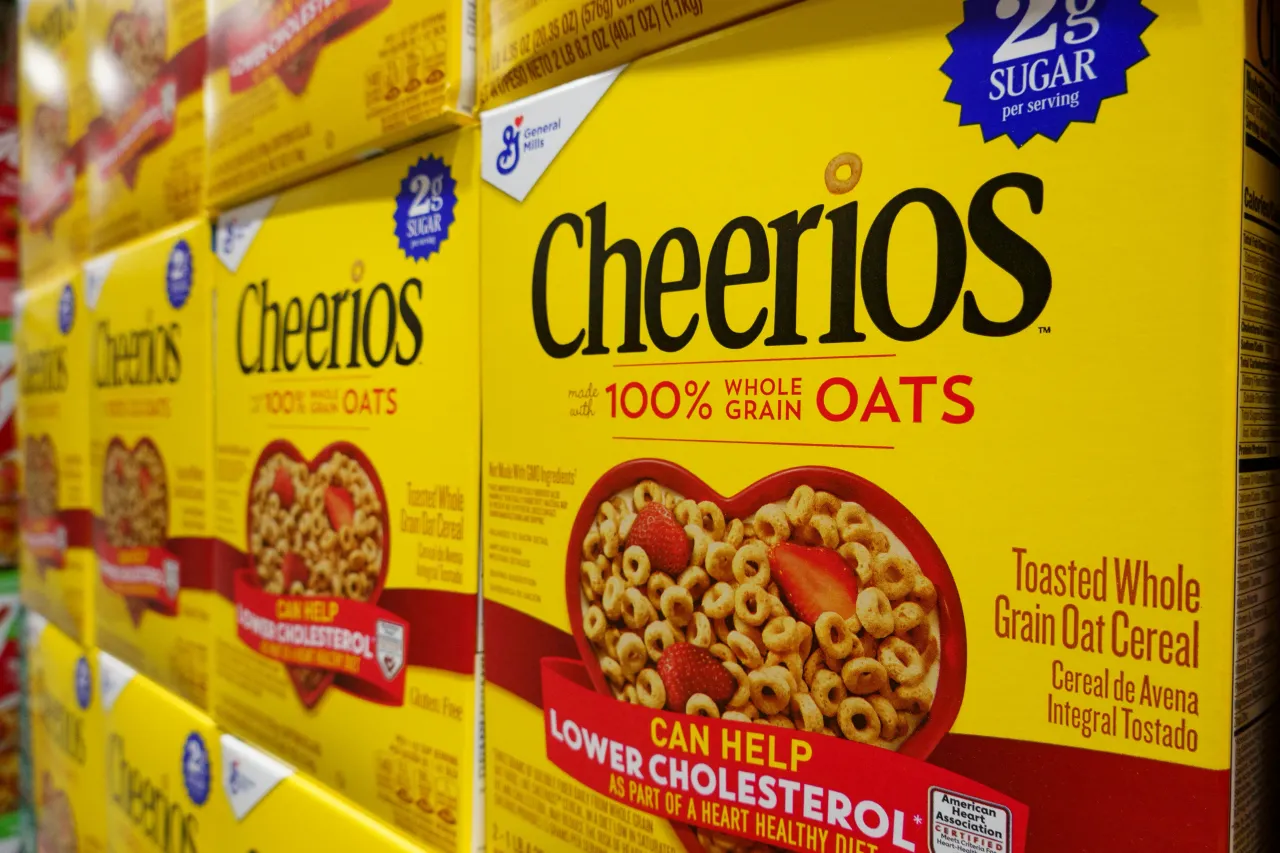
- Intensifying Competition: General Mills (GIS) faces pressure from lower-cost health-focused alternatives, and while its stock rose 0.35% on Tuesday, shifting consumer preferences may undermine its long-term stability.
- Sales Decline: Wendy's (WEN) reported an 8.3% year-on-year drop in global systemwide sales for Q4 and expects flat sales in 2026, with its stock hitting a 13-year low of $6.37, indicating heightened price sensitivity among consumers.
- Renovation Demand Weakens: Home Depot (HD) is challenged by a slowdown in large-scale home renovations, as high mortgage rates hinder spending, leading to a 3.8% year-on-year revenue decline despite better-than-expected profits and sales in the latest quarter.
- Market Volatility: All three companies hit fresh 52-week lows, reflecting deeper strains in the American middle-class economy, highlighting shifts in consumer behavior and widening economic divides.
The Home Depot to Hold Q1 Earnings Call on May 19
- Earnings Call Announcement: The Home Depot will hold its Q1 earnings call on May 19 at 9:00 AM ET, aimed at providing investors and analysts with insights into its latest financial performance and market trends.
- Webcast Access: Investors can access the conference call via the company’s website, ensuring transparency and enhancing communication with shareholders, with the webcast archived for later viewing after the call concludes.
- Company Scale and Impact: As of the end of fiscal 2025, The Home Depot operates 2,359 retail stores and over 1,250 SRS locations globally, employing more than 470,000 people, showcasing its leadership in the home improvement retail market.
- Market Position: As the world's largest home improvement retailer, The Home Depot's stock is listed on the NYSE and included in the Dow Jones Industrial Average and S&P 500, reflecting its significant influence in the capital markets.
S&P 500 Rises on Strong Jobs Report
- Palantir Upgrade: Palantir Technologies (PLTR) was upgraded to Buy by Argus following a stellar Q1 report, with analysts noting that its core U.S. government business is reaccelerating and expansion into the commercial market will be a key growth driver in the coming years.
- GlobalFoundries Positive Outlook: GlobalFoundries (GFS) received a Positive upgrade from Susquehanna after reporting better-than-expected results, with the price target raised from $50 to $100, as analysts forecast a 35% CAGR for communication infrastructure revenue from 2025 to 2028.
- Devon Energy Strategic Options: Devon Energy (DVN) was upgraded to Strong Buy by Raymond James, with the price target increased to $72, as analysts believe the company has multiple strategic options to narrow its valuation gap with peers, including potential asset sales and business optimization.
- Fastly Performance Improvement: Fastly (FSLY) was upgraded by Raymond James after reporting first-quarter results, with analysts highlighting an inflection in operational performance and expected benefits from increased demand for network capabilities and related security products.
Scheels to Close Last Hardware Store by 2026, Shifting Focus to Sporting Goods
- Strategic Shift: Scheels Home & Hardware announced the closure of its last hardware store in Fargo by the end of 2026, redirecting focus to its core sporting goods business, demonstrating the company's adaptability to changing market demands.
- Historic Brand: Founded in 1902, Scheels has evolved significantly over its 120-year history, currently operating 34 sporting goods stores with approximately 13,000 employees, reflecting its sustained influence in the retail sector.
- Competitive Market Pressure: In Fargo, Scheels faces intense competition from Home Depot, which held a 28% market share in 2025, highlighting the increasing competition in the hardware retail industry that has prompted Scheels to adjust its business strategy.
- Employee Transition Plan: Following the hardware store closure, Scheels will provide opportunities for employees to transition to other sporting goods stores, demonstrating the company's commitment to employee welfare and responsibility.
EverQuote and Peabody Upgraded, AMD and Home Depot Downgraded
- EverQuote Upgrade: Analyst Gary Alexander upgraded EverQuote from Hold to Buy, highlighting the successful integration of AI tools like SmartCampaign, which has tripled revenue per employee since 2023, positioning the company for continued growth, although its stock is still considered cheap.
- Peabody Energy Outlook: Bang For The Buck upgraded Peabody Energy from Hold to Buy, viewing recent share price weakness as an attractive entry point, with improving coking coal prices and the ramp-up of the Centurion project expected to materially boost earnings from the Seaborne Metallurgical segment.
- AMD Downgrade: Kenio Fontes downgraded AMD to Hold, noting that despite a strong 57% year-over-year growth in Data Center revenue for Q1, the valuation has become stretched compared to Nvidia, diminishing the margin of safety for investors.
- Home Depot Under Pressure: APAC Research downgraded Home Depot to Sell, citing mounting macroeconomic pressures including inflation, high energy costs, and a cooling housing market that are expected to significantly slow remodeling and construction activity, raising concerns about future risks.
U.S. Corporate Profits Drive Stock Market Rally
- Strong Earnings Growth: S&P 500 companies are projected to see a 28.2% year-over-year increase in earnings for Q1, marking the highest growth since Q4 2021, which boosts investor confidence amid economic recovery.
- AI Investment Boost: Five major AI hyperscalers are expected to invest $751 billion in capital expenditures by 2026, significantly driving earnings growth in related sectors, particularly semiconductor and tech hardware firms, highlighting the profound impact of AI technology on the economy.
- Stable Economic Backdrop: Despite challenges from rising energy prices, the median earnings growth for S&P 500 companies stands at 12.2%, indicating stronger resilience among businesses in uncertain environments and enhancing market optimism for future earnings.
- Market Valuation Adjustment: The S&P 500's price-to-earnings ratio has decreased from 23.5 to 21.2, yet strong earnings growth continues to support stock market gains, as investors remain focused on the sustainability of earnings, particularly amid ongoing tensions in the Middle East.
U.S. Consumer Companies Face Competitive Pressures
- Intensifying Competition: General Mills (GIS) faces pressure from lower-cost health-focused alternatives, and while its stock rose 0.35% on Tuesday, shifting consumer preferences may undermine its long-term stability.
- Sales Decline: Wendy's (WEN) reported an 8.3% year-on-year drop in global systemwide sales for Q4 and expects flat sales in 2026, with its stock hitting a 13-year low of $6.37, indicating heightened price sensitivity among consumers.
- Renovation Demand Weakens: Home Depot (HD) is challenged by a slowdown in large-scale home renovations, as high mortgage rates hinder spending, leading to a 3.8% year-on-year revenue decline despite better-than-expected profits and sales in the latest quarter.
- Market Volatility: All three companies hit fresh 52-week lows, reflecting deeper strains in the American middle-class economy, highlighting shifts in consumer behavior and widening economic divides.
The Home Depot to Hold Q1 Earnings Call on May 19
- Earnings Call Announcement: The Home Depot will hold its Q1 earnings call on May 19 at 9:00 AM ET, aimed at providing investors and analysts with insights into its latest financial performance and market trends.
- Webcast Access: Investors can access the conference call via the company’s website, ensuring transparency and enhancing communication with shareholders, with the webcast archived for later viewing after the call concludes.
- Company Scale and Impact: As of the end of fiscal 2025, The Home Depot operates 2,359 retail stores and over 1,250 SRS locations globally, employing more than 470,000 people, showcasing its leadership in the home improvement retail market.
- Market Position: As the world's largest home improvement retailer, The Home Depot's stock is listed on the NYSE and included in the Dow Jones Industrial Average and S&P 500, reflecting its significant influence in the capital markets.