Google's AI Design Tool Launch Raises Competition Concerns
Written by Emily J. Thompson, Senior Investment Analyst
Updated: Oct 11 2024
0mins
Source: Coinmarketcap
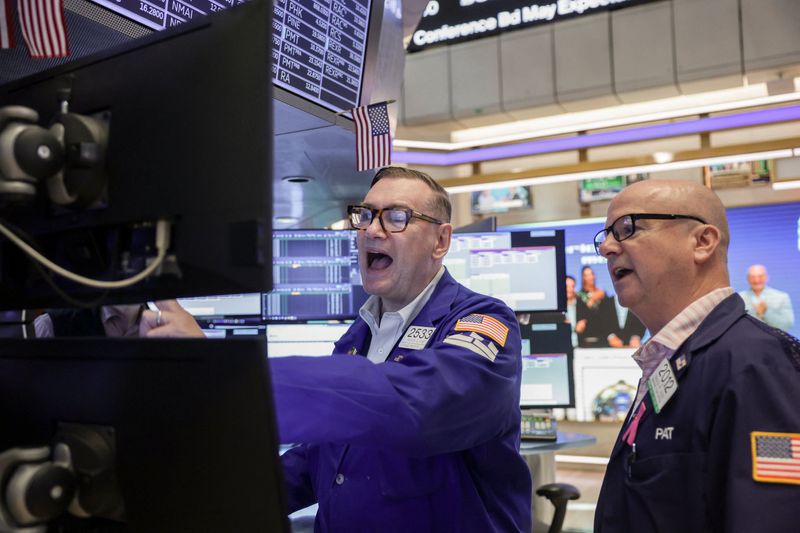
Alphabet Inc's stock fell as it hit a 20-day low, reflecting investor anxiety following the launch of its AI design platform, Stitch. The introduction of this tool, which allows users to create designs via prompts, has intensified competition in the design software market, particularly affecting Figma, whose shares plummeted 11% over two days. This decline in Figma's stock highlights the market's concerns about the potential impact of Google's AI technology on existing players in the industry.
Trade with 70% Backtested Accuracy
Stop guessing "Should I Buy GOOG?" and start using high-conviction signals backed by rigorous historical data.
Sign up today to access powerful investing tools and make smarter, data-driven decisions.
Analyst Views on GOOG
Wall Street analysts forecast GOOG stock price to fall
15 Analyst Rating
14 Buy
1 Hold
0 Sell
Strong Buy
Current: 386.120

Low
255.00
Averages
336.08
High
400.00
Current: 386.120
Low
255.00
Averages
336.08
High
400.00
About GOOG
Alphabet Inc. is a holding company. The Company's segments include Google Services, Google Cloud, and Other Bets. The Google Services segment includes products and services such as ads, Android, Chrome, devices, Google Maps, Google Play, Search, and YouTube. The Google Cloud segment includes infrastructure and platform services, collaboration tools, and other services for enterprise customers. Its Other Bets segment is engaged in the sale of healthcare-related services and Internet services. Its Google Cloud provides enterprise-ready cloud services, including Google Cloud Platform and Google Workspace. Google Cloud Platform provides access to solutions such as artificial intelligence (AI) offerings, including its AI infrastructure, Vertex AI platform, and Gemini for Google Cloud; cybersecurity, and data and analytics. Google Workspace includes cloud-based communication and collaboration tools for enterprises, such as Calendar, Gmail, Docs, Drive, and Meet.
About the author

Emily J. Thompson
Emily J. Thompson, a Chartered Financial Analyst (CFA) with 12 years in investment research, graduated with honors from the Wharton School. Specializing in industrial and technology stocks, she provides in-depth analysis for Intellectia’s earnings and market brief reports.

First AI-Generated Feature Film to Premiere at 2026 Tribeca Film Festival

- Film Premiere: The first entirely AI-generated feature film, 'Dreams of Violets,' will debut at the Tribeca Film Festival on June 10, 2026, marking a significant moment as AI-generated live-action films gain recognition in major film festivals, potentially reshaping industry perceptions of AI creativity.
- Production Cost and Time: Produced by Fountain O and directed by Ash Koosha, the film took approximately three months and cost around $2,000 to create, utilizing tools like Anthropic's Claude AI and Kling AI, showcasing the potential and cost-effectiveness of AI in filmmaking.
- Story Background: The narrative follows five Iranians meeting in a Tehran alley, focusing on their execution under a theocratic regime, particularly through the eyes of a 10-year-old boy with cerebral palsy, aiming to create a memorial for families who cannot speak out.
- Director's Motivation: Koosha emphasized that the film exists to witness the dead and to ensure that families inside Iran are not forgotten, asserting that this project is not merely a technological exercise but a memorial for an event that remains inaccessible to him.
See More

SpaceX IPO Expected in June with $2 Trillion Valuation

- IPO Valuation Expectations: SpaceX is set to go public in June with a target valuation between $1.75 trillion and $2 trillion, marking an unprecedented event in the stock market that could attract significant investor interest.
- Alphabet's Investment Returns: As of the end of 2025, Alphabet owns about 6% of SpaceX, which could be worth approximately $120 billion if SpaceX reaches a $2 trillion market cap, highlighting the substantial return potential from its $900 million investment in 2015.
- Innovative Liquidity Arrangement: Unlike the traditional 180-day lockup period, SpaceX has established a rolling share-release schedule that allows early investors to gradually sell shares within the first 180 days post-IPO, helping to prevent excess market liquidity and stabilize stock prices.
- Capital Expenditure Needs: Alphabet anticipates a significant increase in capital expenditures for 2027, planning to spend between $180 billion and $190 billion in 2023, which may necessitate raising funds through the sale of SpaceX shares to support its data center expansion and other initiatives.
See More

SpaceX IPO Set to Transform Market Dynamics
- Shareholder Sale Plan: Following the SpaceX IPO, current shareholders will be able to sell their stakes on a rolling schedule over the first 180 days, starting with 20% of their shares, which will provide liquidity and potentially impact market supply and demand dynamics.
- Massive Valuation Potential: With SpaceX aiming for a valuation between $1.75 trillion and $2 trillion, Alphabet's 6% stake could be worth around $120 billion, highlighting the immense potential and strategic significance of its investment.
- Increased Capital Expenditures: Alphabet anticipates a significant rise in capital expenditures for 2027, planning to spend between $180 billion and $190 billion, nearly exhausting its $174 billion cash flow, which will compel the company to seek new funding sources.
- Strategy of Selling SpaceX Shares: By selling its SpaceX shares, Alphabet can raise cash without cutting existing programs or issuing debt, a strategy that would be seen as a major win for shareholders and could enhance its market performance.
See More

Kentucky School District Secures $27 Million Settlement with Social Media Firms

- Settlement Overview: The Breathitt County School District in Kentucky has secured approximately $27 million in settlements from social media companies, with Meta paying $9 million, Snap and Alphabet each contributing $8 million, and ByteDance also paying $8 million, highlighting the accountability of social media in the student mental health crisis.
- Lawsuit Background: The district accused these companies of designing their platforms to keep young users engaged, leading to anxiety, depression, and self-harm among students, and sought over $60 million to address the impact of social media on mental health and to fund a 15-year mental health program.
- Pilot Case Significance: The Breathitt case is viewed as a bellwether for school district lawsuits, potentially influencing similar claims from 1,200 other districts, indicating the possible legal liability of social media in youth mental health issues.
- Future Litigation Outlook: With over 3,300 lawsuits involving addiction claims pending in California state court, Meta has warned investors that legal and regulatory backlash over youth social media issues could significantly impact its business and financial results.
See More

Amazon's Layoffs Signal Cloud Expansion Strategy


- Layoff Scale and Impact: Amazon laid off 16,000 employees in January 2023, primarily affecting AWS, retail operations, Prime Video, and HR, as part of its goal to cut 30,000 jobs, demonstrating its commitment to optimizing resource allocation.
- AWS Market Position: According to Canalys, AWS controls nearly one-third of the global cloud infrastructure market, and despite layoffs, it remains Amazon's core profit engine, supporting the expansion of its lower-margin retail business, indicating its strong competitive advantage.
- Future Investment Plans: Amazon plans to increase its capital expenditures from $131.8 billion in 2025 to $200 billion in 2026, signaling its intent to expand cloud and AI infrastructure, suggesting that the layoffs are aimed at more efficient resource utilization rather than downsizing.
- AI Market Strategy: AWS not only provides infrastructure for top AI companies but also develops its own AI tools and custom chips, and the layoffs reflect Amazon's confidence in its AI-driven automation capabilities, indicating potential advantages in future market competition.
See More

Amazon's Layoffs and AI Strategy Shift
- Layoff Scale: Amazon has cut approximately 30,000 positions since last October, with 16,000 layoffs occurring this January primarily in AWS and other divisions, aimed at enhancing operational efficiency and reducing costs.
- AWS Market Position: AWS controls nearly a third of the global cloud infrastructure market, with net sales growing at a 23% CAGR from 2020 to 2025, and operating margins increasing from 29.8% to 35.4%, underscoring its strategic importance as Amazon's core profit engine.
- AI Investment Plans: Despite the layoffs, Amazon plans to increase its capital expenditures from $131.8 billion in 2025 to $200 billion in 2026, indicating a commitment to expanding its cloud and AI infrastructure while enhancing operational efficiency through AI tools.
- Long-term Growth Confidence: The layoffs at Amazon are not a sign of weakness but rather a demonstration of confidence in its AI-driven automation capabilities, indicating the company's strategy to maintain a competitive edge in a rapidly evolving market.
See More
First AI-Generated Feature Film to Premiere at 2026 Tribeca Film Festival
- Film Premiere: The first entirely AI-generated feature film, 'Dreams of Violets,' will debut at the Tribeca Film Festival on June 10, 2026, marking a significant moment as AI-generated live-action films gain recognition in major film festivals, potentially reshaping industry perceptions of AI creativity.
- Production Cost and Time: Produced by Fountain O and directed by Ash Koosha, the film took approximately three months and cost around $2,000 to create, utilizing tools like Anthropic's Claude AI and Kling AI, showcasing the potential and cost-effectiveness of AI in filmmaking.
- Story Background: The narrative follows five Iranians meeting in a Tehran alley, focusing on their execution under a theocratic regime, particularly through the eyes of a 10-year-old boy with cerebral palsy, aiming to create a memorial for families who cannot speak out.
- Director's Motivation: Koosha emphasized that the film exists to witness the dead and to ensure that families inside Iran are not forgotten, asserting that this project is not merely a technological exercise but a memorial for an event that remains inaccessible to him.
See More
SpaceX IPO Expected in June with $2 Trillion Valuation
- IPO Valuation Expectations: SpaceX is set to go public in June with a target valuation between $1.75 trillion and $2 trillion, marking an unprecedented event in the stock market that could attract significant investor interest.
- Alphabet's Investment Returns: As of the end of 2025, Alphabet owns about 6% of SpaceX, which could be worth approximately $120 billion if SpaceX reaches a $2 trillion market cap, highlighting the substantial return potential from its $900 million investment in 2015.
- Innovative Liquidity Arrangement: Unlike the traditional 180-day lockup period, SpaceX has established a rolling share-release schedule that allows early investors to gradually sell shares within the first 180 days post-IPO, helping to prevent excess market liquidity and stabilize stock prices.
- Capital Expenditure Needs: Alphabet anticipates a significant increase in capital expenditures for 2027, planning to spend between $180 billion and $190 billion in 2023, which may necessitate raising funds through the sale of SpaceX shares to support its data center expansion and other initiatives.
See More
SpaceX IPO Set to Transform Market Dynamics
- Shareholder Sale Plan: Following the SpaceX IPO, current shareholders will be able to sell their stakes on a rolling schedule over the first 180 days, starting with 20% of their shares, which will provide liquidity and potentially impact market supply and demand dynamics.
- Massive Valuation Potential: With SpaceX aiming for a valuation between $1.75 trillion and $2 trillion, Alphabet's 6% stake could be worth around $120 billion, highlighting the immense potential and strategic significance of its investment.
- Increased Capital Expenditures: Alphabet anticipates a significant rise in capital expenditures for 2027, planning to spend between $180 billion and $190 billion, nearly exhausting its $174 billion cash flow, which will compel the company to seek new funding sources.
- Strategy of Selling SpaceX Shares: By selling its SpaceX shares, Alphabet can raise cash without cutting existing programs or issuing debt, a strategy that would be seen as a major win for shareholders and could enhance its market performance.
See More
Kentucky School District Secures $27 Million Settlement with Social Media Firms
- Settlement Overview: The Breathitt County School District in Kentucky has secured approximately $27 million in settlements from social media companies, with Meta paying $9 million, Snap and Alphabet each contributing $8 million, and ByteDance also paying $8 million, highlighting the accountability of social media in the student mental health crisis.
- Lawsuit Background: The district accused these companies of designing their platforms to keep young users engaged, leading to anxiety, depression, and self-harm among students, and sought over $60 million to address the impact of social media on mental health and to fund a 15-year mental health program.
- Pilot Case Significance: The Breathitt case is viewed as a bellwether for school district lawsuits, potentially influencing similar claims from 1,200 other districts, indicating the possible legal liability of social media in youth mental health issues.
- Future Litigation Outlook: With over 3,300 lawsuits involving addiction claims pending in California state court, Meta has warned investors that legal and regulatory backlash over youth social media issues could significantly impact its business and financial results.
See More
Amazon's Layoffs Signal Cloud Expansion Strategy
- Layoff Scale and Impact: Amazon laid off 16,000 employees in January 2023, primarily affecting AWS, retail operations, Prime Video, and HR, as part of its goal to cut 30,000 jobs, demonstrating its commitment to optimizing resource allocation.
- AWS Market Position: According to Canalys, AWS controls nearly one-third of the global cloud infrastructure market, and despite layoffs, it remains Amazon's core profit engine, supporting the expansion of its lower-margin retail business, indicating its strong competitive advantage.
- Future Investment Plans: Amazon plans to increase its capital expenditures from $131.8 billion in 2025 to $200 billion in 2026, signaling its intent to expand cloud and AI infrastructure, suggesting that the layoffs are aimed at more efficient resource utilization rather than downsizing.
- AI Market Strategy: AWS not only provides infrastructure for top AI companies but also develops its own AI tools and custom chips, and the layoffs reflect Amazon's confidence in its AI-driven automation capabilities, indicating potential advantages in future market competition.
See More
Amazon's Layoffs and AI Strategy Shift
- Layoff Scale: Amazon has cut approximately 30,000 positions since last October, with 16,000 layoffs occurring this January primarily in AWS and other divisions, aimed at enhancing operational efficiency and reducing costs.
- AWS Market Position: AWS controls nearly a third of the global cloud infrastructure market, with net sales growing at a 23% CAGR from 2020 to 2025, and operating margins increasing from 29.8% to 35.4%, underscoring its strategic importance as Amazon's core profit engine.
- AI Investment Plans: Despite the layoffs, Amazon plans to increase its capital expenditures from $131.8 billion in 2025 to $200 billion in 2026, indicating a commitment to expanding its cloud and AI infrastructure while enhancing operational efficiency through AI tools.
- Long-term Growth Confidence: The layoffs at Amazon are not a sign of weakness but rather a demonstration of confidence in its AI-driven automation capabilities, indicating the company's strategy to maintain a competitive edge in a rapidly evolving market.
See More