

Google Orders Over 3 Million TPUs from Intel
Written by Emily J. Thompson, Senior Investment Analyst
Updated: Jun 08 2026
0mins
Source: Newsfilter
Intel Corp's stock rose by 3.21% in pre-market trading, reaching a 20-day high.
The increase is attributed to Google placing a substantial order for over three million tensor processing units (TPUs) from Intel, which is expected to enhance Google's AI capabilities and strengthen its market position. This collaboration may also lead to deeper partnerships in chip design and production, leveraging Intel's advanced technologies.
This significant order not only boosts Intel's revenue prospects but also positions the company favorably against competitors like Nvidia, as Google aims to solidify its leadership in the AI and machine learning sectors.
Trade with 70% Backtested Accuracy
Stop guessing "Should I Buy INTC?" and start using high-conviction signals backed by rigorous historical data.
Sign up today to access powerful investing tools and make smarter, data-driven decisions.
Analyst Views on INTC
Wall Street analysts forecast INTC stock price to fall
29 Analyst Rating
5 Buy
19 Hold
5 Sell
Hold
Current: 121.100

Low
20.00
Averages
39.30
High
52.00
Current: 121.100
Low
20.00
Averages
39.30
High
52.00
About INTC
Intel Corporation is a global designer and manufacturer of semiconductor products. The Company's segments include Intel Products, Intel Foundry, and All Other. Its Intel Products comprise Client Computing Group (CCG) and Data Center and AI (DCAI). CCG delivers platforms and processors that power PCs and edge devices, enabling enhanced performance, connectivity and user experience for consumer and commercial markets with capabilities that also support retail, industrial robotics and AI ecosystems at the edge. DCAI delivers workload-optimized solutions based upon its x86 architecture for data centers, including CPUs, AI accelerators, NICs, IPUs and custom ASICs, enabling performance and scalability for cloud, enterprise, telecommunication and HPC environments. The Intel Foundry segment comprises technology development, manufacturing and foundry services, developing new semiconductor process technologies and advanced packaging technologies. All Other segments include Mobileye and Other.
About the author

Emily J. Thompson
Emily J. Thompson, a Chartered Financial Analyst (CFA) with 12 years in investment research, graduated with honors from the Wharton School. Specializing in industrial and technology stocks, she provides in-depth analysis for Intellectia’s earnings and market brief reports.
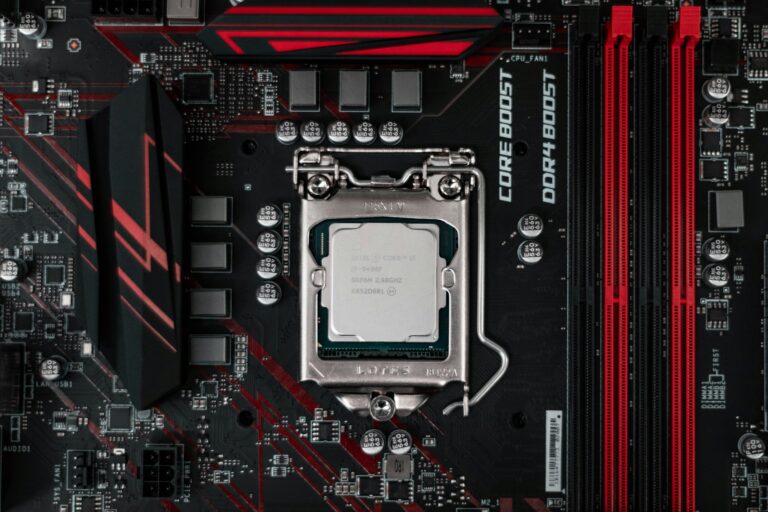
Intel's Optimistic AI Turnaround Prospects


- AI Infrastructure Demand: Cramer suggests that future AI systems may require four CPUs for every GPU, significantly increasing demand for Intel's core products, which could drive a recovery in the company's performance.
- Market Focus Shift: While the market primarily focuses on Nvidia's GPUs, Cramer points out that investors are overlooking the critical role of CPUs in the AI ecosystem, potentially giving Intel an unexpected competitive edge.
- Management Transformation: Since Lip-Bu Tan became CEO in March 2025, Intel's stock has surged, reflecting growing market confidence in the company's ability to regain competitiveness in chip design and manufacturing, indicating positive signs of its turnaround.
- Foundry Business Expansion: Intel is ramping up investments in its foundry business to meet the rising demand for non-offshore semiconductor manufacturing, particularly amid geopolitical tensions, which will strengthen its market position and drive long-term growth.
See More
Intel and AMD Intensify Competition Amid AI Demand

- Intel's Stock Surge: Intel's stock has surged approximately 520% over the past year, driven by its foundry turnaround and soaring demand for server processors, indicating a significant recovery potential in market competition.
- AMD's Data Center Revenue Growth: AMD's data center revenue jumped 57% year-over-year to $5.8 billion in the first quarter, fueled by strong performance from EPYC processors and Instinct AI chips, highlighting its strengthening market position in AI.
- Profitability Comparison: Despite Intel's rapid stock increase, its forward price-to-earnings ratio exceeds 120, while AMD's is around 73, indicating AMD's advantages in profitability and growth rate, potentially making it a more attractive investment choice.
- Market Outlook Analysis: As AI demand continues to grow, both Intel and AMD are vying for market share; while Intel shows strong turnaround momentum, AMD's higher profits and cash flow may position it more favorably in future competition.
See More
AMD vs Intel: Competitive Landscape Analysis
- Intel's Recovery Momentum: Under CEO Lip-Bu Tan, Intel has exceeded revenue expectations for six consecutive quarters, with Q1 revenue rising 7% year-over-year to $13.6 billion, and its data center and AI segment growing 22% to $5.1 billion, indicating a strengthening competitive position in the AI era.
- Foundry Business Challenges: Despite Intel's foundry business generating $5.4 billion in revenue this quarter, it still faced a $2.4 billion operating loss, with external customers contributing only $174 million, highlighting the need for improved customer acquisition to achieve profitability in a competitive market.
- AMD's Strong Growth Trajectory: AMD's data center segment achieved a record $5.8 billion in revenue in Q1, up 57% year-over-year, while total revenue increased 38% to $10.3 billion, with adjusted earnings per share rising 43% to $1.37, showcasing its robust performance in the AI accelerator market and solidifying its market position.
- Investment Value Comparison: Although Intel's stock has surged over 500% in the past year, its forward P/E ratio exceeds 120, while AMD's is around 73, suggesting that investors may prefer AMD for its faster growth and higher profits, despite both companies facing risks from market volatility.
See More

Federal Reserve Policy Impacts Market Performance

- Fed Policy Impact: Fed Chairman Kevin Warsh indicated a potential interest rate hike to combat stubborn inflation, leading to a 1.2% drop in the S&P 500 on the first 'Fed day', reflecting investor anxiety over monetary policy.
- Market Recovery: Despite the sell-off, the S&P 500 rose 0.9% over a shortened four-session trading week, marking its 11th weekly gain in the past 12 weeks, demonstrating market resilience and a recovery in investor confidence.
- Chip Stocks Surge: Intel's stock jumped 10.6% on Thursday after Trump announced a partnership with Apple, bringing its weekly gain to 7.6%, while Nvidia and Broadcom also saw increases of 2.9% and 4.7%, highlighting the strength of the semiconductor sector.
- Oil Price Decline Impact: The signing of a ceasefire agreement between the U.S. and Iran led to a nearly 10% drop in crude oil prices this week, benefiting consumer banks like Capital One, which saw its stock rise, reflecting positive market sentiment towards lower oil prices.
See More

Market Volatility Leads to Divergent Stock Performances


- Overbought Stocks: This week, Applied Materials and Western Digital saw gains of nearly 9% and 33%, respectively, with relative strength indices (RSI) of 77 and 78 indicating overbought conditions, suggesting potential pullback risks that investors should consider.
- Rating Upgrade Impact: Citi reiterated its buy rating on Applied Materials and raised its price target to $710, implying a 15% upside from Thursday's closing price, reflecting market optimism about the stock's future performance.
- Earnings Miss Dragging Down: Accenture's stock fell nearly 25% this week, with an RSI of 23, after reporting third-quarter revenue of $18.72 billion, which was below market expectations, alongside a decline in new bookings, leading to diminished confidence in its growth prospects.
- Acquisition Financing Challenges: Fox Corporation announced its acquisition of Roku for $160 per share, totaling approximately $22 billion, and while securing a $12 billion loan, concerns over its financing strategy may impact stock performance moving forward.
See More

Qualcomm CEO Envisions Future of AI Devices


- Rise of AI Assistants: Qualcomm CEO Cristiano Amon stated that future AI assistants will integrate multiple applications to enhance user experience, potentially replacing traditional apps and driving a comprehensive transformation of smart devices.
- Potential of Smart Glasses: Amon is optimistic about the prospects of smart glasses, believing their market size could rival that of smartphones, which saw over 1.2 billion units shipped last year, indicating a significant market opportunity.
- Diverse AI Device Designs: Qualcomm is developing over 40 different AI devices, including jewelry, earbuds, and watches, all designed to revolve around AI assistants, aiming to provide a richer user interaction experience.
- Balancing Privacy and Functionality: As AI assistants become more prevalent, Amon emphasized that privacy concerns will be a critical challenge, with success hinging on finding the right balance between functionality and user privacy.
See More
Intel's Optimistic AI Turnaround Prospects
- AI Infrastructure Demand: Cramer suggests that future AI systems may require four CPUs for every GPU, significantly increasing demand for Intel's core products, which could drive a recovery in the company's performance.
- Market Focus Shift: While the market primarily focuses on Nvidia's GPUs, Cramer points out that investors are overlooking the critical role of CPUs in the AI ecosystem, potentially giving Intel an unexpected competitive edge.
- Management Transformation: Since Lip-Bu Tan became CEO in March 2025, Intel's stock has surged, reflecting growing market confidence in the company's ability to regain competitiveness in chip design and manufacturing, indicating positive signs of its turnaround.
- Foundry Business Expansion: Intel is ramping up investments in its foundry business to meet the rising demand for non-offshore semiconductor manufacturing, particularly amid geopolitical tensions, which will strengthen its market position and drive long-term growth.
See More
Intel and AMD Intensify Competition Amid AI Demand
- Intel's Stock Surge: Intel's stock has surged approximately 520% over the past year, driven by its foundry turnaround and soaring demand for server processors, indicating a significant recovery potential in market competition.
- AMD's Data Center Revenue Growth: AMD's data center revenue jumped 57% year-over-year to $5.8 billion in the first quarter, fueled by strong performance from EPYC processors and Instinct AI chips, highlighting its strengthening market position in AI.
- Profitability Comparison: Despite Intel's rapid stock increase, its forward price-to-earnings ratio exceeds 120, while AMD's is around 73, indicating AMD's advantages in profitability and growth rate, potentially making it a more attractive investment choice.
- Market Outlook Analysis: As AI demand continues to grow, both Intel and AMD are vying for market share; while Intel shows strong turnaround momentum, AMD's higher profits and cash flow may position it more favorably in future competition.
See More
AMD vs Intel: Competitive Landscape Analysis
- Intel's Recovery Momentum: Under CEO Lip-Bu Tan, Intel has exceeded revenue expectations for six consecutive quarters, with Q1 revenue rising 7% year-over-year to $13.6 billion, and its data center and AI segment growing 22% to $5.1 billion, indicating a strengthening competitive position in the AI era.
- Foundry Business Challenges: Despite Intel's foundry business generating $5.4 billion in revenue this quarter, it still faced a $2.4 billion operating loss, with external customers contributing only $174 million, highlighting the need for improved customer acquisition to achieve profitability in a competitive market.
- AMD's Strong Growth Trajectory: AMD's data center segment achieved a record $5.8 billion in revenue in Q1, up 57% year-over-year, while total revenue increased 38% to $10.3 billion, with adjusted earnings per share rising 43% to $1.37, showcasing its robust performance in the AI accelerator market and solidifying its market position.
- Investment Value Comparison: Although Intel's stock has surged over 500% in the past year, its forward P/E ratio exceeds 120, while AMD's is around 73, suggesting that investors may prefer AMD for its faster growth and higher profits, despite both companies facing risks from market volatility.
See More
Federal Reserve Policy Impacts Market Performance
- Fed Policy Impact: Fed Chairman Kevin Warsh indicated a potential interest rate hike to combat stubborn inflation, leading to a 1.2% drop in the S&P 500 on the first 'Fed day', reflecting investor anxiety over monetary policy.
- Market Recovery: Despite the sell-off, the S&P 500 rose 0.9% over a shortened four-session trading week, marking its 11th weekly gain in the past 12 weeks, demonstrating market resilience and a recovery in investor confidence.
- Chip Stocks Surge: Intel's stock jumped 10.6% on Thursday after Trump announced a partnership with Apple, bringing its weekly gain to 7.6%, while Nvidia and Broadcom also saw increases of 2.9% and 4.7%, highlighting the strength of the semiconductor sector.
- Oil Price Decline Impact: The signing of a ceasefire agreement between the U.S. and Iran led to a nearly 10% drop in crude oil prices this week, benefiting consumer banks like Capital One, which saw its stock rise, reflecting positive market sentiment towards lower oil prices.
See More
Market Volatility Leads to Divergent Stock Performances
- Overbought Stocks: This week, Applied Materials and Western Digital saw gains of nearly 9% and 33%, respectively, with relative strength indices (RSI) of 77 and 78 indicating overbought conditions, suggesting potential pullback risks that investors should consider.
- Rating Upgrade Impact: Citi reiterated its buy rating on Applied Materials and raised its price target to $710, implying a 15% upside from Thursday's closing price, reflecting market optimism about the stock's future performance.
- Earnings Miss Dragging Down: Accenture's stock fell nearly 25% this week, with an RSI of 23, after reporting third-quarter revenue of $18.72 billion, which was below market expectations, alongside a decline in new bookings, leading to diminished confidence in its growth prospects.
- Acquisition Financing Challenges: Fox Corporation announced its acquisition of Roku for $160 per share, totaling approximately $22 billion, and while securing a $12 billion loan, concerns over its financing strategy may impact stock performance moving forward.
See More
Qualcomm CEO Envisions Future of AI Devices
- Rise of AI Assistants: Qualcomm CEO Cristiano Amon stated that future AI assistants will integrate multiple applications to enhance user experience, potentially replacing traditional apps and driving a comprehensive transformation of smart devices.
- Potential of Smart Glasses: Amon is optimistic about the prospects of smart glasses, believing their market size could rival that of smartphones, which saw over 1.2 billion units shipped last year, indicating a significant market opportunity.
- Diverse AI Device Designs: Qualcomm is developing over 40 different AI devices, including jewelry, earbuds, and watches, all designed to revolve around AI assistants, aiming to provide a richer user interaction experience.
- Balancing Privacy and Functionality: As AI assistants become more prevalent, Amon emphasized that privacy concerns will be a critical challenge, with success hinging on finding the right balance between functionality and user privacy.
See More





