General Mills Reports Weak Q3 Performance Amid Economic Challenges
General Mills Inc. shares fell 3.02% as the stock hit a 52-week low amid broader market declines.
The company reported an 8% decline in net sales to $4.4 billion for Q3, primarily impacted by divestitures and acquisitions, missing consensus estimates. Adjusted earnings per share dropped 37% to $0.64, falling short of Wall Street's expectations, reflecting significant profitability challenges. Despite reaffirming its fiscal 2026 outlook, General Mills anticipates organic net sales to decline by 1.5% to 2%, indicating ongoing struggles in restoring growth.
The weak performance highlights the challenges General Mills faces in a volatile economic environment, prompting a cautious outlook for the future as the company navigates through high costs and competitive pressures.
Trade with 70% Backtested Accuracy
Analyst Views on GIS

About GIS
About the author


Betty Crocker Celebrates Milestone with Free Cakes for Families
- Brand Celebration: Betty Crocker, under General Mills, is giving away up to one million free cakes to celebrate its 250th anniversary, aiming to enhance consumer loyalty and boost sales.
- Consumer Survey Findings: A survey of 5,000 Americans revealed that 76% believe a birthday celebration is incomplete without cake, underscoring the central role of cake in birthday celebrations and reinforcing Betty Crocker's market position.
- Flavor Preferences: The survey indicated that chocolate cake is the top birthday cake flavor in 49 states, with 30% of respondents choosing it as their favorite, highlighting consumer preference for classic flavors that may influence future product development.
- Promotional Details: Consumers can claim a rebate of up to $3.99 by purchasing participating Betty Crocker cake mix products and submitting a receipt photo, a strategy that not only attracts new customers but also potentially increases the brand's market share.

China's Economy Faces Multiple Challenges

- Economic Growth Slowdown: Standard Bank forecasts that China's GDP will fall below 4% in Q2 2026, primarily due to a weak real estate market and low consumer confidence, indicating the fragility of economic recovery.
- Weak Retail Sales: Retail sales grew only 0.2% in April, the lowest since the end of COVID restrictions, with May expected to show no growth compared to last year, reflecting ongoing consumer spending challenges that could impact overall economic vitality.
- Decline in Fixed Asset Investment: Fixed asset investment is projected to drop by 2% in the first five months, worse than the 1.6% decline in April, with real estate investment dragging down by 13.7%, highlighting the profound impact of the real estate slump on the economy.
- Limited Contribution from Digitalization: While digitalization is expected to contribute 2.5 percentage points to GDP by 2027, the retail and tourism sectors are only projected to contribute 0.9 points, insufficient to prevent economic growth from slowing to 4.4%, indicating challenges in economic structural transformation.
Analysis of Risks in High-Yield Stock Investments
- Yield Comparison: Campbell Soup Company (CPB) and General Mills (GIS) currently offer dividend yields of 7.05% and 7.24%, respectively, significantly higher than the S&P 500's 1%, yet market hesitance indicates underlying risks associated with high-yield stocks.
- Earnings Report Performance: Campbell's latest earnings report showed a 4% year-over-year sales decline, with earnings per share at $0.41, slightly above the $0.39 quarterly dividend, suggesting short-term sustainability of the dividend amidst inflationary pressures.
- General Mills' Struggles: General Mills reported an 8% revenue drop to $4.4 billion and a 52% plunge in net earnings, with diluted earnings per share at $0.56, falling short of the $0.61 dividend, raising concerns about potential dividend cuts despite no immediate necessity.
- Market Discount Phenomenon: Both companies are trading at a forward price-to-earnings ratio of 10, reflecting investor concerns over future uncertainties; while they may appear cheap, they could represent value traps, necessitating careful risk assessment by investors.
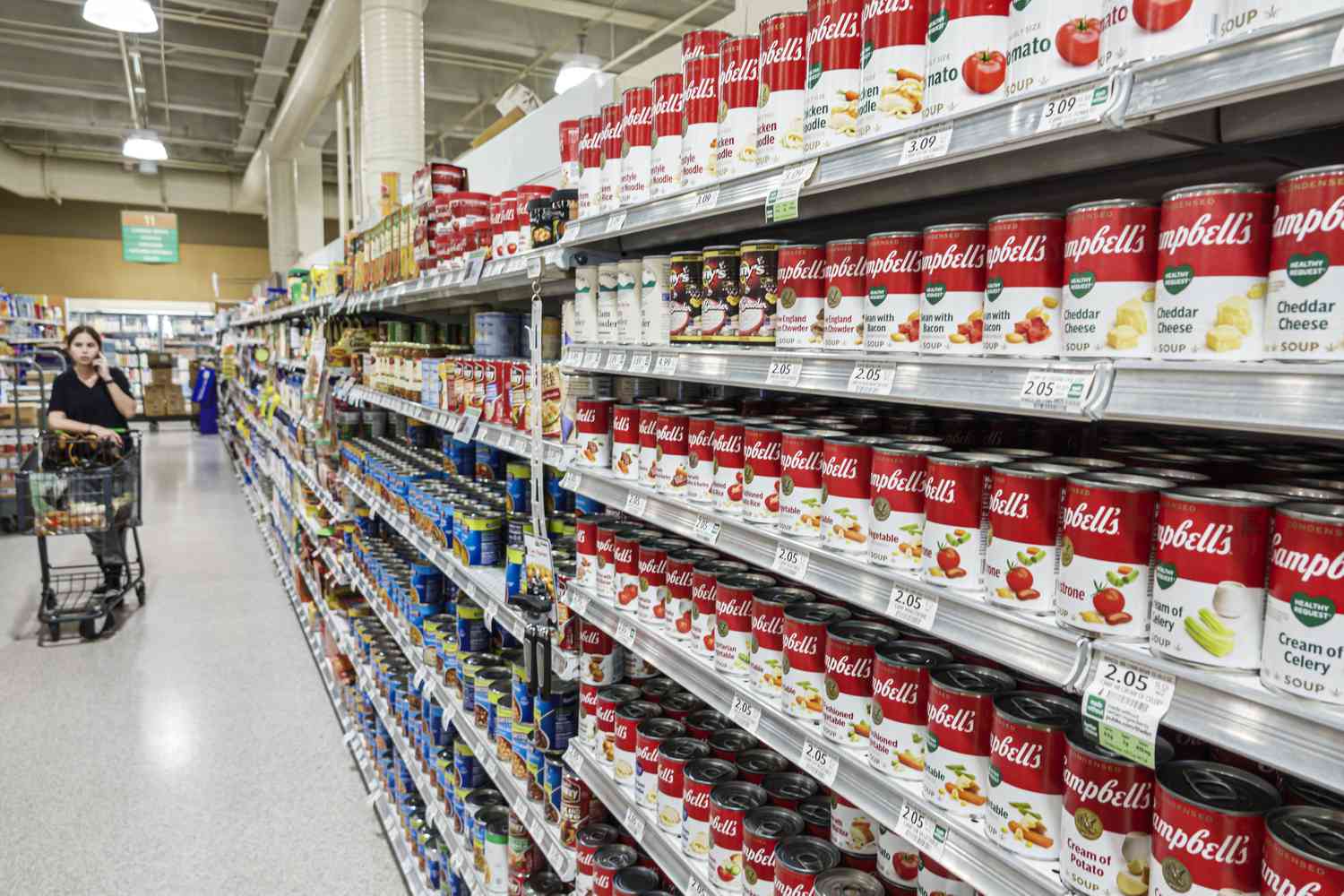
Food Companies Face Sales Decline and Dividend Risks
- Sales Performance Decline: Campbell's recently reported a 4% year-over-year sales decline, with management stating results met expectations; however, the company faces inflation-driven margin pressures, indicating vulnerability in the current economic climate.
- Profitability Risks: General Mills experienced an 8% revenue drop to $4.4 billion, with net earnings plummeting 52%, resulting in a diluted profit of $0.56 per share, falling short of the $0.61 quarterly dividend, raising concerns about dividend sustainability.
- Market Discount Phenomenon: Both Campbell's and General Mills stocks have fallen by 17% and 26%, respectively, with forward price-to-earnings multiples at 10, reflecting investor anxiety over future uncertainties and potentially leading to value traps.
- Investor Focus: While Campbell's dividend appears sustainable, its limited earnings buffer necessitates close monitoring of future financial performance to avoid potential investment risks.
Market Outlook for Mondelēz and General Mills

- Cocoa Price Decline: Mondelēz International has seen cocoa prices drop over 50% by early 2026, alleviating previous margin pressures caused by soaring cocoa prices, which is expected to drive future revenue growth despite the current stock price being significantly lower than two years ago.
- Stable Cash Flow: Mondelēz projects organic net revenue growth between flat and 2% for 2026, alongside a plan to achieve over $3 billion in free cash flow, demonstrating the company's robust financial health despite commodity cycle fluctuations.
- Pet Food Growth: General Mills has entered the pet food market through its acquisition of Blue Buffalo and launched a fresh pet food line in 2025, which is expected to enhance its share in the rapidly growing $3 billion market, even as overall volumes have been impacted by consumers shifting to private-label options.
- High Dividend Appeal: With a dividend yield approaching 7%, General Mills presents a historical buying opportunity, and combined with its stable income stream and strong brand loyalty, it has attracted the attention of long-term investors.
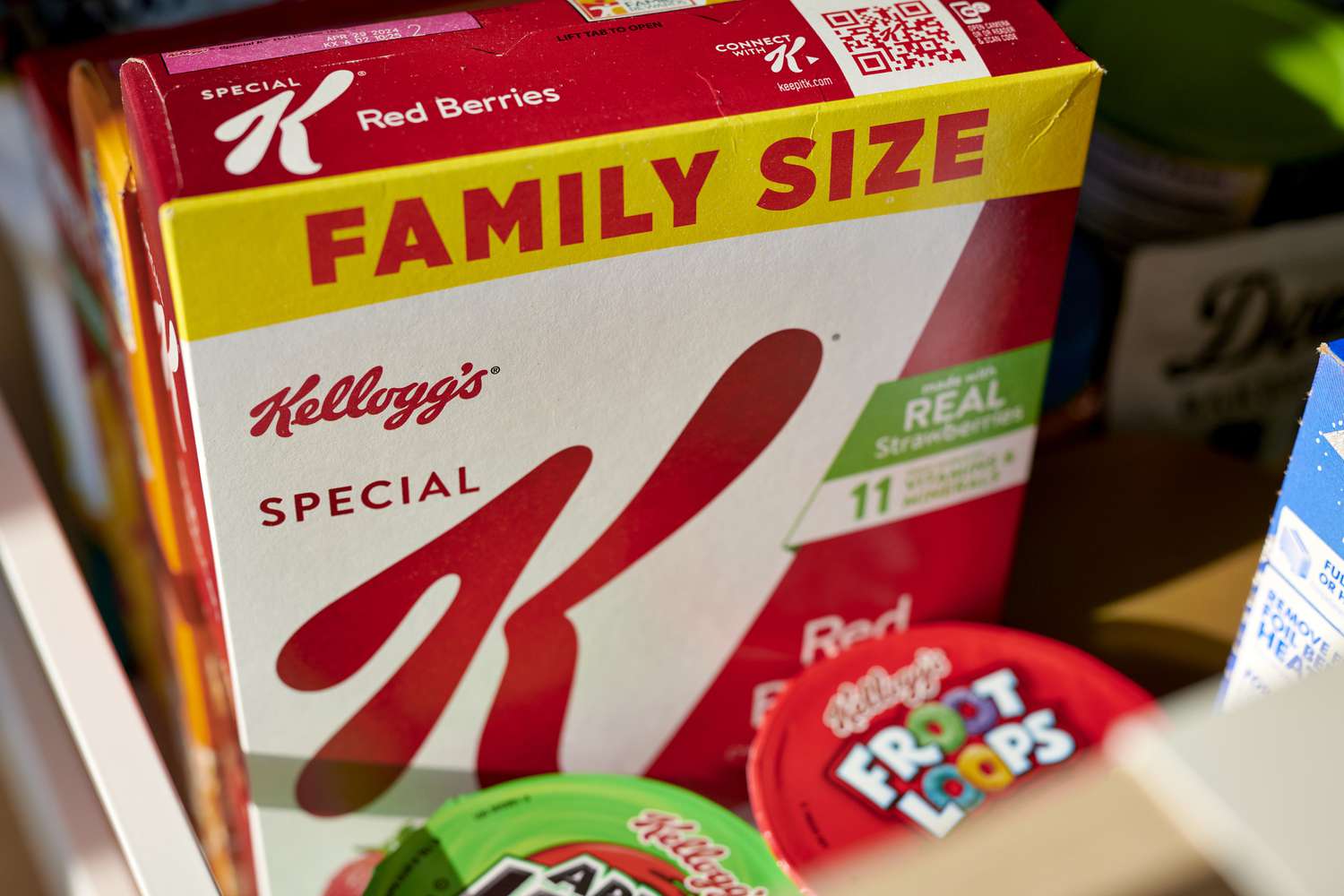
Consumer Staples Sector Faces Challenges and Opportunities
- Market Environment Shift: The consumer staples sector has been impacted by high input costs and cautious consumers, leading to significant stock price declines for many recognizable brands, creating rare discounted entry points, especially amid a market rotation towards technology and artificial intelligence.
- Mondelēz International Performance: Mondelēz International (MDLZ) operates in over 150 countries, with 40% of its revenue coming from emerging markets that have grown at a compound annual rate of 13.4%; despite a 14% decline in adjusted EPS in 2025 due to surging cocoa prices, the company projects a 2% organic net revenue growth for 2026 and free cash flow exceeding $3 billion.
- General Mills' Stability: General Mills (GIS) generates over $18 billion in annual revenue, and although its stock is down 40% from its 52-week high, its consistent dividend payments and growth potential in the pet food sector, particularly with the Blue Buffalo brand acquisition, demonstrate resilience in economic cycles.
- Investment Opportunity: With General Mills' dividend yield approaching 7%, a level historically associated with buying opportunities, combined with strong brand loyalty and growth in the pet food market, investors may consider gradually building positions during this downturn.
Betty Crocker Celebrates Milestone with Free Cakes for Families
- Brand Celebration: Betty Crocker, under General Mills, is giving away up to one million free cakes to celebrate its 250th anniversary, aiming to enhance consumer loyalty and boost sales.
- Consumer Survey Findings: A survey of 5,000 Americans revealed that 76% believe a birthday celebration is incomplete without cake, underscoring the central role of cake in birthday celebrations and reinforcing Betty Crocker's market position.
- Flavor Preferences: The survey indicated that chocolate cake is the top birthday cake flavor in 49 states, with 30% of respondents choosing it as their favorite, highlighting consumer preference for classic flavors that may influence future product development.
- Promotional Details: Consumers can claim a rebate of up to $3.99 by purchasing participating Betty Crocker cake mix products and submitting a receipt photo, a strategy that not only attracts new customers but also potentially increases the brand's market share.
China's Economy Faces Multiple Challenges
- Economic Growth Slowdown: Standard Bank forecasts that China's GDP will fall below 4% in Q2 2026, primarily due to a weak real estate market and low consumer confidence, indicating the fragility of economic recovery.
- Weak Retail Sales: Retail sales grew only 0.2% in April, the lowest since the end of COVID restrictions, with May expected to show no growth compared to last year, reflecting ongoing consumer spending challenges that could impact overall economic vitality.
- Decline in Fixed Asset Investment: Fixed asset investment is projected to drop by 2% in the first five months, worse than the 1.6% decline in April, with real estate investment dragging down by 13.7%, highlighting the profound impact of the real estate slump on the economy.
- Limited Contribution from Digitalization: While digitalization is expected to contribute 2.5 percentage points to GDP by 2027, the retail and tourism sectors are only projected to contribute 0.9 points, insufficient to prevent economic growth from slowing to 4.4%, indicating challenges in economic structural transformation.
Analysis of Risks in High-Yield Stock Investments
- Yield Comparison: Campbell Soup Company (CPB) and General Mills (GIS) currently offer dividend yields of 7.05% and 7.24%, respectively, significantly higher than the S&P 500's 1%, yet market hesitance indicates underlying risks associated with high-yield stocks.
- Earnings Report Performance: Campbell's latest earnings report showed a 4% year-over-year sales decline, with earnings per share at $0.41, slightly above the $0.39 quarterly dividend, suggesting short-term sustainability of the dividend amidst inflationary pressures.
- General Mills' Struggles: General Mills reported an 8% revenue drop to $4.4 billion and a 52% plunge in net earnings, with diluted earnings per share at $0.56, falling short of the $0.61 dividend, raising concerns about potential dividend cuts despite no immediate necessity.
- Market Discount Phenomenon: Both companies are trading at a forward price-to-earnings ratio of 10, reflecting investor concerns over future uncertainties; while they may appear cheap, they could represent value traps, necessitating careful risk assessment by investors.
Food Companies Face Sales Decline and Dividend Risks
- Sales Performance Decline: Campbell's recently reported a 4% year-over-year sales decline, with management stating results met expectations; however, the company faces inflation-driven margin pressures, indicating vulnerability in the current economic climate.
- Profitability Risks: General Mills experienced an 8% revenue drop to $4.4 billion, with net earnings plummeting 52%, resulting in a diluted profit of $0.56 per share, falling short of the $0.61 quarterly dividend, raising concerns about dividend sustainability.
- Market Discount Phenomenon: Both Campbell's and General Mills stocks have fallen by 17% and 26%, respectively, with forward price-to-earnings multiples at 10, reflecting investor anxiety over future uncertainties and potentially leading to value traps.
- Investor Focus: While Campbell's dividend appears sustainable, its limited earnings buffer necessitates close monitoring of future financial performance to avoid potential investment risks.
Market Outlook for Mondelēz and General Mills
- Cocoa Price Decline: Mondelēz International has seen cocoa prices drop over 50% by early 2026, alleviating previous margin pressures caused by soaring cocoa prices, which is expected to drive future revenue growth despite the current stock price being significantly lower than two years ago.
- Stable Cash Flow: Mondelēz projects organic net revenue growth between flat and 2% for 2026, alongside a plan to achieve over $3 billion in free cash flow, demonstrating the company's robust financial health despite commodity cycle fluctuations.
- Pet Food Growth: General Mills has entered the pet food market through its acquisition of Blue Buffalo and launched a fresh pet food line in 2025, which is expected to enhance its share in the rapidly growing $3 billion market, even as overall volumes have been impacted by consumers shifting to private-label options.
- High Dividend Appeal: With a dividend yield approaching 7%, General Mills presents a historical buying opportunity, and combined with its stable income stream and strong brand loyalty, it has attracted the attention of long-term investors.
Consumer Staples Sector Faces Challenges and Opportunities
- Market Environment Shift: The consumer staples sector has been impacted by high input costs and cautious consumers, leading to significant stock price declines for many recognizable brands, creating rare discounted entry points, especially amid a market rotation towards technology and artificial intelligence.
- Mondelēz International Performance: Mondelēz International (MDLZ) operates in over 150 countries, with 40% of its revenue coming from emerging markets that have grown at a compound annual rate of 13.4%; despite a 14% decline in adjusted EPS in 2025 due to surging cocoa prices, the company projects a 2% organic net revenue growth for 2026 and free cash flow exceeding $3 billion.
- General Mills' Stability: General Mills (GIS) generates over $18 billion in annual revenue, and although its stock is down 40% from its 52-week high, its consistent dividend payments and growth potential in the pet food sector, particularly with the Blue Buffalo brand acquisition, demonstrate resilience in economic cycles.
- Investment Opportunity: With General Mills' dividend yield approaching 7%, a level historically associated with buying opportunities, combined with strong brand loyalty and growth in the pet food market, investors may consider gradually building positions during this downturn.