Galaxy Digital Faces Investigation After Major Losses

Galaxy Digital's stock rose by 5.54% as it crossed above the 20-day SMA, despite the broader market's slight decline.
The company is currently under investigation following a reported net loss of $482 million for Q4 2025, which significantly missed analyst expectations. This has raised concerns about the company's financial health and potential legal liabilities, as the Schall Law Firm investigates whether Galaxy issued misleading statements. The investigation could lead to further investor anxiety and class action lawsuits.
Despite these challenges, analysts at Citi have identified long-term potential for Galaxy Digital, suggesting that regulatory clarity in the cryptocurrency market could lead to sustainable growth, which may have contributed to the stock's recent price increase.
Trade with 70% Backtested Accuracy
Analyst Views on GLXY

About GLXY
About the author

GalaxyOne Launches SOL Staking Feature for Individual Investors
- Feature Launch: GalaxyOne has introduced SOL staking, allowing eligible clients to earn up to 6.50% in variable rewards without platform commissions until December 31, 2026, thereby enhancing user profitability and platform appeal.
- User Experience Enhancement: Clients can purchase or transfer SOL directly on the GalaxyOne platform, with rewards accruing and compounding automatically after staking, simplifying asset management and improving overall investment experience.
- Security Assurance: GalaxyOne's staking service is powered by its institutional-grade validator infrastructure, ensuring that every staked SOL is managed by Galaxy's validators, which meet high standards of reliability and security, thus reducing user risk.
- Market Coverage Expansion: The staking feature is available in over 40 U.S. states and jurisdictions, marking a significant expansion of GalaxyOne's capabilities in the digital asset space, aimed at providing individual investors with the same investment tools and opportunities as institutions.

Middle East Tensions Impact Global Markets

- Market Recovery: The S&P 500 Index rose by 0.42%, the Dow Jones Industrial Average increased by 0.64%, and the Nasdaq 100 Index gained 0.32%, indicating a short-term market rebound amid escalating tensions in the Middle East, as investor confidence in future economic growth shows signs of recovery.
- Declining Bond Yields: The 10-year T-note yield fell by 8 basis points to 4.35%, reflecting market concerns that the ongoing war in the Middle East may lead to fuel shortages, thereby suppressing inflation expectations and potentially keeping the Fed from raising interest rates in upcoming meetings.
- Rising Oil Prices: Crude oil prices surged over 1% to a three-week high due to Iranian attacks on shipping, with fears that the closure of the Strait of Hormuz could disrupt global oil supplies, potentially driving prices to exceed the 2008 record high.
- Energy Infrastructure Damage: The International Energy Agency reported that more than 40 energy sites across nine Middle Eastern countries have been severely damaged, which could prolong disruptions to global supply chains after the war ends, further impacting international market stability.
US Stocks Plunge as Oil Prices Surge Amid Iran Conflict

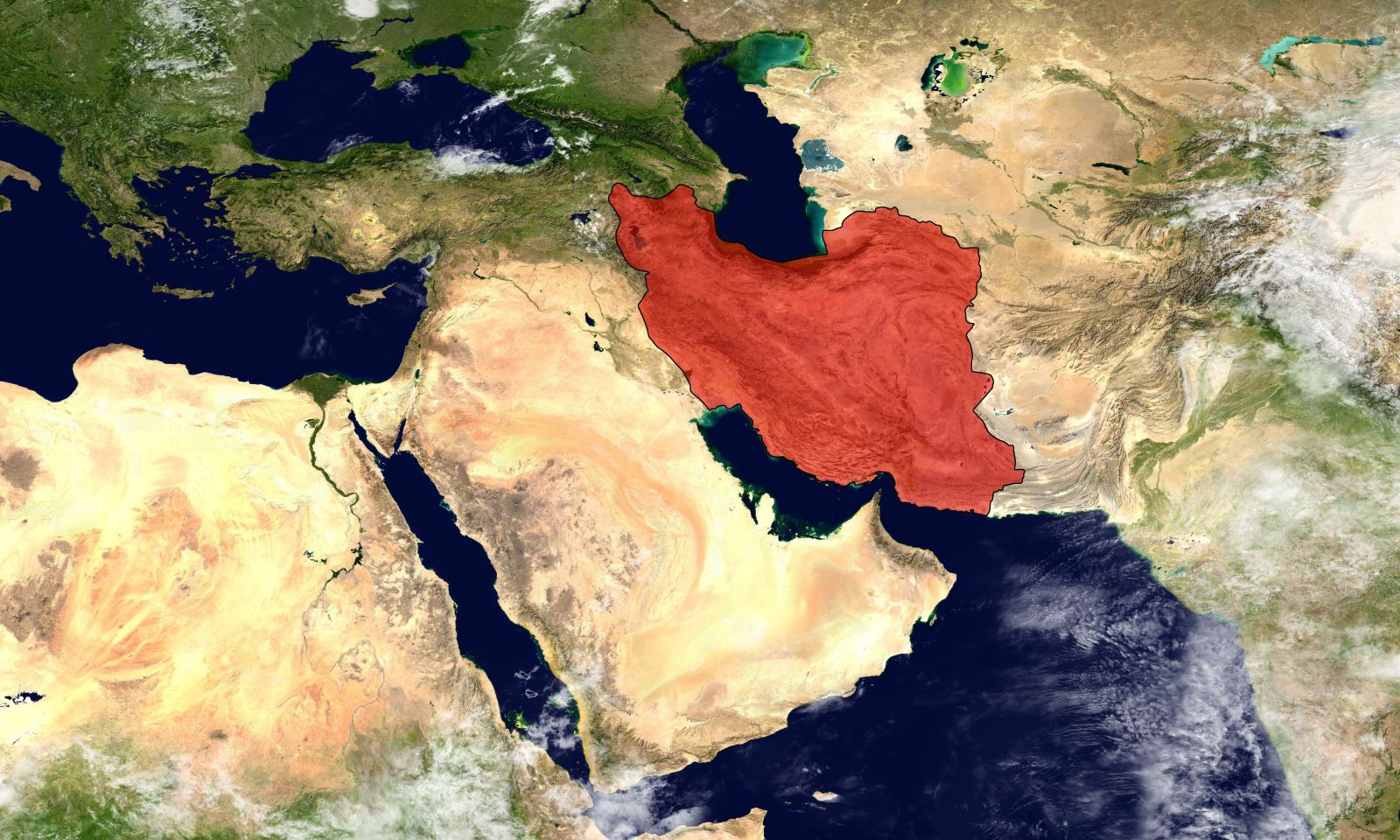
- Market Decline: The S&P 500 index fell by 1.67%, marking a 7-month low, while the Nasdaq 100 and Dow Jones Industrial Average dropped by 1.93% and 1.73%, respectively, indicating heightened concerns over economic slowdown.
- Oil Price Surge: WTI crude oil prices surged over 5% due to fears surrounding the Iran conflict, which not only exacerbates inflation expectations but may also compel the Federal Reserve to tighten monetary policy, impacting overall economic growth.
- Consumer Sentiment Drop: The University of Michigan's consumer sentiment index was revised down to 53.3 from 55.5, below the expected 54.0, reflecting a pessimistic outlook among consumers regarding future economic conditions, potentially suppressing consumer spending.
- Escalating US-China Trade Tensions: China launched investigations into US trade practices targeting restrictions on Chinese goods, which could further disrupt global supply chains and increase market uncertainty.

US Stocks Decline as Oil Prices Surge Amid Iran Conflict
- Market Sentiment Declines: The S&P 500 and Nasdaq 100 fell by 0.79% and 1.12%, respectively, reaching 6.75-month lows, reflecting investor concerns about the global economic outlook amid escalating tensions in Iran.
- Rising Inflation Expectations: The University of Michigan's consumer sentiment index was revised down to 53.3 from 55.5, below expectations, while 1-year inflation expectations increased to 3.8%, indicating market fears of rising prices that could prompt the Fed to tighten monetary policy.
- Surging Energy Prices: Crude oil prices rose over 3% due to disruptions in global oil supply caused by the Iran conflict, with the IEA warning that the war could cut global oil supply by 8 million barrels per day, exacerbating inflationary pressures.
- US-China Trade Tensions: China launched investigations into US trade practices in retaliation for similar probes by the Trump administration, potentially impacting global supply chains and increasing market uncertainty, further undermining investor confidence.

Global Markets Decline Amid Iran War Risks
- Market Decline: The S&P 500 index fell by 0.74% and the Nasdaq 100 dropped by 0.94%, reflecting investor concerns over the prolonged Iran war, which may impact future investment decisions and market stability.
- Surging Energy Prices: The International Energy Agency warns that the ongoing conflict could disrupt global oil supply by 8 million barrels per day, potentially pushing crude prices above the 2008 record high of nearly $150 per barrel, thereby exacerbating inflationary pressures.
- Rising Bond Yields: The 10-year U.S. Treasury yield reached an 8.25-month high of 4.48%, indicating heightened expectations for future interest rate hikes, which could compel the Federal Reserve to adopt a tighter monetary policy to combat persistent inflation.
- Escalating U.S.-China Trade Tensions: China has launched investigations into U.S. trade practices, targeting restrictions on Chinese goods, which may further escalate trade frictions and disrupt global supply chain stability.
US Stocks Rise as Oil Prices Plunge Amid Peace Proposal

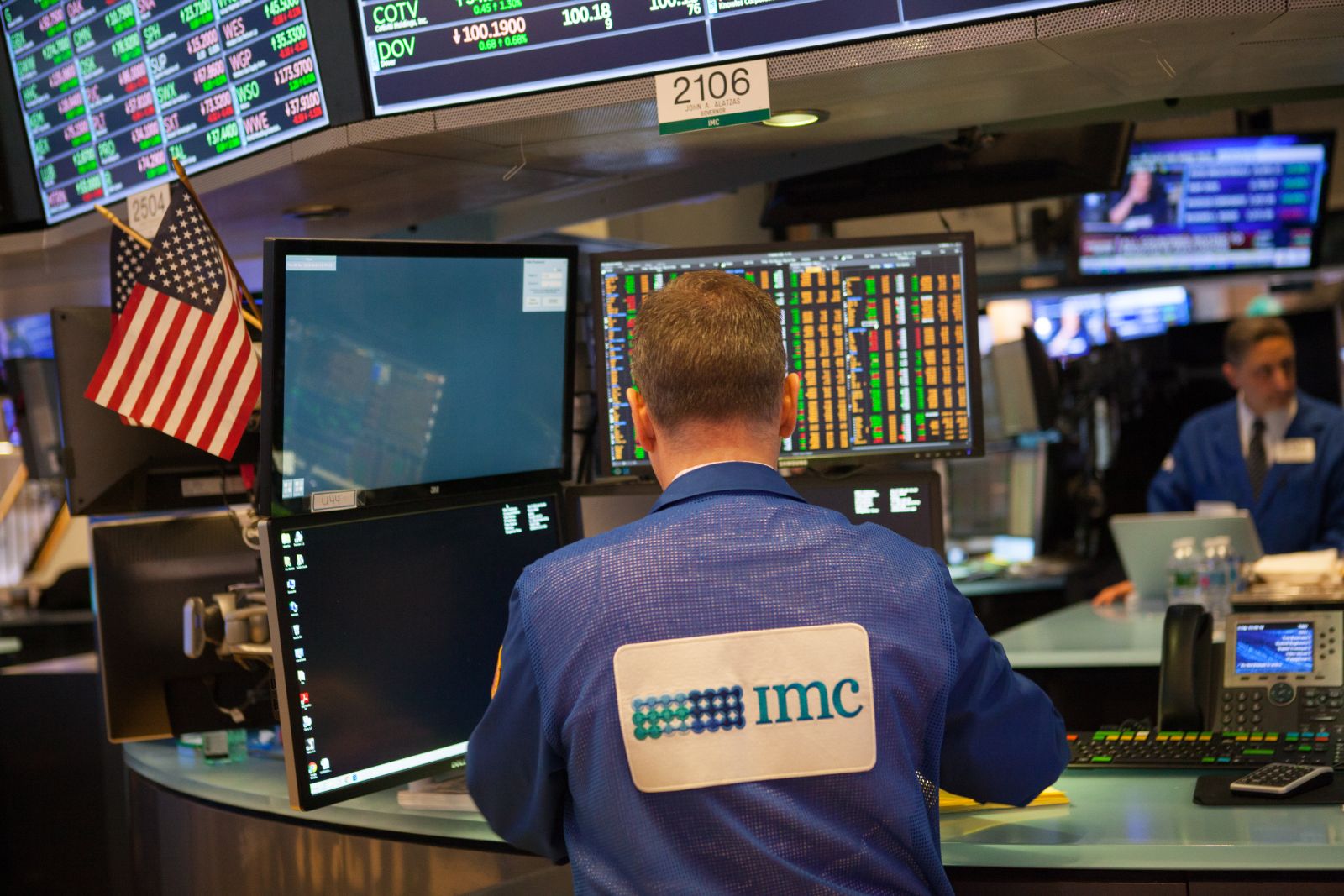
- Oil Price Plunge Impacts Market: The S&P 500 index rose by 0.83% and the Dow Jones Industrial Average by 0.86% as WTI crude oil prices tumbled over 4% following a 15-point peace proposal from the Trump administration aimed at ending the war with Iran.
- Decline in Bond Yields: The 10-year T-note yield fell by 4 basis points to 4.32%, reflecting a decrease in inflation expectations due to the drop in oil prices, which may alleviate economic pressures and influence investor confidence positively.
- Iran Rejects Peace Proposal: Despite the US peace proposal, Iran continues missile and drone attacks on Israel and Gulf states, indicating that tensions in the Middle East may escalate, thereby increasing market uncertainty.
- IEA Warns of Supply Chain Disruptions: The International Energy Agency reported that the war in Iran could lead to long-term disruptions in global supply chains, with over 40 energy sites severely damaged, which is expected to further impact global oil and gas supplies and potentially drive prices higher.
GalaxyOne Launches SOL Staking Feature for Individual Investors
- Feature Launch: GalaxyOne has introduced SOL staking, allowing eligible clients to earn up to 6.50% in variable rewards without platform commissions until December 31, 2026, thereby enhancing user profitability and platform appeal.
- User Experience Enhancement: Clients can purchase or transfer SOL directly on the GalaxyOne platform, with rewards accruing and compounding automatically after staking, simplifying asset management and improving overall investment experience.
- Security Assurance: GalaxyOne's staking service is powered by its institutional-grade validator infrastructure, ensuring that every staked SOL is managed by Galaxy's validators, which meet high standards of reliability and security, thus reducing user risk.
- Market Coverage Expansion: The staking feature is available in over 40 U.S. states and jurisdictions, marking a significant expansion of GalaxyOne's capabilities in the digital asset space, aimed at providing individual investors with the same investment tools and opportunities as institutions.
Middle East Tensions Impact Global Markets
- Market Recovery: The S&P 500 Index rose by 0.42%, the Dow Jones Industrial Average increased by 0.64%, and the Nasdaq 100 Index gained 0.32%, indicating a short-term market rebound amid escalating tensions in the Middle East, as investor confidence in future economic growth shows signs of recovery.
- Declining Bond Yields: The 10-year T-note yield fell by 8 basis points to 4.35%, reflecting market concerns that the ongoing war in the Middle East may lead to fuel shortages, thereby suppressing inflation expectations and potentially keeping the Fed from raising interest rates in upcoming meetings.
- Rising Oil Prices: Crude oil prices surged over 1% to a three-week high due to Iranian attacks on shipping, with fears that the closure of the Strait of Hormuz could disrupt global oil supplies, potentially driving prices to exceed the 2008 record high.
- Energy Infrastructure Damage: The International Energy Agency reported that more than 40 energy sites across nine Middle Eastern countries have been severely damaged, which could prolong disruptions to global supply chains after the war ends, further impacting international market stability.
US Stocks Plunge as Oil Prices Surge Amid Iran Conflict
- Market Decline: The S&P 500 index fell by 1.67%, marking a 7-month low, while the Nasdaq 100 and Dow Jones Industrial Average dropped by 1.93% and 1.73%, respectively, indicating heightened concerns over economic slowdown.
- Oil Price Surge: WTI crude oil prices surged over 5% due to fears surrounding the Iran conflict, which not only exacerbates inflation expectations but may also compel the Federal Reserve to tighten monetary policy, impacting overall economic growth.
- Consumer Sentiment Drop: The University of Michigan's consumer sentiment index was revised down to 53.3 from 55.5, below the expected 54.0, reflecting a pessimistic outlook among consumers regarding future economic conditions, potentially suppressing consumer spending.
- Escalating US-China Trade Tensions: China launched investigations into US trade practices targeting restrictions on Chinese goods, which could further disrupt global supply chains and increase market uncertainty.
US Stocks Decline as Oil Prices Surge Amid Iran Conflict
- Market Sentiment Declines: The S&P 500 and Nasdaq 100 fell by 0.79% and 1.12%, respectively, reaching 6.75-month lows, reflecting investor concerns about the global economic outlook amid escalating tensions in Iran.
- Rising Inflation Expectations: The University of Michigan's consumer sentiment index was revised down to 53.3 from 55.5, below expectations, while 1-year inflation expectations increased to 3.8%, indicating market fears of rising prices that could prompt the Fed to tighten monetary policy.
- Surging Energy Prices: Crude oil prices rose over 3% due to disruptions in global oil supply caused by the Iran conflict, with the IEA warning that the war could cut global oil supply by 8 million barrels per day, exacerbating inflationary pressures.
- US-China Trade Tensions: China launched investigations into US trade practices in retaliation for similar probes by the Trump administration, potentially impacting global supply chains and increasing market uncertainty, further undermining investor confidence.
Global Markets Decline Amid Iran War Risks
- Market Decline: The S&P 500 index fell by 0.74% and the Nasdaq 100 dropped by 0.94%, reflecting investor concerns over the prolonged Iran war, which may impact future investment decisions and market stability.
- Surging Energy Prices: The International Energy Agency warns that the ongoing conflict could disrupt global oil supply by 8 million barrels per day, potentially pushing crude prices above the 2008 record high of nearly $150 per barrel, thereby exacerbating inflationary pressures.
- Rising Bond Yields: The 10-year U.S. Treasury yield reached an 8.25-month high of 4.48%, indicating heightened expectations for future interest rate hikes, which could compel the Federal Reserve to adopt a tighter monetary policy to combat persistent inflation.
- Escalating U.S.-China Trade Tensions: China has launched investigations into U.S. trade practices, targeting restrictions on Chinese goods, which may further escalate trade frictions and disrupt global supply chain stability.
US Stocks Rise as Oil Prices Plunge Amid Peace Proposal
- Oil Price Plunge Impacts Market: The S&P 500 index rose by 0.83% and the Dow Jones Industrial Average by 0.86% as WTI crude oil prices tumbled over 4% following a 15-point peace proposal from the Trump administration aimed at ending the war with Iran.
- Decline in Bond Yields: The 10-year T-note yield fell by 4 basis points to 4.32%, reflecting a decrease in inflation expectations due to the drop in oil prices, which may alleviate economic pressures and influence investor confidence positively.
- Iran Rejects Peace Proposal: Despite the US peace proposal, Iran continues missile and drone attacks on Israel and Gulf states, indicating that tensions in the Middle East may escalate, thereby increasing market uncertainty.
- IEA Warns of Supply Chain Disruptions: The International Energy Agency reported that the war in Iran could lead to long-term disruptions in global supply chains, with over 40 energy sites severely damaged, which is expected to further impact global oil and gas supplies and potentially drive prices higher.