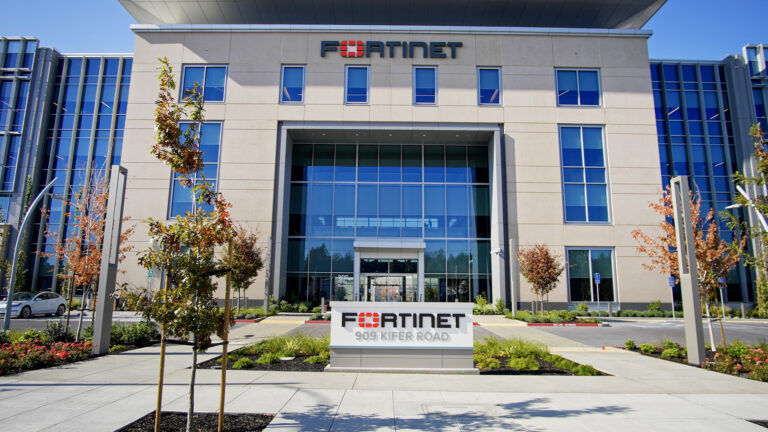
Fortinet Faces Pressure Amid Cybersecurity Sector Decline
Written by Emily J. Thompson, Senior Investment Analyst
Updated: Jan 09 2025
0mins

Should l Buy FTNT?
Source: Coinmarketcap
Fortinet Inc's stock has dropped 5.01%, hitting a 5-day low, reflecting the ongoing challenges in the cybersecurity sector.
The decline is primarily attributed to a configuration error at Anthropic that exposed the Claude Mythos AI model, leading to significant declines in the cybersecurity sector, with Fortinet's stock down 3%. This incident has raised urgent concerns about the industry's outlook and investor confidence, prompting a reevaluation of the profitability and growth potential of cybersecurity firms.
As investor sentiment deteriorates, Fortinet's exclusion from The Motley Fool Stock Advisor's top recommendations further exacerbates the situation, potentially leading to capital outflows and increased pressure on its stock price.
Trade with 70% Backtested Accuracy
Stop guessing "Should I Buy FTNT?" and start using high-conviction signals backed by rigorous historical data.
Sign up today to access powerful investing tools and make smarter, data-driven decisions.
Analyst Views on FTNT
Wall Street analysts forecast FTNT stock price to fall
24 Analyst Rating
3 Buy
18 Hold
3 Sell
Hold
Current: 107.970

Low
70.00
Averages
84.18
High
100.00
Current: 107.970
Low
70.00
Averages
84.18
High
100.00
About FTNT
Fortinet, Inc. is engaged in cybersecurity, driving the convergence of networking and security. The Company’s integrated platform, Fortinet Security Fabric, spans secure networking, unified Secure Access Service Edge (SASE) and artificial intelligence (AI)-driven security operations (SecOps). Its products and services include FortiOS, FortiASIC, FortiCloud, FortiAI, FortiEndpoint, and OT Security. The FortiGuard Labs is a cybersecurity threat intelligence and research organization comprised of experienced threat hunters, researchers, analysts, engineers and data scientists who develop and utilize machine learning and AI technologies. FortiGuard and Other Security Services are a suite of AI-powered security capabilities that are integrated as part of the Fortinet Security Fabric to deliver coordinated detection and enforcement across the entire attack surface. FortiCare Technical Support Service is a per-device technical support service. It also operates Fortinet Training Institute.
About the author

Emily J. Thompson
Emily J. Thompson, a Chartered Financial Analyst (CFA) with 12 years in investment research, graduated with honors from the Wharton School. Specializing in industrial and technology stocks, she provides in-depth analysis for Intellectia’s earnings and market brief reports.

Stocks Hit Record Highs Amid Mixed Economic Data


- Strong Market Performance: The S&P 500 rose 2.3% and the Nasdaq gained 4.5%, marking their longest winning streak since 2024 with six consecutive weeks of gains, reflecting investor confidence in economic recovery.
- Employment Data Impact: April's nonfarm payrolls increased by 115,000, significantly exceeding economists' expectations of 55,000, while the unemployment rate held steady at 4.3%, complicating the Federal Reserve's interest rate decisions amid resilient labor market conditions.
- Cybersecurity Stocks Rebound: Shares of CrowdStrike and Palo Alto Networks surged 16% and 15%, respectively, driven by Fortinet's strong earnings report and raised full-year billings guidance, indicating a renewed confidence in the cybersecurity sector.
- Optical Technology Partnership: Corning's stock jumped 18% following a major supply agreement with Nvidia, projecting a $20 billion annualized sales run rate by 2026 and a 50% increase in fiber production capacity to meet soaring AI infrastructure demands.
See More
U.S. Stocks Rise, Nasdaq Hits Record High


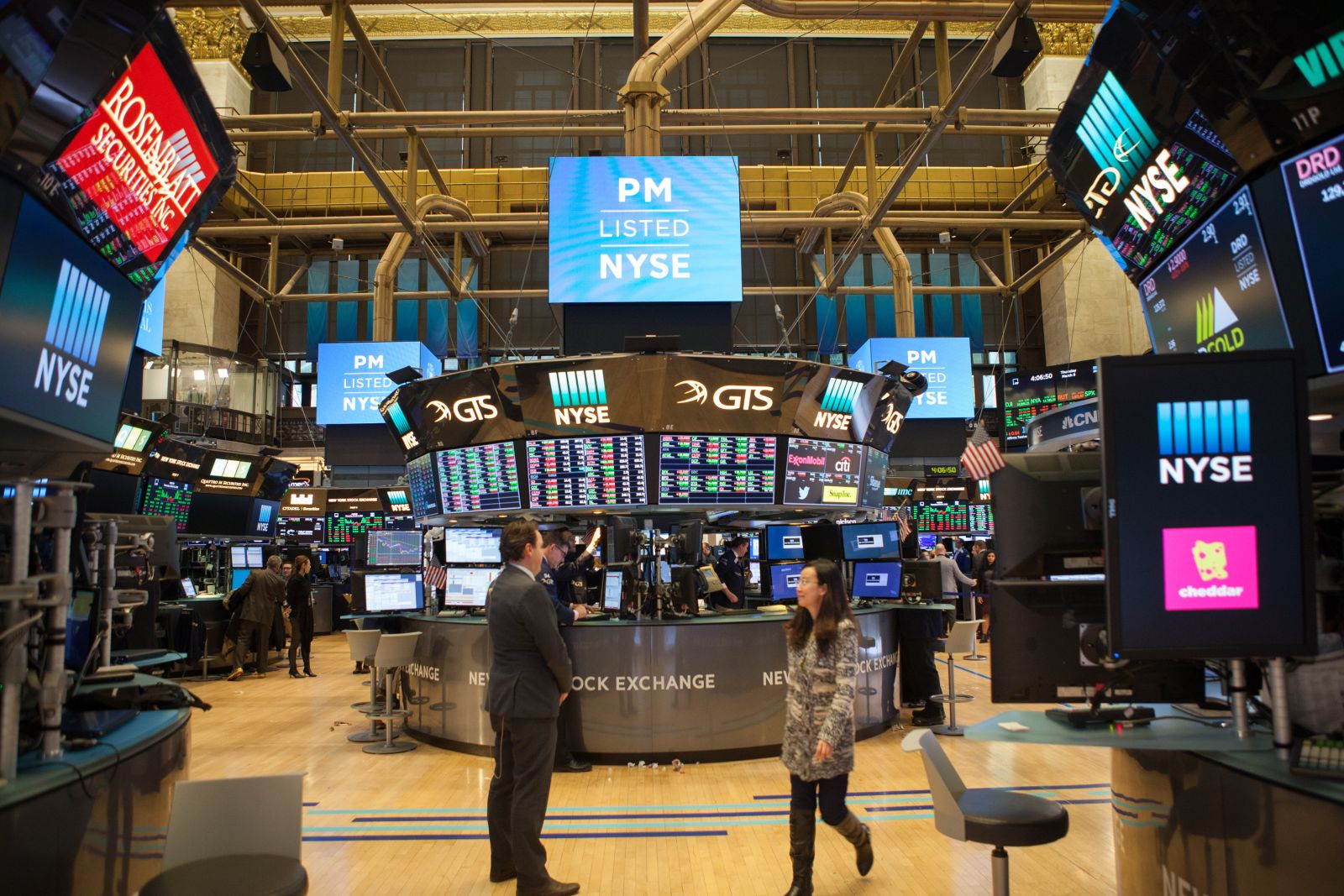
- Nasdaq Hits Record High: The Nasdaq 100 index surged 1.32% to reach a new record high, primarily driven by chipmakers and AI infrastructure stocks, indicating strong market confidence in technology stocks that may attract further investor interest in the tech sector.
- Strong Employment Data: U.S. nonfarm payrolls rose by 115,000 in April, exceeding expectations of 65,000, while March figures were revised up to 185,000, demonstrating resilience in the labor market that could lead the Fed to maintain interest rates in upcoming policy meetings.
- Corporate Earnings Support Market: So far, 84% of the 425 S&P 500 companies have beaten earnings estimates, with Q1 earnings projected to climb 12% year-over-year, providing robust support for the stock market and reflecting the potential for economic recovery.
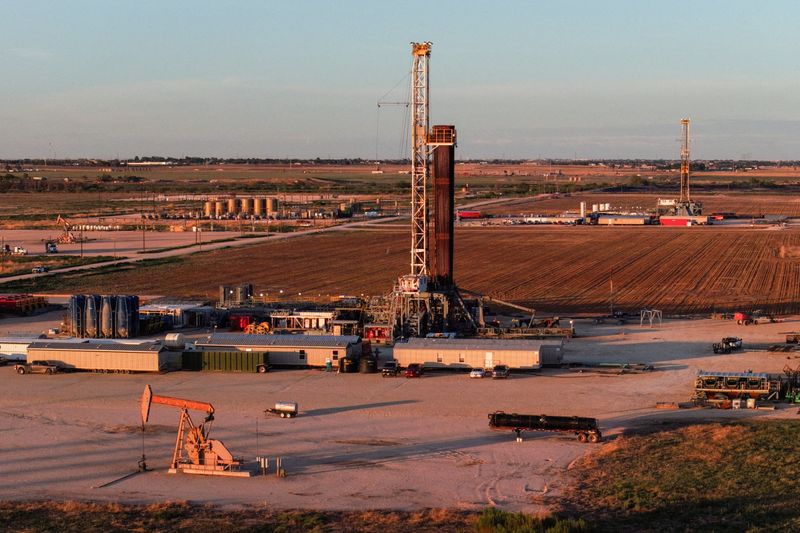
- Geopolitical Impact on Oil Prices: Iran's seizure of an oil tanker in the Strait of Hormuz has led to a slight increase in WTI crude oil prices, heightening concerns over future oil price volatility and potentially affecting the stability of global energy supply chains.
See More

Susquehanna Raises Fortinet Price Target to $115 Following Strong Q1 Results
- Strong Performance: Fortinet's first-quarter billings increased by 31% year-over-year, exceeding Susquehanna's estimate by 15%, indicating robust demand in the cybersecurity sector that is expected to drive future revenue growth.
- Revenue Growth: The company reported a 20% year-over-year revenue increase in Q1, surpassing market expectations by 7%, demonstrating the ongoing competitiveness of its products and services, particularly driven by demand in AI data centers.
- Robust Product Sales: Product revenue surged 41% year-over-year, significantly exceeding Susquehanna's estimate by 21%, reflecting the positive impact of technology upgrades and customers expanding into new use cases, further solidifying Fortinet's market position.
- Strategic Outlook: While analysts maintain a Neutral rating, they highlight that the growth of AI data centers and the convergence of networking and security needs present new market opportunities for the company, suggesting a balanced risk-reward profile moving forward.
See More
Fortinet Stock Hits New 52-Week High Following Strong Earnings
- Significant Earnings Growth: Fortinet reported a 23% year-over-year increase in net income to $534.5 million in Q1, exceeding market expectations and reinforcing its leadership position in the cybersecurity sector.
- Revenue Exceeds Expectations: The company's total revenue reached $1.85 billion, a 20% increase from the previous year, surpassing earlier guidance of $1.7 billion to $1.76 billion, indicating strong growth in customer demand and market share.
- Optimistic Full-Year Outlook: Fortinet raised its full-year revenue growth forecast to a range of $7.71 billion to $7.87 billion, up from the previous estimate of $7.5 billion to $7.7 billion, reflecting management's confidence in future performance.
- Strong Q2 Targets: The company anticipates Q2 revenues between $1.83 billion and $1.93 billion, representing a 12% to 18.4% growth compared to last year's $1.63 billion, demonstrating ongoing market demand and growth potential.
See More

Iran Deal Doubts Hit Stocks, Nvidia and Tesla Show Strength

- Market Volatility: Doubts surrounding the Iran deal led to volatility in the stock market on Thursday, with major indices experiencing declines, reflecting investor sensitivity to geopolitical risks and uncertainty.
- Tech Stocks Resilience: Despite the overall market pressure, Nvidia and Tesla showed strong performance, indicating investor confidence in the long-term growth potential of these companies, which may attract more capital into the tech sector.
- Earnings Movers: CoreWeave, Rocket Lab, Cloudflare, and IREN's earnings reports became focal points for the market, with investors closely monitoring their performance to assess future growth prospects and competitive positioning.
- Jobs Report Anticipation: The market is set to receive a new jobs report, with analysts expecting it to provide crucial signals regarding economic recovery, which could further influence investor decisions and market trends.
See More

US Stocks Close Lower Amid Cautious Market Sentiment


- Market Weakness: On Thursday, the S&P 500 Index fell by 0.38%, the Dow Jones Industrial Average dropped by 0.63%, and the Nasdaq 100 Index decreased by 0.12%, reflecting investor skepticism regarding a potential US-Iran peace deal, which led to a reversal of early gains and impacted market confidence.
- Economic Data Support: Despite the market decline, initial jobless claims rose by 10,000 to 200,000, below the expected 205,000, indicating resilience in the labor market, while Q1 nonfarm productivity increased by 0.8%, surpassing the 0.6% forecast, providing some support to the market.
- Earnings Report Impact: As of Thursday, 84% of the 425 S&P 500 companies that reported earnings exceeded expectations, with Q1 earnings projected to rise by 12% year-over-year, although growth outside the tech sector is only expected to be around 3%, indicating a divergence that may influence investor allocation strategies.
- Oil Price Recovery: WTI crude oil prices rebounded after a 4% decline on Thursday, as the market focused on the potential resumption of US military operations to ensure safe passage through the Strait of Hormuz, which is expected to have ongoing implications for global oil prices and related stocks.
See More
Stocks Hit Record Highs Amid Mixed Economic Data
- Strong Market Performance: The S&P 500 rose 2.3% and the Nasdaq gained 4.5%, marking their longest winning streak since 2024 with six consecutive weeks of gains, reflecting investor confidence in economic recovery.
- Employment Data Impact: April's nonfarm payrolls increased by 115,000, significantly exceeding economists' expectations of 55,000, while the unemployment rate held steady at 4.3%, complicating the Federal Reserve's interest rate decisions amid resilient labor market conditions.
- Cybersecurity Stocks Rebound: Shares of CrowdStrike and Palo Alto Networks surged 16% and 15%, respectively, driven by Fortinet's strong earnings report and raised full-year billings guidance, indicating a renewed confidence in the cybersecurity sector.
- Optical Technology Partnership: Corning's stock jumped 18% following a major supply agreement with Nvidia, projecting a $20 billion annualized sales run rate by 2026 and a 50% increase in fiber production capacity to meet soaring AI infrastructure demands.
See More
U.S. Stocks Rise, Nasdaq Hits Record High
- Nasdaq Hits Record High: The Nasdaq 100 index surged 1.32% to reach a new record high, primarily driven by chipmakers and AI infrastructure stocks, indicating strong market confidence in technology stocks that may attract further investor interest in the tech sector.
- Strong Employment Data: U.S. nonfarm payrolls rose by 115,000 in April, exceeding expectations of 65,000, while March figures were revised up to 185,000, demonstrating resilience in the labor market that could lead the Fed to maintain interest rates in upcoming policy meetings.
- Corporate Earnings Support Market: So far, 84% of the 425 S&P 500 companies have beaten earnings estimates, with Q1 earnings projected to climb 12% year-over-year, providing robust support for the stock market and reflecting the potential for economic recovery.
- Geopolitical Impact on Oil Prices: Iran's seizure of an oil tanker in the Strait of Hormuz has led to a slight increase in WTI crude oil prices, heightening concerns over future oil price volatility and potentially affecting the stability of global energy supply chains.
See More
Susquehanna Raises Fortinet Price Target to $115 Following Strong Q1 Results
- Strong Performance: Fortinet's first-quarter billings increased by 31% year-over-year, exceeding Susquehanna's estimate by 15%, indicating robust demand in the cybersecurity sector that is expected to drive future revenue growth.
- Revenue Growth: The company reported a 20% year-over-year revenue increase in Q1, surpassing market expectations by 7%, demonstrating the ongoing competitiveness of its products and services, particularly driven by demand in AI data centers.
- Robust Product Sales: Product revenue surged 41% year-over-year, significantly exceeding Susquehanna's estimate by 21%, reflecting the positive impact of technology upgrades and customers expanding into new use cases, further solidifying Fortinet's market position.
- Strategic Outlook: While analysts maintain a Neutral rating, they highlight that the growth of AI data centers and the convergence of networking and security needs present new market opportunities for the company, suggesting a balanced risk-reward profile moving forward.
See More
Fortinet Stock Hits New 52-Week High Following Strong Earnings
- Significant Earnings Growth: Fortinet reported a 23% year-over-year increase in net income to $534.5 million in Q1, exceeding market expectations and reinforcing its leadership position in the cybersecurity sector.
- Revenue Exceeds Expectations: The company's total revenue reached $1.85 billion, a 20% increase from the previous year, surpassing earlier guidance of $1.7 billion to $1.76 billion, indicating strong growth in customer demand and market share.
- Optimistic Full-Year Outlook: Fortinet raised its full-year revenue growth forecast to a range of $7.71 billion to $7.87 billion, up from the previous estimate of $7.5 billion to $7.7 billion, reflecting management's confidence in future performance.
- Strong Q2 Targets: The company anticipates Q2 revenues between $1.83 billion and $1.93 billion, representing a 12% to 18.4% growth compared to last year's $1.63 billion, demonstrating ongoing market demand and growth potential.
See More
Iran Deal Doubts Hit Stocks, Nvidia and Tesla Show Strength
- Market Volatility: Doubts surrounding the Iran deal led to volatility in the stock market on Thursday, with major indices experiencing declines, reflecting investor sensitivity to geopolitical risks and uncertainty.
- Tech Stocks Resilience: Despite the overall market pressure, Nvidia and Tesla showed strong performance, indicating investor confidence in the long-term growth potential of these companies, which may attract more capital into the tech sector.
- Earnings Movers: CoreWeave, Rocket Lab, Cloudflare, and IREN's earnings reports became focal points for the market, with investors closely monitoring their performance to assess future growth prospects and competitive positioning.
- Jobs Report Anticipation: The market is set to receive a new jobs report, with analysts expecting it to provide crucial signals regarding economic recovery, which could further influence investor decisions and market trends.
See More
US Stocks Close Lower Amid Cautious Market Sentiment
- Market Weakness: On Thursday, the S&P 500 Index fell by 0.38%, the Dow Jones Industrial Average dropped by 0.63%, and the Nasdaq 100 Index decreased by 0.12%, reflecting investor skepticism regarding a potential US-Iran peace deal, which led to a reversal of early gains and impacted market confidence.
- Economic Data Support: Despite the market decline, initial jobless claims rose by 10,000 to 200,000, below the expected 205,000, indicating resilience in the labor market, while Q1 nonfarm productivity increased by 0.8%, surpassing the 0.6% forecast, providing some support to the market.
- Earnings Report Impact: As of Thursday, 84% of the 425 S&P 500 companies that reported earnings exceeded expectations, with Q1 earnings projected to rise by 12% year-over-year, although growth outside the tech sector is only expected to be around 3%, indicating a divergence that may influence investor allocation strategies.
- Oil Price Recovery: WTI crude oil prices rebounded after a 4% decline on Thursday, as the market focused on the potential resumption of US military operations to ensure safe passage through the Strait of Hormuz, which is expected to have ongoing implications for global oil prices and related stocks.
See More