Firefly Aerospace Stock Declines Amid Broader Market Weakness
Firefly Aerospace Inc's stock fell by 8.73% as it crossed below its 5-day SMA, reflecting a challenging trading environment.
The decline comes amid a broader market downturn, with the Nasdaq-100 down 1.38% and the S&P 500 down 1.07%. This sector rotation indicates that while Firefly Aerospace has shown some positive momentum recently, it is not immune to the overall market pressures affecting the space sector. Investors are cautious as the company faces significant competition and operational challenges, particularly in light of its negative gross margin.
As the space economy continues to evolve, Firefly Aerospace must navigate these market dynamics carefully. The recent IPO announcement from SpaceX has sparked interest in the sector, but it also intensifies competition, making it crucial for Firefly to improve its financial performance to attract investor confidence.
Trade with 70% Backtested Accuracy
Analyst Views on FLY

About FLY
About the author


Firefly Aerospace Prices Public Offering of 4 Million Shares

- Offering Size: Firefly Aerospace announced a public offering of 4 million shares, with the specific pricing yet to be disclosed, aimed at strengthening the company's capital base to support future growth.
- Use of Proceeds: The funds raised from this public offering will be directed towards advancing the company's R&D projects and operational expansion, particularly in the rocket launch services sector, to enhance market competitiveness and technological innovation.
- Market Reaction Expectations: While market reactions to new stock offerings are typically cautious, Firefly Aerospace's strategic positioning and technological advantages may attract investor interest, potentially leading to a positive impact on its stock price.
- Industry Context: In an increasingly competitive aerospace industry, Firefly Aerospace's fundraising will help it secure a more advantageous position in the small satellite launch market, further driving the company's long-term growth potential.

Astroscale Partners with SKY Perfect JSAT for On-Orbit Services

- Strategic Partnership: Japanese space companies Astroscale and SKY Perfect JSAT have formed a strategic partnership to develop on-orbit satellite services, with SKY Perfect investing 800 million yen (approximately $5 million) to support Astroscale's growth, although this investment appears minor compared to the total funding round of 30.6 billion yen ($192.2 million).
- Competitive Market Pressure: Astroscale faces intense competition from multiple U.S. companies, including Blue Origin and Northrop Grumman, which have successfully executed commercial on-orbit missions, necessitating Astroscale to accelerate its efforts to remain relevant in the market.
- Financial Challenges: Currently unprofitable, Astroscale is burning through $96 million annually, with analysts projecting that it will not achieve profitability until 2029 and will continue to experience cash burn until 2030, posing significant challenges for its future development.
- Industry Outlook: Despite the uncertain market outlook for Astroscale, the partnership with SKY Perfect may provide essential financial backing, enabling it to secure a foothold in the rapidly evolving on-orbit services market, particularly in satellite lifespan extension and orbital debris removal.
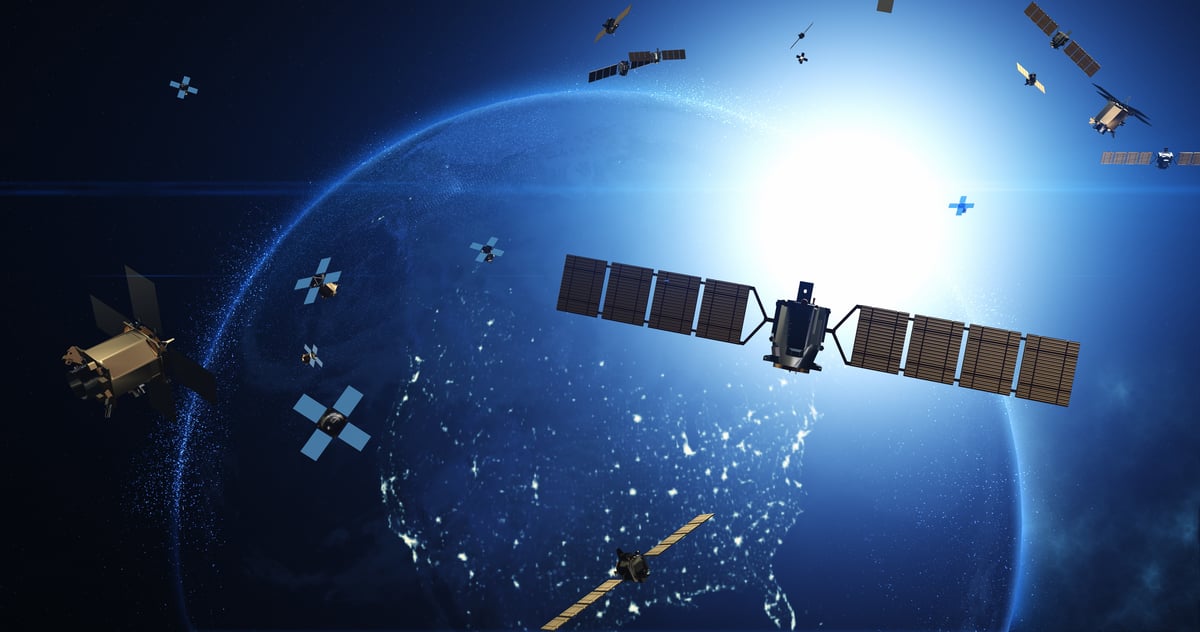
Astroscale Partners with SKY Perfect JSAT for On-Orbit Services
- Market Dynamics: With the SpaceX IPO approaching, investor enthusiasm for space stocks has surged, with AST SpaceMobile and Rocket Lab seeing share price increases of 43% and 65% this month, while Tesla also gained 11.5% due to the surrounding excitement.
- Partnership Formation: Astroscale has formed a strategic partnership with SKY Perfect JSAT, which will invest 800 million yen (approximately $5 million); although this investment is small compared to the total funding round of 30.6 billion yen ($192.2 million), it could provide Astroscale with essential support to expand its on-orbit services business.
- Competitive Landscape: Astroscale faces fierce competition from companies like Blue Origin and Firefly Aerospace, which have already established a foothold in the on-orbit services market, necessitating that Astroscale accelerates its efforts to avoid being left behind.
- Financial Challenges: Currently unprofitable, Astroscale is burning through $96 million annually, with analysts projecting it won't achieve profitability until 2029 and won't stop burning cash until 2030, raising doubts about whether SKY Perfect's investment will be sufficient to help it survive.

Starfighters Space Secures $17.5 Million Investment for STARLAUNCH

- Funding Support: On May 22, 2026, Starfighters Space announced a strategic equity investment of $17.5 million aimed at supporting the continued development of the STARLAUNCH platform and broader commercial space initiatives, with funds allocated for infrastructure development and operational expansion, thereby enhancing the company's competitive position in the market.
- Executive Appointments: The company appointed two senior leaders from Blue Origin, Jose Arias as Vice President of Space Operations and Catrina L. Medeiros as Director of STARLAUNCH Operations, which not only enhances the company's execution capabilities but also provides strong management support for the successful implementation of the STARLAUNCH project.
- Market Outlook: With SpaceX planning to go public on June 12, 2026, targeting up to $75 billion in funding, Starfighters Space is well-positioned to capitalize on this influx of capital, accelerating its commercial development and further solidifying its position in the rapidly growing space economy.
- Technical Progress: Recent milestones for the STARLAUNCH platform include a targeted space demonstration flight timeline over the next 18 to 24 months, which is expected to significantly reduce technical risks and boost market confidence through regulatory approvals and program execution.

Starfighters Space Secures $17.5 Million Investment for STARLAUNCH

- Investment Support: On May 22, 2026, Starfighters Space announced a $17.5 million strategic equity investment aimed at advancing the STARLAUNCH platform and broader commercial space development, reflecting strong endorsement from global institutional investors for its long-term strategy.
- Operational Expansion Plans: The funding is earmarked specifically for operational expansion and infrastructure development, with a targeted timeline for space demonstration flights over the next 18 to 24 months, further enhancing the company's competitiveness in the flexible, high-cadence space access market.
- Executive Team Enhancement: On May 7, 2026, the company appointed two senior leaders from Blue Origin, responsible for space operations and STARLAUNCH operations, which boosts the team's expertise and execution capability, thereby increasing market confidence.
- Optimistic Market Outlook: With SpaceX planning a historic IPO, Starfighters Space's performance in the commercial space sector is increasingly under scrutiny, and it is expected to attract more investor attention due to its potential in flexible launch architecture.
Firefly Secures $75 Million NASA Contract for MoonFall Mission

- NASA Contract Approval: Firefly Aerospace recently secured a $75 million subcontract from NASA's Jet Propulsion Laboratory to support the MoonFall mission, marking a significant advancement in the company's aerospace endeavors and expanding its lunar portfolio.
- Capital Raising Strategy: Firefly priced its public offering at $48 per share for a total of 12 million shares, representing a 3% discount to the last closing price, and plans to use the proceeds to support growth initiatives and recently awarded programs, reflecting confidence in future development.
- Competitor Challenges: The explosion of Blue Origin's New Glenn rocket during a hotfire test may create opportunities for rival launch service providers like Firefly, as investors remain optimistic about Firefly's prospects amid delays faced by Blue Origin.
- Retail Trader Sentiment: According to Stocktwits, retail sentiment for Firefly surged by 283% in message volume over the past week, indicating strong investor confidence in its future performance, despite FLY stock declining 18% over the past year.
Firefly Aerospace Prices Public Offering of 4 Million Shares
- Offering Size: Firefly Aerospace announced a public offering of 4 million shares, with the specific pricing yet to be disclosed, aimed at strengthening the company's capital base to support future growth.
- Use of Proceeds: The funds raised from this public offering will be directed towards advancing the company's R&D projects and operational expansion, particularly in the rocket launch services sector, to enhance market competitiveness and technological innovation.
- Market Reaction Expectations: While market reactions to new stock offerings are typically cautious, Firefly Aerospace's strategic positioning and technological advantages may attract investor interest, potentially leading to a positive impact on its stock price.
- Industry Context: In an increasingly competitive aerospace industry, Firefly Aerospace's fundraising will help it secure a more advantageous position in the small satellite launch market, further driving the company's long-term growth potential.
Astroscale Partners with SKY Perfect JSAT for On-Orbit Services
- Strategic Partnership: Japanese space companies Astroscale and SKY Perfect JSAT have formed a strategic partnership to develop on-orbit satellite services, with SKY Perfect investing 800 million yen (approximately $5 million) to support Astroscale's growth, although this investment appears minor compared to the total funding round of 30.6 billion yen ($192.2 million).
- Competitive Market Pressure: Astroscale faces intense competition from multiple U.S. companies, including Blue Origin and Northrop Grumman, which have successfully executed commercial on-orbit missions, necessitating Astroscale to accelerate its efforts to remain relevant in the market.
- Financial Challenges: Currently unprofitable, Astroscale is burning through $96 million annually, with analysts projecting that it will not achieve profitability until 2029 and will continue to experience cash burn until 2030, posing significant challenges for its future development.
- Industry Outlook: Despite the uncertain market outlook for Astroscale, the partnership with SKY Perfect may provide essential financial backing, enabling it to secure a foothold in the rapidly evolving on-orbit services market, particularly in satellite lifespan extension and orbital debris removal.
Astroscale Partners with SKY Perfect JSAT for On-Orbit Services
- Market Dynamics: With the SpaceX IPO approaching, investor enthusiasm for space stocks has surged, with AST SpaceMobile and Rocket Lab seeing share price increases of 43% and 65% this month, while Tesla also gained 11.5% due to the surrounding excitement.
- Partnership Formation: Astroscale has formed a strategic partnership with SKY Perfect JSAT, which will invest 800 million yen (approximately $5 million); although this investment is small compared to the total funding round of 30.6 billion yen ($192.2 million), it could provide Astroscale with essential support to expand its on-orbit services business.
- Competitive Landscape: Astroscale faces fierce competition from companies like Blue Origin and Firefly Aerospace, which have already established a foothold in the on-orbit services market, necessitating that Astroscale accelerates its efforts to avoid being left behind.
- Financial Challenges: Currently unprofitable, Astroscale is burning through $96 million annually, with analysts projecting it won't achieve profitability until 2029 and won't stop burning cash until 2030, raising doubts about whether SKY Perfect's investment will be sufficient to help it survive.
Starfighters Space Secures $17.5 Million Investment for STARLAUNCH
- Funding Support: On May 22, 2026, Starfighters Space announced a strategic equity investment of $17.5 million aimed at supporting the continued development of the STARLAUNCH platform and broader commercial space initiatives, with funds allocated for infrastructure development and operational expansion, thereby enhancing the company's competitive position in the market.
- Executive Appointments: The company appointed two senior leaders from Blue Origin, Jose Arias as Vice President of Space Operations and Catrina L. Medeiros as Director of STARLAUNCH Operations, which not only enhances the company's execution capabilities but also provides strong management support for the successful implementation of the STARLAUNCH project.
- Market Outlook: With SpaceX planning to go public on June 12, 2026, targeting up to $75 billion in funding, Starfighters Space is well-positioned to capitalize on this influx of capital, accelerating its commercial development and further solidifying its position in the rapidly growing space economy.
- Technical Progress: Recent milestones for the STARLAUNCH platform include a targeted space demonstration flight timeline over the next 18 to 24 months, which is expected to significantly reduce technical risks and boost market confidence through regulatory approvals and program execution.
Starfighters Space Secures $17.5 Million Investment for STARLAUNCH
- Investment Support: On May 22, 2026, Starfighters Space announced a $17.5 million strategic equity investment aimed at advancing the STARLAUNCH platform and broader commercial space development, reflecting strong endorsement from global institutional investors for its long-term strategy.
- Operational Expansion Plans: The funding is earmarked specifically for operational expansion and infrastructure development, with a targeted timeline for space demonstration flights over the next 18 to 24 months, further enhancing the company's competitiveness in the flexible, high-cadence space access market.
- Executive Team Enhancement: On May 7, 2026, the company appointed two senior leaders from Blue Origin, responsible for space operations and STARLAUNCH operations, which boosts the team's expertise and execution capability, thereby increasing market confidence.
- Optimistic Market Outlook: With SpaceX planning a historic IPO, Starfighters Space's performance in the commercial space sector is increasingly under scrutiny, and it is expected to attract more investor attention due to its potential in flexible launch architecture.
Firefly Secures $75 Million NASA Contract for MoonFall Mission
- NASA Contract Approval: Firefly Aerospace recently secured a $75 million subcontract from NASA's Jet Propulsion Laboratory to support the MoonFall mission, marking a significant advancement in the company's aerospace endeavors and expanding its lunar portfolio.
- Capital Raising Strategy: Firefly priced its public offering at $48 per share for a total of 12 million shares, representing a 3% discount to the last closing price, and plans to use the proceeds to support growth initiatives and recently awarded programs, reflecting confidence in future development.
- Competitor Challenges: The explosion of Blue Origin's New Glenn rocket during a hotfire test may create opportunities for rival launch service providers like Firefly, as investors remain optimistic about Firefly's prospects amid delays faced by Blue Origin.
- Retail Trader Sentiment: According to Stocktwits, retail sentiment for Firefly surged by 283% in message volume over the past week, indicating strong investor confidence in its future performance, despite FLY stock declining 18% over the past year.