Equinor Reports Strong Q1 Profits but Reduces Share Buybacks
Equinor ASA's stock fell by 8.49% and crossed below its 5-day SMA amid a broader market rally, with the Nasdaq-100 up 1.05% and the S&P 500 up 0.74%.
Despite reporting a strong Q1 profit of $9.77 billion, exceeding analyst expectations, Equinor announced a significant reduction in its share buyback program by 70% this year. This decision reflects a cautious approach to capital management, even as the company maintains a quarterly cash dividend of $0.39 per share. The market's positive sentiment towards energy stocks did not translate to Equinor's performance, indicating a potential sector rotation.
The implications of this stock movement suggest that while Equinor's financial health remains robust, investor reactions to its buyback strategy may have overshadowed its strong earnings report. The company's commitment to shareholder returns through dividends remains a positive aspect, but the reduced buyback could signal a more conservative outlook moving forward.
Trade with 70% Backtested Accuracy
Analyst Views on EQNR

About EQNR
About the author


Energy Stocks Rise as NYSE Energy Sector Index Gains 1.7%

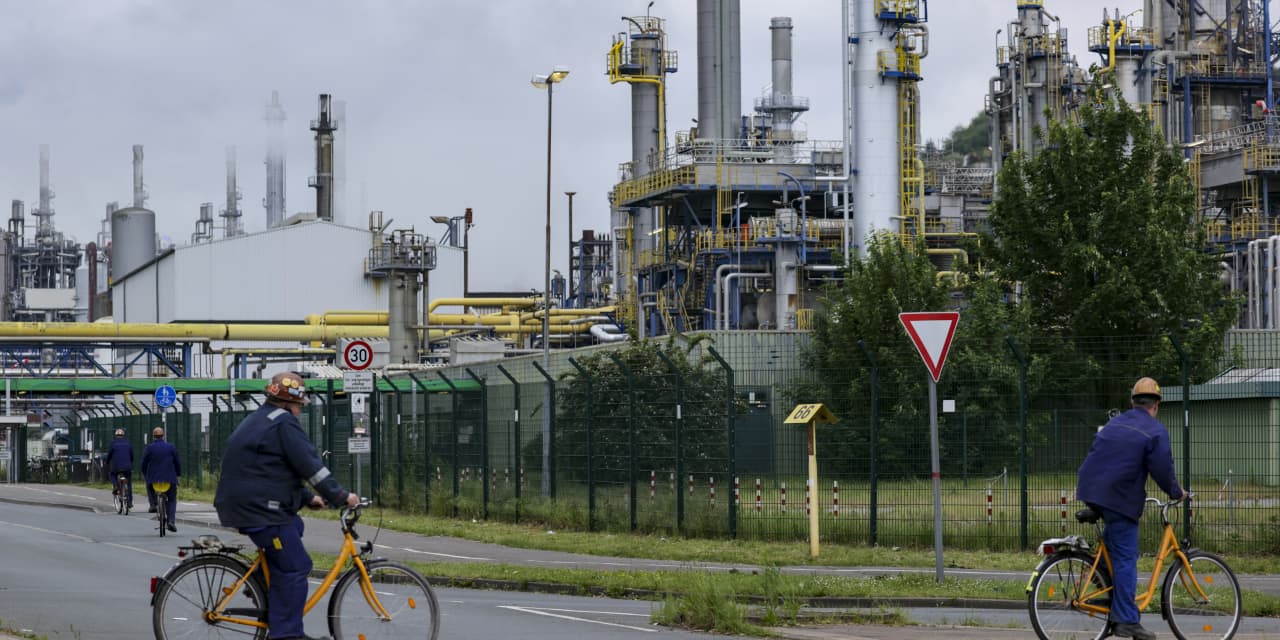
- Market Recovery: On Tuesday afternoon, energy stocks broadly rose, with the NYSE Energy Sector Index increasing by 1.7%, reflecting a gradual recovery in market confidence towards the energy sector, likely driven by rising oil prices and improved demand expectations.
- Investor Sentiment Improvement: The rise in energy stocks indicates a notable improvement in investor sentiment, suggesting a more optimistic outlook on future energy demand, which could attract more capital into the sector and further drive stock prices upward.
- Positive Industry Outlook: The strong performance of the energy sector may signal signs of economic recovery, especially as the global economy gradually rebounds, leading to sustained growth in energy demand and better profit prospects for related companies.
- Technical Support: The increase in energy stocks is also supported by technical factors, with many stocks breaking through key resistance levels, enhancing market confidence in the sector and potentially attracting more attention from both short-term and long-term investors.
BP Sells Non-Operated Interest in Bay du Nord Project

- Asset Sale Decision: BP has decided to sell its non-operated interest in the Bay du Nord project offshore Newfoundland and Labrador to Equinor, aiming for portfolio simplification and disciplined capital allocation to enhance overall operational efficiency.
- Partnership Value: The partnership between BP and Equinor in the Bay du Nord project is highly valued, with BP executives noting significant progress in project development, yet emphasizing the need to focus on opportunities that create the most value.
- Project Background: The Bay du Nord project is located in the Flemish Pass Basin, approximately 500 kilometers offshore Newfoundland and Labrador, with BP holding an average working interest of 37.212% across 10 licenses, while Equinor serves as the operator.
- Continued Exploration: Despite the sale of its non-operated interest, BP will retain 100% interest in two exploration licenses offshore Newfoundland and Labrador, indicating its ongoing commitment to exploration in the region.

BP Sells 37.2% Stake in Bay du Nord to Equinor
- Stake Sale: BP has agreed to sell its 37.2% interest in the Bay du Nord project offshore Newfoundland and Labrador to Equinor, making the Norwegian company the sole owner, which is expected to enhance BP's profitability despite undisclosed financial terms.
- Capital Focus: This transaction aligns with BP's strategy to concentrate capital on higher-return oil and gas projects, as the company retains 100% ownership of two offshore exploration licenses in Newfoundland and Labrador, ensuring continued involvement in the region.
- Project Advancement: Equinor will continue to mature the Bay du Nord project towards a final investment decision targeted for early 2027, with the development expected to tap over 400 million barrels of oil in its initial phase, indicating significant long-term potential.
- Investment Requirement: The estimated investment for the Bay du Nord project is around C$14 billion (US$9.84 billion), with production expected to start in 2031, reflecting Equinor's confidence and strategic positioning in the future oil and gas market.

Six Institutional Investors Urge EU to Oppose Arctic Oil and Gas Expansion

- Investor Coalition: Six institutional investors, including Swedbank Robur Fonder AB and French pension fund Ircantec, have united to urge the EU to maintain its opposition to Arctic oil and gas expansion, demonstrating a strong commitment to the green transition with total assets under management exceeding €1 trillion, highlighting their significant influence on EU policy.
- Increased Policy Pressure: The total number of investors opposing Arctic oil and gas expansion has now reached 200, including businesses, scientists, trade unions, and NGOs, indicating growing pressure on the EU as it prepares to revise its Arctic policy over the summer.
- Norway's Position: Norway, as Western Europe's largest oil and gas producer, is advocating for the EU to lift the current ban on Arctic oil and gas production, arguing that extensive activities are already taking place in the Barents Sea, which could sway EU policy decisions.
- Sustainability Signal: Jacob Ehlerth Jorgensen, Head of ESG at Sampension, stated that the EU's stance on the Arctic sends an extremely important signal regarding its commitment to the green transition, emphasizing that companies and investors rely on clear and predictable policy signals for strategic planning.

Equinor ASA Resolves Share Capital Reduction
- Capital Reduction Resolution: On May 12, 2026, Equinor ASA's annual general meeting resolved to reduce the company's share capital by NOK 415,146,180 from NOK 6,392,018,780 to NOK 5,976,872,600 through the cancellation and redemption of 166,058,472 shares, reflecting the company's proactive approach to optimizing its capital structure.
- Registration Effective: The creditor notice period for the capital reduction has expired, and it was officially registered as effective with the Norwegian Register of Business Enterprises on July 2, 2026, marking the company's compliance and transparency in capital management.
- Share Structure Adjustment: Following the capital reduction, Equinor ASA's share capital stands at NOK 5,976,872,600, divided into 2,390,749,040 shares with a nominal value of NOK 2.50 each, which is expected to enhance earnings per share and shareholder returns.
- Disclosure Compliance: This information is subject to the disclosure requirements under Euronext Oslo Børs Rulebook II section 4.2.5.5 and Section 5-12 of the Norwegian Securities Trading Act, demonstrating the company's commitment to transparency for investors and the market.

Energy Stocks Decline on Wednesday Afternoon


- Energy Sector Decline: The NYSE Energy Sector Index fell by 0.9% on Wednesday afternoon, indicating a general weakness in energy stocks, likely influenced by investor concerns over potential demand slowdown.
- Market Sentiment Weakens: The widespread decline in energy stocks suggests a decrease in investor confidence regarding the global economic outlook, particularly as energy demand may be impacted by economic deceleration, leading to capital outflows from the sector.
- Investor Reactions: As energy prices become more volatile, investors may reassess their portfolios in the energy sector, seeking more stable investment opportunities, which could affect market liquidity in the short term.
- Uncertain Industry Outlook: The drop in energy stocks may signal challenges ahead for the industry, especially amid intensifying competition between renewable and traditional energy sources, necessitating companies to adjust strategies to navigate market changes.
Energy Stocks Rise as NYSE Energy Sector Index Gains 1.7%
- Market Recovery: On Tuesday afternoon, energy stocks broadly rose, with the NYSE Energy Sector Index increasing by 1.7%, reflecting a gradual recovery in market confidence towards the energy sector, likely driven by rising oil prices and improved demand expectations.
- Investor Sentiment Improvement: The rise in energy stocks indicates a notable improvement in investor sentiment, suggesting a more optimistic outlook on future energy demand, which could attract more capital into the sector and further drive stock prices upward.
- Positive Industry Outlook: The strong performance of the energy sector may signal signs of economic recovery, especially as the global economy gradually rebounds, leading to sustained growth in energy demand and better profit prospects for related companies.
- Technical Support: The increase in energy stocks is also supported by technical factors, with many stocks breaking through key resistance levels, enhancing market confidence in the sector and potentially attracting more attention from both short-term and long-term investors.
BP Sells Non-Operated Interest in Bay du Nord Project
- Asset Sale Decision: BP has decided to sell its non-operated interest in the Bay du Nord project offshore Newfoundland and Labrador to Equinor, aiming for portfolio simplification and disciplined capital allocation to enhance overall operational efficiency.
- Partnership Value: The partnership between BP and Equinor in the Bay du Nord project is highly valued, with BP executives noting significant progress in project development, yet emphasizing the need to focus on opportunities that create the most value.
- Project Background: The Bay du Nord project is located in the Flemish Pass Basin, approximately 500 kilometers offshore Newfoundland and Labrador, with BP holding an average working interest of 37.212% across 10 licenses, while Equinor serves as the operator.
- Continued Exploration: Despite the sale of its non-operated interest, BP will retain 100% interest in two exploration licenses offshore Newfoundland and Labrador, indicating its ongoing commitment to exploration in the region.
BP Sells 37.2% Stake in Bay du Nord to Equinor
- Stake Sale: BP has agreed to sell its 37.2% interest in the Bay du Nord project offshore Newfoundland and Labrador to Equinor, making the Norwegian company the sole owner, which is expected to enhance BP's profitability despite undisclosed financial terms.
- Capital Focus: This transaction aligns with BP's strategy to concentrate capital on higher-return oil and gas projects, as the company retains 100% ownership of two offshore exploration licenses in Newfoundland and Labrador, ensuring continued involvement in the region.
- Project Advancement: Equinor will continue to mature the Bay du Nord project towards a final investment decision targeted for early 2027, with the development expected to tap over 400 million barrels of oil in its initial phase, indicating significant long-term potential.
- Investment Requirement: The estimated investment for the Bay du Nord project is around C$14 billion (US$9.84 billion), with production expected to start in 2031, reflecting Equinor's confidence and strategic positioning in the future oil and gas market.
Six Institutional Investors Urge EU to Oppose Arctic Oil and Gas Expansion
- Investor Coalition: Six institutional investors, including Swedbank Robur Fonder AB and French pension fund Ircantec, have united to urge the EU to maintain its opposition to Arctic oil and gas expansion, demonstrating a strong commitment to the green transition with total assets under management exceeding €1 trillion, highlighting their significant influence on EU policy.
- Increased Policy Pressure: The total number of investors opposing Arctic oil and gas expansion has now reached 200, including businesses, scientists, trade unions, and NGOs, indicating growing pressure on the EU as it prepares to revise its Arctic policy over the summer.
- Norway's Position: Norway, as Western Europe's largest oil and gas producer, is advocating for the EU to lift the current ban on Arctic oil and gas production, arguing that extensive activities are already taking place in the Barents Sea, which could sway EU policy decisions.
- Sustainability Signal: Jacob Ehlerth Jorgensen, Head of ESG at Sampension, stated that the EU's stance on the Arctic sends an extremely important signal regarding its commitment to the green transition, emphasizing that companies and investors rely on clear and predictable policy signals for strategic planning.
Equinor ASA Resolves Share Capital Reduction
- Capital Reduction Resolution: On May 12, 2026, Equinor ASA's annual general meeting resolved to reduce the company's share capital by NOK 415,146,180 from NOK 6,392,018,780 to NOK 5,976,872,600 through the cancellation and redemption of 166,058,472 shares, reflecting the company's proactive approach to optimizing its capital structure.
- Registration Effective: The creditor notice period for the capital reduction has expired, and it was officially registered as effective with the Norwegian Register of Business Enterprises on July 2, 2026, marking the company's compliance and transparency in capital management.
- Share Structure Adjustment: Following the capital reduction, Equinor ASA's share capital stands at NOK 5,976,872,600, divided into 2,390,749,040 shares with a nominal value of NOK 2.50 each, which is expected to enhance earnings per share and shareholder returns.
- Disclosure Compliance: This information is subject to the disclosure requirements under Euronext Oslo Børs Rulebook II section 4.2.5.5 and Section 5-12 of the Norwegian Securities Trading Act, demonstrating the company's commitment to transparency for investors and the market.
Energy Stocks Decline on Wednesday Afternoon
- Energy Sector Decline: The NYSE Energy Sector Index fell by 0.9% on Wednesday afternoon, indicating a general weakness in energy stocks, likely influenced by investor concerns over potential demand slowdown.
- Market Sentiment Weakens: The widespread decline in energy stocks suggests a decrease in investor confidence regarding the global economic outlook, particularly as energy demand may be impacted by economic deceleration, leading to capital outflows from the sector.
- Investor Reactions: As energy prices become more volatile, investors may reassess their portfolios in the energy sector, seeking more stable investment opportunities, which could affect market liquidity in the short term.
- Uncertain Industry Outlook: The drop in energy stocks may signal challenges ahead for the industry, especially amid intensifying competition between renewable and traditional energy sources, necessitating companies to adjust strategies to navigate market changes.