Eli Lilly Expands Coverage for Obesity Medications
Eli Lilly's stock rose by 3.00% as it reached a 20-day high amid broader market declines in the Nasdaq-100 and S&P 500.
The company announced that its obesity medication portfolio will be covered by the three largest pharmacy benefit managers in the U.S., significantly increasing access to FDA-approved treatment options for millions of Americans. Starting June 1, eligible patients will pay as little as $25 per month for Foundayo and Zepbound, which is expected to significantly lower the financial burden on patients and promote broader adoption of these medications. The ATTAIN-1 and ATTAIN-2 clinical trials demonstrated that Foundayo led to an average weight loss of 27.3 pounds (12.4%) over 72 weeks, providing robust evidence of its efficacy and further solidifying Lilly's market position in obesity treatment.
This expansion in coverage is likely to enhance Eli Lilly's market share in the obesity treatment sector, especially as it addresses patient accessibility and affordability, potentially leading to increased sales and a stronger competitive position in the market.
Trade with 70% Backtested Accuracy
Analyst Views on LLY

About LLY
About the author

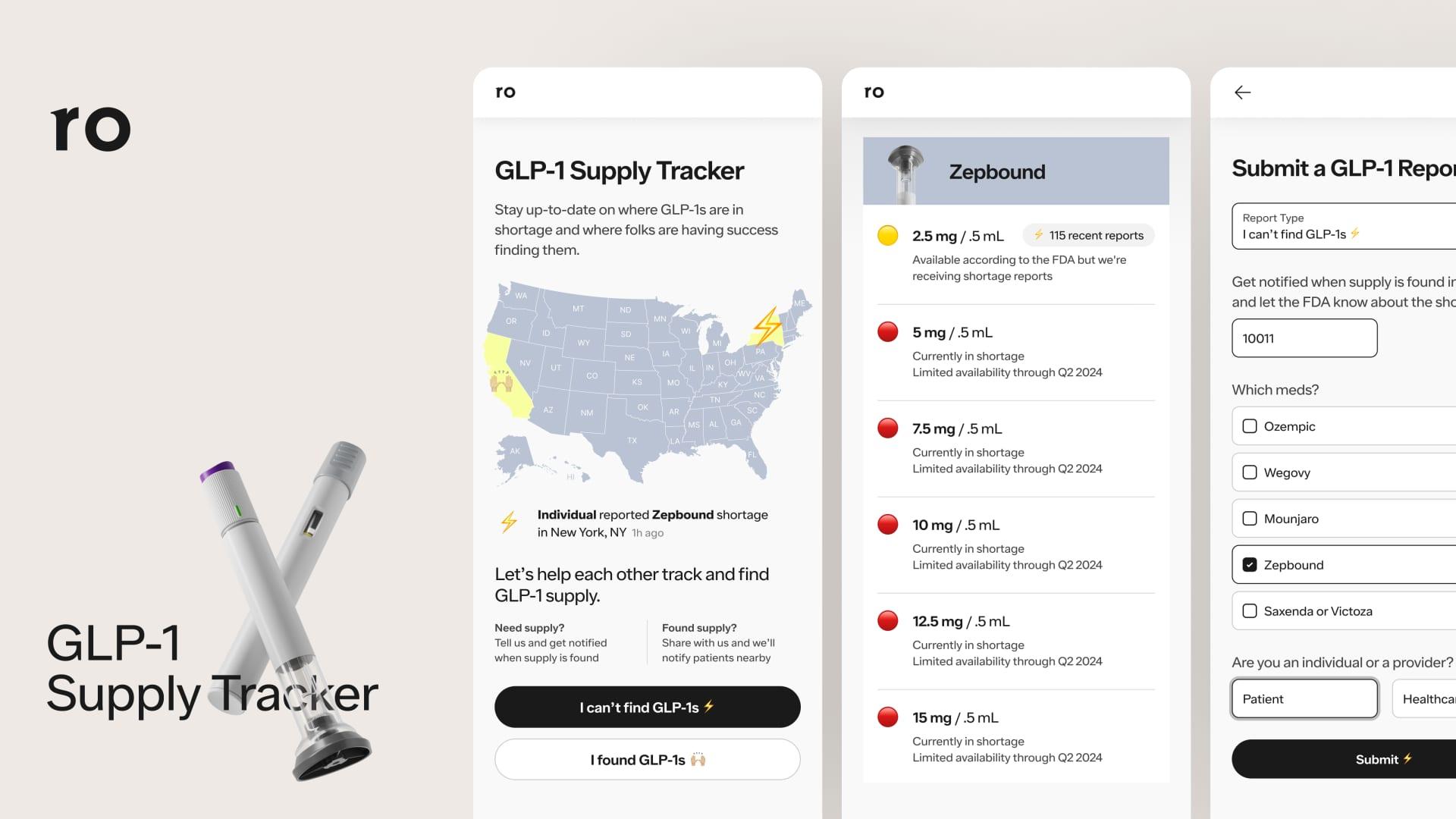
Eli Lilly Unveils New Research at Alzheimer's Conference
- New Clinical Evidence: Eli Lilly will present 16 abstracts at the 2026 Alzheimer's Association International Conference, including new clinical evidence on Kisunla (donanemab-azbt), highlighting its potential application in early symptomatic Alzheimer's patients, which could enhance the company's market share in this sector.
- Enhanced Diagnostic Performance: Research indicates that P-tau217 blood biomarker assays demonstrate strong performance in identifying Alzheimer's disease pathology in cognitively unimpaired individuals, providing a scalable and accessible alternative that may transform future diagnostic approaches and improve early intervention opportunities for patients.
- Advancements in Scientific Methodology: Eli Lilly will explore the comparison of external controls versus internal extrapolation in the TRAILBLAZER-ALZ 2 long-term extension study, emphasizing scientific rigor, which will help enhance the credibility of clinical trial outcomes and further solidify the company's leadership in Alzheimer's research.
- Long-Term Commitment: The conference showcases Eli Lilly's 35-year commitment to Alzheimer's disease science, reflecting its ongoing efforts to advance understanding and treatment innovations, which may bolster investor confidence in the company's future growth.
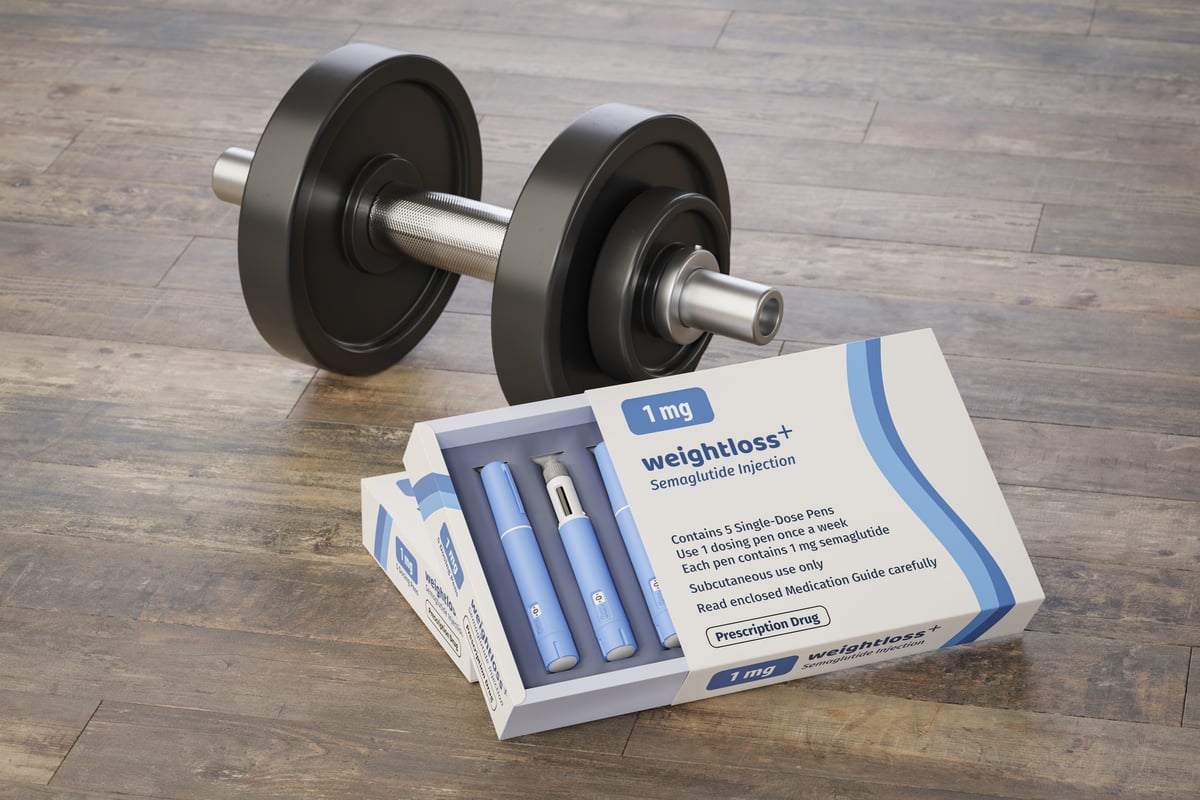
Surge in Popularity of GLP-1 Drugs
- Significant Usage Increase: Gallup's survey indicates that 11% of U.S. adults are currently using GLP-1 medications for weight loss, a substantial rise from 3% in 2024, reflecting a sharp increase in market demand that could drive sales for related companies.
- Record Sales Figures: Eli Lilly reported combined sales of $12.9 billion for Mounjaro and Zepbound in Q1, contributing to a total revenue of $19.8 billion, which is a 56% year-over-year increase, showcasing its strong performance and growing market share in the GLP-1 sector.
- New Drug Approval Boosts Growth: Lilly's new oral weight loss drug, Foundayo, was approved and became available in early April, likely attracting more consumers and further boosting GLP-1 drug sales, especially among those less comfortable with injectable options.
- Stock Price Surge: Lilly's stock has risen approximately 14% year-to-date, surpassing a market capitalization of $1 trillion; despite a high P/E ratio of 43, the company's robust growth potential and the rising popularity of GLP-1 drugs instill confidence in investors.
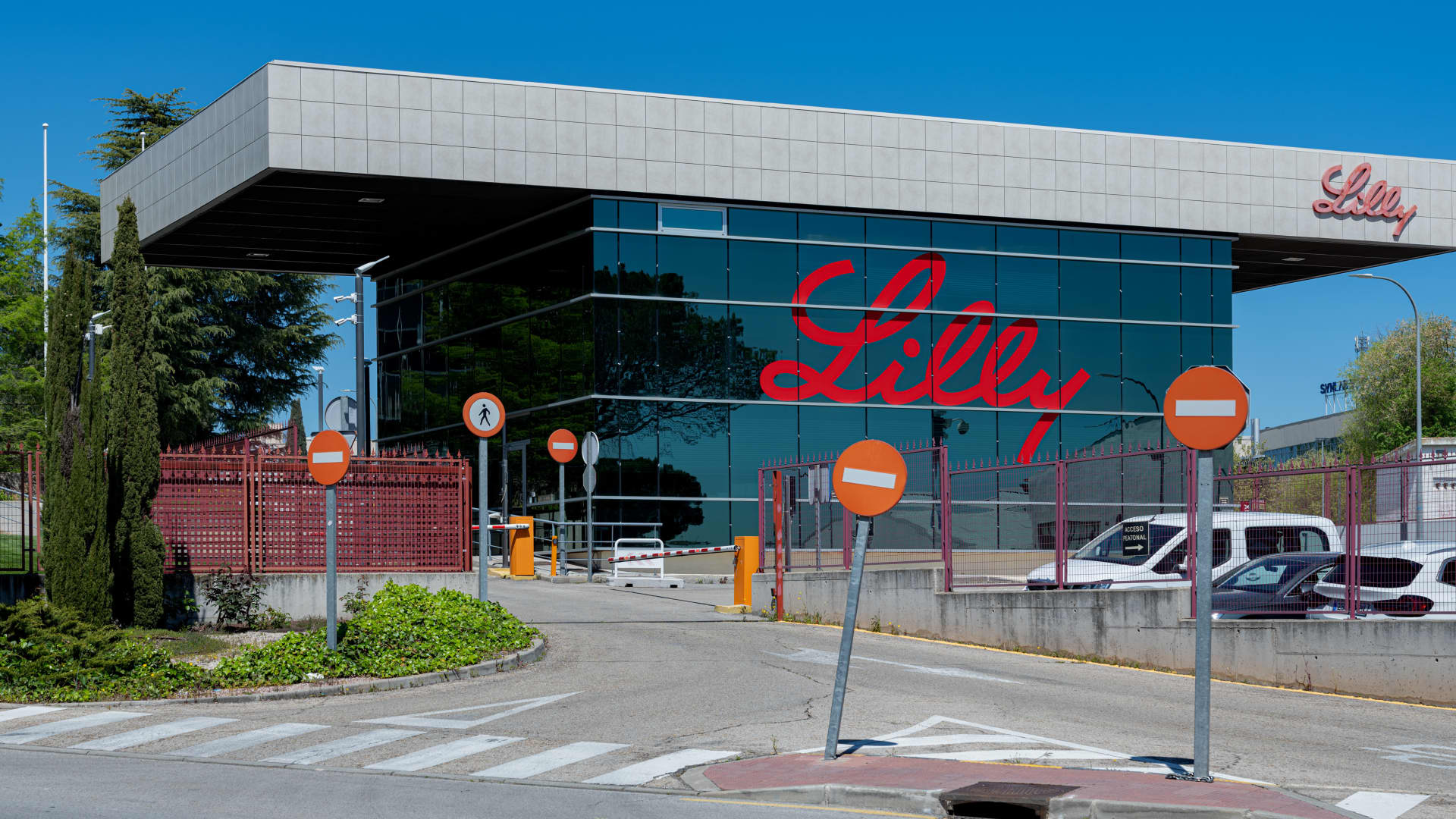
Eli Lilly's International Market Growth Surges
- International Sales Surge: Eli Lilly's international GLP-1 sales exceeded $4.8 billion in 2025, showing significant growth compared to last year, which is expected to further boost the company's overall performance.
- Market Share Increase: As of Q1 2026, Lilly holds a 53% share of the international GLP-1 market and a 60% share in the U.S., indicating the company's growing competitiveness on a global scale.
- Analyst Optimism: Both JPMorgan and RBC Capital Markets raised their price targets for Lilly, with JPMorgan increasing from $1,300 to $1,400 and RBC from $1,250 to $1,500, reflecting strong market confidence in its future performance.
- New Product Launch: Lilly's next-generation oral GLP-1 drug Foundayo is expected to generate $980 million in revenue by 2026, further diversifying its product line and enhancing its competitive edge in international markets.
Market Dynamics and Company Analysis in US Stocks

- SK Hynix IPO Surge: SK Hynix's U.S. stock listing is oversubscribed by more than seven times, aiming to raise $28 billion, reflecting strong market confidence in its growth prospects while raising concerns about potential oversupply in debt and equity that could pressure the bull market.
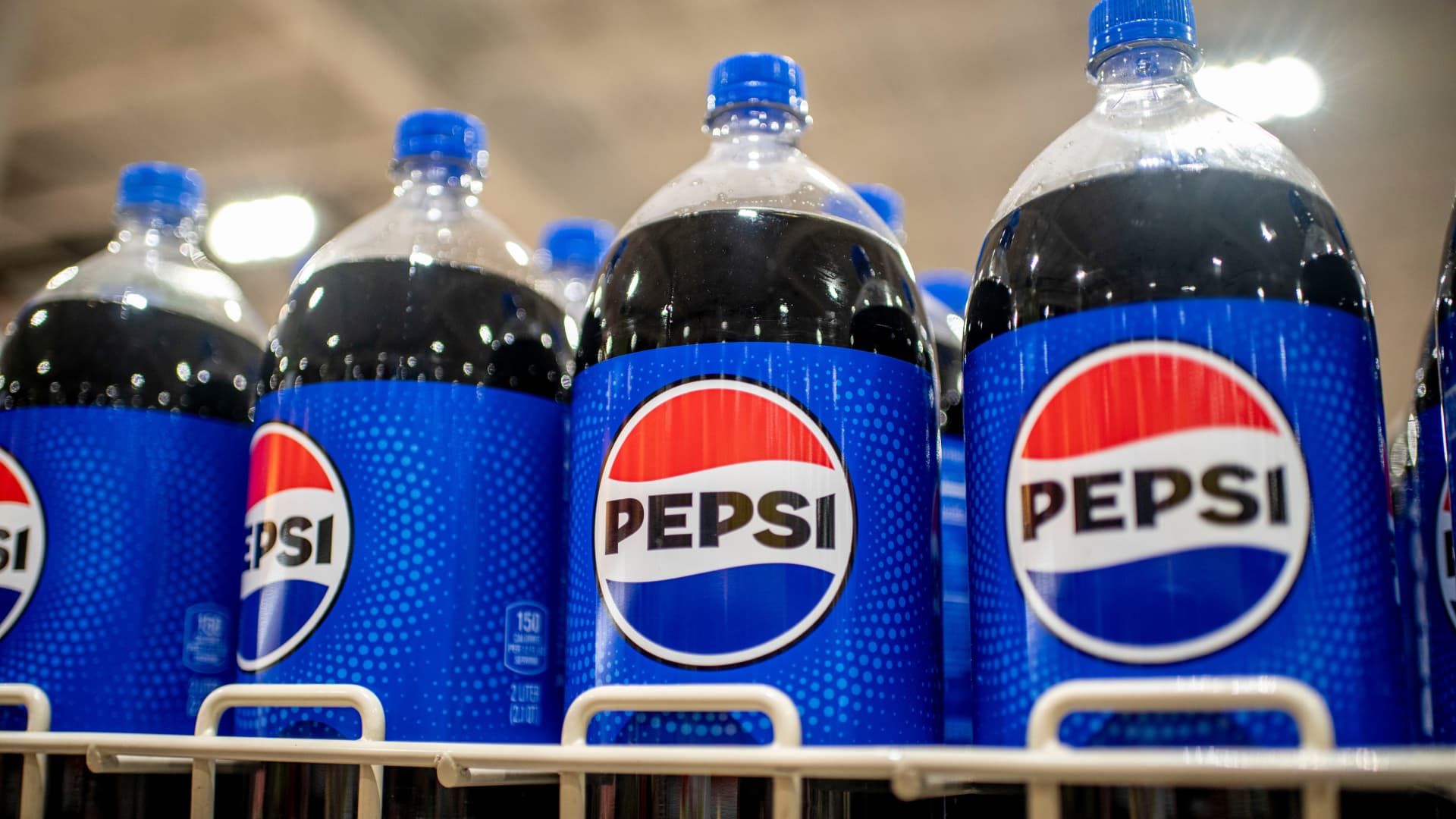
- PepsiCo Earnings Report: PepsiCo reported a slight earnings miss but beat revenue expectations, with its North American beverage business standing out; however, the company warned of rising input costs in the second half, which could impact future profitability.
- Five Below Rating Upgrade: Five Below was upgraded from hold to buy by Mizuho Securities, as analysts noted that despite a nearly 30% drop from its April peak, the company is retaining customers well, indicating strong future growth potential.
- AstraZeneca Drug Failure Impact: AstraZeneca's heart disease drug Wainua failed to meet targets in a late-stage clinical trial, causing its stock to drop about 8%, while shares of co-developer Ionis Pharmaceuticals fell nearly 20%, highlighting market sensitivity to new drug development risks.
Eli Lilly Unveils New Research at Alzheimer's Conference
- New Clinical Evidence: Eli Lilly will present 16 abstracts at the 2026 Alzheimer's Association International Conference, including new data on Kisunla (donanemab-azbt) that emphasizes its safety and potential durability of clinical benefits in early symptomatic Alzheimer's patients, reflecting the company's long-term commitment to Alzheimer's research.
- Enhanced Diagnostic Performance: Research indicates that P-tau217 blood biomarker assays demonstrate strong rule-in performance comparable to amyloid PET for identifying Alzheimer's disease pathology in cognitively unimpaired individuals, providing support for a potentially scalable and accessible alternative for early diagnosis in the future.
- Advancements in Scientific Methodology: Dr. Lars Raket from Eli Lilly will discuss the comparison of external controls versus internal extrapolation at the conference, highlighting the importance of measuring and interpreting long-term outcomes in Alzheimer's clinical trials, further solidifying the company's commitment to scientific rigor.
- Patient-Centered Research: The conference research spans health economics, real-world prescribing evidence, and patient-centered outcomes, showcasing Eli Lilly's 35 years of sustained investment in Alzheimer's science aimed at addressing unanswered questions in the field.

Novo Nordisk Launches Weekly Insulin Injection Awiqli in India
- Significant Market Demand: With over 101 million diabetes patients and 136 million prediabetics in India, the launch of Awiqli addresses a critical market need, potentially improving treatment access for millions.
- Innovative Product Advantage: As the world's first once-weekly basal insulin, Awiqli reduces the annual injection frequency from 365 to 52, significantly alleviating the injection burden on patients, which is expected to enhance adherence and quality of life.
- Competitive Market Landscape: Awiqli will compete with established basal insulin brands like Sanofi's Lantus and lower-cost insulin products from domestic manufacturers, potentially influencing overall market pricing dynamics.
- Industry Growth Potential: According to IMARC, India's insulin market is projected to grow from $660.5 million in 2025 to $916.4 million by 2034, and Awiqli's introduction is likely to further accelerate this growth amid rising diabetes prevalence.
Eli Lilly Unveils New Research at Alzheimer's Conference
- New Clinical Evidence: Eli Lilly will present 16 abstracts at the 2026 Alzheimer's Association International Conference, including new clinical evidence on Kisunla (donanemab-azbt), highlighting its potential application in early symptomatic Alzheimer's patients, which could enhance the company's market share in this sector.
- Enhanced Diagnostic Performance: Research indicates that P-tau217 blood biomarker assays demonstrate strong performance in identifying Alzheimer's disease pathology in cognitively unimpaired individuals, providing a scalable and accessible alternative that may transform future diagnostic approaches and improve early intervention opportunities for patients.
- Advancements in Scientific Methodology: Eli Lilly will explore the comparison of external controls versus internal extrapolation in the TRAILBLAZER-ALZ 2 long-term extension study, emphasizing scientific rigor, which will help enhance the credibility of clinical trial outcomes and further solidify the company's leadership in Alzheimer's research.
- Long-Term Commitment: The conference showcases Eli Lilly's 35-year commitment to Alzheimer's disease science, reflecting its ongoing efforts to advance understanding and treatment innovations, which may bolster investor confidence in the company's future growth.
Surge in Popularity of GLP-1 Drugs
- Significant Usage Increase: Gallup's survey indicates that 11% of U.S. adults are currently using GLP-1 medications for weight loss, a substantial rise from 3% in 2024, reflecting a sharp increase in market demand that could drive sales for related companies.
- Record Sales Figures: Eli Lilly reported combined sales of $12.9 billion for Mounjaro and Zepbound in Q1, contributing to a total revenue of $19.8 billion, which is a 56% year-over-year increase, showcasing its strong performance and growing market share in the GLP-1 sector.
- New Drug Approval Boosts Growth: Lilly's new oral weight loss drug, Foundayo, was approved and became available in early April, likely attracting more consumers and further boosting GLP-1 drug sales, especially among those less comfortable with injectable options.
- Stock Price Surge: Lilly's stock has risen approximately 14% year-to-date, surpassing a market capitalization of $1 trillion; despite a high P/E ratio of 43, the company's robust growth potential and the rising popularity of GLP-1 drugs instill confidence in investors.
Eli Lilly's International Market Growth Surges
- International Sales Surge: Eli Lilly's international GLP-1 sales exceeded $4.8 billion in 2025, showing significant growth compared to last year, which is expected to further boost the company's overall performance.
- Market Share Increase: As of Q1 2026, Lilly holds a 53% share of the international GLP-1 market and a 60% share in the U.S., indicating the company's growing competitiveness on a global scale.
- Analyst Optimism: Both JPMorgan and RBC Capital Markets raised their price targets for Lilly, with JPMorgan increasing from $1,300 to $1,400 and RBC from $1,250 to $1,500, reflecting strong market confidence in its future performance.
- New Product Launch: Lilly's next-generation oral GLP-1 drug Foundayo is expected to generate $980 million in revenue by 2026, further diversifying its product line and enhancing its competitive edge in international markets.
Market Dynamics and Company Analysis in US Stocks
- SK Hynix IPO Surge: SK Hynix's U.S. stock listing is oversubscribed by more than seven times, aiming to raise $28 billion, reflecting strong market confidence in its growth prospects while raising concerns about potential oversupply in debt and equity that could pressure the bull market.
- PepsiCo Earnings Report: PepsiCo reported a slight earnings miss but beat revenue expectations, with its North American beverage business standing out; however, the company warned of rising input costs in the second half, which could impact future profitability.
- Five Below Rating Upgrade: Five Below was upgraded from hold to buy by Mizuho Securities, as analysts noted that despite a nearly 30% drop from its April peak, the company is retaining customers well, indicating strong future growth potential.
- AstraZeneca Drug Failure Impact: AstraZeneca's heart disease drug Wainua failed to meet targets in a late-stage clinical trial, causing its stock to drop about 8%, while shares of co-developer Ionis Pharmaceuticals fell nearly 20%, highlighting market sensitivity to new drug development risks.
Eli Lilly Unveils New Research at Alzheimer's Conference
- New Clinical Evidence: Eli Lilly will present 16 abstracts at the 2026 Alzheimer's Association International Conference, including new data on Kisunla (donanemab-azbt) that emphasizes its safety and potential durability of clinical benefits in early symptomatic Alzheimer's patients, reflecting the company's long-term commitment to Alzheimer's research.
- Enhanced Diagnostic Performance: Research indicates that P-tau217 blood biomarker assays demonstrate strong rule-in performance comparable to amyloid PET for identifying Alzheimer's disease pathology in cognitively unimpaired individuals, providing support for a potentially scalable and accessible alternative for early diagnosis in the future.
- Advancements in Scientific Methodology: Dr. Lars Raket from Eli Lilly will discuss the comparison of external controls versus internal extrapolation at the conference, highlighting the importance of measuring and interpreting long-term outcomes in Alzheimer's clinical trials, further solidifying the company's commitment to scientific rigor.
- Patient-Centered Research: The conference research spans health economics, real-world prescribing evidence, and patient-centered outcomes, showcasing Eli Lilly's 35 years of sustained investment in Alzheimer's science aimed at addressing unanswered questions in the field.
Novo Nordisk Launches Weekly Insulin Injection Awiqli in India
- Significant Market Demand: With over 101 million diabetes patients and 136 million prediabetics in India, the launch of Awiqli addresses a critical market need, potentially improving treatment access for millions.
- Innovative Product Advantage: As the world's first once-weekly basal insulin, Awiqli reduces the annual injection frequency from 365 to 52, significantly alleviating the injection burden on patients, which is expected to enhance adherence and quality of life.
- Competitive Market Landscape: Awiqli will compete with established basal insulin brands like Sanofi's Lantus and lower-cost insulin products from domestic manufacturers, potentially influencing overall market pricing dynamics.
- Industry Growth Potential: According to IMARC, India's insulin market is projected to grow from $660.5 million in 2025 to $916.4 million by 2034, and Awiqli's introduction is likely to further accelerate this growth amid rising diabetes prevalence.