Dexcom Reports 22% Revenue Growth Amid Challenges
Dexcom Inc's stock rose 3.01% as it reached a 20-day high, reflecting positive investor sentiment.
The company reported a 22% year-over-year revenue growth to $1.2 billion in Q3 2024, indicating strong market demand despite facing product recall issues. Dexcom's customer base expanded to approximately 2.8 to 2.9 million, with expectations for continued growth in 2025. The limited impact of the recall on overall performance and the introduction of the new Stelo product for non-insulin users further enhance the company's growth prospects.
This strong revenue growth reinforces Dexcom's leadership in the diabetes monitoring market and highlights the significant market potential as many diabetes patients have yet to adopt continuous glucose monitoring technology.
Trade with 70% Backtested Accuracy
Analyst Views on DXCM

About DXCM
About the author

Signos Secures $20 Million Funding to Expand Market Presence

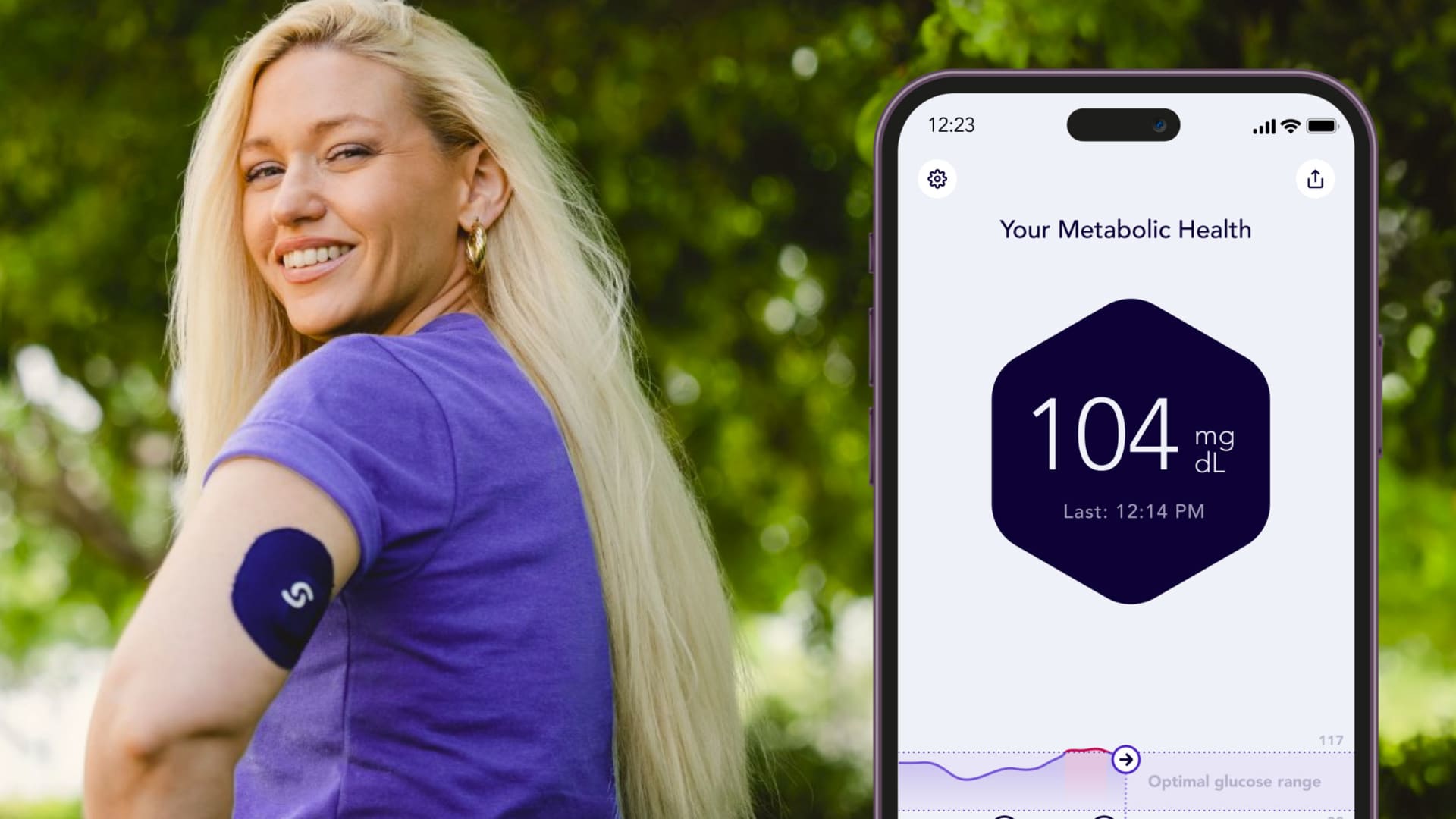
- Funding Expansion: Health tech startup Signos announced a $20 million funding round aimed at solidifying its foothold in the GLP-1-driven weight loss market while expanding its partnership with medical device giant Dexcom, reflecting strong market confidence in its offerings.
- Distribution Agreement: This funding includes a new distribution deal with Dexcom to feature Signos' subscription plans on Dexcom's direct-to-consumer site, which is expected to significantly enhance user acquisition and brand visibility, boosting the company's competitiveness in the rapidly growing weight loss market.
- AI Technology Innovation: Signos plans to use the new funding to expand its predictive AI features, such as meal scoring, which monitors how users' dietary choices affect glucose levels in real-time, providing personalized health recommendations to help users achieve sustainable weight loss goals.
- Market Potential: According to JP Morgan, it is estimated that by 2030, around 25 million Americans will be on GLP-1 drugs, and Signos' service can not only complement drug treatments but also serve as a standalone weight loss system, addressing the increasing market demand.

Signos Secures $20 Million Funding and Expands Partnership with Dexcom

- Funding Expansion: Health tech startup Signos announced a $20 million funding round, solidifying its position in the GLP-1-driven weight loss market while expanding its partnership with medical device giant Dexcom, reflecting investor confidence in its growth potential.
- First FDA-Cleared Product: The AI-powered glucose monitoring system developed by Signos is expected to receive FDA clearance in 2025, becoming the first product focused on healthy weight loss, marking a significant innovation breakthrough in health management.
- New Distribution Agreement: This funding round includes a new distribution deal with Dexcom to feature Signos' subscription plans on Dexcom's direct-to-consumer site, which is anticipated to significantly enhance user acquisition and market penetration to meet the rising demand for weight loss solutions.
- AI Feature Expansion: The fresh funding will also be directed towards expanding predictive AI features, such as meal scoring, which helps users predict the impact of specific foods on their glucose levels before consumption, thereby driving behavior change and enhancing user experience and market competitiveness.

DexCom Reports Theft of Condemned G7 Devices
- Theft Incident: DexCom reported the theft and resale of two condemned lots of G7 devices, which are unfit for patient use and pose an increased risk of skin infections, potentially damaging the company's reputation and customer trust.
- Testing Failure Rate: An elevated internal testing failure rate in one of the lots may result in no sensor readings, raising further concerns about patient safety and potentially impacting future sales and market share.
- Supply Chain Alert: DexCom has warned vendors who purchased devices from Pharmsource LLC, emphasizing the company's commitment to product safety while notifying affected customers to mitigate potential legal liabilities.
- Stock Price Reaction: Despite the negative news surrounding the theft, DexCom's stock price rose slightly by 0.33%, currently trading at $72.33, indicating some market confidence in the company's long-term outlook.
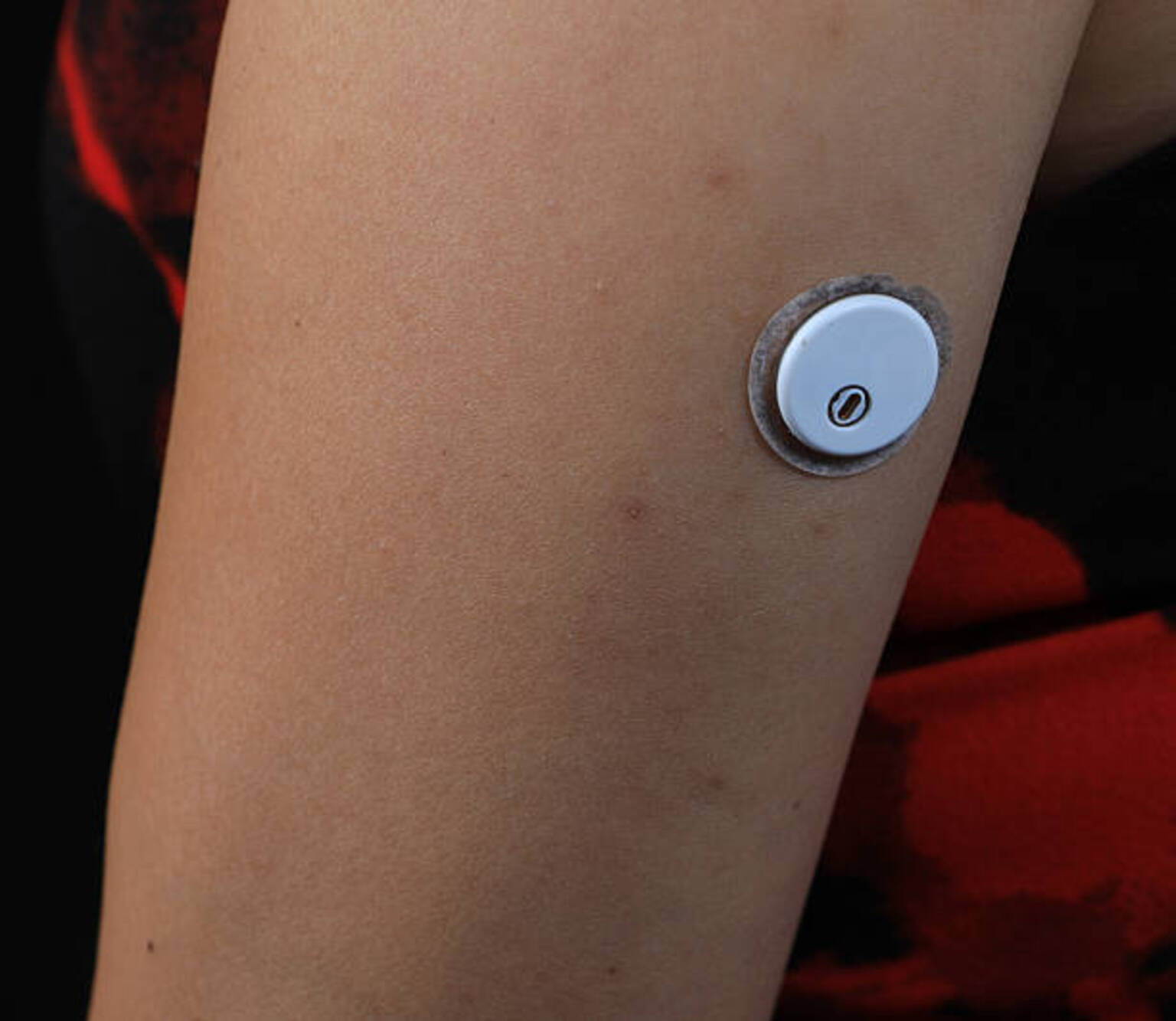
DexCom G7 Sensors Stolen and Resold by Unauthorized Distributors
- Theft Incident: DexCom reported that some G7 sensors, which were supposed to be scrapped, were stolen and resold, with two lots identified as having been used by customers, indicating a significant supply chain management failure.
- Unauthorized Distributor: The investigation revealed that the stolen sensors were sold through Pharmsource, LLC, a non-authorized distributor supplying independent pharmacies and durable medical equipment distributors, potentially damaging the brand's reputation.
- Quality Control Issues: DexCom noted that certain sensors were routinely routed to scrap due to not meeting quality control standards, highlighting challenges in product quality management and supply chain security.
- Market Reaction: This incident may negatively impact DexCom's sales and market trust, prompting investors to monitor how the company addresses this crisis and its potential implications for future performance.
Dexcom Discovers Theft of Glucose Sensors
- Theft Incident: Dexcom identified through quality reviews that two lots of Dexcom G7 sensors were stolen during the destruction process and sold by third parties, impacting user safety and necessitating close collaboration with the FDA and other authorities to ensure user safety.
- Affected Lots: The stolen lots include 1725204004, which poses a risk of skin infection, and 1725069002, which may not provide sensor readings; Dexcom has notified customers and advised them to stop using these sensors to prevent potential harm.
- Sales Channel Investigation: Dexcom traced the sales of the stolen products back to Pharmsource, LLC, an unauthorized distributor supplying some independent pharmacies and DME distributors, prompting Dexcom to request these pharmacies to carefully review their inventory for safety.
- User Communication Measures: Dexcom is directly notifying affected customers through various channels, prioritizing communication to US customers to ensure they understand how to identify affected sensors and request replacements, demonstrating the company's strong commitment to user trust and safety.

Market Capitalization Comparison: DexCom vs First Solar
- Market Cap Comparison: DexCom Inc has a market capitalization of $27.57 billion, compared to First Solar Inc's $25.56 billion, indicating DexCom's relative strength in the market, which may attract more attention from large investors.
- Investor Misconceptions: Many novice investors often mistakenly compare companies solely based on stock price, but market capitalization provides a more accurate assessment of company value, aiding investors in making more informed decisions.
- Market Positioning Impact: Market capitalization not only affects a company's ranking among peers but also determines which mutual funds and ETFs are willing to hold the stock, particularly as large funds tend to focus on companies valued over $10 billion.
- Stock Performance: As of Thursday's close, DexCom's stock rose approximately 0.6%, while First Solar's stock remained flat, reflecting positive market sentiment towards DexCom, which could further drive its market cap growth.
Signos Secures $20 Million Funding to Expand Market Presence
- Funding Expansion: Health tech startup Signos announced a $20 million funding round aimed at solidifying its foothold in the GLP-1-driven weight loss market while expanding its partnership with medical device giant Dexcom, reflecting strong market confidence in its offerings.
- Distribution Agreement: This funding includes a new distribution deal with Dexcom to feature Signos' subscription plans on Dexcom's direct-to-consumer site, which is expected to significantly enhance user acquisition and brand visibility, boosting the company's competitiveness in the rapidly growing weight loss market.
- AI Technology Innovation: Signos plans to use the new funding to expand its predictive AI features, such as meal scoring, which monitors how users' dietary choices affect glucose levels in real-time, providing personalized health recommendations to help users achieve sustainable weight loss goals.
- Market Potential: According to JP Morgan, it is estimated that by 2030, around 25 million Americans will be on GLP-1 drugs, and Signos' service can not only complement drug treatments but also serve as a standalone weight loss system, addressing the increasing market demand.
Signos Secures $20 Million Funding and Expands Partnership with Dexcom
- Funding Expansion: Health tech startup Signos announced a $20 million funding round, solidifying its position in the GLP-1-driven weight loss market while expanding its partnership with medical device giant Dexcom, reflecting investor confidence in its growth potential.
- First FDA-Cleared Product: The AI-powered glucose monitoring system developed by Signos is expected to receive FDA clearance in 2025, becoming the first product focused on healthy weight loss, marking a significant innovation breakthrough in health management.
- New Distribution Agreement: This funding round includes a new distribution deal with Dexcom to feature Signos' subscription plans on Dexcom's direct-to-consumer site, which is anticipated to significantly enhance user acquisition and market penetration to meet the rising demand for weight loss solutions.
- AI Feature Expansion: The fresh funding will also be directed towards expanding predictive AI features, such as meal scoring, which helps users predict the impact of specific foods on their glucose levels before consumption, thereby driving behavior change and enhancing user experience and market competitiveness.
DexCom Reports Theft of Condemned G7 Devices
- Theft Incident: DexCom reported the theft and resale of two condemned lots of G7 devices, which are unfit for patient use and pose an increased risk of skin infections, potentially damaging the company's reputation and customer trust.
- Testing Failure Rate: An elevated internal testing failure rate in one of the lots may result in no sensor readings, raising further concerns about patient safety and potentially impacting future sales and market share.
- Supply Chain Alert: DexCom has warned vendors who purchased devices from Pharmsource LLC, emphasizing the company's commitment to product safety while notifying affected customers to mitigate potential legal liabilities.
- Stock Price Reaction: Despite the negative news surrounding the theft, DexCom's stock price rose slightly by 0.33%, currently trading at $72.33, indicating some market confidence in the company's long-term outlook.
DexCom G7 Sensors Stolen and Resold by Unauthorized Distributors
- Theft Incident: DexCom reported that some G7 sensors, which were supposed to be scrapped, were stolen and resold, with two lots identified as having been used by customers, indicating a significant supply chain management failure.
- Unauthorized Distributor: The investigation revealed that the stolen sensors were sold through Pharmsource, LLC, a non-authorized distributor supplying independent pharmacies and durable medical equipment distributors, potentially damaging the brand's reputation.
- Quality Control Issues: DexCom noted that certain sensors were routinely routed to scrap due to not meeting quality control standards, highlighting challenges in product quality management and supply chain security.
- Market Reaction: This incident may negatively impact DexCom's sales and market trust, prompting investors to monitor how the company addresses this crisis and its potential implications for future performance.
Dexcom Discovers Theft of Glucose Sensors
- Theft Incident: Dexcom identified through quality reviews that two lots of Dexcom G7 sensors were stolen during the destruction process and sold by third parties, impacting user safety and necessitating close collaboration with the FDA and other authorities to ensure user safety.
- Affected Lots: The stolen lots include 1725204004, which poses a risk of skin infection, and 1725069002, which may not provide sensor readings; Dexcom has notified customers and advised them to stop using these sensors to prevent potential harm.
- Sales Channel Investigation: Dexcom traced the sales of the stolen products back to Pharmsource, LLC, an unauthorized distributor supplying some independent pharmacies and DME distributors, prompting Dexcom to request these pharmacies to carefully review their inventory for safety.
- User Communication Measures: Dexcom is directly notifying affected customers through various channels, prioritizing communication to US customers to ensure they understand how to identify affected sensors and request replacements, demonstrating the company's strong commitment to user trust and safety.
Market Capitalization Comparison: DexCom vs First Solar
- Market Cap Comparison: DexCom Inc has a market capitalization of $27.57 billion, compared to First Solar Inc's $25.56 billion, indicating DexCom's relative strength in the market, which may attract more attention from large investors.
- Investor Misconceptions: Many novice investors often mistakenly compare companies solely based on stock price, but market capitalization provides a more accurate assessment of company value, aiding investors in making more informed decisions.
- Market Positioning Impact: Market capitalization not only affects a company's ranking among peers but also determines which mutual funds and ETFs are willing to hold the stock, particularly as large funds tend to focus on companies valued over $10 billion.
- Stock Performance: As of Thursday's close, DexCom's stock rose approximately 0.6%, while First Solar's stock remained flat, reflecting positive market sentiment towards DexCom, which could further drive its market cap growth.