Conagra Brands Appoints John Brase as New CEO
Conagra Brands' stock fell 3.23% and hit a 52-week low amid broader market weakness, with the Nasdaq-100 down 0.24% and the S&P 500 down 0.29%.
The company announced that John Brase will become the new CEO effective June 1, 2026, succeeding Sean Connolly. Brase brings over 35 years of consumer goods experience, having served as President and COO at J.M. Smucker, where he successfully drove growth in key brands. This leadership transition is expected to inject new growth momentum into Conagra, as the board aims to navigate challenges from the global pandemic and supply chain disruptions.
Brase's appointment reflects a strategic shift for Conagra, with expectations of accelerating revenue growth and margin enhancement. His extensive experience is anticipated to enhance brand value and meet consumer and shareholder expectations, which could positively influence the company's future performance.
Trade with 70% Backtested Accuracy
Analyst Views on CAG

About CAG
About the author

Conagra Brands to Release Fiscal 2026 Results on July 15
- Earnings Release Schedule: Conagra Brands will announce its fiscal 2026 fourth quarter and full-year results on July 15, 2026, highlighting the company's commitment to transparency and investor communication.
- Investor Engagement: A 30-minute live Q&A session will follow the release at 9:30 a.m. ET, aimed at enhancing interaction with investors and improving the company's image in the capital markets.
- Access Details: Investors can access related materials via the company website and dial in for the Q&A, ensuring broad dissemination of information and participation, reflecting the company's focus on investor relations.
- Company Overview: Conagra Brands is a leading branded food company in North America, generating nearly $12 billion in net sales for fiscal 2025, demonstrating its strong market position and ongoing growth potential in the food industry.
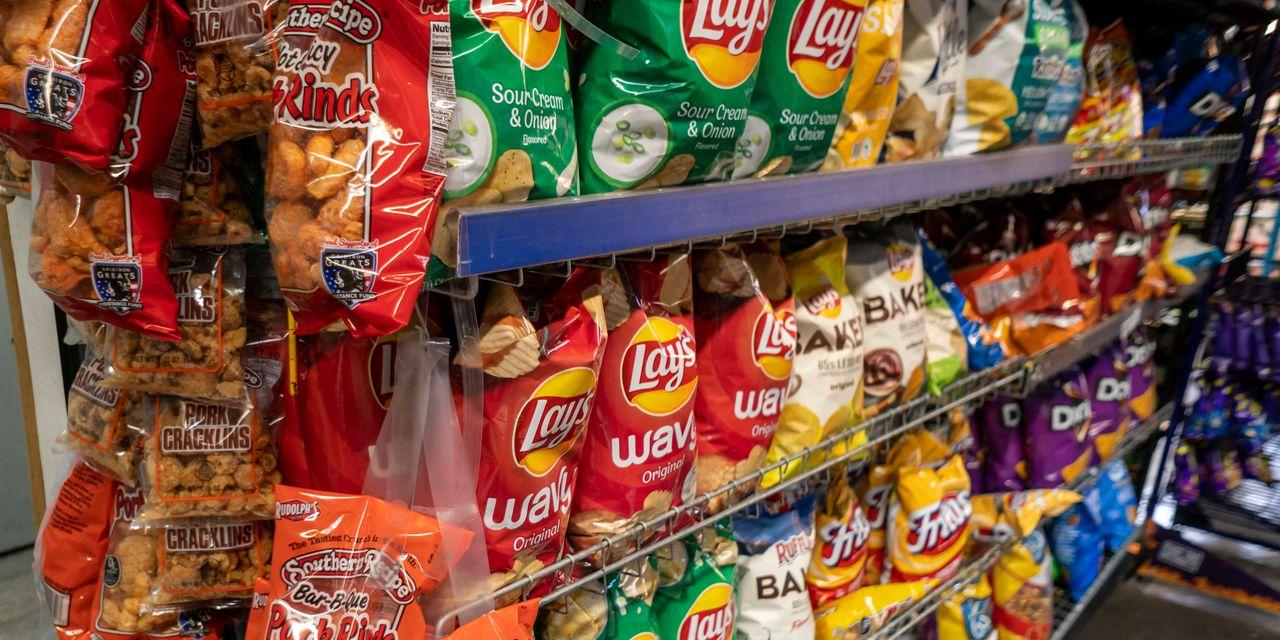
Conagra Brands to Release Fiscal 2026 Q4 and Full Year Results
- Earnings Release Schedule: Conagra Brands will announce its fiscal 2026 fourth quarter and full year results on July 15, 2026, providing a press release and supplemental materials to ensure timely access to key information for investors.
- Interactive Q&A Session: The event will feature a 30-minute live Q&A session scheduled for 9:30 a.m. ET, aimed at enhancing interaction with investors and increasing transparency.
- Access Details: Investors can access related materials via the company website and dial in to participate in the Q&A, ensuring global investor participation and reflecting the company's commitment to investor relations.
- Company Overview: Conagra Brands is a leading branded food company in North America, generating nearly $12 billion in net sales for fiscal 2025, showcasing its strong competitive position and innovation capabilities in a rapidly changing food market.
Market Dynamics and Company Performance Analysis

- Market Volatility Analysis: Following the S&P 500's record high, the market is slightly fluctuating due to uncertainties surrounding Iran and tariffs, indicating investor sensitivity to geopolitical risks that may affect short-term investment decisions.
- Cybersecurity Outlook: Palo Alto Networks experienced stock volatility post-earnings, as the CEO highlighted cybersecurity risks posed by artificial intelligence, yet market confidence in its future performance remains shaky, reflecting investor caution towards tech stocks.
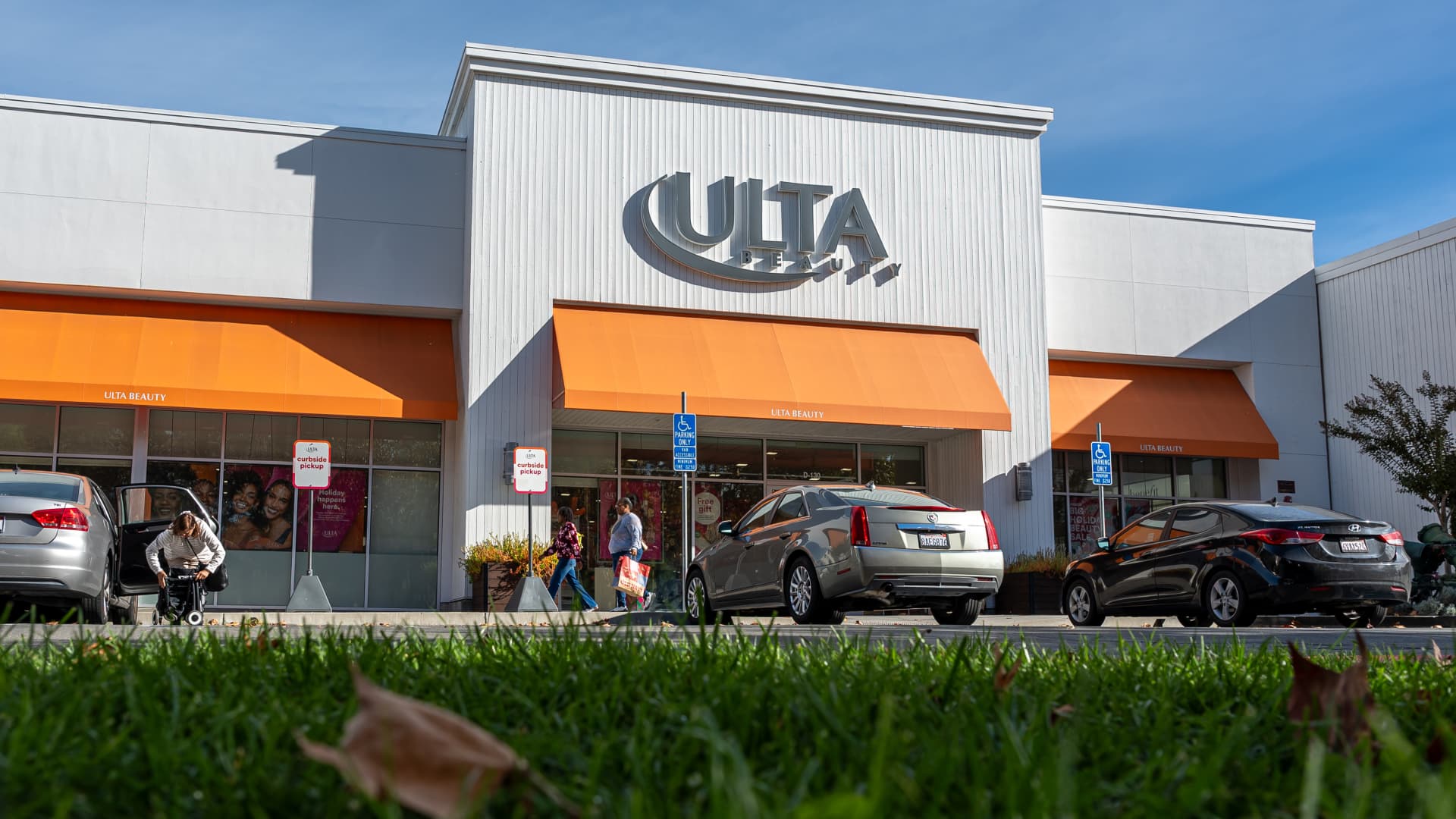
- Beauty Industry Growth: Ulta Beauty reported a 5.3% same-store sales growth in Q1, exceeding expectations and indicating consumer demand for value, although the stock has declined from its highs, suggesting market concerns about future growth.
- Telecom Industry Challenges: Oppenheimer downgraded AT&T to hold due to potential threats to long-term broadband subscriber growth from satellite internet competition, reflecting market worries about traditional telecom businesses and hinting at the impact of emerging technologies on the sector.
Wall Street's Latest Ratings Overview

- DigitalOcean Coverage Initiated: KeyBanc initiates coverage of DigitalOcean with an Overweight rating and a $200 price target, indicating significant room for expansion in the cloud computing market, which could enhance its growth trajectory.
- Omnicom Growth Outlook: Goldman Sachs rates Omnicom as a Buy, highlighting an 18% free cash flow yield and organic growth in its core business, suggesting it will outperform consensus EBIT and FCF estimates, reflecting strong performance in the advertising sector.
- SSR Mining Upgrade: RBC upgrades SSR Mining from Sector Perform to Outperform, citing strategic transactions that have reduced jurisdictional risk and exceptional financial liquidity, with cash representing one-third of market cap, indicating robust future growth potential.
- Apple's Positive Outlook: Goldman Sachs reiterates a Buy rating on Apple, anticipating the announcement of an AI-enhanced Siri at the upcoming Worldwide Developers Conference, which will include several delayed features, showcasing Apple's ongoing innovation in AI technology.
Oil Inflation Intensifies Pressure on Food Sector
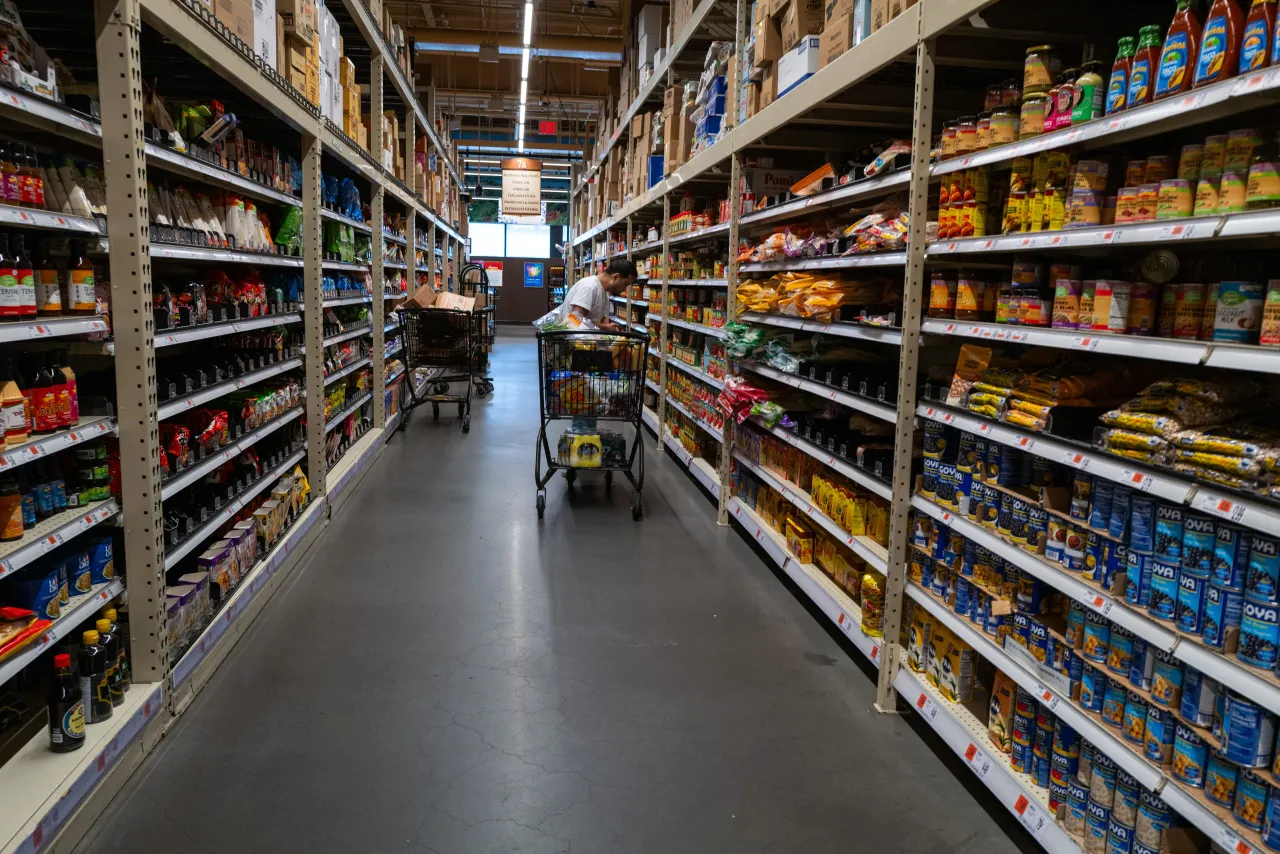
- Rising Oil Prices Impact Costs: Bernstein's analysis indicates that sustained oil inflation is driving up freight, agricultural, and packaging costs, which is expected to further compress profit margins for food companies amid increasing global economic uncertainty.
- Health Trends Apply Pressure: The rise of GLP-1 drugs and the 'Make America Healthy Again' movement are shifting consumer preferences, posing significant challenges for traditional packaged food companies, forcing them to adapt their product strategies to meet new consumer demands.
- Rating Downgrades Affect Stock Prices: Bernstein downgraded Campbell Soup, Conagra Brands, General Mills, and Kraft Heinz to 'Underperform', leading to a general decline in their stock prices during pre-market trading, reflecting market concerns about their future performance.
- Market Sentiment is Bearish: According to Stocktwits data, sentiment for Kraft Heinz is extremely bearish, while General Mills and Simply Good Foods also show bearish sentiment, indicating a lack of investor confidence in the packaged food sector, which exacerbates downward pressure on stock prices.
Boston Scientific and Others Face Stock Declines Amid Market Concerns

- Boston Scientific Stock Decline: Boston Scientific (BSX) shares fell to a 52-week low of $47.35 due to growing concerns over its U.S. Watchman heart-device franchise, with analysts cutting the price target to $70, reflecting anticipated slowdowns in 2026 and 2027 that negatively impact revenue and earnings.
- Lowe's Faces Weaker Growth Outlook: Lowe's (LOW) shares dropped to a new low of $207.55 as weaker growth expectations and a sluggish housing market weighed on prospects, despite first-quarter results beating estimates; high mortgage rates and inflation pressures continue to challenge the company.
- Conagra Brands New CEO Appointment: Conagra (CAG) shares hit a 52-week low of $13.10 amid investor concerns over growth prospects and profitability, as new CEO John Brase takes over, facing persistent inflation and weak consumer demand for packaged foods.
- Market Sentiment Shift: Despite BSX's stock dropping over 49%, retail sentiment on Stocktwits remains in the 'extremely bullish' territory, while Lowe's and CAG experience fluctuating sentiments due to market pressures, indicating cautious investor attitudes towards future performance.
Conagra Brands to Release Fiscal 2026 Results on July 15
- Earnings Release Schedule: Conagra Brands will announce its fiscal 2026 fourth quarter and full-year results on July 15, 2026, highlighting the company's commitment to transparency and investor communication.
- Investor Engagement: A 30-minute live Q&A session will follow the release at 9:30 a.m. ET, aimed at enhancing interaction with investors and improving the company's image in the capital markets.
- Access Details: Investors can access related materials via the company website and dial in for the Q&A, ensuring broad dissemination of information and participation, reflecting the company's focus on investor relations.
- Company Overview: Conagra Brands is a leading branded food company in North America, generating nearly $12 billion in net sales for fiscal 2025, demonstrating its strong market position and ongoing growth potential in the food industry.
Conagra Brands to Release Fiscal 2026 Q4 and Full Year Results
- Earnings Release Schedule: Conagra Brands will announce its fiscal 2026 fourth quarter and full year results on July 15, 2026, providing a press release and supplemental materials to ensure timely access to key information for investors.
- Interactive Q&A Session: The event will feature a 30-minute live Q&A session scheduled for 9:30 a.m. ET, aimed at enhancing interaction with investors and increasing transparency.
- Access Details: Investors can access related materials via the company website and dial in to participate in the Q&A, ensuring global investor participation and reflecting the company's commitment to investor relations.
- Company Overview: Conagra Brands is a leading branded food company in North America, generating nearly $12 billion in net sales for fiscal 2025, showcasing its strong competitive position and innovation capabilities in a rapidly changing food market.
Market Dynamics and Company Performance Analysis
- Market Volatility Analysis: Following the S&P 500's record high, the market is slightly fluctuating due to uncertainties surrounding Iran and tariffs, indicating investor sensitivity to geopolitical risks that may affect short-term investment decisions.
- Cybersecurity Outlook: Palo Alto Networks experienced stock volatility post-earnings, as the CEO highlighted cybersecurity risks posed by artificial intelligence, yet market confidence in its future performance remains shaky, reflecting investor caution towards tech stocks.
- Beauty Industry Growth: Ulta Beauty reported a 5.3% same-store sales growth in Q1, exceeding expectations and indicating consumer demand for value, although the stock has declined from its highs, suggesting market concerns about future growth.
- Telecom Industry Challenges: Oppenheimer downgraded AT&T to hold due to potential threats to long-term broadband subscriber growth from satellite internet competition, reflecting market worries about traditional telecom businesses and hinting at the impact of emerging technologies on the sector.
Wall Street's Latest Ratings Overview
- DigitalOcean Coverage Initiated: KeyBanc initiates coverage of DigitalOcean with an Overweight rating and a $200 price target, indicating significant room for expansion in the cloud computing market, which could enhance its growth trajectory.
- Omnicom Growth Outlook: Goldman Sachs rates Omnicom as a Buy, highlighting an 18% free cash flow yield and organic growth in its core business, suggesting it will outperform consensus EBIT and FCF estimates, reflecting strong performance in the advertising sector.
- SSR Mining Upgrade: RBC upgrades SSR Mining from Sector Perform to Outperform, citing strategic transactions that have reduced jurisdictional risk and exceptional financial liquidity, with cash representing one-third of market cap, indicating robust future growth potential.
- Apple's Positive Outlook: Goldman Sachs reiterates a Buy rating on Apple, anticipating the announcement of an AI-enhanced Siri at the upcoming Worldwide Developers Conference, which will include several delayed features, showcasing Apple's ongoing innovation in AI technology.
Oil Inflation Intensifies Pressure on Food Sector
- Rising Oil Prices Impact Costs: Bernstein's analysis indicates that sustained oil inflation is driving up freight, agricultural, and packaging costs, which is expected to further compress profit margins for food companies amid increasing global economic uncertainty.
- Health Trends Apply Pressure: The rise of GLP-1 drugs and the 'Make America Healthy Again' movement are shifting consumer preferences, posing significant challenges for traditional packaged food companies, forcing them to adapt their product strategies to meet new consumer demands.
- Rating Downgrades Affect Stock Prices: Bernstein downgraded Campbell Soup, Conagra Brands, General Mills, and Kraft Heinz to 'Underperform', leading to a general decline in their stock prices during pre-market trading, reflecting market concerns about their future performance.
- Market Sentiment is Bearish: According to Stocktwits data, sentiment for Kraft Heinz is extremely bearish, while General Mills and Simply Good Foods also show bearish sentiment, indicating a lack of investor confidence in the packaged food sector, which exacerbates downward pressure on stock prices.
Boston Scientific and Others Face Stock Declines Amid Market Concerns
- Boston Scientific Stock Decline: Boston Scientific (BSX) shares fell to a 52-week low of $47.35 due to growing concerns over its U.S. Watchman heart-device franchise, with analysts cutting the price target to $70, reflecting anticipated slowdowns in 2026 and 2027 that negatively impact revenue and earnings.
- Lowe's Faces Weaker Growth Outlook: Lowe's (LOW) shares dropped to a new low of $207.55 as weaker growth expectations and a sluggish housing market weighed on prospects, despite first-quarter results beating estimates; high mortgage rates and inflation pressures continue to challenge the company.
- Conagra Brands New CEO Appointment: Conagra (CAG) shares hit a 52-week low of $13.10 amid investor concerns over growth prospects and profitability, as new CEO John Brase takes over, facing persistent inflation and weak consumer demand for packaged foods.
- Market Sentiment Shift: Despite BSX's stock dropping over 49%, retail sentiment on Stocktwits remains in the 'extremely bullish' territory, while Lowe's and CAG experience fluctuating sentiments due to market pressures, indicating cautious investor attitudes towards future performance.