Citigroup Reports 13% Profit Drop Amid $1.2 Billion Loss

Citigroup's stock fell 4.95% as it hit a 20-day low amid broader market declines.
The company's profit dropped 13% in Q4 to $2.47 billion, primarily due to a $1.2 billion loss from the sale of its Russian business, highlighting challenges in international markets. Despite this, investment banking fees surged 35% year-over-year, reflecting a rebound in M&A activity. The bank's net interest income also rose by 14%, indicating some resilience in its operations.
This profit decline raises concerns about Citigroup's ability to navigate international challenges, but the strong performance in investment banking may provide some offset. The market's reaction to the profit drop and ongoing restructuring efforts could lead to further volatility in Citigroup's stock.
Trade with 70% Backtested Accuracy
Analyst Views on C

About C
About the author

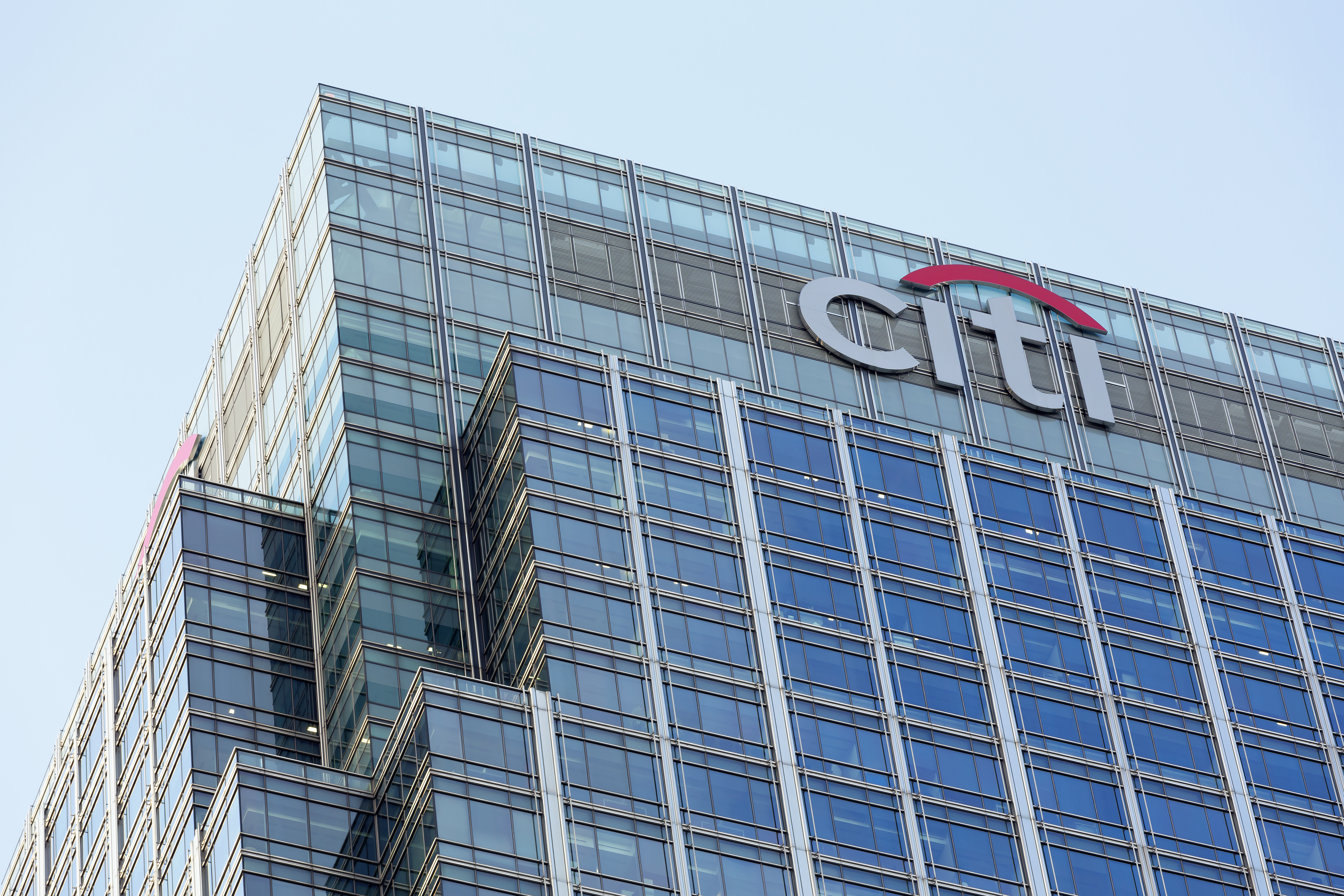
Citigroup Considers Regional Bank Acquisition to Boost Deposits
- Acquisition Intent: Citigroup's senior leaders have held preliminary discussions regarding the acquisition of a regional bank with approximately $500 billion in assets, aiming to boost deposit levels and enhance market competitiveness.
- Regulatory Stance: Reports indicate that regulators have shown openness to a concrete acquisition proposal from Citigroup, potentially facilitating and accelerating the bank's market expansion efforts.
- Market Rumors: Despite discussions among executives about pursuing a regional bank and wealth brokerage, Citigroup has publicly denied any plans for such acquisitions, labeling the speculation as baseless, which reflects a cautious approach to market rumors.
- Strategic Positioning: The bank's acquisition interest not only highlights its focus on deposit growth but may also represent a strategic move to diversify and expand its business in a highly competitive financial services landscape.

Lenz Therapeutics Shares Drop Nearly 20% Following Earnings Miss

- Earnings Miss: Lenz Therapeutics reported fourth-quarter revenue of $1.59 million for fiscal 2025, significantly below analysts' expectations of $3.1 million, leading to a nearly 20% drop in stock price this week as investor sentiment soured.
- Widening Net Loss: The company's GAAP net loss deepened to $35.9 million ($1.16 per share), compared to a loss of $12.7 million in the same quarter last year, highlighting the financial strain of commercialization costs.
- Price Target Cuts: Citigroup and Bank of America both slashed their price targets for Lenz from $52 and $35 to $26 and $29 respectively, indicating growing concerns about the company's future profitability.
- Market Potential Assessment: Despite short-term challenges, analysts believe Lenz's VIZZ product has the potential to attract a large patient base, particularly for treating presbyopia, and suggest investors give the company more time to evaluate its marketing effectiveness.

S&P 500 Faces Correction Risk as Iran War Escalates

- Correction Risk Intensifies: As the Iran war stretches into its fifth week, the S&P 500 is just over 8% from its all-time high, facing a correction risk of more than 10%, indicating a sharp deterioration in market sentiment that could further undermine investor confidence.
- Increased Volatility: The S&P 500's breakdown below its 200-day moving average suggests further downside ahead, with the VIX averaging 26 when below that support, indicating that the market will experience heightened volatility, impacting investment strategies.
- Shifting Earnings Expectations: While strong corporate earnings growth and easier fiscal policy still support a market recovery, investor concerns over the prolonged Iran conflict have made the stock market outlook more uncertain, prompting some strategists to turn bearish.
- Employment Data Impact: The upcoming March nonfarm payroll report is expected to show an increase of 57,000 jobs, yet the market must remain vigilant regarding the resilience of the labor market to address potential economic slowdown risks.
Citigroup Under Scrutiny as Bank Refutes Claims of Regional Lender Acquisition – C Shares Drop 3%

Citi Group's Potential Acquisition: Citi Group is reportedly considering acquiring U.S. regional banks with approximately $500 billion in assets, which could mark a significant shift from its focus on internal restructuring.
Denial of Speculation: Citi has denied these acquisition reports, labeling them as "baseless speculation" and emphasizing its current strategy of organic growth and completing its transformation.
Market Reaction: The news of a potential acquisition led to a decline in Citi's stock, which fell by about 3%, reflecting bearish sentiment among retail investors.
Broader Implications: The potential acquisition could enhance Citi's deposit base and lending capacity, while also expanding its access to high-net-worth clients, indicating a strategic move to strengthen its market position.

Global Payments Restructures Strategy and Market Outlook


- Market Share Expansion: Global Payments aims to dominate the merchant acquisition market through the acquisition of Worldpay, which is expected to accelerate cash flow and provide substantial returns to shareholders, thereby enhancing the company's position in the competitive payments industry.
- Financial Restructuring: The company undertook a major restructuring in early 2025, cutting costs and shedding assets, with expectations to boost free cash flow to $5 billion by 2028, further strengthening financial stability and supporting future shareholder return plans.
- Technological Innovation: Global Payments launched a new all-in-one point-of-sale system called Genius, aimed at enhancing brand recognition and customer loyalty, with analysts predicting this will drive greater success in future market promotions.
- Acquisition Integration: With the support of activist investor Elliott Management, Global Payments is integrating the Worldpay acquisition, expected to achieve $600 million in cost savings and enhance operational leverage, further strengthening its competitive edge in the market.

Citigroup Reduces U.S. Equity Exposure Amid Geopolitical Risks
- Equity Allocation Reduction: Citigroup strategists have adjusted their U.S. small-cap overweight to zero and reduced overall equity allocation to neutral, reflecting caution amid a broad set of negative macro signals, particularly in the context of rising oil prices increasing market risks.
- Market Pressure Intensifies: The U.S. stock market is under pressure from rising oil prices, with the Nasdaq Composite down over 10%, while the Dow and small-cap Russell 2000 are nearing correction territory, each down about 9%, indicating sensitivity to economic cycles and financing conditions.
- Geopolitical Risks: Citigroup highlights that despite unresolved U.S.-Iran conflict, extended deadlines may negatively impact resolution efforts, further exacerbating market uncertainty, especially with rising oil prices potentially affecting voter sentiment ahead of midterm elections.
- Relative Allocation Adjustment: Within equities, Citigroup maintains an overweight position in U.S. stocks relative to Japan, where it has shifted to an underweight stance, indicating relative confidence in the U.S. market despite the overall challenging environment.
Citigroup Considers Regional Bank Acquisition to Boost Deposits
- Acquisition Intent: Citigroup's senior leaders have held preliminary discussions regarding the acquisition of a regional bank with approximately $500 billion in assets, aiming to boost deposit levels and enhance market competitiveness.
- Regulatory Stance: Reports indicate that regulators have shown openness to a concrete acquisition proposal from Citigroup, potentially facilitating and accelerating the bank's market expansion efforts.
- Market Rumors: Despite discussions among executives about pursuing a regional bank and wealth brokerage, Citigroup has publicly denied any plans for such acquisitions, labeling the speculation as baseless, which reflects a cautious approach to market rumors.
- Strategic Positioning: The bank's acquisition interest not only highlights its focus on deposit growth but may also represent a strategic move to diversify and expand its business in a highly competitive financial services landscape.
Lenz Therapeutics Shares Drop Nearly 20% Following Earnings Miss
- Earnings Miss: Lenz Therapeutics reported fourth-quarter revenue of $1.59 million for fiscal 2025, significantly below analysts' expectations of $3.1 million, leading to a nearly 20% drop in stock price this week as investor sentiment soured.
- Widening Net Loss: The company's GAAP net loss deepened to $35.9 million ($1.16 per share), compared to a loss of $12.7 million in the same quarter last year, highlighting the financial strain of commercialization costs.
- Price Target Cuts: Citigroup and Bank of America both slashed their price targets for Lenz from $52 and $35 to $26 and $29 respectively, indicating growing concerns about the company's future profitability.
- Market Potential Assessment: Despite short-term challenges, analysts believe Lenz's VIZZ product has the potential to attract a large patient base, particularly for treating presbyopia, and suggest investors give the company more time to evaluate its marketing effectiveness.
S&P 500 Faces Correction Risk as Iran War Escalates
- Correction Risk Intensifies: As the Iran war stretches into its fifth week, the S&P 500 is just over 8% from its all-time high, facing a correction risk of more than 10%, indicating a sharp deterioration in market sentiment that could further undermine investor confidence.
- Increased Volatility: The S&P 500's breakdown below its 200-day moving average suggests further downside ahead, with the VIX averaging 26 when below that support, indicating that the market will experience heightened volatility, impacting investment strategies.
- Shifting Earnings Expectations: While strong corporate earnings growth and easier fiscal policy still support a market recovery, investor concerns over the prolonged Iran conflict have made the stock market outlook more uncertain, prompting some strategists to turn bearish.
- Employment Data Impact: The upcoming March nonfarm payroll report is expected to show an increase of 57,000 jobs, yet the market must remain vigilant regarding the resilience of the labor market to address potential economic slowdown risks.
Citigroup Under Scrutiny as Bank Refutes Claims of Regional Lender Acquisition – C Shares Drop 3%
Citi Group's Potential Acquisition: Citi Group is reportedly considering acquiring U.S. regional banks with approximately $500 billion in assets, which could mark a significant shift from its focus on internal restructuring.
Denial of Speculation: Citi has denied these acquisition reports, labeling them as "baseless speculation" and emphasizing its current strategy of organic growth and completing its transformation.
Market Reaction: The news of a potential acquisition led to a decline in Citi's stock, which fell by about 3%, reflecting bearish sentiment among retail investors.
Broader Implications: The potential acquisition could enhance Citi's deposit base and lending capacity, while also expanding its access to high-net-worth clients, indicating a strategic move to strengthen its market position.
Global Payments Restructures Strategy and Market Outlook
- Market Share Expansion: Global Payments aims to dominate the merchant acquisition market through the acquisition of Worldpay, which is expected to accelerate cash flow and provide substantial returns to shareholders, thereby enhancing the company's position in the competitive payments industry.
- Financial Restructuring: The company undertook a major restructuring in early 2025, cutting costs and shedding assets, with expectations to boost free cash flow to $5 billion by 2028, further strengthening financial stability and supporting future shareholder return plans.
- Technological Innovation: Global Payments launched a new all-in-one point-of-sale system called Genius, aimed at enhancing brand recognition and customer loyalty, with analysts predicting this will drive greater success in future market promotions.
- Acquisition Integration: With the support of activist investor Elliott Management, Global Payments is integrating the Worldpay acquisition, expected to achieve $600 million in cost savings and enhance operational leverage, further strengthening its competitive edge in the market.
Citigroup Reduces U.S. Equity Exposure Amid Geopolitical Risks
- Equity Allocation Reduction: Citigroup strategists have adjusted their U.S. small-cap overweight to zero and reduced overall equity allocation to neutral, reflecting caution amid a broad set of negative macro signals, particularly in the context of rising oil prices increasing market risks.
- Market Pressure Intensifies: The U.S. stock market is under pressure from rising oil prices, with the Nasdaq Composite down over 10%, while the Dow and small-cap Russell 2000 are nearing correction territory, each down about 9%, indicating sensitivity to economic cycles and financing conditions.
- Geopolitical Risks: Citigroup highlights that despite unresolved U.S.-Iran conflict, extended deadlines may negatively impact resolution efforts, further exacerbating market uncertainty, especially with rising oil prices potentially affecting voter sentiment ahead of midterm elections.
- Relative Allocation Adjustment: Within equities, Citigroup maintains an overweight position in U.S. stocks relative to Japan, where it has shifted to an underweight stance, indicating relative confidence in the U.S. market despite the overall challenging environment.