Campbell's Co lowers earnings guidance amid disappointing Q2 results
Campbell's Co shares fell 3.12% and hit a 52-week low following the release of its Q2 fiscal 2026 results.
The company reported a 5% decline in net sales to $2.6 billion, primarily due to underperformance in the Snacks segment and shipment delays, which are expected to impact adjusted EBIT by approximately $14 million. Additionally, Campbell's lowered its full-year organic sales growth outlook to between -1% and -2%, down from a previous forecast of -1% to +1%, with adjusted EPS expected at $2.15 to $2.25, significantly below the consensus estimate of $2.41. This has raised concerns among investors regarding the company's future performance and market position.
The disappointing earnings report and lowered guidance have led to a significant drop in investor confidence, prompting a reevaluation of the company's strategies to address ongoing challenges in profitability and market share.
Trade with 70% Backtested Accuracy
Analyst Views on CPB

About CPB
About the author

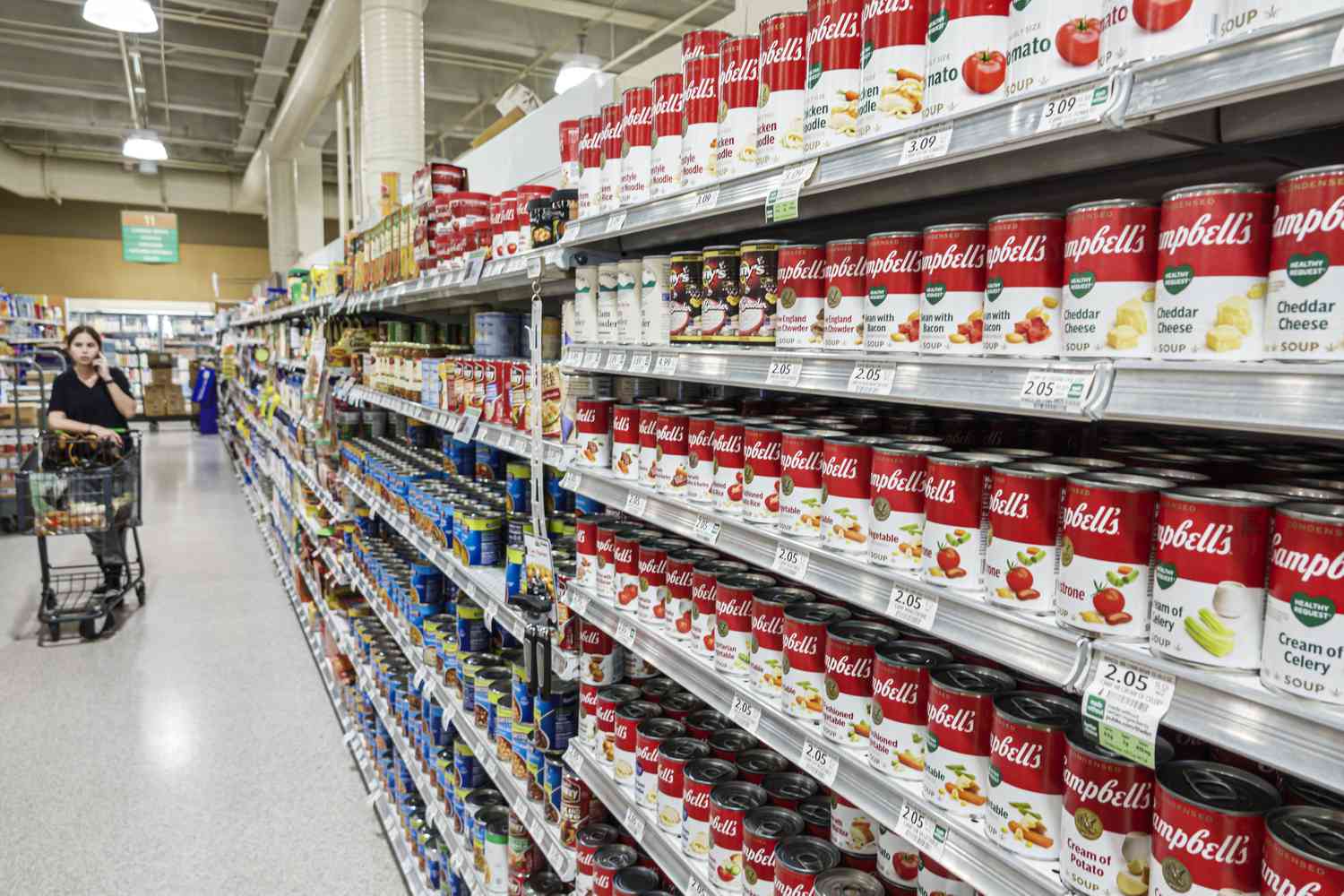
Campbell's Company Announces Executive Leadership Changes
- Executive Appointments: Campbell's has appointed Melissa Nippert as Chief Transformation Officer, succeeding retiring Dan Poland, who has led supply chain transformation since 2022, and Nippert is expected to further support the company's growth strategy.
- Communications Leadership Change: Beth Jolly has been named Chief Communications Officer, taking over from Anthony Sanzio; with 23 years at Campbell's, Jolly has previously managed communications across various business divisions, likely enhancing internal and external communication efficiency.
- Strategic Significance: These executive transitions reflect Campbell's thoughtful approach to talent development and succession planning, aiming to solidify operational and growth capabilities through experienced leaders.
- Financial Context: Campbell's anticipates net sales of $10.3 billion for fiscal 2025, and the new leadership team is tasked with driving sustained growth across its Meals & Beverages and Snacks divisions.
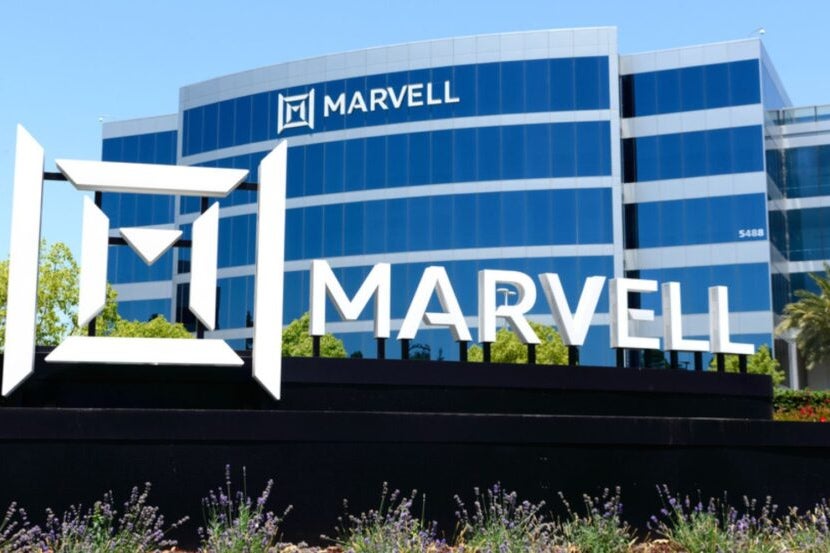
Marvell Set to Join S&P 500, Boosting Market Position

- Optical Interconnect Opportunity: Marvell's leadership in optical interconnects positions it favorably to meet the growing demand for high-speed connections in data centers, with interconnect revenue projected to increase by 70% this year, significantly enhancing its market share and competitiveness.
- S&P 500 Inclusion Impact: Marvell's upcoming inclusion in the S&P 500 index not only validates the company's success but is also likely to attract passive investment funds, potentially driving up the stock price and boosting investor confidence.
- Custom Chip Business Challenges: While Marvell shows strong performance in the ASIC market, its leading position with Amazon's Trainium chips is threatened by Taiwanese AI chip companies, which could impact its future market share and profitability.
- Valuation Risks: With a forward P/E ratio of 64, Marvell's stock appears overvalued, prompting analysts to recommend waiting for a price pullback before considering investment, thereby reducing risk and enhancing potential returns.

Marvell Technology Set to Join S&P 500 Index
- S&P 500 Inclusion Impact: Marvell Technology is set to join the S&P 500, a move that not only validates the company's success but also attracts passive investment funds, likely boosting its stock price and enhancing market recognition.
- Strong Stock Performance: Marvell's stock has tripled this year, and despite some pullbacks, it surged over 32% in a single day after Nvidia's CEO labeled it as the next trillion-dollar company, reflecting strong market confidence in its growth potential.
- Leader in Optical Interconnects: As a leader in optical interconnects, Marvell is well-positioned to capitalize on the growing demand for high-speed data transfer in AI chip clusters, with interconnect revenue projected to increase by 70% this year due to the limitations of traditional copper wiring.
- ASIC Market Competition: While Marvell holds a significant position in the ASIC market and supplies IP for Amazon's Trainium chips, it faces competitive pressure from Taiwanese firms, which could impact its market leadership, necessitating close monitoring of its future performance.

Marvell Technology Set to Join S&P 500 Index
- S&P 500 Inclusion: Marvell Technology is set to join the S&P 500 index, which is expected to attract significant passive investment funds, boosting its stock price and validating the company's success.
- Stock Surge: Following Nvidia CEO Jensen Huang's endorsement of Marvell as the next trillion-dollar company, its shares surged over 32% in a single day, reflecting strong market interest in its optical interconnect business.
- Leader in Optical Interconnects: Marvell leads in optical DSPs, with interconnect revenue projected to grow by 70% this year, indicating its strategic importance in the rapidly expanding AI market.
- ASIC Market Competition: While Marvell is experiencing rapid growth in the ASIC market, it faces competition from Taiwanese firms, particularly regarding Amazon's Trainium chips, which may impact its market leadership.
Analysis of Risks in High-Yield Stock Investments

- Yield Comparison: Campbell Soup Company (CPB) and General Mills (GIS) currently offer dividend yields of 7.05% and 7.24%, respectively, significantly higher than the S&P 500's 1%, yet market hesitance indicates underlying risks associated with high-yield stocks.
- Earnings Report Performance: Campbell's latest earnings report showed a 4% year-over-year sales decline, with earnings per share at $0.41, slightly above the $0.39 quarterly dividend, suggesting short-term sustainability of the dividend amidst inflationary pressures.
- General Mills' Struggles: General Mills reported an 8% revenue drop to $4.4 billion and a 52% plunge in net earnings, with diluted earnings per share at $0.56, falling short of the $0.61 dividend, raising concerns about potential dividend cuts despite no immediate necessity.
- Market Discount Phenomenon: Both companies are trading at a forward price-to-earnings ratio of 10, reflecting investor concerns over future uncertainties; while they may appear cheap, they could represent value traps, necessitating careful risk assessment by investors.
Food Companies Face Sales Decline and Dividend Risks
- Sales Performance Decline: Campbell's recently reported a 4% year-over-year sales decline, with management stating results met expectations; however, the company faces inflation-driven margin pressures, indicating vulnerability in the current economic climate.
- Profitability Risks: General Mills experienced an 8% revenue drop to $4.4 billion, with net earnings plummeting 52%, resulting in a diluted profit of $0.56 per share, falling short of the $0.61 quarterly dividend, raising concerns about dividend sustainability.
- Market Discount Phenomenon: Both Campbell's and General Mills stocks have fallen by 17% and 26%, respectively, with forward price-to-earnings multiples at 10, reflecting investor anxiety over future uncertainties and potentially leading to value traps.
- Investor Focus: While Campbell's dividend appears sustainable, its limited earnings buffer necessitates close monitoring of future financial performance to avoid potential investment risks.
Campbell's Company Announces Executive Leadership Changes
- Executive Appointments: Campbell's has appointed Melissa Nippert as Chief Transformation Officer, succeeding retiring Dan Poland, who has led supply chain transformation since 2022, and Nippert is expected to further support the company's growth strategy.
- Communications Leadership Change: Beth Jolly has been named Chief Communications Officer, taking over from Anthony Sanzio; with 23 years at Campbell's, Jolly has previously managed communications across various business divisions, likely enhancing internal and external communication efficiency.
- Strategic Significance: These executive transitions reflect Campbell's thoughtful approach to talent development and succession planning, aiming to solidify operational and growth capabilities through experienced leaders.
- Financial Context: Campbell's anticipates net sales of $10.3 billion for fiscal 2025, and the new leadership team is tasked with driving sustained growth across its Meals & Beverages and Snacks divisions.
Marvell Set to Join S&P 500, Boosting Market Position
- Optical Interconnect Opportunity: Marvell's leadership in optical interconnects positions it favorably to meet the growing demand for high-speed connections in data centers, with interconnect revenue projected to increase by 70% this year, significantly enhancing its market share and competitiveness.
- S&P 500 Inclusion Impact: Marvell's upcoming inclusion in the S&P 500 index not only validates the company's success but is also likely to attract passive investment funds, potentially driving up the stock price and boosting investor confidence.
- Custom Chip Business Challenges: While Marvell shows strong performance in the ASIC market, its leading position with Amazon's Trainium chips is threatened by Taiwanese AI chip companies, which could impact its future market share and profitability.
- Valuation Risks: With a forward P/E ratio of 64, Marvell's stock appears overvalued, prompting analysts to recommend waiting for a price pullback before considering investment, thereby reducing risk and enhancing potential returns.
Marvell Technology Set to Join S&P 500 Index
- S&P 500 Inclusion Impact: Marvell Technology is set to join the S&P 500, a move that not only validates the company's success but also attracts passive investment funds, likely boosting its stock price and enhancing market recognition.
- Strong Stock Performance: Marvell's stock has tripled this year, and despite some pullbacks, it surged over 32% in a single day after Nvidia's CEO labeled it as the next trillion-dollar company, reflecting strong market confidence in its growth potential.
- Leader in Optical Interconnects: As a leader in optical interconnects, Marvell is well-positioned to capitalize on the growing demand for high-speed data transfer in AI chip clusters, with interconnect revenue projected to increase by 70% this year due to the limitations of traditional copper wiring.
- ASIC Market Competition: While Marvell holds a significant position in the ASIC market and supplies IP for Amazon's Trainium chips, it faces competitive pressure from Taiwanese firms, which could impact its market leadership, necessitating close monitoring of its future performance.
Marvell Technology Set to Join S&P 500 Index
- S&P 500 Inclusion: Marvell Technology is set to join the S&P 500 index, which is expected to attract significant passive investment funds, boosting its stock price and validating the company's success.
- Stock Surge: Following Nvidia CEO Jensen Huang's endorsement of Marvell as the next trillion-dollar company, its shares surged over 32% in a single day, reflecting strong market interest in its optical interconnect business.
- Leader in Optical Interconnects: Marvell leads in optical DSPs, with interconnect revenue projected to grow by 70% this year, indicating its strategic importance in the rapidly expanding AI market.
- ASIC Market Competition: While Marvell is experiencing rapid growth in the ASIC market, it faces competition from Taiwanese firms, particularly regarding Amazon's Trainium chips, which may impact its market leadership.
Analysis of Risks in High-Yield Stock Investments
- Yield Comparison: Campbell Soup Company (CPB) and General Mills (GIS) currently offer dividend yields of 7.05% and 7.24%, respectively, significantly higher than the S&P 500's 1%, yet market hesitance indicates underlying risks associated with high-yield stocks.
- Earnings Report Performance: Campbell's latest earnings report showed a 4% year-over-year sales decline, with earnings per share at $0.41, slightly above the $0.39 quarterly dividend, suggesting short-term sustainability of the dividend amidst inflationary pressures.
- General Mills' Struggles: General Mills reported an 8% revenue drop to $4.4 billion and a 52% plunge in net earnings, with diluted earnings per share at $0.56, falling short of the $0.61 dividend, raising concerns about potential dividend cuts despite no immediate necessity.
- Market Discount Phenomenon: Both companies are trading at a forward price-to-earnings ratio of 10, reflecting investor concerns over future uncertainties; while they may appear cheap, they could represent value traps, necessitating careful risk assessment by investors.
Food Companies Face Sales Decline and Dividend Risks
- Sales Performance Decline: Campbell's recently reported a 4% year-over-year sales decline, with management stating results met expectations; however, the company faces inflation-driven margin pressures, indicating vulnerability in the current economic climate.
- Profitability Risks: General Mills experienced an 8% revenue drop to $4.4 billion, with net earnings plummeting 52%, resulting in a diluted profit of $0.56 per share, falling short of the $0.61 quarterly dividend, raising concerns about dividend sustainability.
- Market Discount Phenomenon: Both Campbell's and General Mills stocks have fallen by 17% and 26%, respectively, with forward price-to-earnings multiples at 10, reflecting investor anxiety over future uncertainties and potentially leading to value traps.
- Investor Focus: While Campbell's dividend appears sustainable, its limited earnings buffer necessitates close monitoring of future financial performance to avoid potential investment risks.