Caesars Entertainment Rated F Amid Weak Earnings Momentum

Caesars Entertainment Inc's stock has dropped 6.28% as it hits a 20-day low, reflecting broader market weakness with the Nasdaq-100 down 2.12% and the S&P 500 down 2.04%.
The company received an F rating for earnings momentum, indicating significant downward pressure on analyst expectations for future earnings. This poor rating aligns with the overall weak performance in the consumer sector, which has prompted investors to reassess their portfolios. The negative sentiment surrounding Caesars Entertainment could further impact its stock performance.
As the earnings season approaches, the weak ratings for Caesars and other consumer stocks may lead to increased volatility in the market. Investors are advised to monitor the situation closely as earnings reports are released.
Trade with 70% Backtested Accuracy
Analyst Views on CZR

About CZR
About the author


Caesars Entertainment Launches Inclusive Summer Package
- Comprehensive Package: Caesars Entertainment's Inclusive Summer Package offers a standard room stay at Harrah's Las Vegas, The LINQ Hotel, or Flamingo Las Vegas starting at $200 per night for one guest, accommodating up to four guests, significantly enhancing customer value.
- Diverse Dining Options: The package includes two meals per day at various restaurants featuring renowned chefs like Gordon Ramsay, Bobby Flay, and Guy Fieri, ensuring guests enjoy high-quality dining experiences while increasing hotel appeal and customer satisfaction.
- Beverages and Entertainment: Guests receive bottomless drinks and two tickets to the High Roller Observation Wheel, enhancing their entertainment experience and further solidifying Caesars Entertainment's competitive edge in the Las Vegas market.
- Strategic Market Positioning: This package aims to meet travelers' demand for high-value vacation experiences, as Caesars integrates accommodations, dining, and entertainment, strengthening its market position in Las Vegas and likely attracting more visitors to spend.
NFL Requests Ban on Manipulable Betting Contracts


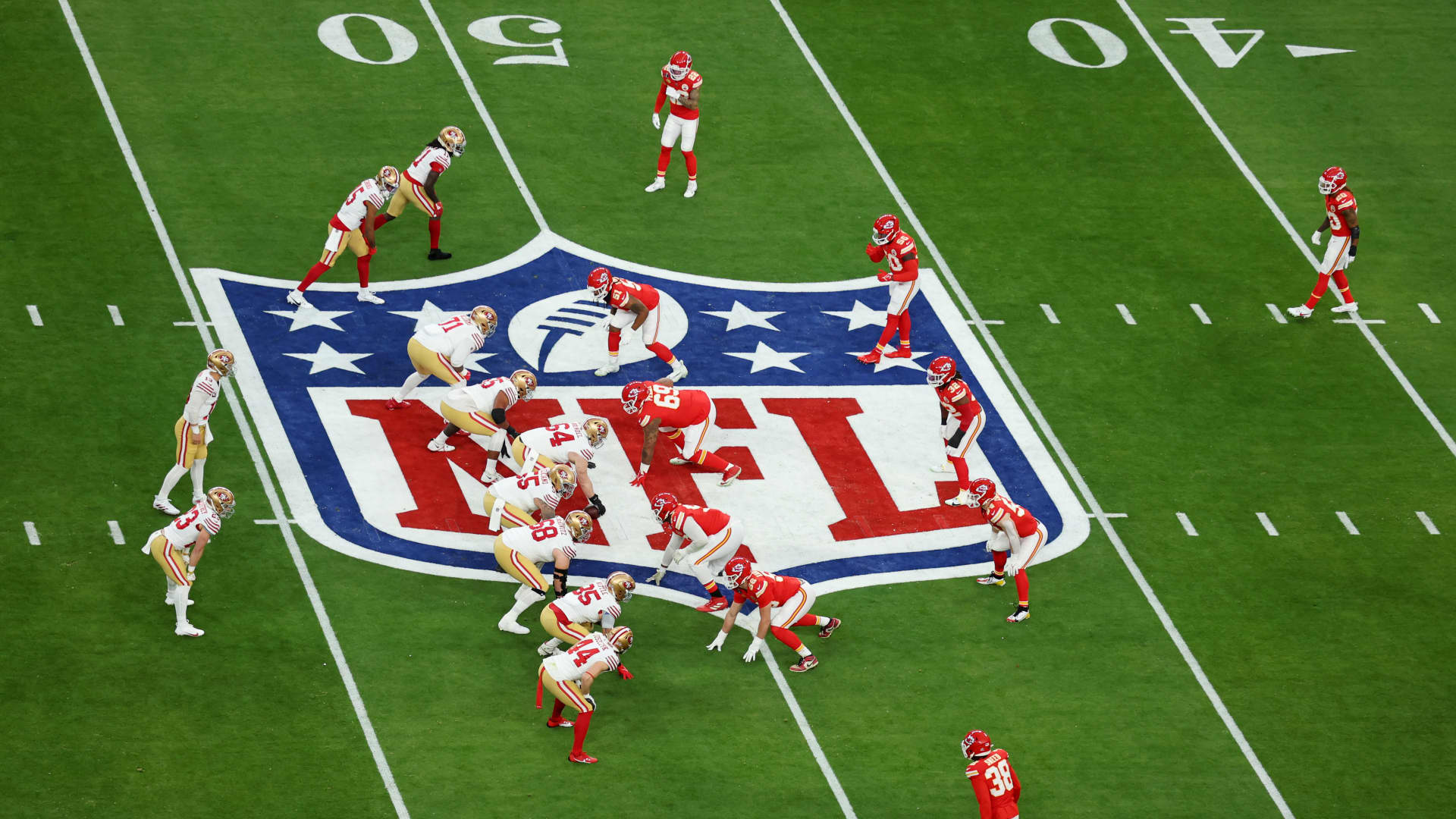
- Market Regulation: The NFL has sent a letter to prediction market operators requesting the removal of what it deems 'objectionable bets' from their platforms to safeguard the integrity of the games and the interests of participants.
- Manipulability Concerns: The letter outlines examples of event contracts that could be easily manipulated by a single individual, such as whether a kicker will miss a field goal, highlighting the NFL's vigilance regarding these types of wagers.
- Market Participant Dynamics: While the NFL remains cautious about prediction markets, platforms like Kalshi and Polymarket have rapidly emerged in this burgeoning industry, attracting interest from traditional sports betting companies like FanDuel and DraftKings.
- Regulatory Call: NFL executives have stated that the current lack of effective regulation in sports prediction markets necessitates continued engagement with the CFTC to establish essential regulatory frameworks that protect game integrity.
Caesars Entertainment Evaluates Takeover Offers
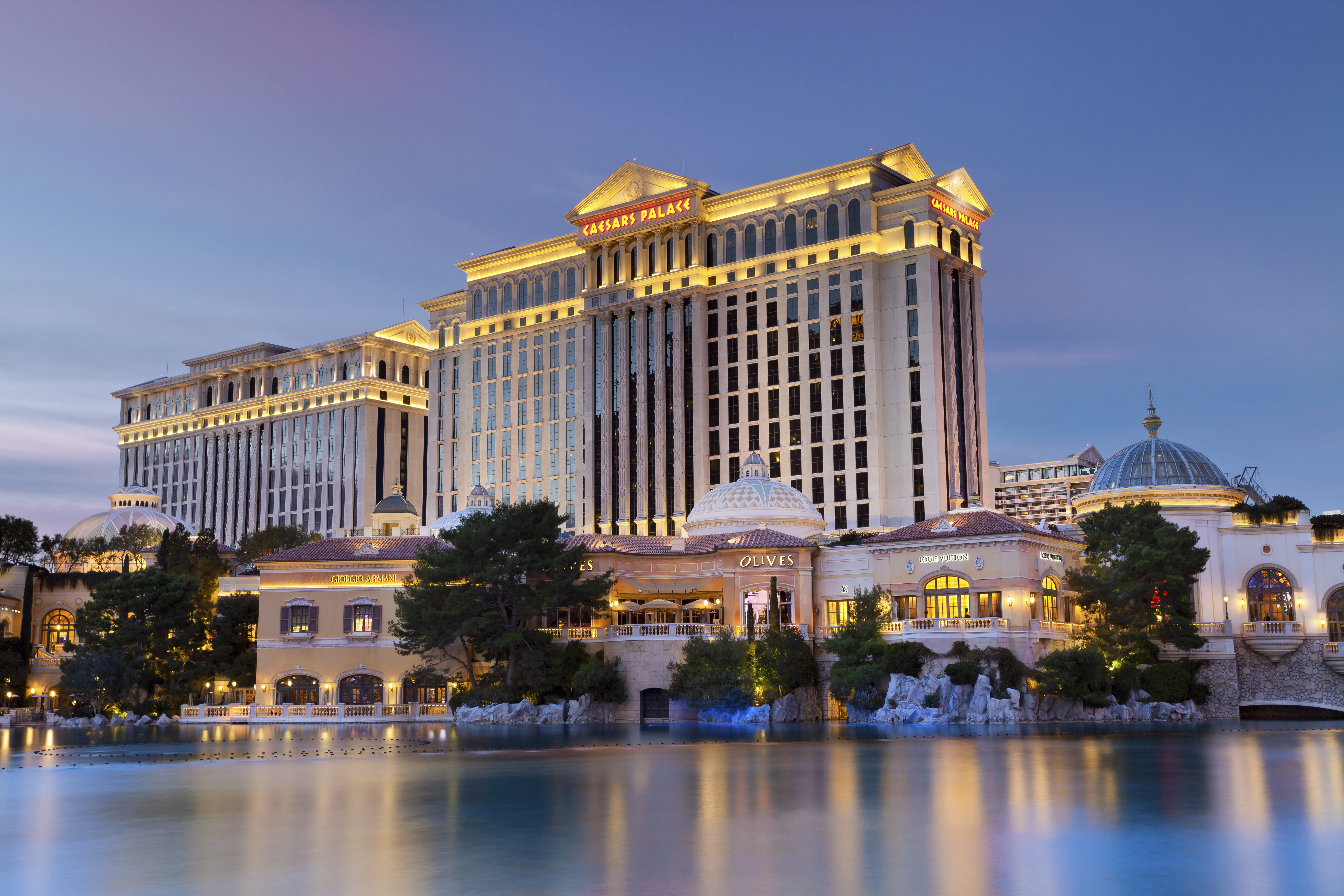
- Surge in Acquisition Interest: Caesars Entertainment (CZR) is evaluating takeover offers from multiple bidders, notably Fertitta Entertainment controlled by Tilman Fertitta, which could lead to a change in ownership of the iconic Caesars Palace in Las Vegas, impacting the company's market positioning and asset structure.
- Historic Property: Since its opening in 1966, Caesars Palace has redefined Las Vegas resorts with its Roman theme and high-end entertainment facilities, attracting a significant number of high-end clients and enhancing the brand's competitive edge in the market.
- Financial Restructuring Impact: Following a $28 billion leveraged buyout in 2009, Caesars Entertainment faced crushing debt, leading to its main operating unit entering Chapter 11 bankruptcy, during which the real estate of Caesars Palace was spun off to VICI Properties, ensuring ongoing rental income.
- Star Power and Brand Building: By hosting numerous star performers like Celine Dion and Elton John, Caesars Palace has successfully positioned itself as the epicenter of Las Vegas residencies, enhancing brand recognition and market appeal, further solidifying its status in the high-end entertainment sector.
Las Vegas Gaming Win Sees Modest Increase

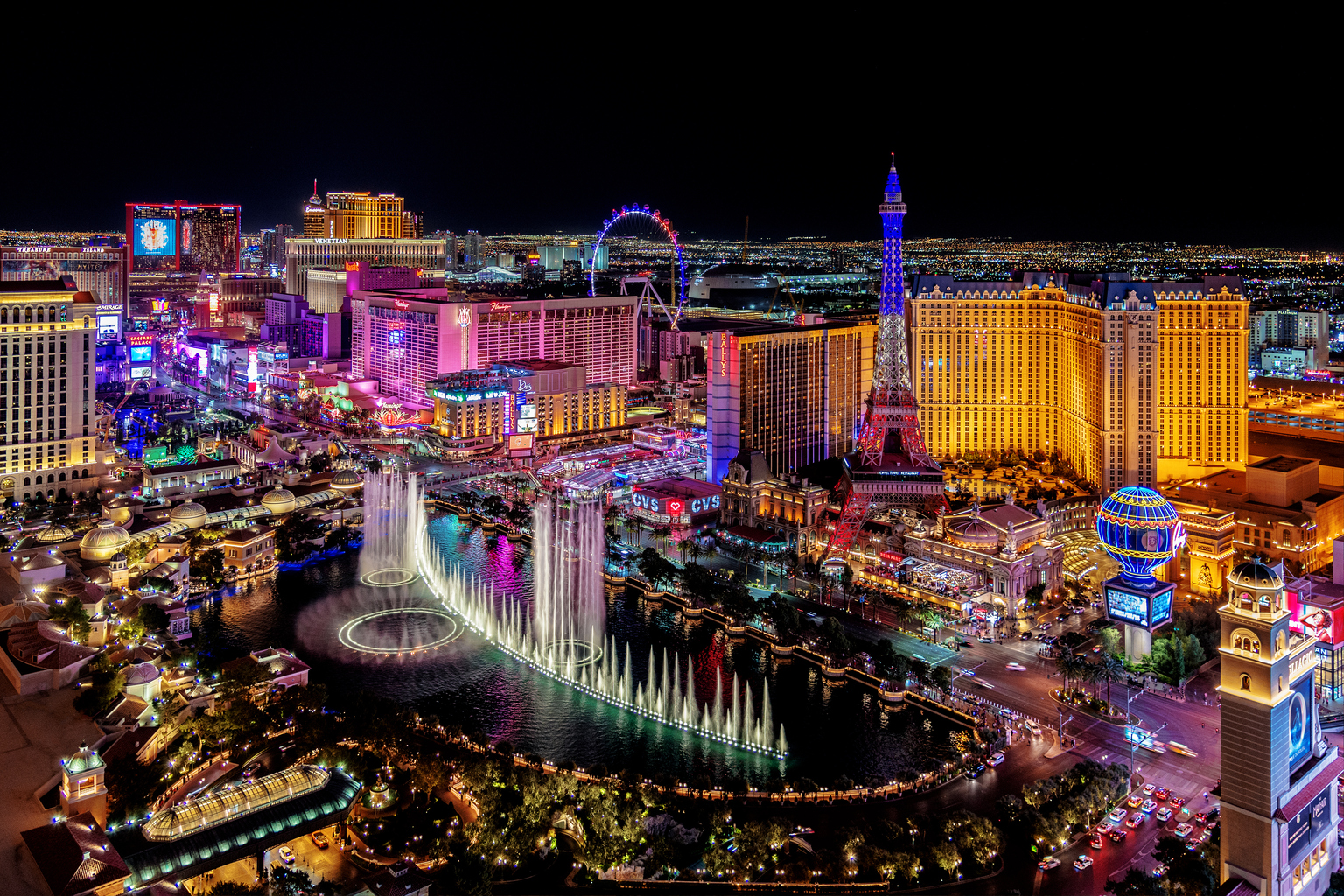
- Gaming Win Recovery: Las Vegas gaming win rose 0.9% year-over-year in February to $696.3 million, breaking a three-month decline streak and indicating a slight market recovery.
- Statewide Performance: Nevada's gaming win increased 1.5% year-over-year in February to $1.24 billion, reflecting positive impacts from tourism and convention activities despite overall slow growth.
- Downtown Casino Challenges: Downtown Las Vegas casinos experienced a 4.2% decline in gaming win to $69.8 million during the month, indicating greater competitive pressures and risks of customer attrition in the area.
- Diverse Game Performance: While overall gaming revenue grew, slot machine revenue increased by 1.7%, and table game revenue rose by 1.1%, with Pai Gow gaming win surging 158% and baccarat up 44%, highlighting shifts in consumer preferences.

Legalization of Sports Betting Deteriorates Household Credit Health
- Rising Delinquency Rates: Research from the Federal Reserve Bank of New York indicates that following the legalization of sports betting, the delinquency rate for credit card payments among individuals under 40 increased by 7.9%, highlighting significant negative impacts on financial stability for younger households.
- Increased Auto Loan Defaults: The study found that auto loan delinquencies rose by 5.6% post-legalization, further reflecting the potential threat to household financial health, particularly pronounced among younger borrowers who are more likely to engage in betting activities.
- Declining Credit Scores: In counties where sports betting is legal, overall delinquency rates increased by approximately 0.3 percentage points, while median credit scores slightly declined, indicating a broader adverse effect of gambling on household credit conditions.
- Heightened Risks for Active Bettors: The study estimates that delinquency rates among active bettors surged by around 10 percentage points, with younger borrowers facing even greater financial pressure, potentially leading to a higher likelihood of bankruptcy as a result of increased gambling access.
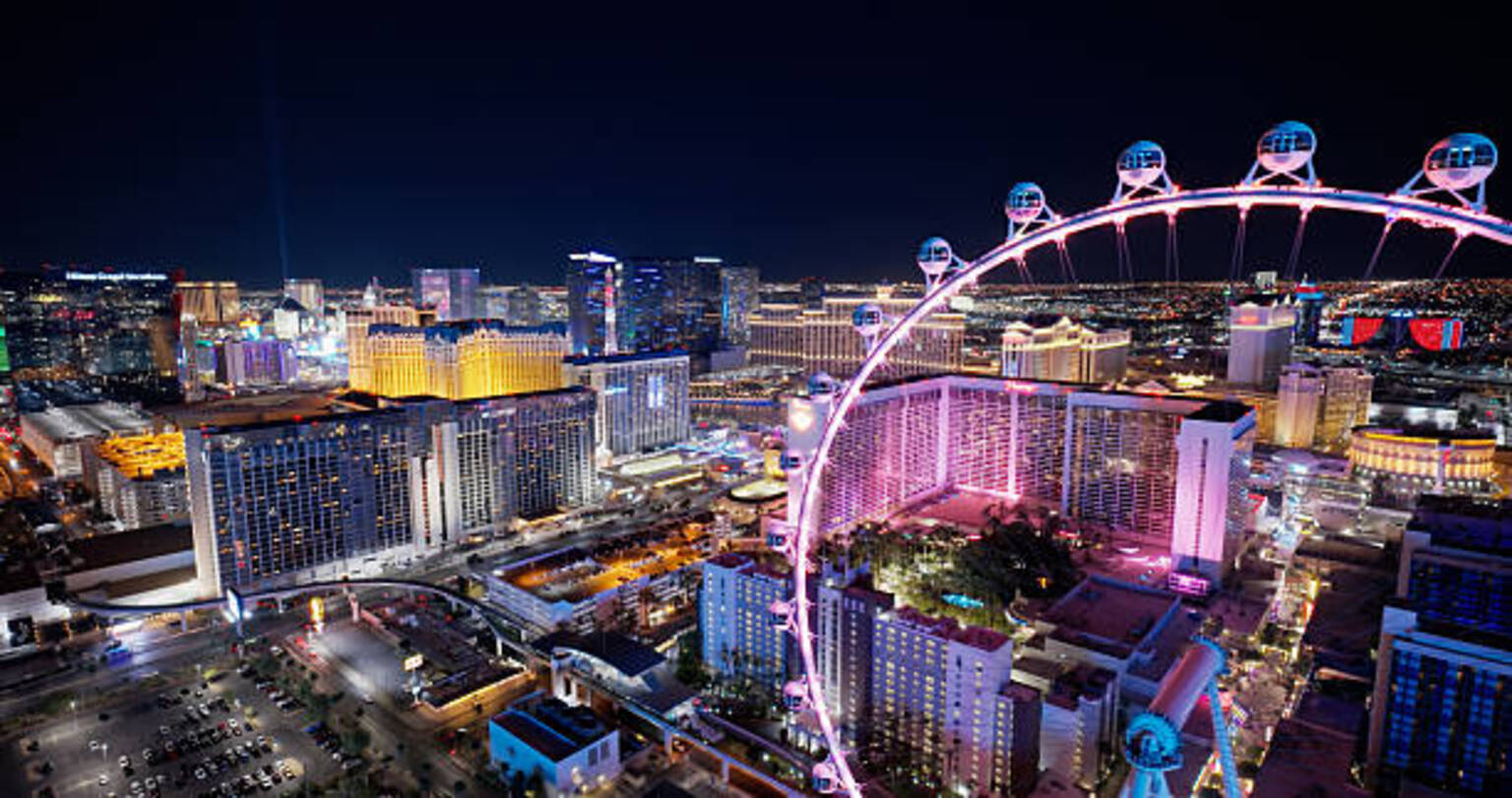
Las Vegas Poised to Host 2029 Super Bowl, Boosting Tourism
- Tourism Value Boost: Las Vegas is considered a strong contender for hosting the 2029 Super Bowl, which is expected to bring high-value tourism to the city and the Strip, further driving economic recovery.
- Significant Economic Impact: During the 2024 Super Bowl, Las Vegas attracted approximately 330,000 visitors, generating around $606 million in net visitor spending, leading to nearly $1 billion in total economic impact, showcasing the event's strong demand for hotels and tourism.
- Strong Hotel Performance: Major resorts saw average nightly rates approaching four figures during the Super Bowl weekend, with record or near-record average daily rates (ADR) and revenue per available room (RevPAR), reflecting robust market demand.
- Gaming Revenue Growth: Nevada sportsbooks handled approximately $185.6 million in bets during the game, while high-end guests in Las Vegas significantly increased their spending on table games, nightlife, and dining, further boosting both gaming and non-gaming revenues.
Caesars Entertainment Launches Inclusive Summer Package
- Comprehensive Package: Caesars Entertainment's Inclusive Summer Package offers a standard room stay at Harrah's Las Vegas, The LINQ Hotel, or Flamingo Las Vegas starting at $200 per night for one guest, accommodating up to four guests, significantly enhancing customer value.
- Diverse Dining Options: The package includes two meals per day at various restaurants featuring renowned chefs like Gordon Ramsay, Bobby Flay, and Guy Fieri, ensuring guests enjoy high-quality dining experiences while increasing hotel appeal and customer satisfaction.
- Beverages and Entertainment: Guests receive bottomless drinks and two tickets to the High Roller Observation Wheel, enhancing their entertainment experience and further solidifying Caesars Entertainment's competitive edge in the Las Vegas market.
- Strategic Market Positioning: This package aims to meet travelers' demand for high-value vacation experiences, as Caesars integrates accommodations, dining, and entertainment, strengthening its market position in Las Vegas and likely attracting more visitors to spend.
NFL Requests Ban on Manipulable Betting Contracts
- Market Regulation: The NFL has sent a letter to prediction market operators requesting the removal of what it deems 'objectionable bets' from their platforms to safeguard the integrity of the games and the interests of participants.
- Manipulability Concerns: The letter outlines examples of event contracts that could be easily manipulated by a single individual, such as whether a kicker will miss a field goal, highlighting the NFL's vigilance regarding these types of wagers.
- Market Participant Dynamics: While the NFL remains cautious about prediction markets, platforms like Kalshi and Polymarket have rapidly emerged in this burgeoning industry, attracting interest from traditional sports betting companies like FanDuel and DraftKings.
- Regulatory Call: NFL executives have stated that the current lack of effective regulation in sports prediction markets necessitates continued engagement with the CFTC to establish essential regulatory frameworks that protect game integrity.
Caesars Entertainment Evaluates Takeover Offers
- Surge in Acquisition Interest: Caesars Entertainment (CZR) is evaluating takeover offers from multiple bidders, notably Fertitta Entertainment controlled by Tilman Fertitta, which could lead to a change in ownership of the iconic Caesars Palace in Las Vegas, impacting the company's market positioning and asset structure.
- Historic Property: Since its opening in 1966, Caesars Palace has redefined Las Vegas resorts with its Roman theme and high-end entertainment facilities, attracting a significant number of high-end clients and enhancing the brand's competitive edge in the market.
- Financial Restructuring Impact: Following a $28 billion leveraged buyout in 2009, Caesars Entertainment faced crushing debt, leading to its main operating unit entering Chapter 11 bankruptcy, during which the real estate of Caesars Palace was spun off to VICI Properties, ensuring ongoing rental income.
- Star Power and Brand Building: By hosting numerous star performers like Celine Dion and Elton John, Caesars Palace has successfully positioned itself as the epicenter of Las Vegas residencies, enhancing brand recognition and market appeal, further solidifying its status in the high-end entertainment sector.
Las Vegas Gaming Win Sees Modest Increase
- Gaming Win Recovery: Las Vegas gaming win rose 0.9% year-over-year in February to $696.3 million, breaking a three-month decline streak and indicating a slight market recovery.
- Statewide Performance: Nevada's gaming win increased 1.5% year-over-year in February to $1.24 billion, reflecting positive impacts from tourism and convention activities despite overall slow growth.
- Downtown Casino Challenges: Downtown Las Vegas casinos experienced a 4.2% decline in gaming win to $69.8 million during the month, indicating greater competitive pressures and risks of customer attrition in the area.
- Diverse Game Performance: While overall gaming revenue grew, slot machine revenue increased by 1.7%, and table game revenue rose by 1.1%, with Pai Gow gaming win surging 158% and baccarat up 44%, highlighting shifts in consumer preferences.
Legalization of Sports Betting Deteriorates Household Credit Health
- Rising Delinquency Rates: Research from the Federal Reserve Bank of New York indicates that following the legalization of sports betting, the delinquency rate for credit card payments among individuals under 40 increased by 7.9%, highlighting significant negative impacts on financial stability for younger households.
- Increased Auto Loan Defaults: The study found that auto loan delinquencies rose by 5.6% post-legalization, further reflecting the potential threat to household financial health, particularly pronounced among younger borrowers who are more likely to engage in betting activities.
- Declining Credit Scores: In counties where sports betting is legal, overall delinquency rates increased by approximately 0.3 percentage points, while median credit scores slightly declined, indicating a broader adverse effect of gambling on household credit conditions.
- Heightened Risks for Active Bettors: The study estimates that delinquency rates among active bettors surged by around 10 percentage points, with younger borrowers facing even greater financial pressure, potentially leading to a higher likelihood of bankruptcy as a result of increased gambling access.
Las Vegas Poised to Host 2029 Super Bowl, Boosting Tourism
- Tourism Value Boost: Las Vegas is considered a strong contender for hosting the 2029 Super Bowl, which is expected to bring high-value tourism to the city and the Strip, further driving economic recovery.
- Significant Economic Impact: During the 2024 Super Bowl, Las Vegas attracted approximately 330,000 visitors, generating around $606 million in net visitor spending, leading to nearly $1 billion in total economic impact, showcasing the event's strong demand for hotels and tourism.
- Strong Hotel Performance: Major resorts saw average nightly rates approaching four figures during the Super Bowl weekend, with record or near-record average daily rates (ADR) and revenue per available room (RevPAR), reflecting robust market demand.
- Gaming Revenue Growth: Nevada sportsbooks handled approximately $185.6 million in bets during the game, while high-end guests in Las Vegas significantly increased their spending on table games, nightlife, and dining, further boosting both gaming and non-gaming revenues.