

Boeing's Backlog Surges Amid Optimistic Outlook
Boeing Co's stock rose by 5.07% as it crossed above the 5-day SMA, reflecting positive investor sentiment.
The surge in Boeing's stock is attributed to a significant increase in its backlog, which reached 6,100 aircraft valued at $695 million by Q1, indicating strong market demand for new planes. Additionally, the company reported a 14% year-over-year revenue increase in Q1, with analysts projecting a return to profitability with earnings of $4.11 per share next year, rising to $7.83 by 2028. This optimistic outlook has led to positive analyst ratings, with many considering Boeing a strong buy.
The implications of this growth are substantial, as Boeing forecasts the delivery of 43,600 commercial jets by 2044, suggesting a robust long-term growth potential. The positive sentiment surrounding Boeing's recovery and future prospects is likely to attract further investment.
Trade with 70% Backtested Accuracy
Analyst Views on BA

About BA
About the author

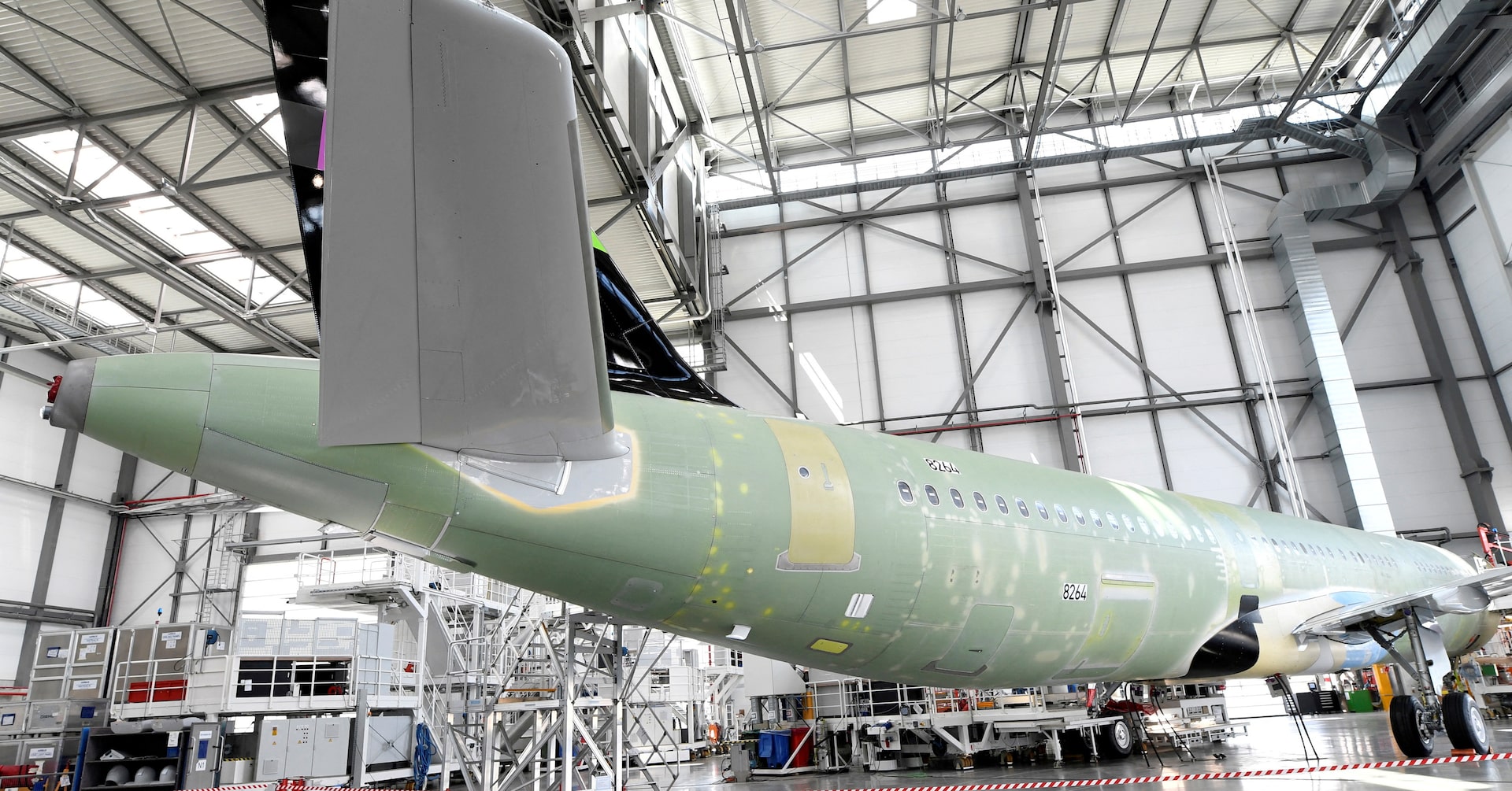
Boeing Advances Delivery of Air Force One Jets

- Delivery Delay: Boeing is now expected to deliver two modified Air Force One jets by 2028, nearly three years behind the original schedule, indicating significant ongoing technical challenges and engineering design issues.
- Technical Progress: According to the Government Accountability Office, Boeing has made progress in completing the engineering design for the environmental control system, resolving cabin decompression issues, and hiring qualified mechanics, although detailed aircraft interior designs and structural defect repairs are still pending.
- Rising Costs: Each jet is now estimated to cost $3.3 billion, approximately 7% more than last year's projections, which could exert financial pressure on Boeing, especially given the delivery delays.
- Safety Concerns: UPS relied on Boeing's assessment that a known engine mount issue did not pose a flight safety risk when it opted against enhanced inspections prior to last year's fatal cargo plane crash in Louisville, a decision that may prompt further scrutiny from regulators.

Trump's First Flight on Qatar-Donated Air Force One
- Delivery Delays: Boeing's two specially equipped 747-8 aircraft for the U.S. president, known as VC-25B, are now scheduled for delivery in 2028 and 2029, delayed from an original target of late 2024, which may impact the efficiency and security of presidential travel.
- Engineering Progress: The U.S. Government Accountability Office reported that Boeing has made progress in completing the engineering design for the environmental control system and hiring qualified mechanics, yet risks remain regarding interior designs and structural modifications, potentially leading to further delays.
- Contract Value and Losses: Boeing disclosed in its latest quarterly filing that the fixed-price contract for the project is valued at $4 billion, but it expects to increase projected losses by $60 million in 2025, indicating financial pressure and uncertainty surrounding the project.
- Modern Development Recommendations: The report suggests adopting modern product development practices, such as digital engineering and creating a digital twin, to enhance operational efficiency and future agility, ensuring that the VC-25B remains relevant and effective throughout its operational life.

Weaker Jobs Report Sparks Positive Market Reaction


- Jobs Data Analysis: The June nonfarm payrolls increased by only 57,000, significantly below the Dow Jones estimate of 115,000, indicating a slowdown in economic recovery, which led to a positive market reaction with rising stock futures, suggesting investors are easing their expectations for the Fed's monetary policy.
- OpenAI Equity Proposal: OpenAI is considering offering a 5% stake to the U.S. government, with CEO Sam Altman arguing that this would allow the public to share in the benefits of AI, although this move may intensify regulatory scrutiny on its competitor, Anthropic.
- Palantir Rating Upgrade: DA Davidson upgraded Palantir from hold to buy with a price target of $175, implying nearly 40% upside, as analysts noted the company's impressive growth in data analytics, making its current valuation particularly attractive.
- Nvidia New Business Model: Nvidia is introducing a new business model for fast-growing AI startups by offering quick access to computing power in exchange for a share of future revenues, which is intriguing, but analysts believe Nvidia needs to ramp up stock buybacks to improve its stock performance relative to peers.
KNDS Postpones IPO Amid European Defense Market Slump

- IPO Delay Reason: KNDS has postponed its highly anticipated IPO due to a slump in European defense stocks, stating that the process will resume when market conditions improve, reflecting a cautious approach to current market volatility.
- Valuation Challenges: The company faced difficulties convincing investors to back a valuation exceeding €12 billion ($13.7 billion), despite earlier media reports suggesting it could reach €25 billion, indicating a significant reduction in expectations.
- Market Environment Impact: Following an agreement between the German and French governments on joint ownership of Leopard 2 tanks and Caesar howitzers, KNDS had initially planned a 20% flotation this summer, but changing market conditions have affected this timeline.
- Investor Confidence Erosion: As investors question whether Europe's defense spending can meet expectations, defense stocks have sharply retreated from their highs, and KNDS's IPO delay reflects broader concerns about future earnings growth in the defense sector.

Trump and Vance Show Stark Investment Differences


- Investment Disclosure Comparison: Trump's financial disclosure spans 927 pages with 21,285 trades across numerous companies, while Vance's is only 17 pages long, showing a stark contrast in their investment strategies with Vance focusing on just 10 transactions in market-linked ETFs.
- Income Source Analysis: In 2025, Vance's income of $7.4 million primarily came from royalties of his bestselling memoir 'Hillbilly Elegy', whereas Trump generated at least $2.24 billion, highlighting the significant differences in their income sources.
- Cryptocurrency Investments: Both leaders are actively investing in digital currencies, with Vance holding between $250,001 and $500,000 in Bitcoin in a Coinbase account, while Trump reported about $1.2 billion in crypto-related income, indicating their alignment in emerging asset classes.
- Market Impact and Policy: Trump's policies aim to position the U.S. as a global hub for digital assets, with a White House spokesperson stating that his initiatives are designed to drive innovation and economic opportunities, reflecting his strategic intent in the digital economy.

AST SpaceMobile vs Boeing: A Portfolio Decision for Investors

- Growth Potential of AST SpaceMobile: AST SpaceMobile aims to develop the first satellite-based mobile broadband network, reporting nearly $70.9 million in revenue for FY 2025, a staggering 1,505.2% increase year-over-year, despite a net loss of approximately $341.9 million, highlighting its high-risk, high-reward potential in technology development.
- Stability of Boeing: Boeing achieved nearly $89.5 billion in revenue for FY 2025, a 34.5% year-over-year increase, generating a net income of about $2.2 billion with a net margin of 2.5%, marking a return to profitability after years of losses, showcasing its strong foundation in the aerospace sector.
- Risks and Challenges: AST SpaceMobile faces multiple risks including high capital requirements, intense competition, and reliance on regulatory licenses, while Boeing must navigate production challenges and strict FAA quality standards, with its defense business vulnerable to fixed-price contract losses.
- Valuation Comparison: AST SpaceMobile's forward P/E stands at 65.7x, significantly higher than Boeing's 52.8x, reflecting market expectations for future growth but also indicating higher investment risk, necessitating investors to align choices with their risk tolerance.
Boeing Advances Delivery of Air Force One Jets
- Delivery Delay: Boeing is now expected to deliver two modified Air Force One jets by 2028, nearly three years behind the original schedule, indicating significant ongoing technical challenges and engineering design issues.
- Technical Progress: According to the Government Accountability Office, Boeing has made progress in completing the engineering design for the environmental control system, resolving cabin decompression issues, and hiring qualified mechanics, although detailed aircraft interior designs and structural defect repairs are still pending.
- Rising Costs: Each jet is now estimated to cost $3.3 billion, approximately 7% more than last year's projections, which could exert financial pressure on Boeing, especially given the delivery delays.
- Safety Concerns: UPS relied on Boeing's assessment that a known engine mount issue did not pose a flight safety risk when it opted against enhanced inspections prior to last year's fatal cargo plane crash in Louisville, a decision that may prompt further scrutiny from regulators.
Trump's First Flight on Qatar-Donated Air Force One
- Delivery Delays: Boeing's two specially equipped 747-8 aircraft for the U.S. president, known as VC-25B, are now scheduled for delivery in 2028 and 2029, delayed from an original target of late 2024, which may impact the efficiency and security of presidential travel.
- Engineering Progress: The U.S. Government Accountability Office reported that Boeing has made progress in completing the engineering design for the environmental control system and hiring qualified mechanics, yet risks remain regarding interior designs and structural modifications, potentially leading to further delays.
- Contract Value and Losses: Boeing disclosed in its latest quarterly filing that the fixed-price contract for the project is valued at $4 billion, but it expects to increase projected losses by $60 million in 2025, indicating financial pressure and uncertainty surrounding the project.
- Modern Development Recommendations: The report suggests adopting modern product development practices, such as digital engineering and creating a digital twin, to enhance operational efficiency and future agility, ensuring that the VC-25B remains relevant and effective throughout its operational life.
Weaker Jobs Report Sparks Positive Market Reaction
- Jobs Data Analysis: The June nonfarm payrolls increased by only 57,000, significantly below the Dow Jones estimate of 115,000, indicating a slowdown in economic recovery, which led to a positive market reaction with rising stock futures, suggesting investors are easing their expectations for the Fed's monetary policy.
- OpenAI Equity Proposal: OpenAI is considering offering a 5% stake to the U.S. government, with CEO Sam Altman arguing that this would allow the public to share in the benefits of AI, although this move may intensify regulatory scrutiny on its competitor, Anthropic.
- Palantir Rating Upgrade: DA Davidson upgraded Palantir from hold to buy with a price target of $175, implying nearly 40% upside, as analysts noted the company's impressive growth in data analytics, making its current valuation particularly attractive.
- Nvidia New Business Model: Nvidia is introducing a new business model for fast-growing AI startups by offering quick access to computing power in exchange for a share of future revenues, which is intriguing, but analysts believe Nvidia needs to ramp up stock buybacks to improve its stock performance relative to peers.
KNDS Postpones IPO Amid European Defense Market Slump
- IPO Delay Reason: KNDS has postponed its highly anticipated IPO due to a slump in European defense stocks, stating that the process will resume when market conditions improve, reflecting a cautious approach to current market volatility.
- Valuation Challenges: The company faced difficulties convincing investors to back a valuation exceeding €12 billion ($13.7 billion), despite earlier media reports suggesting it could reach €25 billion, indicating a significant reduction in expectations.
- Market Environment Impact: Following an agreement between the German and French governments on joint ownership of Leopard 2 tanks and Caesar howitzers, KNDS had initially planned a 20% flotation this summer, but changing market conditions have affected this timeline.
- Investor Confidence Erosion: As investors question whether Europe's defense spending can meet expectations, defense stocks have sharply retreated from their highs, and KNDS's IPO delay reflects broader concerns about future earnings growth in the defense sector.
Trump and Vance Show Stark Investment Differences
- Investment Disclosure Comparison: Trump's financial disclosure spans 927 pages with 21,285 trades across numerous companies, while Vance's is only 17 pages long, showing a stark contrast in their investment strategies with Vance focusing on just 10 transactions in market-linked ETFs.
- Income Source Analysis: In 2025, Vance's income of $7.4 million primarily came from royalties of his bestselling memoir 'Hillbilly Elegy', whereas Trump generated at least $2.24 billion, highlighting the significant differences in their income sources.
- Cryptocurrency Investments: Both leaders are actively investing in digital currencies, with Vance holding between $250,001 and $500,000 in Bitcoin in a Coinbase account, while Trump reported about $1.2 billion in crypto-related income, indicating their alignment in emerging asset classes.
- Market Impact and Policy: Trump's policies aim to position the U.S. as a global hub for digital assets, with a White House spokesperson stating that his initiatives are designed to drive innovation and economic opportunities, reflecting his strategic intent in the digital economy.
AST SpaceMobile vs Boeing: A Portfolio Decision for Investors
- Growth Potential of AST SpaceMobile: AST SpaceMobile aims to develop the first satellite-based mobile broadband network, reporting nearly $70.9 million in revenue for FY 2025, a staggering 1,505.2% increase year-over-year, despite a net loss of approximately $341.9 million, highlighting its high-risk, high-reward potential in technology development.
- Stability of Boeing: Boeing achieved nearly $89.5 billion in revenue for FY 2025, a 34.5% year-over-year increase, generating a net income of about $2.2 billion with a net margin of 2.5%, marking a return to profitability after years of losses, showcasing its strong foundation in the aerospace sector.
- Risks and Challenges: AST SpaceMobile faces multiple risks including high capital requirements, intense competition, and reliance on regulatory licenses, while Boeing must navigate production challenges and strict FAA quality standards, with its defense business vulnerable to fixed-price contract losses.
- Valuation Comparison: AST SpaceMobile's forward P/E stands at 65.7x, significantly higher than Boeing's 52.8x, reflecting market expectations for future growth but also indicating higher investment risk, necessitating investors to align choices with their risk tolerance.




