Autodesk Reports Strong Q4 Results, Exceeds Expectations
Autodesk Inc shares rose by 3.00% as the stock reached a 20-day high, reflecting positive investor sentiment following the company's strong Q4 earnings report.
The company reported total revenue of $1.957 billion for Q4, exceeding market expectations of $1.916 billion, driven by significant growth in the AECO sector and emerging markets. Additionally, Autodesk's normalized billings grew 32% year-on-year, indicating sustained customer demand and enhancing investor confidence in future growth. Management also provided an optimistic revenue growth forecast of 12%-13% for fiscal 2027, higher than the consensus estimate of 11%.
These results highlight Autodesk's strong market position and ability to maintain profitability amid macroeconomic challenges, suggesting a positive outlook for the company's future performance.
Trade with 70% Backtested Accuracy
Analyst Views on ADSK

About ADSK
About the author


Autodesk Reports Strong Q1 2027 Earnings and Acquisition Plans

- Strong Financial Performance: Autodesk reported an 18% year-over-year increase in total revenue for Q1, with a 16% rise in constant currency, and the new transaction model contributed approximately 3.5 percentage points to revenue growth, indicating sustained strength in construction and emerging markets.
- Strategic Acquisition of MaintainX: Autodesk announced its acquisition of MaintainX, which is expected to expand its operations solutions and unlock a $40 billion market opportunity, with plans to absorb the margin dilution from this transaction within the fiscal year, demonstrating a proactive approach to market expansion.
- Upward Guidance Revision: CFO Moorjani raised the fiscal 2027 revenue guidance to between $8.155 billion and $8.215 billion, with GAAP operating margin expectations of 26% to 28%, reflecting confidence in future performance while also accounting for temporary risks associated with the sales optimization plan.
- Share Repurchase Program: The company reported free cash flow of $876 million in Q1 and repurchased 1.9 million shares for $448 million, indicating Autodesk's ongoing commitment to enhancing shareholder value while also providing funding for future investments.

Earnings Week: Strong Performance in Tech and Consumer Sectors

- Earnings Beat Expectations: Out of 12 notable companies reporting this week, 11 exceeded Wall Street's EPS expectations, indicating robust profitability across sectors, with only one firm falling short, reflecting overall market health.
- Salesforce's Strong Performance: Salesforce reported a fiscal Q1 2027 EPS of $3.88, a 50% year-over-year increase, and raised its full-year revenue guidance to $46.05 billion; however, shares fell approximately 3% in after-hours trading due to a weaker Q2 outlook.
- Dell's Record Revenue: Dell Technologies achieved a record Q1 revenue of $43.8 billion, an 88% year-over-year increase, and raised its fiscal 2027 revenue forecast to $165 billion to $169 billion, surpassing analyst expectations of $142.12 billion, showcasing strong market demand.
- AutoZone's Robust Results: AutoZone announced a Q1 GAAP EPS of $38.07, beating expectations by $1.90, with a 16.6% increase in same-store sales internationally, indicating the company's sustained competitiveness in the retail market.

US Stock Indices Reach All-Time Highs Amid Positive Economic Signals


- Strong Market Performance: The S&P 500 rose by 0.22%, the Dow Jones Industrial Average increased by 0.72%, and the Nasdaq 100 climbed by 0.36%, with all three indices reaching new all-time highs, reflecting market confidence in economic recovery.
- Tech Stocks Lead Gains: Dell Technologies surged 32% after reporting Q1 total revenue of $43.84 billion, significantly exceeding the consensus estimate of $35.52 billion, and raised its 2027 revenue forecast to between $165 billion and $169 billion, indicating strong market demand and growth potential.
- Positive Economic Data: The May Chicago PMI rose by 13.5 to 62.7, far surpassing expectations of 50.3, marking the fastest expansion pace in 4.25 years, which further bolstered market confidence in stocks.
- Oil Price Decline Benefits Stocks: Crude oil prices fell over 1% to a five-week low due to a preliminary agreement between the US and Iran, easing inflation concerns and supporting the upward trend in the stock market.

US Stock Indices Reach All-Time Highs Amid Positive Economic Signals
- Market Surge: The S&P 500 rose by 0.21%, the Dow Jones Industrial Average increased by 0.65%, and the Nasdaq 100 climbed by 0.25%, with all three indices reaching new all-time highs, reflecting strong market confidence in economic recovery.
- Tech Stocks Rally: Dell Technologies surged over 31% after reporting Q1 total revenue of $43.84 billion, significantly exceeding the consensus estimate of $35.52 billion, and raised its 2027 revenue forecast to $165 billion to $169 billion, indicating robust demand for AI infrastructure.
- Positive Economic Indicators: The May MNI Chicago PMI jumped 13.5 to 62.7, well above the expected 50.3, marking the strongest expansion pace in 4.25 years, which supports the bullish sentiment in the stock market.
- Oil Price Decline: Crude oil prices fell more than 1% to a five-week low as the US and Iran tentatively agreed to extend a ceasefire, easing inflation concerns and fostering optimism about the economic outlook.
Energy Stocks Decline as Nextpower Acquires Battery Firm

- Energy Sector Decline: Energy stocks fell for the fourth consecutive day after President Trump indicated a potential deal to end the U.S.-Iran conflict, with OneOK leading the S&P 500 energy sector down over 3%, reflecting market concerns about the industry's outlook.
- Nextpower Acquisition: Nextpower's stock surged 13% following its announcement of acquiring battery storage company Prevalon Energy for approximately $365 million, while also raising its full-year revenue guidance, indicating its strategic expansion in the renewable energy sector.
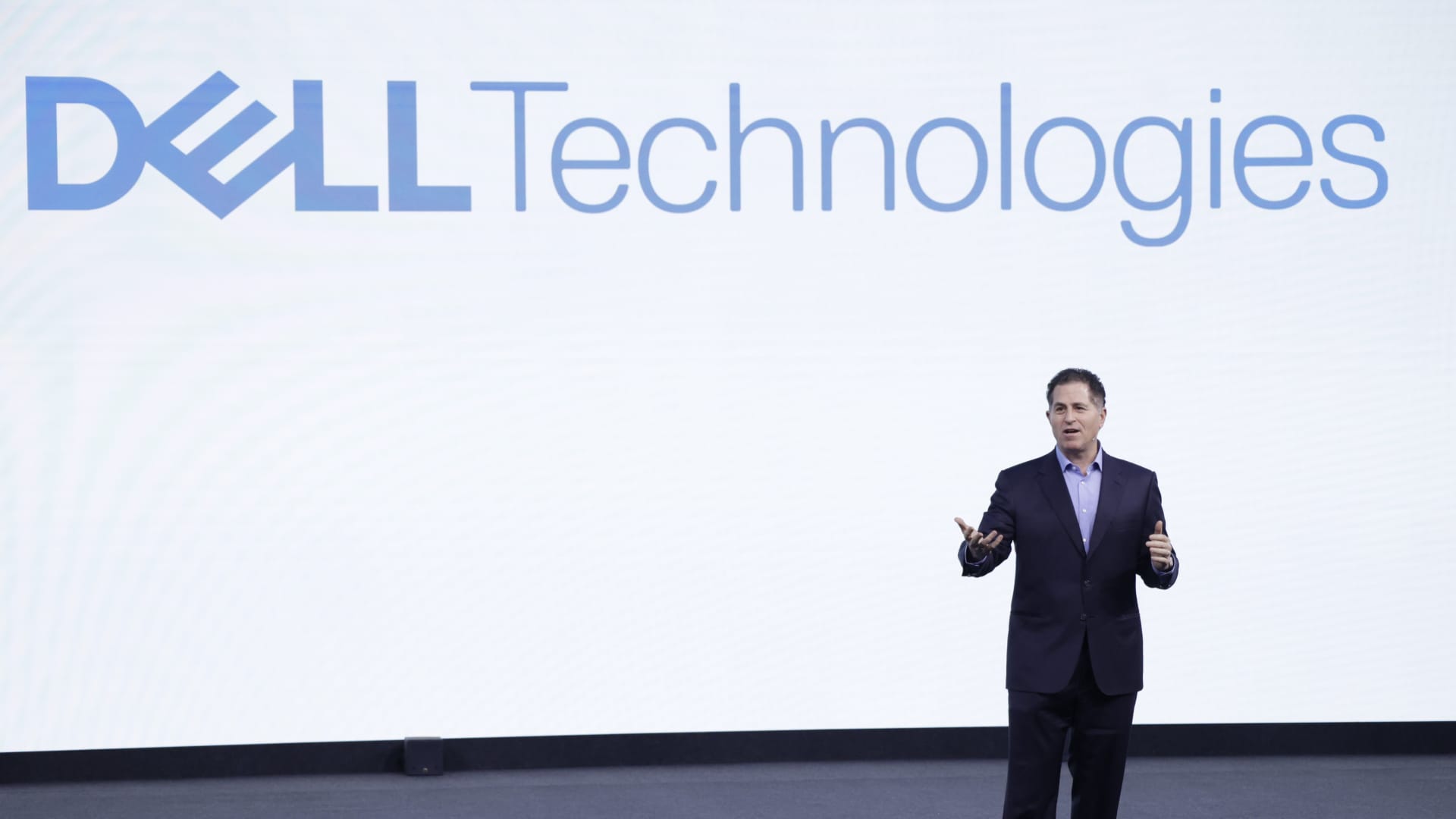
- Dell Technologies Surge: Dell Technologies' shares jumped 29% after raising its full-year guidance, projecting adjusted earnings of $17.90 per share and revenue between $165 billion and $169 billion, significantly exceeding analyst expectations, showcasing strong market demand recovery.
- American Eagle's Poor Performance: American Eagle Outfitters' shares dropped 13% as comparable sales at its American Eagle banner fell 2% in Q1, with second-quarter guidance disappointing analysts, highlighting the sales pressure and intensified competition it faces.

U.S. Stock Indices Reach All-Time Highs Amid Positive Market Sentiment


- Market Optimism: The U.S. stock indices reached all-time highs today, with the S&P 500 up 0.41%, the Dow Jones up 0.43%, and the Nasdaq 100 up 0.66%, driven by improved prospects for a peace deal in the Middle East, reflecting investor confidence in economic recovery.
- Tech Stock Surge: Dell Technologies surged over 30% after providing a sales outlook that exceeded analyst expectations, highlighting relentless demand for AI infrastructure upgrades, which further boosted the entire tech sector's attractiveness to investors.
- Crude Oil Price Decline: Crude oil prices fell more than 1% to a five-week low due to a preliminary agreement between the U.S. and Iran, easing inflation concerns and fostering optimism about a potential recovery in oil supply, which could benefit related industries.
- Strong Corporate Earnings: As of now, 84% of S&P 500 companies have beaten Q1 earnings estimates, with overall earnings projected to rise 12% year-over-year, although excluding the tech sector, growth is only expected at 3%, indicating market reliance on tech for future growth amidst uncertainty.
Autodesk Reports Strong Q1 2027 Earnings and Acquisition Plans
- Strong Financial Performance: Autodesk reported an 18% year-over-year increase in total revenue for Q1, with a 16% rise in constant currency, and the new transaction model contributed approximately 3.5 percentage points to revenue growth, indicating sustained strength in construction and emerging markets.
- Strategic Acquisition of MaintainX: Autodesk announced its acquisition of MaintainX, which is expected to expand its operations solutions and unlock a $40 billion market opportunity, with plans to absorb the margin dilution from this transaction within the fiscal year, demonstrating a proactive approach to market expansion.
- Upward Guidance Revision: CFO Moorjani raised the fiscal 2027 revenue guidance to between $8.155 billion and $8.215 billion, with GAAP operating margin expectations of 26% to 28%, reflecting confidence in future performance while also accounting for temporary risks associated with the sales optimization plan.
- Share Repurchase Program: The company reported free cash flow of $876 million in Q1 and repurchased 1.9 million shares for $448 million, indicating Autodesk's ongoing commitment to enhancing shareholder value while also providing funding for future investments.
Earnings Week: Strong Performance in Tech and Consumer Sectors
- Earnings Beat Expectations: Out of 12 notable companies reporting this week, 11 exceeded Wall Street's EPS expectations, indicating robust profitability across sectors, with only one firm falling short, reflecting overall market health.
- Salesforce's Strong Performance: Salesforce reported a fiscal Q1 2027 EPS of $3.88, a 50% year-over-year increase, and raised its full-year revenue guidance to $46.05 billion; however, shares fell approximately 3% in after-hours trading due to a weaker Q2 outlook.
- Dell's Record Revenue: Dell Technologies achieved a record Q1 revenue of $43.8 billion, an 88% year-over-year increase, and raised its fiscal 2027 revenue forecast to $165 billion to $169 billion, surpassing analyst expectations of $142.12 billion, showcasing strong market demand.
- AutoZone's Robust Results: AutoZone announced a Q1 GAAP EPS of $38.07, beating expectations by $1.90, with a 16.6% increase in same-store sales internationally, indicating the company's sustained competitiveness in the retail market.
US Stock Indices Reach All-Time Highs Amid Positive Economic Signals
- Strong Market Performance: The S&P 500 rose by 0.22%, the Dow Jones Industrial Average increased by 0.72%, and the Nasdaq 100 climbed by 0.36%, with all three indices reaching new all-time highs, reflecting market confidence in economic recovery.
- Tech Stocks Lead Gains: Dell Technologies surged 32% after reporting Q1 total revenue of $43.84 billion, significantly exceeding the consensus estimate of $35.52 billion, and raised its 2027 revenue forecast to between $165 billion and $169 billion, indicating strong market demand and growth potential.
- Positive Economic Data: The May Chicago PMI rose by 13.5 to 62.7, far surpassing expectations of 50.3, marking the fastest expansion pace in 4.25 years, which further bolstered market confidence in stocks.
- Oil Price Decline Benefits Stocks: Crude oil prices fell over 1% to a five-week low due to a preliminary agreement between the US and Iran, easing inflation concerns and supporting the upward trend in the stock market.
US Stock Indices Reach All-Time Highs Amid Positive Economic Signals
- Market Surge: The S&P 500 rose by 0.21%, the Dow Jones Industrial Average increased by 0.65%, and the Nasdaq 100 climbed by 0.25%, with all three indices reaching new all-time highs, reflecting strong market confidence in economic recovery.
- Tech Stocks Rally: Dell Technologies surged over 31% after reporting Q1 total revenue of $43.84 billion, significantly exceeding the consensus estimate of $35.52 billion, and raised its 2027 revenue forecast to $165 billion to $169 billion, indicating robust demand for AI infrastructure.
- Positive Economic Indicators: The May MNI Chicago PMI jumped 13.5 to 62.7, well above the expected 50.3, marking the strongest expansion pace in 4.25 years, which supports the bullish sentiment in the stock market.
- Oil Price Decline: Crude oil prices fell more than 1% to a five-week low as the US and Iran tentatively agreed to extend a ceasefire, easing inflation concerns and fostering optimism about the economic outlook.
Energy Stocks Decline as Nextpower Acquires Battery Firm
- Energy Sector Decline: Energy stocks fell for the fourth consecutive day after President Trump indicated a potential deal to end the U.S.-Iran conflict, with OneOK leading the S&P 500 energy sector down over 3%, reflecting market concerns about the industry's outlook.
- Nextpower Acquisition: Nextpower's stock surged 13% following its announcement of acquiring battery storage company Prevalon Energy for approximately $365 million, while also raising its full-year revenue guidance, indicating its strategic expansion in the renewable energy sector.
- Dell Technologies Surge: Dell Technologies' shares jumped 29% after raising its full-year guidance, projecting adjusted earnings of $17.90 per share and revenue between $165 billion and $169 billion, significantly exceeding analyst expectations, showcasing strong market demand recovery.
- American Eagle's Poor Performance: American Eagle Outfitters' shares dropped 13% as comparable sales at its American Eagle banner fell 2% in Q1, with second-quarter guidance disappointing analysts, highlighting the sales pressure and intensified competition it faces.
U.S. Stock Indices Reach All-Time Highs Amid Positive Market Sentiment
- Market Optimism: The U.S. stock indices reached all-time highs today, with the S&P 500 up 0.41%, the Dow Jones up 0.43%, and the Nasdaq 100 up 0.66%, driven by improved prospects for a peace deal in the Middle East, reflecting investor confidence in economic recovery.
- Tech Stock Surge: Dell Technologies surged over 30% after providing a sales outlook that exceeded analyst expectations, highlighting relentless demand for AI infrastructure upgrades, which further boosted the entire tech sector's attractiveness to investors.
- Crude Oil Price Decline: Crude oil prices fell more than 1% to a five-week low due to a preliminary agreement between the U.S. and Iran, easing inflation concerns and fostering optimism about a potential recovery in oil supply, which could benefit related industries.
- Strong Corporate Earnings: As of now, 84% of S&P 500 companies have beaten Q1 earnings estimates, with overall earnings projected to rise 12% year-over-year, although excluding the tech sector, growth is only expected at 3%, indicating market reliance on tech for future growth amidst uncertainty.