Apollo Global Management Inc experiences stock decline amid market context
Apollo Global Management Inc (APO) saw a price decline of 5.00%, crossing below its 5-day SMA. This movement occurs as the Nasdaq-100 (QQQ) is up 0.15% while the S&P 500 (SPY) is down 0.05%, indicating mixed market conditions.
The decline in APO's stock price is attributed to sector rotation, as the company is facing challenges despite the overall market's mixed performance. Recent news highlights that Apollo is set to release its Q4 and full year 2025 financial results on February 9, 2026, which may be contributing to investor caution. Additionally, the company is involved in significant financing activities, such as Russell Investments completing a $1.225 billion financing with Apollo-managed funds, reflecting ongoing strategic partnerships.
Investors are closely monitoring Apollo's upcoming earnings report and its strategic initiatives in the alternative asset management sector. The mixed market conditions and the company's upcoming financial disclosures may lead to further volatility in its stock price.
Trade with 70% Backtested Accuracy
Analyst Views on APO

About APO
About the author


Wealthy Investors Continue to Withdraw from Private Credit Funds

- Ongoing Redemption Trend: Jim Zelter, President of Apollo Global Management, indicated that wealthy individuals are expected to continue withdrawing from certain private credit funds after several months of outflows, reflecting widespread doubts about private credit, particularly concerning loan valuations and how borrowers will manage disruptions from artificial intelligence.
- Outflow Situation: Earlier this year, investors withdrew more money than they invested from funds primarily aimed at the retail market that lend to midsized companies, indicating a weakening confidence in private credit, despite these funds showing 'solid' performance in March, April, and May.
- Impact of Redemption Mechanism: Zelter noted that while the funds performed well, he does not expect a 'dramatic decrease' in the redemption rate, as fund managers typically offer to buy back up to 5% per quarter, which may lead to more investors attempting to 'game the system'.
- Investor Behavior Analysis: He mentioned that investors in certain regions accessing the funds through different channels are proving to be 'stickier', indicating that the company is learning who its long-term partners are and who are the short-term 'tourists'.

Apollo Global Management to Acquire Minority Stake in Apex Service Partners
- Acquisition Overview: Apollo Global Management (APO) is set to acquire a minority stake in Apex Service Partners, a company specializing in residential HVAC, plumbing, and electrical services, which will enhance Apollo's investment portfolio in the services sector.
- Existing Investor Support: Apex's current investor, Alpine, is also making an additional investment to support the company's continued growth, demonstrating confidence and commitment to Apex's future development.
- Financial Terms Undisclosed: The financial terms of the transaction have not been disclosed; however, Apollo's involvement is expected to provide Apex with additional resources and market opportunities to expand in a competitive landscape.
- Expected Closing Timeline: The transaction is anticipated to close in the fourth quarter of 2026, providing Apex ample time to integrate resources and formulate growth strategies for long-term business development.
Private Credit Market Faces Profitability Risks Amid Losses
- Profitability Risks Intensify: A Reuters analysis of 51 business development companies revealed that unrealized losses reached 2.35% of net asset value in Q1 2026, marking the steepest quarterly loss since Q2 2022, raising concerns over the profitability of the private credit sector.
- Deteriorating Credit Conditions: Analysts at BofA Global Research noted a modest yet unmistakable credit deterioration across the BDC sector, with stagnant asset management growth and weaker fundamentals, as more companies reported earnings contractions than growth, indicating potential underlying stress in the future.
- Interest Income Shift: The study found that BDCs reported approximately $477 million in payment-in-kind (PIK) interest income in Q1, a 2% increase from the previous quarter but below the early 2025 peak of $633 million, suggesting financial strain among borrowers.
- Investor Redemption Trends: Jim Zelter, President of Apollo Global Management, indicated that wealthy individuals are likely to continue withdrawing from private credit funds after several months of outflows, despite solid underlying performance in March, April, and May, suggesting ongoing turbulence in the market.

Anthropic Secures $36B Debt Financing for AI Infrastructure Expansion
- Massive Financing: Anthropic is seeking approximately $36 billion in debt financing through Apollo Global Management and Blackstone to expand its AI infrastructure, reflecting the company's ambitions and strong market demand in the AI sector.
- Technology Acquisition Plan: The debt will be used to purchase Google's custom chips (TPUs), which Anthropic plans to lease, thereby enhancing its computing power and accelerating the training and deployment of AI models, further solidifying its market position.
- Partner Support: Broadcom, as a partner in chip development, is backstopping payments on the largest parts of the deal, indicating that industry collaboration and resource integration will drive technological advancements and market competition.
- Private Debt Structure: This debt syndication is private, meaning only invited investors can participate, with Apollo and Blackstone planning to sell down some debt while retaining a significant portion, demonstrating confidence in Anthropic's future growth.

Apollo and Blackstone Drive $36 Billion Debt Financing for Anthropic
- Large Financing Scale: Apollo Global Management and Blackstone are working to raise approximately $36 billion in debt financing for AI startup Anthropic PBC to support its AI infrastructure expansion, indicating strong market interest in the AI sector.
- Custom Chip Procurement: The debt financing will be used to purchase custom chips, with Broadcom backing payments and assisting Google in developing these chips, further solidifying its position in the AI hardware market.
- Investor Participation: Investors are being asked to submit orders this week, with the deal expected to close next week, reflecting high market attention on the transaction and investor confidence in the future of the AI industry.
- Flexible Deal Terms: Although discussions are ongoing, the terms of the deal could still change, highlighting the dynamic and complex nature of the market environment that may influence investor decisions.
Private Credit Defaults Expected to Rise to Record Levels


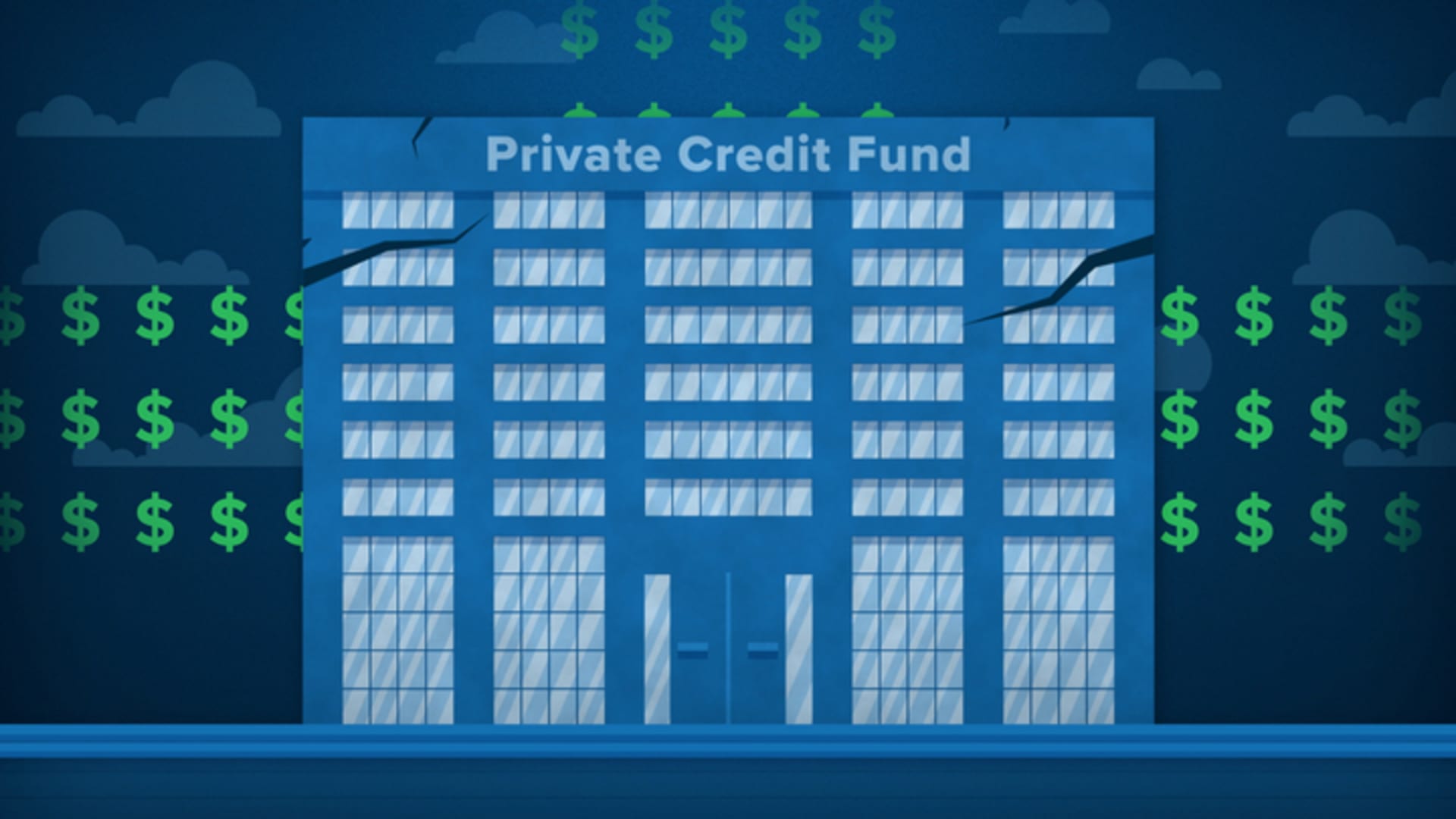
- Rising Default Rates: According to S&P, private credit defaults are expected to increase from 4.4% to 9-10%, primarily driven by the implications of the AI cycle, which may exacerbate risks associated with corporate loans and undermine investor confidence.
- Software Sector Pressure: The software industry accounts for 19% of private credit collateralized loan obligations, and as growth slows and margins compress, the repayment capacity of these loans is expected to be negatively impacted, adding to market uncertainty.
- Liquidity Crisis: With constrained liquidity, investors are beginning to attempt to withdraw funds, particularly with significant withdrawal requests anticipated in June, which could exert further pressure on the market and lead to more default events.
- Pension Fund Risks: While some large state pension funds continue to maintain investments in private credit, their significant risk exposure could have spillover effects on the broader financial markets, especially given that banks have loaned approximately $300 billion to private credit, potentially putting retail investors at risk.
Wealthy Investors Continue to Withdraw from Private Credit Funds
- Ongoing Redemption Trend: Jim Zelter, President of Apollo Global Management, indicated that wealthy individuals are expected to continue withdrawing from certain private credit funds after several months of outflows, reflecting widespread doubts about private credit, particularly concerning loan valuations and how borrowers will manage disruptions from artificial intelligence.
- Outflow Situation: Earlier this year, investors withdrew more money than they invested from funds primarily aimed at the retail market that lend to midsized companies, indicating a weakening confidence in private credit, despite these funds showing 'solid' performance in March, April, and May.
- Impact of Redemption Mechanism: Zelter noted that while the funds performed well, he does not expect a 'dramatic decrease' in the redemption rate, as fund managers typically offer to buy back up to 5% per quarter, which may lead to more investors attempting to 'game the system'.
- Investor Behavior Analysis: He mentioned that investors in certain regions accessing the funds through different channels are proving to be 'stickier', indicating that the company is learning who its long-term partners are and who are the short-term 'tourists'.
Apollo Global Management to Acquire Minority Stake in Apex Service Partners
- Acquisition Overview: Apollo Global Management (APO) is set to acquire a minority stake in Apex Service Partners, a company specializing in residential HVAC, plumbing, and electrical services, which will enhance Apollo's investment portfolio in the services sector.
- Existing Investor Support: Apex's current investor, Alpine, is also making an additional investment to support the company's continued growth, demonstrating confidence and commitment to Apex's future development.
- Financial Terms Undisclosed: The financial terms of the transaction have not been disclosed; however, Apollo's involvement is expected to provide Apex with additional resources and market opportunities to expand in a competitive landscape.
- Expected Closing Timeline: The transaction is anticipated to close in the fourth quarter of 2026, providing Apex ample time to integrate resources and formulate growth strategies for long-term business development.
Private Credit Market Faces Profitability Risks Amid Losses
- Profitability Risks Intensify: A Reuters analysis of 51 business development companies revealed that unrealized losses reached 2.35% of net asset value in Q1 2026, marking the steepest quarterly loss since Q2 2022, raising concerns over the profitability of the private credit sector.
- Deteriorating Credit Conditions: Analysts at BofA Global Research noted a modest yet unmistakable credit deterioration across the BDC sector, with stagnant asset management growth and weaker fundamentals, as more companies reported earnings contractions than growth, indicating potential underlying stress in the future.
- Interest Income Shift: The study found that BDCs reported approximately $477 million in payment-in-kind (PIK) interest income in Q1, a 2% increase from the previous quarter but below the early 2025 peak of $633 million, suggesting financial strain among borrowers.
- Investor Redemption Trends: Jim Zelter, President of Apollo Global Management, indicated that wealthy individuals are likely to continue withdrawing from private credit funds after several months of outflows, despite solid underlying performance in March, April, and May, suggesting ongoing turbulence in the market.
Anthropic Secures $36B Debt Financing for AI Infrastructure Expansion
- Massive Financing: Anthropic is seeking approximately $36 billion in debt financing through Apollo Global Management and Blackstone to expand its AI infrastructure, reflecting the company's ambitions and strong market demand in the AI sector.
- Technology Acquisition Plan: The debt will be used to purchase Google's custom chips (TPUs), which Anthropic plans to lease, thereby enhancing its computing power and accelerating the training and deployment of AI models, further solidifying its market position.
- Partner Support: Broadcom, as a partner in chip development, is backstopping payments on the largest parts of the deal, indicating that industry collaboration and resource integration will drive technological advancements and market competition.
- Private Debt Structure: This debt syndication is private, meaning only invited investors can participate, with Apollo and Blackstone planning to sell down some debt while retaining a significant portion, demonstrating confidence in Anthropic's future growth.
Apollo and Blackstone Drive $36 Billion Debt Financing for Anthropic
- Large Financing Scale: Apollo Global Management and Blackstone are working to raise approximately $36 billion in debt financing for AI startup Anthropic PBC to support its AI infrastructure expansion, indicating strong market interest in the AI sector.
- Custom Chip Procurement: The debt financing will be used to purchase custom chips, with Broadcom backing payments and assisting Google in developing these chips, further solidifying its position in the AI hardware market.
- Investor Participation: Investors are being asked to submit orders this week, with the deal expected to close next week, reflecting high market attention on the transaction and investor confidence in the future of the AI industry.
- Flexible Deal Terms: Although discussions are ongoing, the terms of the deal could still change, highlighting the dynamic and complex nature of the market environment that may influence investor decisions.
Private Credit Defaults Expected to Rise to Record Levels
- Rising Default Rates: According to S&P, private credit defaults are expected to increase from 4.4% to 9-10%, primarily driven by the implications of the AI cycle, which may exacerbate risks associated with corporate loans and undermine investor confidence.
- Software Sector Pressure: The software industry accounts for 19% of private credit collateralized loan obligations, and as growth slows and margins compress, the repayment capacity of these loans is expected to be negatively impacted, adding to market uncertainty.
- Liquidity Crisis: With constrained liquidity, investors are beginning to attempt to withdraw funds, particularly with significant withdrawal requests anticipated in June, which could exert further pressure on the market and lead to more default events.
- Pension Fund Risks: While some large state pension funds continue to maintain investments in private credit, their significant risk exposure could have spillover effects on the broader financial markets, especially given that banks have loaned approximately $300 billion to private credit, potentially putting retail investors at risk.