Albertsons Companies Inc faces decline amid market conditions

Albertsons Companies Inc (ACI) experienced a price drop of 3.11%, hitting a 20-day low. This decline comes as the broader market shows signs of weakness, with the Nasdaq-100 down 0.19% and the S&P 500 down 0.10%.
The stock's movement is attributed to sector rotation, as the company has not announced any significant new developments or catalysts that would drive its performance positively. Recent news about Albertsons includes the launch of the inaugural Alby Awards and a $400K innovation competition, but these events do not appear to have had an immediate impact on the stock price.
Investors may be cautious as they assess the overall market environment and the implications of recent consumer behavior trends, particularly in the food and retail sectors. The ongoing economic pressures could influence future performance, making it essential for Albertsons to adapt to changing market dynamics.
Trade with 70% Backtested Accuracy
Analyst Views on ACI

About ACI
About the author

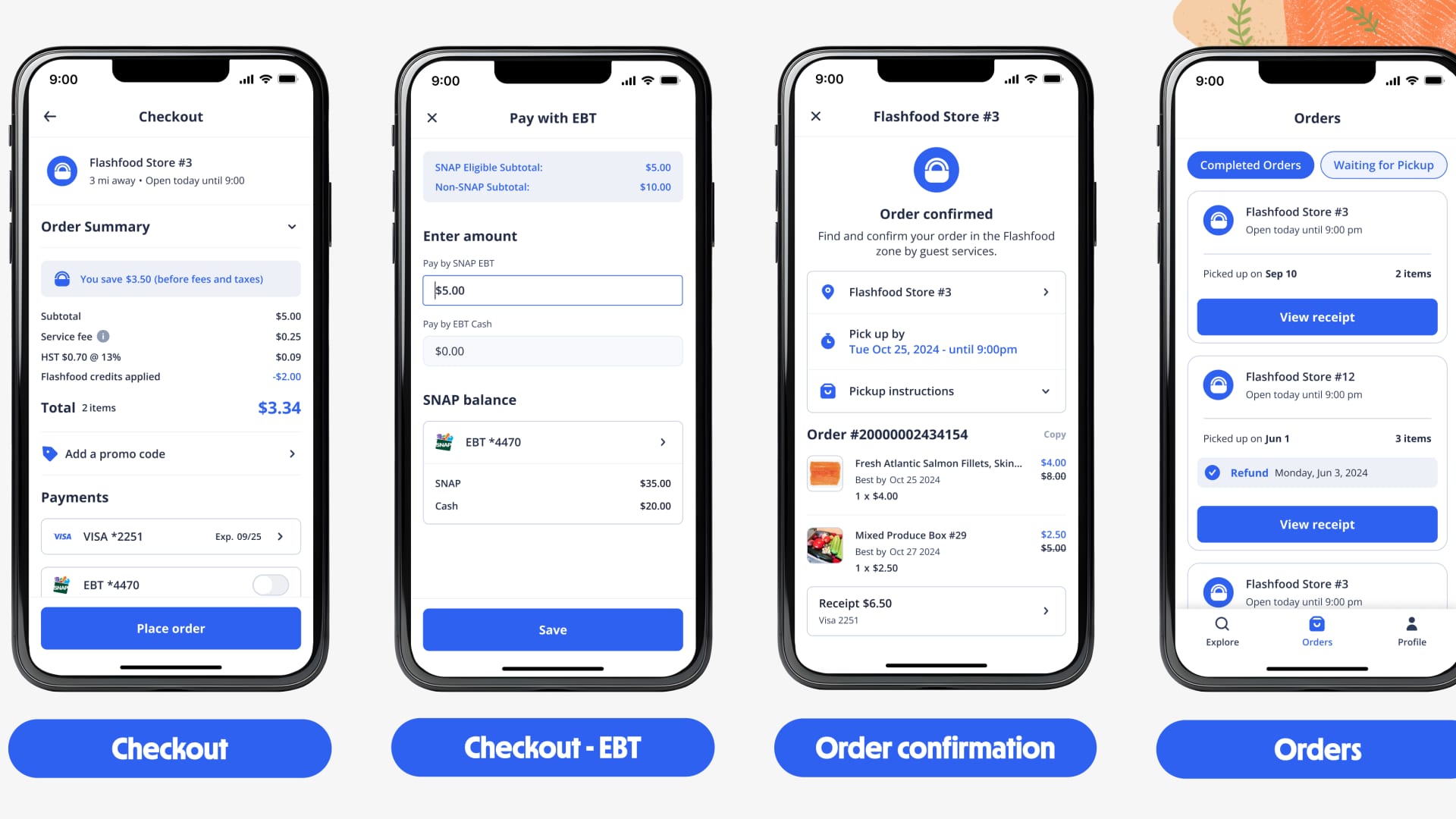
Kroger Leverages AI to Optimize Food Pricing

- AI-Driven Pricing Strategy: Kroger is utilizing AI to adjust pricing on perishable items, aiming to reduce the approximately 30% of food waste that translates to nearly $18.2 billion in losses annually, thereby enhancing profit margins and improving customer experience.
- Intensified Market Competition: With 89% of consumers seeking discounts, Kroger's Flashfood app aids grocers in dynamic pricing, expected to attract more customers and increase average shopping frequency by nearly four additional trips per month, further driving sales growth.
- Inventory Loss Reduction: Flashfood's partners have reduced shrink by an average of 27%, while also increasing customer traffic, indicating that targeted discount strategies can effectively boost sales and minimize food waste.
- Data-Driven Decision Making: Kroger leverages consumer behavior data generated by AI to optimize product pricing and inventory management, enhancing margins on fresh foods and bakery items, showcasing its leadership in data application.

Albertsons Reaches $774 Million Opioid Settlement Framework
- Settlement Framework: Albertsons Companies, Inc. has announced a $774 million settlement framework to resolve nearly all opioid-related claims from state, local, and tribal governments across the U.S., indicating a proactive approach to legal challenges.
- No Admission of Wrongdoing: The settlement does not imply any admission of wrongdoing or liability by Albertsons, highlighting the company's stance on legal accountability and aiming to protect its reputation while mitigating future legal risks.
- Stock Price Fluctuation: ACI closed at $16.34 on April 14, down $0.51 or 3.03%, but showed a modest rebound in after-hours trading, rising to $16.56, an increase of $0.22 or 1.35%, reflecting market reactions to the settlement news.
- Conditional Implementation: The agreement's execution is contingent upon certain conditions being met, demonstrating the company's cautious approach to navigating complex legal matters, which may also impact future financial planning and investor confidence.
Albertsons Companies Q4 Fiscal 2025 Earnings Call Insights
- Sales Growth: Albertsons reported a 0.7% increase in identical sales for Q4 fiscal 2025, despite facing headwinds in its pharmacy business, indicating resilience in a competitive market.
- Profitability Metrics: The adjusted EBITDA reached $903 million, exceeding expectations, reflecting positive outcomes in cost control and operational efficiency, which helps bolster investor confidence.
- Shareholder Return Strategy: The company returned over $1.8 billion to shareholders in fiscal 2025, including $322 million in dividends and nearly $1.5 billion in share repurchases, demonstrating a strong commitment to capital management and shareholder value.
- Future Outlook: Management guided identical sales growth for fiscal 2026 to be between 0% and 2.5%, facing ongoing pharmacy sales pressures, but aims for a transition to earnings growth through strategies like digitalization and supply chain optimization.
Albertsons Reaches $774M Opioid Settlement Amid Mixed Q4 Results
- Settlement Agreement: Albertsons has reached a $774 million opioid settlement with state, local, and tribal governments, which, while not admitting any wrongdoing, significantly aids in resolving most related litigation, thereby reducing future legal risks.
- Mixed Financial Results: Despite a 7.7% year-over-year sales increase to $20.25 billion, driven by a 16% rise in digital sales and a 0.7% increase in pharmacy transactions, the results fell short of expectations by $200 million, putting the company under greater market pressure.
- Slight Profit Growth: The company reported an adjusted profit of $0.48 per share, up 2 cents from last year and beating expectations by 4 cents, indicating resilience in profitability amidst adverse conditions, although it does not mask the overall weakness in financial performance.
- Cautious Future Outlook: Albertsons anticipates flat to 1% growth in identical sales for FY26, with full-year profit projections between $2.22 and $2.32 per share, closely aligning with consensus estimates, yet reflecting a cautious stance on future growth.

Albertsons Q4 Earnings Beat Expectations Despite Revenue Miss
- Earnings Beat: Albertsons reported a Q4 non-GAAP EPS of $0.48, exceeding expectations by $0.04, indicating resilience in profitability despite facing multiple challenges.
- Revenue Miss: Total revenue reached $20.25 billion, a 7.7% year-over-year increase, yet fell short of expectations by $200 million, reflecting the impact of store closures on overall performance.
- Strong Digital Sales: The company experienced a 16% increase in digital sales during Q4, showcasing success in its digital transformation, although overall sales were pressured by pricing headwinds in pharmacy sales.
- Cautious Outlook: For fiscal 2026, Albertsons anticipates identical sales growth between 0.0% and 1.0%, with adjusted EBITDA projected between $3.85 billion and $3.925 billion, indicating uncertainty in future market conditions.
Albertsons Companies Announces Quarterly Dividend Increase
- Dividend Increase: Albertsons Companies has declared a quarterly dividend increase from $0.15 to $0.17 per share, representing a 13.3% rise, which indicates ongoing improvements in profitability and cash flow, thereby boosting investor confidence.
- Stable Yield: The forward yield of 4.04% not only attracts income-seeking investors but also enhances the stock's market appeal, potentially stabilizing its price amidst market fluctuations.
- Payment Schedule: The dividend will be payable on May 8, with a record date of April 24 and an ex-dividend date also on April 24, ensuring shareholders receive their returns promptly, which further solidifies shareholder loyalty.
- Market Reaction: With the dividend increase, market attention on Albertsons stock may rise, prompting investors to closely monitor the company's future financial performance and potential growth opportunities.
Kroger Leverages AI to Optimize Food Pricing
- AI-Driven Pricing Strategy: Kroger is utilizing AI to adjust pricing on perishable items, aiming to reduce the approximately 30% of food waste that translates to nearly $18.2 billion in losses annually, thereby enhancing profit margins and improving customer experience.
- Intensified Market Competition: With 89% of consumers seeking discounts, Kroger's Flashfood app aids grocers in dynamic pricing, expected to attract more customers and increase average shopping frequency by nearly four additional trips per month, further driving sales growth.
- Inventory Loss Reduction: Flashfood's partners have reduced shrink by an average of 27%, while also increasing customer traffic, indicating that targeted discount strategies can effectively boost sales and minimize food waste.
- Data-Driven Decision Making: Kroger leverages consumer behavior data generated by AI to optimize product pricing and inventory management, enhancing margins on fresh foods and bakery items, showcasing its leadership in data application.
Albertsons Reaches $774 Million Opioid Settlement Framework
- Settlement Framework: Albertsons Companies, Inc. has announced a $774 million settlement framework to resolve nearly all opioid-related claims from state, local, and tribal governments across the U.S., indicating a proactive approach to legal challenges.
- No Admission of Wrongdoing: The settlement does not imply any admission of wrongdoing or liability by Albertsons, highlighting the company's stance on legal accountability and aiming to protect its reputation while mitigating future legal risks.
- Stock Price Fluctuation: ACI closed at $16.34 on April 14, down $0.51 or 3.03%, but showed a modest rebound in after-hours trading, rising to $16.56, an increase of $0.22 or 1.35%, reflecting market reactions to the settlement news.
- Conditional Implementation: The agreement's execution is contingent upon certain conditions being met, demonstrating the company's cautious approach to navigating complex legal matters, which may also impact future financial planning and investor confidence.
Albertsons Companies Q4 Fiscal 2025 Earnings Call Insights
- Sales Growth: Albertsons reported a 0.7% increase in identical sales for Q4 fiscal 2025, despite facing headwinds in its pharmacy business, indicating resilience in a competitive market.
- Profitability Metrics: The adjusted EBITDA reached $903 million, exceeding expectations, reflecting positive outcomes in cost control and operational efficiency, which helps bolster investor confidence.
- Shareholder Return Strategy: The company returned over $1.8 billion to shareholders in fiscal 2025, including $322 million in dividends and nearly $1.5 billion in share repurchases, demonstrating a strong commitment to capital management and shareholder value.
- Future Outlook: Management guided identical sales growth for fiscal 2026 to be between 0% and 2.5%, facing ongoing pharmacy sales pressures, but aims for a transition to earnings growth through strategies like digitalization and supply chain optimization.
Albertsons Reaches $774M Opioid Settlement Amid Mixed Q4 Results
- Settlement Agreement: Albertsons has reached a $774 million opioid settlement with state, local, and tribal governments, which, while not admitting any wrongdoing, significantly aids in resolving most related litigation, thereby reducing future legal risks.
- Mixed Financial Results: Despite a 7.7% year-over-year sales increase to $20.25 billion, driven by a 16% rise in digital sales and a 0.7% increase in pharmacy transactions, the results fell short of expectations by $200 million, putting the company under greater market pressure.
- Slight Profit Growth: The company reported an adjusted profit of $0.48 per share, up 2 cents from last year and beating expectations by 4 cents, indicating resilience in profitability amidst adverse conditions, although it does not mask the overall weakness in financial performance.
- Cautious Future Outlook: Albertsons anticipates flat to 1% growth in identical sales for FY26, with full-year profit projections between $2.22 and $2.32 per share, closely aligning with consensus estimates, yet reflecting a cautious stance on future growth.
Albertsons Q4 Earnings Beat Expectations Despite Revenue Miss
- Earnings Beat: Albertsons reported a Q4 non-GAAP EPS of $0.48, exceeding expectations by $0.04, indicating resilience in profitability despite facing multiple challenges.
- Revenue Miss: Total revenue reached $20.25 billion, a 7.7% year-over-year increase, yet fell short of expectations by $200 million, reflecting the impact of store closures on overall performance.
- Strong Digital Sales: The company experienced a 16% increase in digital sales during Q4, showcasing success in its digital transformation, although overall sales were pressured by pricing headwinds in pharmacy sales.
- Cautious Outlook: For fiscal 2026, Albertsons anticipates identical sales growth between 0.0% and 1.0%, with adjusted EBITDA projected between $3.85 billion and $3.925 billion, indicating uncertainty in future market conditions.
Albertsons Companies Announces Quarterly Dividend Increase
- Dividend Increase: Albertsons Companies has declared a quarterly dividend increase from $0.15 to $0.17 per share, representing a 13.3% rise, which indicates ongoing improvements in profitability and cash flow, thereby boosting investor confidence.
- Stable Yield: The forward yield of 4.04% not only attracts income-seeking investors but also enhances the stock's market appeal, potentially stabilizing its price amidst market fluctuations.
- Payment Schedule: The dividend will be payable on May 8, with a record date of April 24 and an ex-dividend date also on April 24, ensuring shareholders receive their returns promptly, which further solidifies shareholder loyalty.
- Market Reaction: With the dividend increase, market attention on Albertsons stock may rise, prompting investors to closely monitor the company's future financial performance and potential growth opportunities.