HSBC Receives Strong Buy Upgrade: Implications for the Stock
HSBC Upgrade: HSBC has been upgraded to a Zacks Rank #1 (Strong Buy) due to an upward trend in earnings estimates, which is a significant factor influencing stock prices.
Earnings Estimates Impact: The Zacks rating system focuses on earnings estimate revisions, which have shown a strong correlation with near-term stock price movements, making it a valuable tool for investors.
Analyst Consensus: Over the past three months, the Zacks Consensus Estimate for HSBC has increased by 4.2%, indicating a positive outlook for the company's earnings potential.
Zacks Rating System: The Zacks Rank system classifies stocks based on earnings estimates, with only the top 5% receiving a "Strong Buy" rating, suggesting that HSBC's upgrade positions it for potential market-beating returns.
Trade with 70% Backtested Accuracy
Analyst Views on HSBC
About HSBC
About the author

Cisco's Strong Earnings Prompt Analyst Upgrade and Price Target Increase


- Earnings Beat Expectations: Cisco reported an adjusted earnings per share of $1.06 for the quarter ending April 25, surpassing the $1.04 expected by analysts, with revenue of $15.84 billion exceeding the $15.56 billion forecast, highlighting the company's strong performance in the AI sector.
- Analyst Upgrade: HSBC upgraded Cisco's rating from hold to buy and raised its price target from $77 to $137, indicating nearly 19% upside from Thursday's close, reflecting confidence in Cisco's future growth prospects.
- Significant Stock Surge: Following the earnings report, Cisco's shares surged 13%, and the stock has jumped 50% year-to-date, demonstrating market recognition of its AI business potential and reinforcing its leadership position in the tech sector.
- Future Growth Drivers: HSBC analysts noted that Cisco's main growth drivers will likely be hyperscaler AI build-outs and enterprise networking upgrades, and despite gross margin pressures, the company effectively manages through pricing, contract terms, and supply chain commitments, showcasing strong management capabilities.
HSBC Halts $4B Private Credit Fund Investment Plans
- Investment Decision Shift: HSBC has not transferred the previously announced $4 billion into its private credit funds and currently has no plans to do so, indicating a cautious stance towards the volatility in the U.S. private credit market.
- Market Environment Impact: The instability in the U.S. private credit market has led HSBC executives to lose confidence in the investment, which could diminish the company's competitiveness in this sector and affect future earnings.
- Asset Management Commitment: Despite halting the investment, HSBC stated it is “committed to our asset management’s offering in private credit funds,” suggesting that the company's long-term strategic intent in this area remains unchanged.
- External Rating Reactions: This decision by HSBC may impact external analysts' ratings of its stock, particularly in the current market environment, potentially leading to investor concerns regarding its future performance.
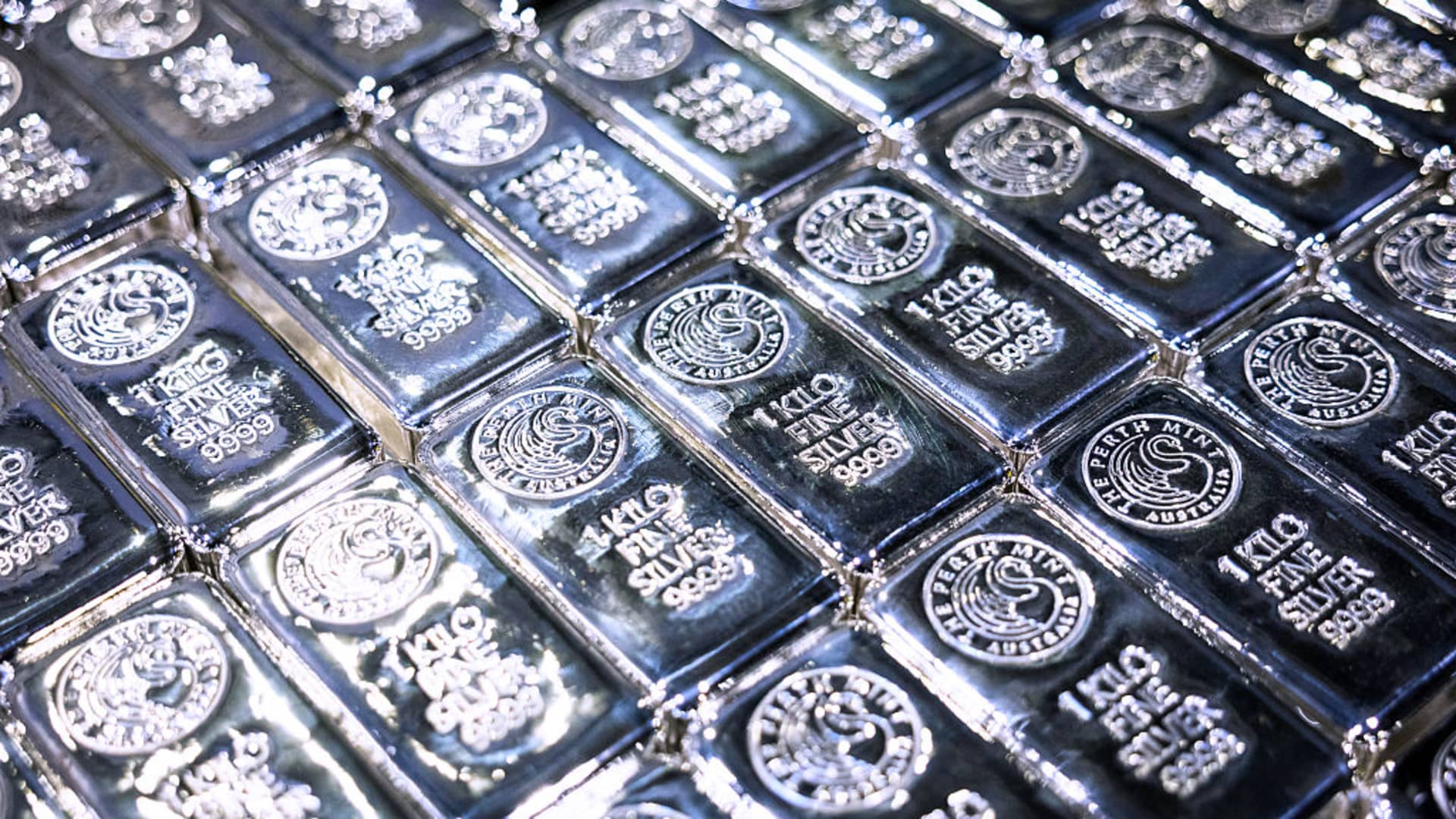
Silver Price Volatility and Market Outlook
- Extreme Price Volatility: On January 28, 2025, silver prices surged past $120 per ounce before crashing nearly 30% in a single day, highlighting extreme market instability that could undermine investor confidence.
- Signs of Market Recovery: Despite initial suppression during the Iran war, both spot silver and futures have risen 10% over the past month, currently trading around $87 per ounce, indicating a gradual market recovery.
- Analyst Insights: HSBC analysts argue that silver is 'fundamentally overvalued' with limited upside potential, suggesting that the gold:silver ratio may widen, indicating potential declines in silver prices even if gold rallies.
- Impact of Industrial Demand: As a critical component in various industrial goods, silver's price is more sensitive to economic cycles, and analysts warn that reduced industrial demand and increased supply may pressure prices further into 2026.
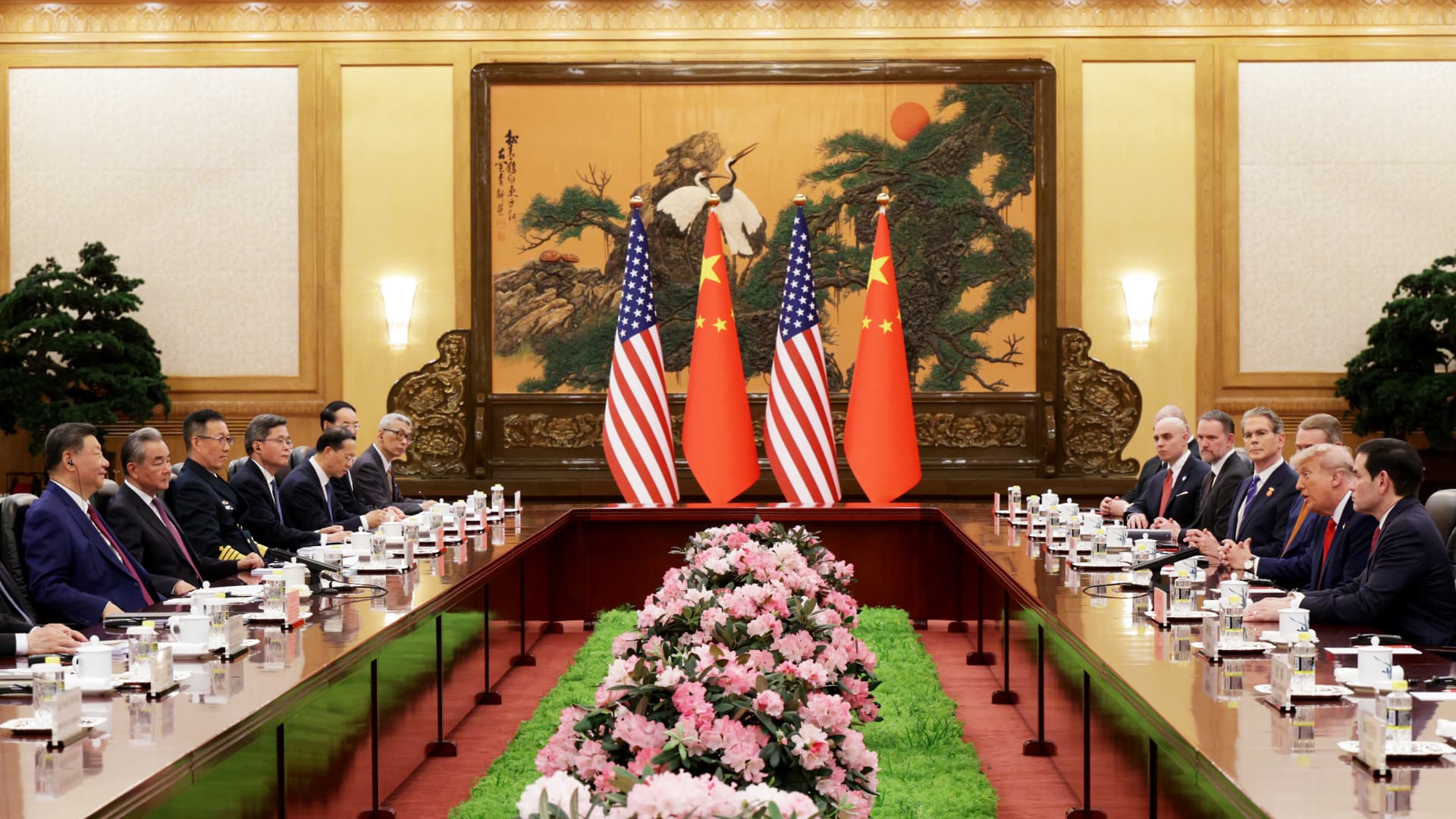
Trump and Xi's Historic Summit: A Potential Reset


- Resetting Relations: The summit between Trump and Xi could signify a reset in U.S.-China relations, with discussions on thorny issues such as agricultural and industrial goods purchases, tariffs, Taiwan, and rare earths, potentially leading to significant global economic implications.
- Trade Agreement Outlook: The Trump administration aims to push for increased Chinese purchases of American soybeans and Boeing aircraft, with analysts suggesting this could culminate in a formal trade agreement, thereby stabilizing economic relations between the two nations.
- Trend Towards Multipolarity: Taking place against a backdrop of global trade tensions and conflicts, analysts indicate that improved U.S.-China relations could facilitate a shift towards a multipolar world, diminishing the influence of unipolar hegemony.
- Executive Team Involvement: Trump's entourage includes executives from major companies like Tesla and Apple, raising expectations for a more favorable business environment, potentially leading to a large-scale agreement for American goods purchases, further strengthening economic ties between the two countries.
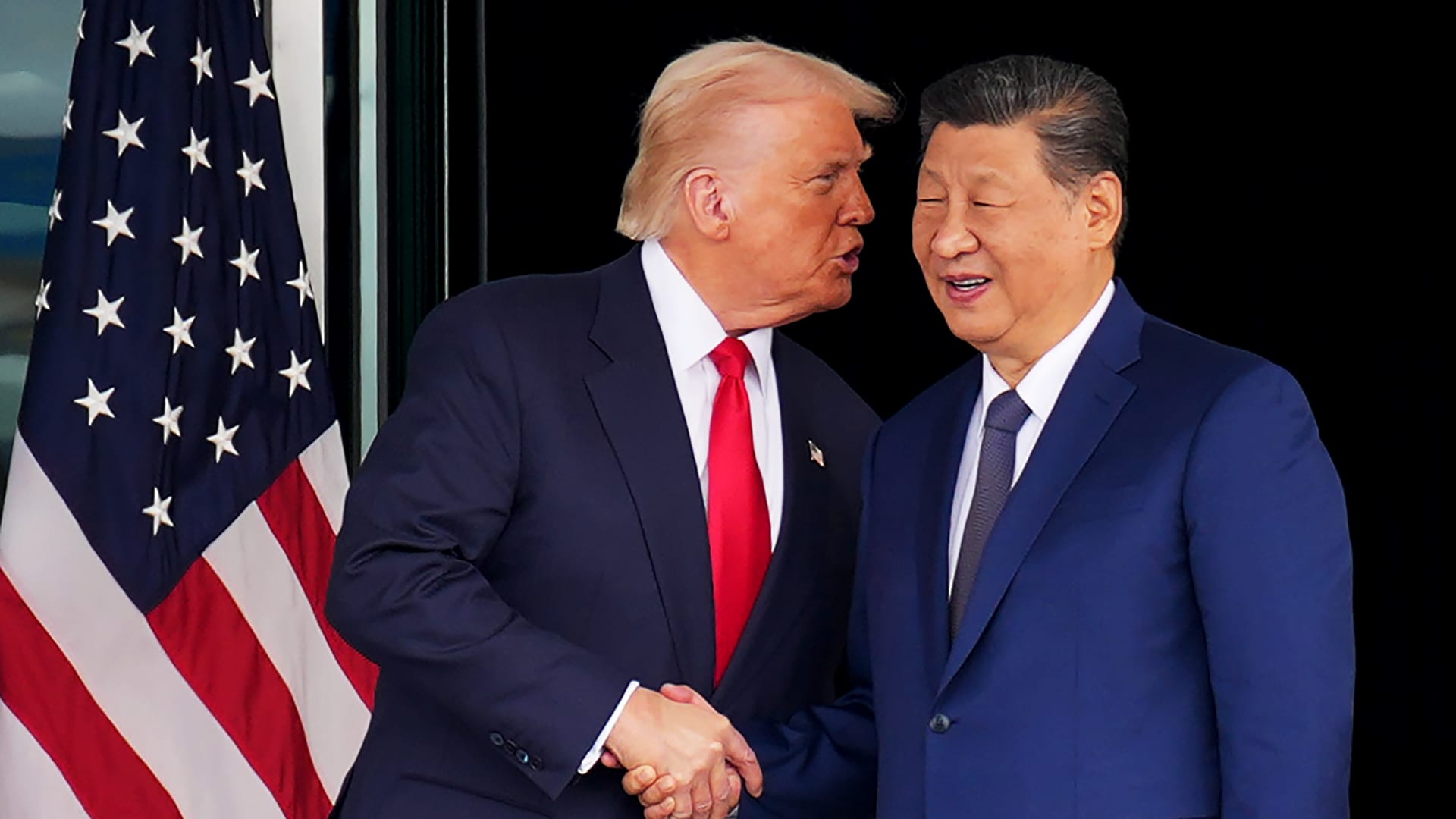
US-India Relations Face New Challenges Amidst US-China Summit


- Tension in US-India Relations: The shift in the Trump administration's China policy has strained US-India relations, with experts noting India's concerns that the US may prioritize China as the main negotiating partner, thereby diminishing India's strategic role in the Indo-Pacific.
- Need for Enhanced Strategic Value: To counter potential marginalization, India must establish more tangible cooperation with the US in sectors such as defense, maritime security, and critical minerals, thereby enhancing its strategic value and ensuring its importance in US-China relations.
- Changes in Trade Policy: The Trump administration's trade policy has become more transactional, with a 25% penalty tariff imposed on India last year for allegedly profiting from cheap Russian oil, further deteriorating bilateral relations.
- Concerns Over G2 Concept: India's attention to the US-China summit has intensified, with fears that the so-called 'G2' concept may marginalize middle powers like India, impacting its voice and influence in international affairs.
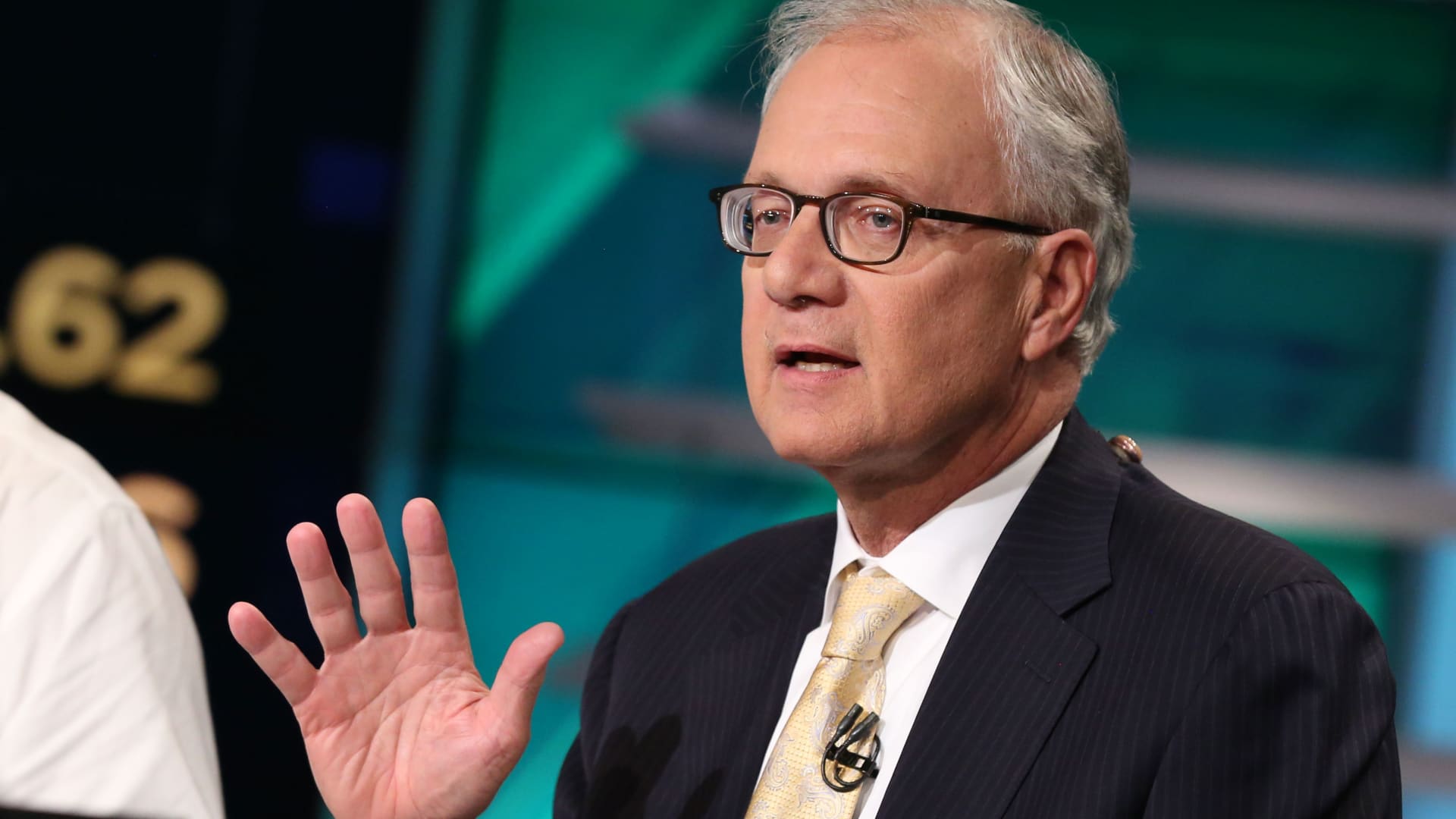
Stocks Hit Record Highs as Analysts Raise Earnings Forecasts

- Year-End Target Raised: Ed Yardeni, president of Yardeni Research, increased his year-end S&P 500 target from 7,700 to 8,250, representing an 11.5% upside from last Friday's close of 7,398.93, reflecting strong bullish sentiment driven by optimistic earnings forecasts from analysts.
- Strong Earnings Expectations: Over 400 S&P 500 companies have reported earnings, with 84% exceeding expectations; if this beat rate continues through the reporting period, it would mark the highest rate since Q2 2021, indicating a significant improvement in market profitability.
- Significant Earnings Growth: These companies have posted a remarkable 25.6% year-over-year earnings growth, far surpassing the five-year average of 7.1%, showcasing robust economic recovery and bolstering investor confidence in future market performance.
- Oil Price Impact on Outlook: Although high oil prices due to the U.S.-Iran conflict could dampen future earnings, with West Texas Intermediate futures soaring 71% this year, Yardeni remains optimistic about the economy and consumer resilience, as analysts are also raising earnings estimates for the upcoming quarters.
Cisco's Strong Earnings Prompt Analyst Upgrade and Price Target Increase
- Earnings Beat Expectations: Cisco reported an adjusted earnings per share of $1.06 for the quarter ending April 25, surpassing the $1.04 expected by analysts, with revenue of $15.84 billion exceeding the $15.56 billion forecast, highlighting the company's strong performance in the AI sector.
- Analyst Upgrade: HSBC upgraded Cisco's rating from hold to buy and raised its price target from $77 to $137, indicating nearly 19% upside from Thursday's close, reflecting confidence in Cisco's future growth prospects.
- Significant Stock Surge: Following the earnings report, Cisco's shares surged 13%, and the stock has jumped 50% year-to-date, demonstrating market recognition of its AI business potential and reinforcing its leadership position in the tech sector.
- Future Growth Drivers: HSBC analysts noted that Cisco's main growth drivers will likely be hyperscaler AI build-outs and enterprise networking upgrades, and despite gross margin pressures, the company effectively manages through pricing, contract terms, and supply chain commitments, showcasing strong management capabilities.
HSBC Halts $4B Private Credit Fund Investment Plans
- Investment Decision Shift: HSBC has not transferred the previously announced $4 billion into its private credit funds and currently has no plans to do so, indicating a cautious stance towards the volatility in the U.S. private credit market.
- Market Environment Impact: The instability in the U.S. private credit market has led HSBC executives to lose confidence in the investment, which could diminish the company's competitiveness in this sector and affect future earnings.
- Asset Management Commitment: Despite halting the investment, HSBC stated it is “committed to our asset management’s offering in private credit funds,” suggesting that the company's long-term strategic intent in this area remains unchanged.
- External Rating Reactions: This decision by HSBC may impact external analysts' ratings of its stock, particularly in the current market environment, potentially leading to investor concerns regarding its future performance.
Silver Price Volatility and Market Outlook
- Extreme Price Volatility: On January 28, 2025, silver prices surged past $120 per ounce before crashing nearly 30% in a single day, highlighting extreme market instability that could undermine investor confidence.
- Signs of Market Recovery: Despite initial suppression during the Iran war, both spot silver and futures have risen 10% over the past month, currently trading around $87 per ounce, indicating a gradual market recovery.
- Analyst Insights: HSBC analysts argue that silver is 'fundamentally overvalued' with limited upside potential, suggesting that the gold:silver ratio may widen, indicating potential declines in silver prices even if gold rallies.
- Impact of Industrial Demand: As a critical component in various industrial goods, silver's price is more sensitive to economic cycles, and analysts warn that reduced industrial demand and increased supply may pressure prices further into 2026.
Trump and Xi's Historic Summit: A Potential Reset
- Resetting Relations: The summit between Trump and Xi could signify a reset in U.S.-China relations, with discussions on thorny issues such as agricultural and industrial goods purchases, tariffs, Taiwan, and rare earths, potentially leading to significant global economic implications.
- Trade Agreement Outlook: The Trump administration aims to push for increased Chinese purchases of American soybeans and Boeing aircraft, with analysts suggesting this could culminate in a formal trade agreement, thereby stabilizing economic relations between the two nations.
- Trend Towards Multipolarity: Taking place against a backdrop of global trade tensions and conflicts, analysts indicate that improved U.S.-China relations could facilitate a shift towards a multipolar world, diminishing the influence of unipolar hegemony.
- Executive Team Involvement: Trump's entourage includes executives from major companies like Tesla and Apple, raising expectations for a more favorable business environment, potentially leading to a large-scale agreement for American goods purchases, further strengthening economic ties between the two countries.
US-India Relations Face New Challenges Amidst US-China Summit
- Tension in US-India Relations: The shift in the Trump administration's China policy has strained US-India relations, with experts noting India's concerns that the US may prioritize China as the main negotiating partner, thereby diminishing India's strategic role in the Indo-Pacific.
- Need for Enhanced Strategic Value: To counter potential marginalization, India must establish more tangible cooperation with the US in sectors such as defense, maritime security, and critical minerals, thereby enhancing its strategic value and ensuring its importance in US-China relations.
- Changes in Trade Policy: The Trump administration's trade policy has become more transactional, with a 25% penalty tariff imposed on India last year for allegedly profiting from cheap Russian oil, further deteriorating bilateral relations.
- Concerns Over G2 Concept: India's attention to the US-China summit has intensified, with fears that the so-called 'G2' concept may marginalize middle powers like India, impacting its voice and influence in international affairs.
Stocks Hit Record Highs as Analysts Raise Earnings Forecasts
- Year-End Target Raised: Ed Yardeni, president of Yardeni Research, increased his year-end S&P 500 target from 7,700 to 8,250, representing an 11.5% upside from last Friday's close of 7,398.93, reflecting strong bullish sentiment driven by optimistic earnings forecasts from analysts.
- Strong Earnings Expectations: Over 400 S&P 500 companies have reported earnings, with 84% exceeding expectations; if this beat rate continues through the reporting period, it would mark the highest rate since Q2 2021, indicating a significant improvement in market profitability.
- Significant Earnings Growth: These companies have posted a remarkable 25.6% year-over-year earnings growth, far surpassing the five-year average of 7.1%, showcasing robust economic recovery and bolstering investor confidence in future market performance.
- Oil Price Impact on Outlook: Although high oil prices due to the U.S.-Iran conflict could dampen future earnings, with West Texas Intermediate futures soaring 71% this year, Yardeni remains optimistic about the economy and consumer resilience, as analysts are also raising earnings estimates for the upcoming quarters.