VisionWave Files Patent to Enhance Competitive Edge in AI Vision
Written by Emily J. Thompson, Senior Investment Analyst
Updated: Apr 30 2026
0mins


Source: Newsfilter
- Patent Application Overview: VisionWave Holdings filed a provisional patent application for its xCalibre™ visual intelligence platform on April 24, 2026, aiming to convert conventional camera streams into structured sensor intelligence, thereby enhancing data processing capabilities and gaining an edge in the competitive defense market.
- Market Potential Analysis: The military AI video surveillance market is projected to grow from approximately $655 million in 2024 to around $3 billion by 2030, indicating a rising strategic demand for advanced computer vision architectures, which further enhances the company's competitiveness in defense procurement.
- Technological Innovation Value: The xCalibre™ platform intelligently processes data from various camera types to enable real-time detection, classification, and event analysis, significantly reducing latency and improving edge deployment efficiency, thus creating higher commercial value in security and defense applications.
- Importance of IP Strategy: VisionWave believes that patent-protected architecture will provide a competitive advantage in AI-driven computer vision and edge intelligence, with the value of intellectual property increasing as the number of supported camera types and use cases grows, strengthening the company's position in the market.
Trade with 70% Backtested Accuracy
Stop guessing "Should I Buy LMT?" and start using high-conviction signals backed by rigorous historical data.
Sign up today to access powerful investing tools and make smarter, data-driven decisions.
Analyst Views on LMT
Wall Street analysts forecast LMT stock price to rise
12 Analyst Rating
4 Buy
7 Hold
1 Sell
Hold
Current: 532.320

Low
430.00
Averages
535.50
High
605.00
Current: 532.320
Low
430.00
Averages
535.50
High
605.00
About LMT
Lockheed Martin Corporation is an aerospace and defense technology company. The Company's segments include Aeronautics, Missiles and Fire Control (MFC), Rotary and Mission Systems (RMS) and Space. The Aeronautics segment is engaged in research, design, development, manufacture, integration, sustainment, support and upgrade of advanced military aircraft, including combat and air mobility aircraft, unmanned air vehicles and related technologies. The MFC segment provides air and missile defense systems; tactical missiles and precision strike weapon systems; logistics; fire control systems; engineering support and integration services. The RMS segment designs, manufactures, services and supports various military and commercial helicopters, sea and land-based missile defense systems. The Space segment is engaged in the research and design, development, engineering and production of satellites, space transportation systems, and strategic, advanced strike, and defensive systems.
About the author

Emily J. Thompson
Emily J. Thompson, a Chartered Financial Analyst (CFA) with 12 years in investment research, graduated with honors from the Wharton School. Specializing in industrial and technology stocks, she provides in-depth analysis for Intellectia’s earnings and market brief reports.
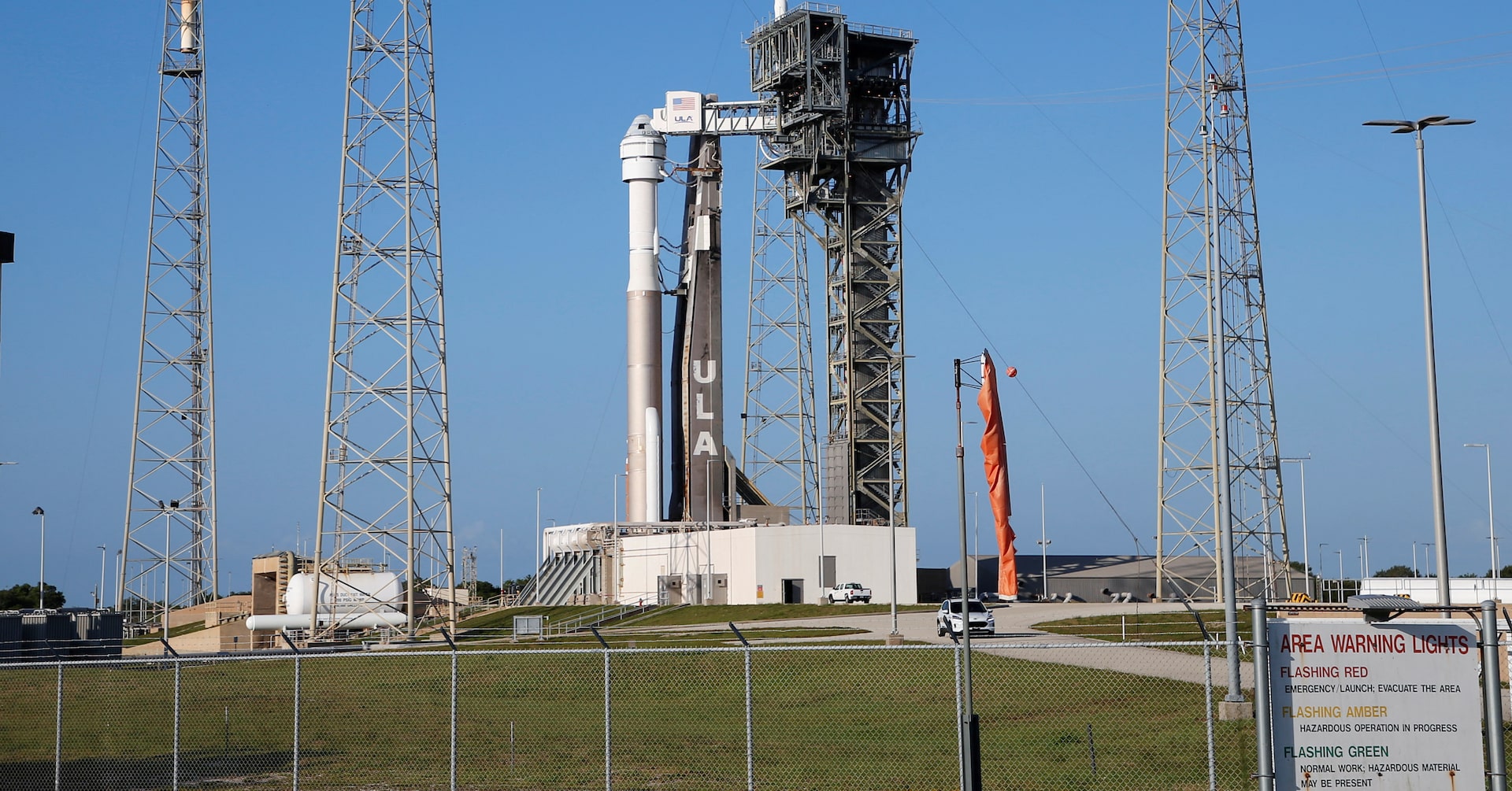
Comparing Value: Lockheed Martin vs. RTX


- Revenue Growth Comparison: Lockheed Martin reported $75.1 billion in revenue for FY 2025, reflecting a 5.7% increase, while RTX achieved $88.6 billion, marking approximately 9.8% growth, indicating RTX's robust performance in a diversified market.
- Profit and Cash Flow: Lockheed Martin generated over $5 billion in net income with free cash flow of $6.9 billion, despite a debt-to-equity ratio of 3.2x, as its long-term F-35 contracts provide stable revenue streams.
- Market Risks and Opportunities: Lockheed Martin faces risks from shifting U.S. government budget priorities and a $4.25 billion lawsuit from SDR Group, while RTX struggles with global supply chain constraints and labor shortages, impacting production efficiency.
- Investment Value Assessment: Although Lockheed Martin trades at a lower earnings multiple than RTX, its slightly lower net margin suggests that, in the current geopolitical environment, Lockheed Martin may represent a more attractive investment choice.
See More
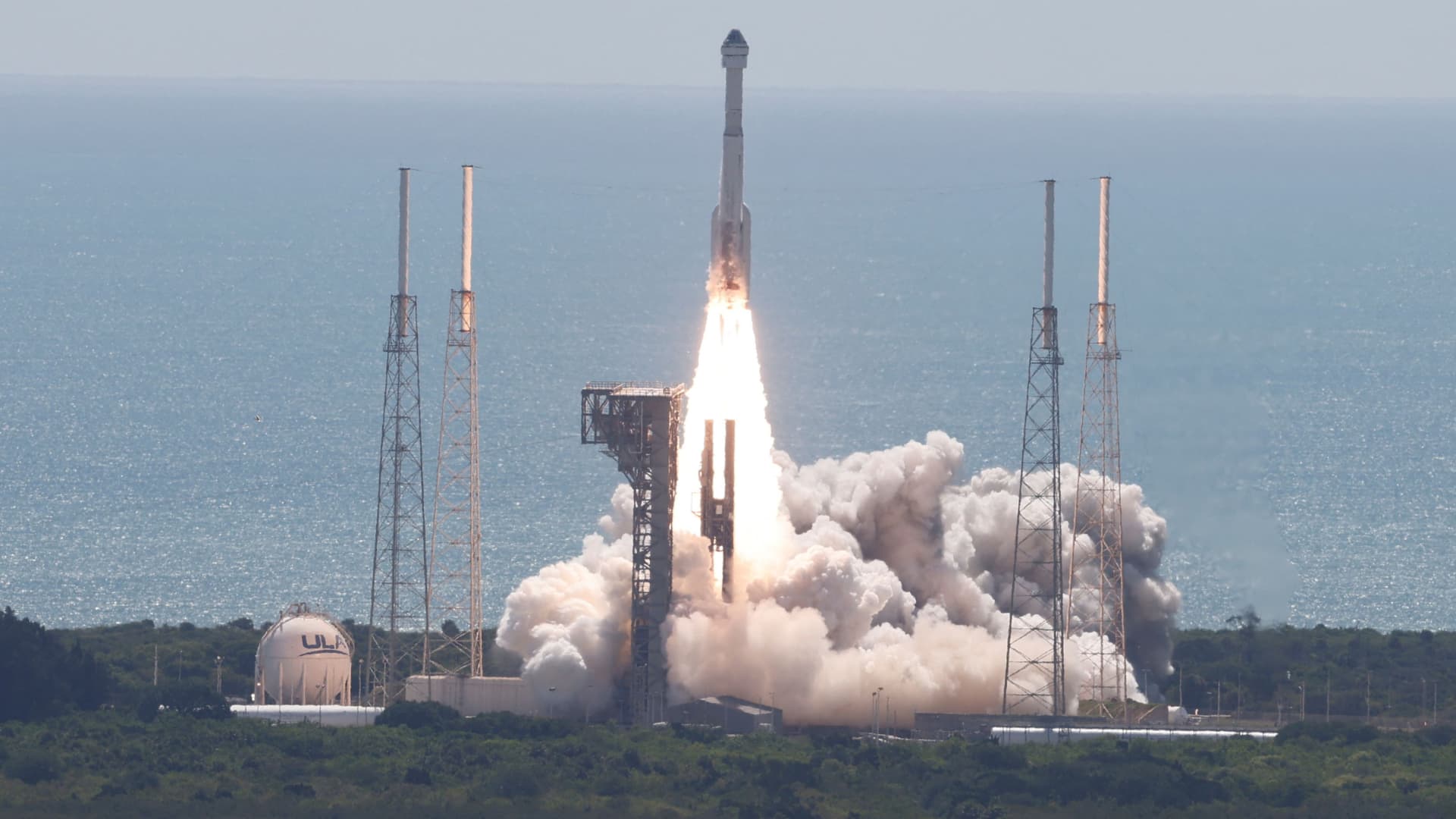
Value Comparison Between Lockheed Martin and RTX
- Financial Performance Comparison: Lockheed Martin's FY 2025 revenue reached approximately $75.1 billion, reflecting a 5.7% growth with a net income exceeding $5 billion, showcasing strong performance in defense, particularly with the F-35 program contributing 27% of total sales, ensuring long-term revenue stability.
- Market Share and Risks: RTX achieved $88.6 billion in revenue for FY 2025, a 9.8% increase, with a net income of around $6.7 billion and nearly 47% of sales from international customers, indicating broad global reach, but it faces challenges from global supply chain constraints and labor shortages.
- Debt and Cash Flow Status: Lockheed Martin's debt-to-equity ratio stands at 3.2x with free cash flow of $6.9 billion, indicating a higher reliance on borrowing; in contrast, RTX's ratio is 0.6x with free cash flow of $7.94 billion, reflecting a more stable financial position.
- Valuation Comparison: Lockheed Martin trades at a forward P/E of 17x, significantly lower than RTX's 26.7x, and while its net margin is slightly lower, it presents a more attractive price-to-earnings ratio, making it appealing for long-term investors.
See More

Investment Value Comparison: Lockheed Martin vs. RTX
- Market Position of Lockheed Martin: In FY 2025, Lockheed Martin reported revenues of $75.1 billion, reflecting a 5.7% increase, with the F-35 program contributing nearly 27% of total sales, underscoring its strong influence and stability in the defense sector.
- Diversification Advantage of RTX: RTX achieved revenues of $88.6 billion in FY 2025, growing approximately 9.8%, with international customers accounting for nearly 47%, indicating its broad coverage in both commercial and government aviation markets, thereby reducing reliance on any single government program.
- Risks and Challenges: Lockheed Martin faces risks from shifting U.S. government budget priorities and ongoing cost overruns and technical performance issues related to the F-35 program, while RTX must navigate rising production costs due to global supply chain constraints and labor shortages.
- Valuation Comparison: Lockheed Martin's forward P/E ratio stands at 17x, significantly lower than RTX's 26.7x, and while its net margin is slightly lower, Lockheed Martin is viewed as a more attractive investment choice when considering price versus value.
See More
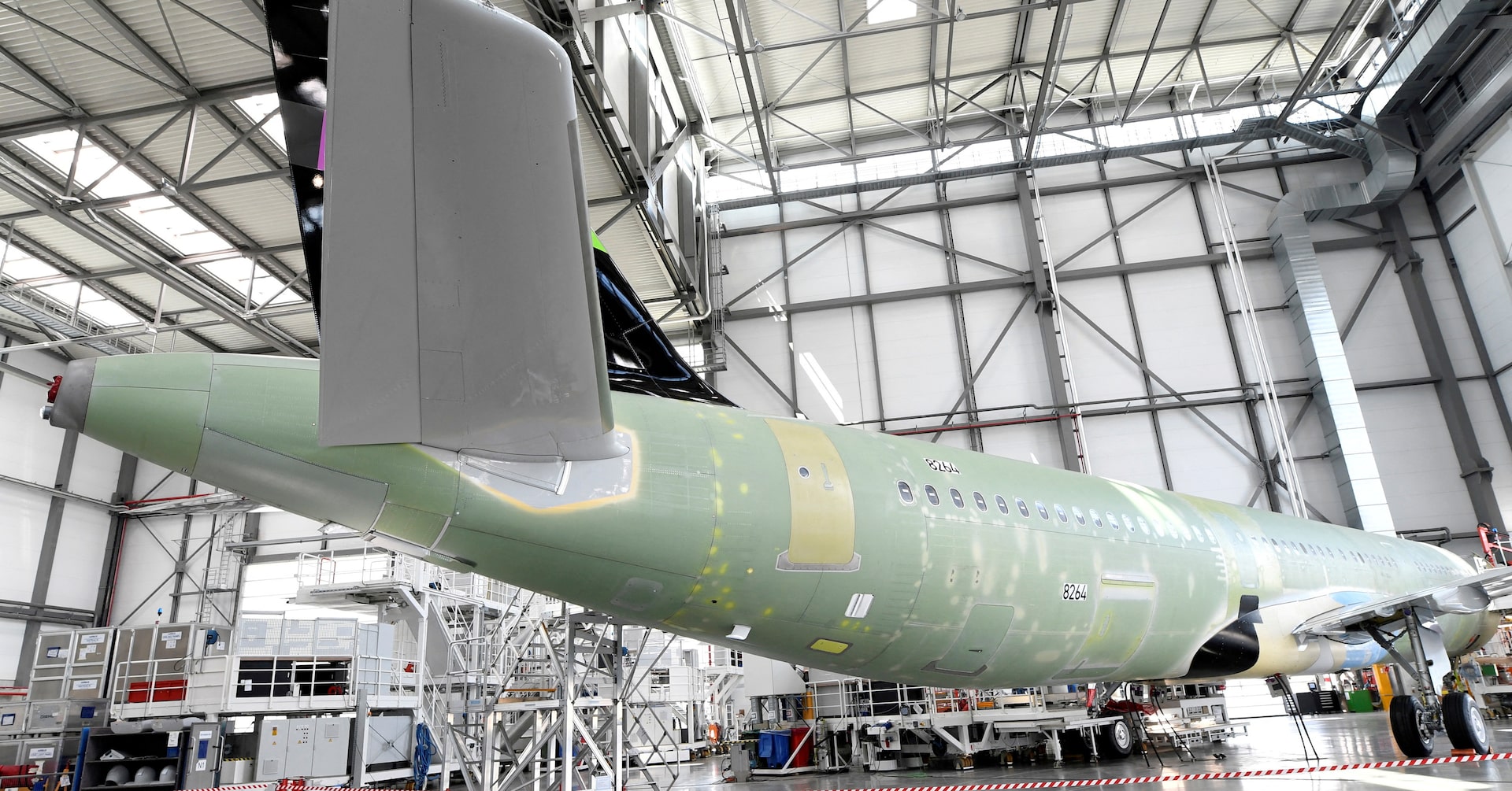
GKN Aerospace Factory to Restart Limited Production After Safety Checks

- Production Restart Plan: GKN Aerospace's California factory plans to restart limited production after safety checks, following a late May incident that prompted the evacuation of 50,000 residents, demonstrating the company's crisis management capabilities.
- Safety Checks Underway: Employees have begun returning to the facility this week to conduct safety checks, ensuring that parts of the facility unaffected by the incident can resume operations, indicating the company's commitment to employee safety while striving to meet market demand.
- Capacity Expansion: GKN announced plans to establish a new production line near the facility in 2024 to double the manufacturing capacity of F-35 canopies by January 2027, reflecting the company's confidence in future aerospace market demand.
- Supply Chain Impact Assessment: Multiple agencies are investigating the factory; while Airbus and Lockheed Martin report no current production impact, the incident may pose potential risks to supply chain stability, prompting stakeholders to reassess collaboration strategies.
See More
Tech Stocks Surge; Lockheed Martin and RTX Show Steady Growth
- Lockheed Martin Sales Growth: Lockheed Martin's first-quarter sales reached $18 billion, a 0.3% increase year-over-year, and despite some delays, management expects annual sales growth between 3% and 7%, reaching $77.5 billion to $80 billion, indicating stability in defense spending.
- Consistent Dividend Increases: Lockheed Martin announced a 5% increase in its quarterly dividend to $3.45 per share last October, marking 23 consecutive years of increases, with a dividend yield of 2.6%, significantly higher than the S&P 500's 1.1%, boosting investor confidence.
- RTX Post-Merger Performance: Since its merger in 2020, RTX has achieved a stock return of 325.4%, outperforming the S&P 500's 227.3%, demonstrating value creation from the merger, with management projecting sales growth of 5% to 6% for 2026.
- Dividend Increase Signals Confidence: RTX recently raised its quarterly dividend by 7.4% to $0.73 per share, with a payout ratio of 51%, indicating management's confidence in future performance, while offering a 1.6% dividend yield that attracts long-term investors.
See More

General Motors Stock Recovery and New Opportunities

- Stock Recovery: General Motors has seen its stock rise nearly 70% over the past 52 weeks, despite only a 1% increase year-to-date, indicating improvements in margins, cash flow, and shareholder returns, reflecting market recognition of its transformation.
- New Business Collaboration: The partnership with Lockheed Martin opens new growth avenues for GM, potentially diversifying its revenue streams and enhancing its competitive position in the market.
- Technical Analysis Signals: The technical charts indicate that GM's stock is currently forming a pattern similar to past successful rounded bottom breakouts, with a breakout above $84 potentially targeting $98, suggesting significant upside potential.
- Risk Management Strategy: Investors should consider adding to their positions near the 200-day moving average at $74, with a stop-loss set at $72 to manage potential market volatility while positioning for future gains.
See More
Comparing Value: Lockheed Martin vs. RTX
- Revenue Growth Comparison: Lockheed Martin reported $75.1 billion in revenue for FY 2025, reflecting a 5.7% increase, while RTX achieved $88.6 billion, marking approximately 9.8% growth, indicating RTX's robust performance in a diversified market.
- Profit and Cash Flow: Lockheed Martin generated over $5 billion in net income with free cash flow of $6.9 billion, despite a debt-to-equity ratio of 3.2x, as its long-term F-35 contracts provide stable revenue streams.
- Market Risks and Opportunities: Lockheed Martin faces risks from shifting U.S. government budget priorities and a $4.25 billion lawsuit from SDR Group, while RTX struggles with global supply chain constraints and labor shortages, impacting production efficiency.
- Investment Value Assessment: Although Lockheed Martin trades at a lower earnings multiple than RTX, its slightly lower net margin suggests that, in the current geopolitical environment, Lockheed Martin may represent a more attractive investment choice.
See More
Value Comparison Between Lockheed Martin and RTX
- Financial Performance Comparison: Lockheed Martin's FY 2025 revenue reached approximately $75.1 billion, reflecting a 5.7% growth with a net income exceeding $5 billion, showcasing strong performance in defense, particularly with the F-35 program contributing 27% of total sales, ensuring long-term revenue stability.
- Market Share and Risks: RTX achieved $88.6 billion in revenue for FY 2025, a 9.8% increase, with a net income of around $6.7 billion and nearly 47% of sales from international customers, indicating broad global reach, but it faces challenges from global supply chain constraints and labor shortages.
- Debt and Cash Flow Status: Lockheed Martin's debt-to-equity ratio stands at 3.2x with free cash flow of $6.9 billion, indicating a higher reliance on borrowing; in contrast, RTX's ratio is 0.6x with free cash flow of $7.94 billion, reflecting a more stable financial position.
- Valuation Comparison: Lockheed Martin trades at a forward P/E of 17x, significantly lower than RTX's 26.7x, and while its net margin is slightly lower, it presents a more attractive price-to-earnings ratio, making it appealing for long-term investors.
See More
Investment Value Comparison: Lockheed Martin vs. RTX
- Market Position of Lockheed Martin: In FY 2025, Lockheed Martin reported revenues of $75.1 billion, reflecting a 5.7% increase, with the F-35 program contributing nearly 27% of total sales, underscoring its strong influence and stability in the defense sector.
- Diversification Advantage of RTX: RTX achieved revenues of $88.6 billion in FY 2025, growing approximately 9.8%, with international customers accounting for nearly 47%, indicating its broad coverage in both commercial and government aviation markets, thereby reducing reliance on any single government program.
- Risks and Challenges: Lockheed Martin faces risks from shifting U.S. government budget priorities and ongoing cost overruns and technical performance issues related to the F-35 program, while RTX must navigate rising production costs due to global supply chain constraints and labor shortages.
- Valuation Comparison: Lockheed Martin's forward P/E ratio stands at 17x, significantly lower than RTX's 26.7x, and while its net margin is slightly lower, Lockheed Martin is viewed as a more attractive investment choice when considering price versus value.
See More
GKN Aerospace Factory to Restart Limited Production After Safety Checks
- Production Restart Plan: GKN Aerospace's California factory plans to restart limited production after safety checks, following a late May incident that prompted the evacuation of 50,000 residents, demonstrating the company's crisis management capabilities.
- Safety Checks Underway: Employees have begun returning to the facility this week to conduct safety checks, ensuring that parts of the facility unaffected by the incident can resume operations, indicating the company's commitment to employee safety while striving to meet market demand.
- Capacity Expansion: GKN announced plans to establish a new production line near the facility in 2024 to double the manufacturing capacity of F-35 canopies by January 2027, reflecting the company's confidence in future aerospace market demand.
- Supply Chain Impact Assessment: Multiple agencies are investigating the factory; while Airbus and Lockheed Martin report no current production impact, the incident may pose potential risks to supply chain stability, prompting stakeholders to reassess collaboration strategies.
See More
Tech Stocks Surge; Lockheed Martin and RTX Show Steady Growth
- Lockheed Martin Sales Growth: Lockheed Martin's first-quarter sales reached $18 billion, a 0.3% increase year-over-year, and despite some delays, management expects annual sales growth between 3% and 7%, reaching $77.5 billion to $80 billion, indicating stability in defense spending.
- Consistent Dividend Increases: Lockheed Martin announced a 5% increase in its quarterly dividend to $3.45 per share last October, marking 23 consecutive years of increases, with a dividend yield of 2.6%, significantly higher than the S&P 500's 1.1%, boosting investor confidence.
- RTX Post-Merger Performance: Since its merger in 2020, RTX has achieved a stock return of 325.4%, outperforming the S&P 500's 227.3%, demonstrating value creation from the merger, with management projecting sales growth of 5% to 6% for 2026.
- Dividend Increase Signals Confidence: RTX recently raised its quarterly dividend by 7.4% to $0.73 per share, with a payout ratio of 51%, indicating management's confidence in future performance, while offering a 1.6% dividend yield that attracts long-term investors.
See More
General Motors Stock Recovery and New Opportunities
- Stock Recovery: General Motors has seen its stock rise nearly 70% over the past 52 weeks, despite only a 1% increase year-to-date, indicating improvements in margins, cash flow, and shareholder returns, reflecting market recognition of its transformation.
- New Business Collaboration: The partnership with Lockheed Martin opens new growth avenues for GM, potentially diversifying its revenue streams and enhancing its competitive position in the market.
- Technical Analysis Signals: The technical charts indicate that GM's stock is currently forming a pattern similar to past successful rounded bottom breakouts, with a breakout above $84 potentially targeting $98, suggesting significant upside potential.
- Risk Management Strategy: Investors should consider adding to their positions near the 200-day moving average at $74, with a stop-loss set at $72 to manage potential market volatility while positioning for future gains.
See More