USDJPY Maintains Upward Trend as Traders Reduce Fed Rate Cut Expectations; BoJ Shows Weak Support
USD Strengthening: The US dollar has strengthened due to safe haven demand amid the US-Iran conflict and a realization that rate cuts may be delayed, with traders adjusting their expectations for rate cuts by year-end.
Japanese Yen Outlook: The Japanese yen remains weak as data does not support a rate hike, with the latest CPI falling below the BoJ's target, leading to a market expectation of potential rate hikes being pushed further out.
USDJPY Technical Analysis: On the daily chart, USDJPY has stalled at the key 157.65 level, with buyers needing to break above this level to extend the rally, while sellers are looking for a drop back to the major trendline.
Upcoming Economic Data: Key upcoming economic indicators include US Jobless Claims and the NFP report, with market focus also on developments in the US-Iran conflict.
Trade with 70% Backtested Accuracy
Analyst Views on JPY
About the author


USDJPY Stabilizes Under 160.00 Mark as Attention Shifts to US-Iran Talks


USD Performance: The US dollar weakened briefly after Trump announced a ceasefire for negotiations, but the selloff was reversed when Iran denied any talks, keeping the dollar supported until clearer developments arise.
JPY Outlook: The Japanese yen remains under pressure due to stagnant inflation and geopolitical risks, with recent CPI data showing easing inflation below the BoJ's target, while wage negotiations indicate potential for continued wage hikes.
USDJPY Technical Analysis: The USDJPY pair is consolidating above the 157.65 support level, with traders likely to buy at support and sell at resistance until a breakout occurs, targeting either 161.95 or a drop to 154.00.
Upcoming Economic Indicators: Key economic indicators to watch include US PMIs and Jobless Claims figures, with ongoing focus on the US-Iran conflict and its impact on market sentiment.

Weekly Market Forecast for March 23rd-27th

Market Overview: The FX market is quiet at the start of the week, with a focus on Middle East developments and a light data schedule, including key inflation and PMI releases from various regions.
U.S. Economic Indicators: The U.S. will release several important economic indicators, including ADP employment change and consumer sentiment, while concerns about stagflation and a softening labor market persist.
Japan's Inflation Outlook: Japan's national core CPI is expected to show a slight decrease, with the Bank of Japan maintaining its current policy and emphasizing the importance of wage growth and inflation trends amid geopolitical uncertainties.
U.K. and Eurozone Challenges: The U.K. and Eurozone face inflationary pressures and potential growth-negative impacts from rising energy prices, with upcoming PMI data expected to reveal how these factors are affecting business activity and consumer confidence.
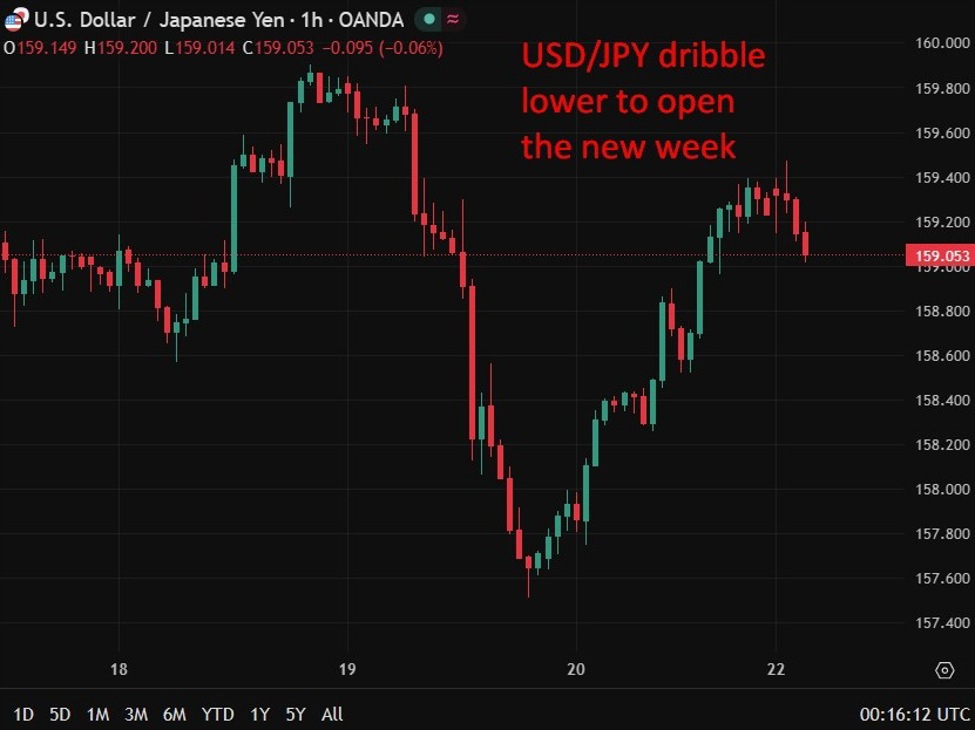
Japan Signals Risk of FX Intervention as Oil Shock Increases Yen Volatility and Policy Actions.
Japan's FX Volatility Response: Japan has increased warnings regarding foreign exchange volatility, indicating a readiness to intervene as oil-driven market fluctuations impact the yen.
Impact of Oil Prices: The top currency diplomat, Atsushi Mimura, highlighted that speculation in oil markets is affecting currency values, linking recent yen fluctuations to geopolitical tensions and rising energy prices.
Fiscal Measures for Energy Costs: The Japanese government is preparing to deploy approximately ¥800 billion from reserves to stabilize gasoline prices, aiming to mitigate the economic impact of rising energy costs on households.
Risk of Intervention: Authorities are concerned about speculative flows driving currency moves, with potential intervention risks increasing if the yen's weakness accelerates or diverges from economic fundamentals.

Warning of Coordinated FX Intervention This Weekend - Japan and South Korea Stand Firm on Currency Volatility

Currency Concerns: Japan and South Korea have expressed serious concern over the sharp depreciation of the yen and won, driven by dollar strength amid geopolitical tensions and rising oil prices.
Preparedness to Act: Both countries' finance ministers stated they are ready to intervene if foreign-exchange volatility becomes excessive or disorderly, with the yen nearing a critical intervention level of 160 per dollar.
Market Monitoring: Authorities will closely monitor foreign-exchange markets and are committed to taking appropriate measures to address any excessive volatility that threatens economic stability.
Skepticism on Intervention: Despite public commitments to act, some policymakers privately doubt the effectiveness of direct intervention if geopolitical tensions continue to drive demand for the U.S. dollar.
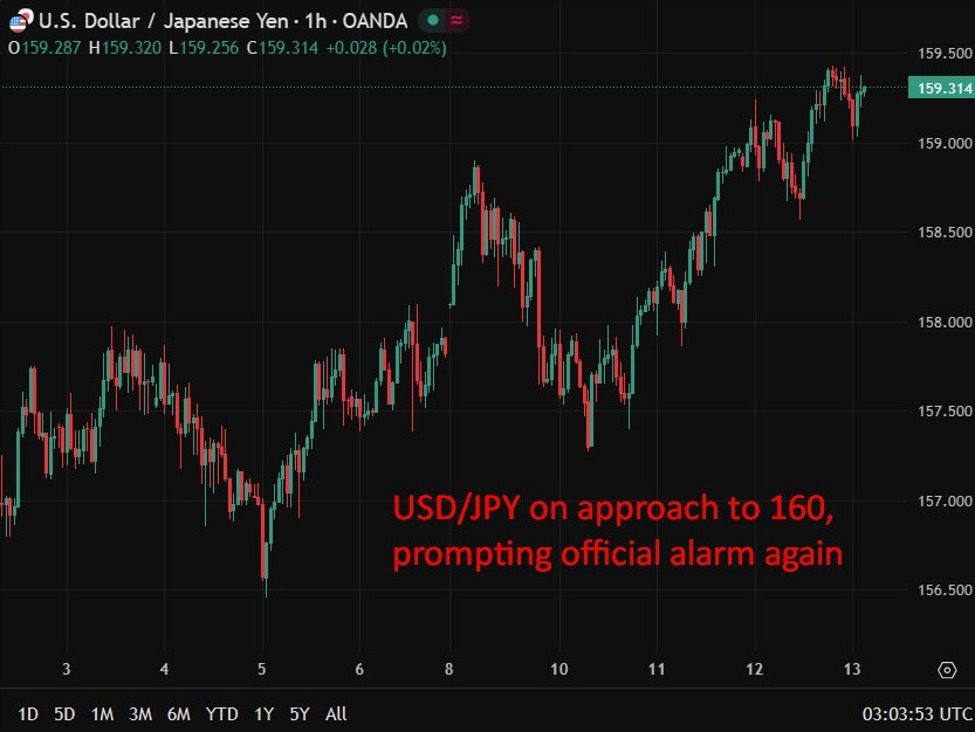
Japan issues alert on oil price effects, indicates potential currency intervention as USD/JPY approaches 160
Impact of High Oil Prices: Japan's Finance Minister Seiko Katayama warned that rising oil prices are significantly affecting financial markets and household costs, urging vigilance as energy costs rise due to the ongoing Middle East conflict.
Readiness for Foreign Exchange Intervention: Katayama indicated that the government is prepared to take action in foreign exchange markets if necessary, especially as the USD/JPY approaches the 160 level, which is seen as a potential intervention threshold.
Coordination with U.S. Authorities: The Japanese government is in close contact with U.S. authorities regarding foreign exchange matters, emphasizing a willingness to coordinate actions if market conditions become disorderly.
Concerns Over Economic Stability: Officials expressed concerns that excessive currency movements and rising energy prices could threaten economic stability, highlighting the need for proactive measures to mitigate inflation pressures from higher import costs.
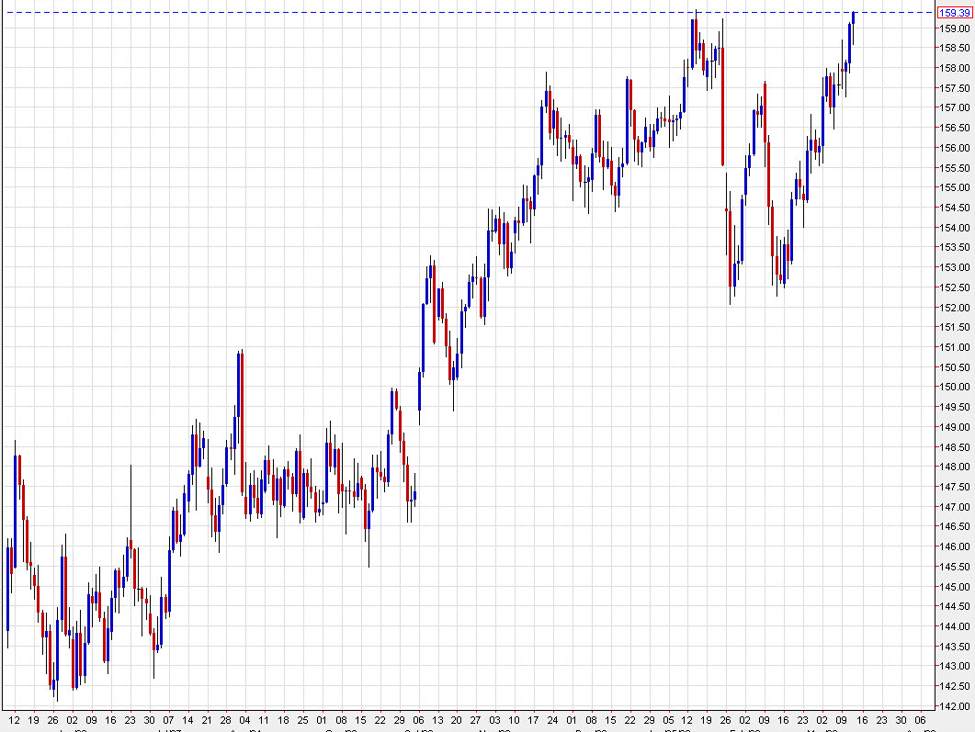
USD/JPY Approaches Yearly Highs
USD/JPY Movement: The USD/JPY has risen 45 pips to a session high of 159.39, influenced by the ongoing energy crisis affecting Japan's economy due to high import prices for oil and natural gas.
Impact of Energy Crisis: Japan's reliance on energy imports is exacerbating inflation, with Brent crude prices exceeding $100, leading to concerns about the country's economic stability despite having 250 days of reserves.
Historical Context: The current USD/JPY levels are approaching significant historical highs, with the potential to reach 161.95 if the upward trend continues, reminiscent of levels not seen since 1986.
Market Reactions: Japan's government is relatively quiet about the currency's rise, but the depreciation of the yen is contributing to rising domestic energy prices and could eventually lead to increased yields on Japanese government bonds.
USDJPY Stabilizes Under 160.00 Mark as Attention Shifts to US-Iran Talks
USD Performance: The US dollar weakened briefly after Trump announced a ceasefire for negotiations, but the selloff was reversed when Iran denied any talks, keeping the dollar supported until clearer developments arise.
JPY Outlook: The Japanese yen remains under pressure due to stagnant inflation and geopolitical risks, with recent CPI data showing easing inflation below the BoJ's target, while wage negotiations indicate potential for continued wage hikes.
USDJPY Technical Analysis: The USDJPY pair is consolidating above the 157.65 support level, with traders likely to buy at support and sell at resistance until a breakout occurs, targeting either 161.95 or a drop to 154.00.
Upcoming Economic Indicators: Key economic indicators to watch include US PMIs and Jobless Claims figures, with ongoing focus on the US-Iran conflict and its impact on market sentiment.
Weekly Market Forecast for March 23rd-27th
Market Overview: The FX market is quiet at the start of the week, with a focus on Middle East developments and a light data schedule, including key inflation and PMI releases from various regions.
U.S. Economic Indicators: The U.S. will release several important economic indicators, including ADP employment change and consumer sentiment, while concerns about stagflation and a softening labor market persist.
Japan's Inflation Outlook: Japan's national core CPI is expected to show a slight decrease, with the Bank of Japan maintaining its current policy and emphasizing the importance of wage growth and inflation trends amid geopolitical uncertainties.
U.K. and Eurozone Challenges: The U.K. and Eurozone face inflationary pressures and potential growth-negative impacts from rising energy prices, with upcoming PMI data expected to reveal how these factors are affecting business activity and consumer confidence.
Japan Signals Risk of FX Intervention as Oil Shock Increases Yen Volatility and Policy Actions.
Japan's FX Volatility Response: Japan has increased warnings regarding foreign exchange volatility, indicating a readiness to intervene as oil-driven market fluctuations impact the yen.
Impact of Oil Prices: The top currency diplomat, Atsushi Mimura, highlighted that speculation in oil markets is affecting currency values, linking recent yen fluctuations to geopolitical tensions and rising energy prices.
Fiscal Measures for Energy Costs: The Japanese government is preparing to deploy approximately ¥800 billion from reserves to stabilize gasoline prices, aiming to mitigate the economic impact of rising energy costs on households.
Risk of Intervention: Authorities are concerned about speculative flows driving currency moves, with potential intervention risks increasing if the yen's weakness accelerates or diverges from economic fundamentals.
Warning of Coordinated FX Intervention This Weekend - Japan and South Korea Stand Firm on Currency Volatility
Currency Concerns: Japan and South Korea have expressed serious concern over the sharp depreciation of the yen and won, driven by dollar strength amid geopolitical tensions and rising oil prices.
Preparedness to Act: Both countries' finance ministers stated they are ready to intervene if foreign-exchange volatility becomes excessive or disorderly, with the yen nearing a critical intervention level of 160 per dollar.
Market Monitoring: Authorities will closely monitor foreign-exchange markets and are committed to taking appropriate measures to address any excessive volatility that threatens economic stability.
Skepticism on Intervention: Despite public commitments to act, some policymakers privately doubt the effectiveness of direct intervention if geopolitical tensions continue to drive demand for the U.S. dollar.
Japan issues alert on oil price effects, indicates potential currency intervention as USD/JPY approaches 160
Impact of High Oil Prices: Japan's Finance Minister Seiko Katayama warned that rising oil prices are significantly affecting financial markets and household costs, urging vigilance as energy costs rise due to the ongoing Middle East conflict.
Readiness for Foreign Exchange Intervention: Katayama indicated that the government is prepared to take action in foreign exchange markets if necessary, especially as the USD/JPY approaches the 160 level, which is seen as a potential intervention threshold.
Coordination with U.S. Authorities: The Japanese government is in close contact with U.S. authorities regarding foreign exchange matters, emphasizing a willingness to coordinate actions if market conditions become disorderly.
Concerns Over Economic Stability: Officials expressed concerns that excessive currency movements and rising energy prices could threaten economic stability, highlighting the need for proactive measures to mitigate inflation pressures from higher import costs.
USD/JPY Approaches Yearly Highs
USD/JPY Movement: The USD/JPY has risen 45 pips to a session high of 159.39, influenced by the ongoing energy crisis affecting Japan's economy due to high import prices for oil and natural gas.
Impact of Energy Crisis: Japan's reliance on energy imports is exacerbating inflation, with Brent crude prices exceeding $100, leading to concerns about the country's economic stability despite having 250 days of reserves.
Historical Context: The current USD/JPY levels are approaching significant historical highs, with the potential to reach 161.95 if the upward trend continues, reminiscent of levels not seen since 1986.
Market Reactions: Japan's government is relatively quiet about the currency's rise, but the depreciation of the yen is contributing to rising domestic energy prices and could eventually lead to increased yields on Japanese government bonds.