US-China Trade War Escalates as Section 301 Investigations Add New Tensions
Written by Emily J. Thompson, Senior Investment Analyst
Updated: Mar 12 2026
0mins

Source: CNBC
- Launch of Section 301 Investigations: The U.S. has initiated trade investigations against China under Section 301 of the Trade Act of 1974, aiming to identify unfair trade practices, particularly in manufacturing sectors, which adds new layers of tension to the already strained U.S.-China relationship.
- Surge in Exports and Trade Surplus: Despite criticism from global trading partners, China's exports surged by 21.8% in the first two months, boosting its trade surplus to a record high of $213.6 billion, indicating a continued reliance on external demand.
- Uncertain Summit Outlook: With the summit approaching, the widening gap between both sides' agendas, especially regarding potential investigations into forced labor practices, adds uncertainty to negotiations and may hinder future trade agreements.
- Challenges in Maintaining Stability: While Chinese Foreign Minister Wang Yi calls for a suitable environment for the summit, the U.S. is likely to push for long-term commitments on agricultural purchases, and expectations for substantial breakthroughs have significantly diminished, suggesting limited outcomes from the upcoming meeting.
Trade with 70% Backtested Accuracy
Stop guessing "Should I Buy LMT?" and start using high-conviction signals backed by rigorous historical data.
Sign up today to access powerful investing tools and make smarter, data-driven decisions.
Analyst Views on LMT
Wall Street analysts forecast LMT stock price to rise
12 Analyst Rating
4 Buy
7 Hold
1 Sell
Hold
Current: 521.820

Low
430.00
Averages
535.50
High
605.00
Current: 521.820
Low
430.00
Averages
535.50
High
605.00
About LMT
Lockheed Martin Corporation is an aerospace and defense technology company. The Company's segments include Aeronautics, Missiles and Fire Control (MFC), Rotary and Mission Systems (RMS) and Space. The Aeronautics segment is engaged in research, design, development, manufacture, integration, sustainment, support and upgrade of advanced military aircraft, including combat and air mobility aircraft, unmanned air vehicles and related technologies. The MFC segment provides air and missile defense systems; tactical missiles and precision strike weapon systems; logistics; fire control systems; engineering support and integration services. The RMS segment designs, manufactures, services and supports various military and commercial helicopters, sea and land-based missile defense systems. The Space segment is engaged in the research and design, development, engineering and production of satellites, space transportation systems, and strategic, advanced strike, and defensive systems.
About the author

Emily J. Thompson
Emily J. Thompson, a Chartered Financial Analyst (CFA) with 12 years in investment research, graduated with honors from the Wharton School. Specializing in industrial and technology stocks, she provides in-depth analysis for Intellectia’s earnings and market brief reports.

Trump and Putin Discuss Ukraine War Ahead of NATO Summit


- Call Overview: Trump and Putin discussed the Ukraine war, the Iran conflict, and the upcoming NATO summit during an 85-minute phone call, indicating a willingness for dialogue on critical international issues.
- Ukraine Situation: Trump reiterated his desire for a swift end to the war, while Putin emphasized the importance of a political and diplomatic resolution, highlighting the ongoing differences in their positions on Ukraine.
- NATO Summit Preparations: The leaders addressed the NATO summit scheduled for July 7-8 in Ankara, with U.S. envoys continuing to facilitate negotiations, demonstrating America's active involvement in NATO affairs.
- Escalating Military Dynamics: Prior to the call, Russia claimed to have captured the strategic city of Kostiantynivka in eastern Ukraine, a claim denied by Ukraine, indicating that military tensions between the two nations are intensifying.
See More
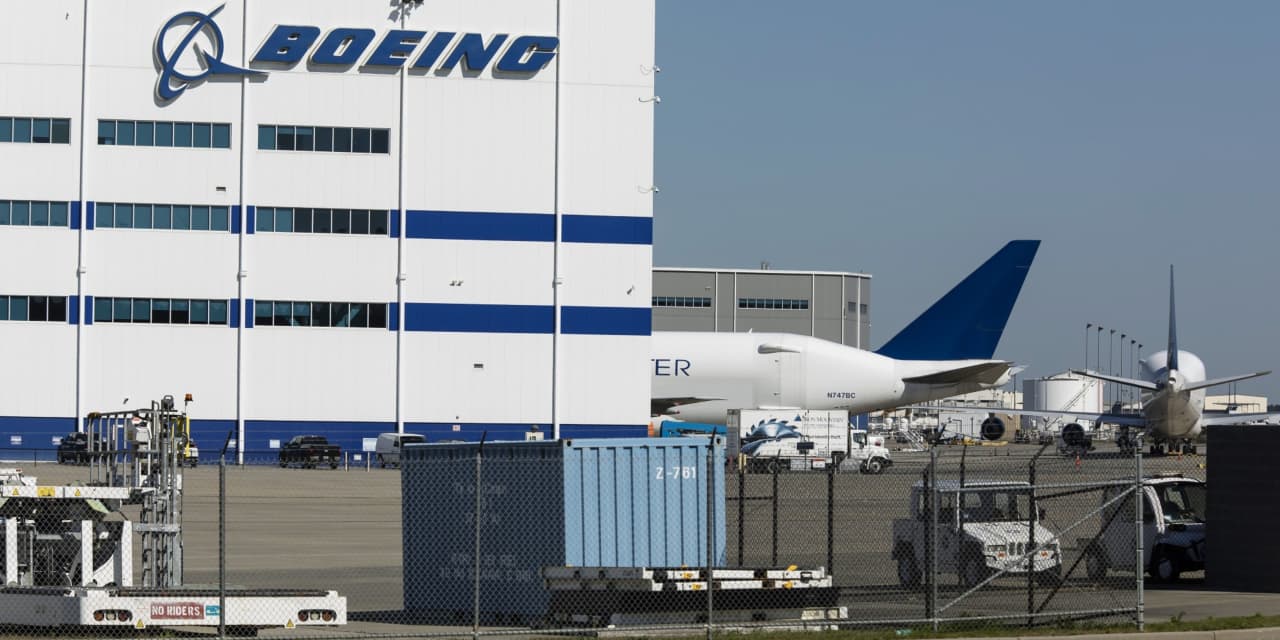
Market Comparison of GE Aerospace and Lockheed Martin


- GE Aerospace Growth: In FY 2025, GE Aerospace reported nearly $45.9 billion in revenue, an 18.5% year-over-year increase, with net income around $8.7 billion and a net margin improvement from 16.9% in FY 2024 to 19%, indicating strong profitability and market demand.
- Lockheed Martin Stability: For FY 2025, Lockheed Martin achieved nearly $75.1 billion in revenue, reflecting a modest 5.7% growth, with net income close to $5 billion and a net margin of 6.7%, showcasing its ongoing stability in the defense sector.
- Order and Backlog Comparison: GE Aerospace's orders surged by 32% in FY 2025, pushing its backlog to nearly $190 billion, while the first quarter of FY 2026 saw an 87% increase in orders, highlighting its robust momentum in the commercial aviation market.
- Lockheed Martin Contract Advantage: Lockheed Martin secured a massive $35 billion government contract in 2025, and despite a slight decrease in backlog to $186 billion in Q FY 2026, it maintains a 5% sales growth outlook, demonstrating its strong competitive position in the defense market.
See More

Investment Comparison Between GE Aerospace and Lockheed Martin
- GE Aerospace Growth: In FY 2025, GE Aerospace reported nearly $45.9 billion in revenue, an 18.5% increase year-over-year, with net income around $8.7 billion and a net margin improvement from 16.9% in FY 2024 to 19%, indicating strong profitability and market demand.
- Lockheed Martin's Defense Edge: Lockheed Martin achieved approximately $75.1 billion in revenue for FY 2025, reflecting a modest 5.7% growth, with the F-35 program accounting for 27% of total sales, underscoring its dominant position in the defense sector.
- Order and Backlog Comparison: GE Aerospace saw a 32% increase in orders for FY 2025, pushing its backlog to nearly $190 billion, while the first quarter of FY 2026 experienced an 87% surge in orders, exceeding $210 billion, highlighting robust demand in the commercial aviation market.
- Defense Contracts and Market Outlook: Lockheed Martin secured a massive $35 billion THAAD interceptor contract in 2025, and despite a 13% year-over-year drop in net income for Q1 FY 2026, it maintains a full-year sales growth forecast of 5%, demonstrating ongoing competitiveness in the defense market.
See More

Trump Celebrates Independence Day at Mount Rushmore, Rallying Support Ahead of Midterms
- Political Mobilization: Trump's Independence Day speech at Mount Rushmore emphasized the significance of America's founding leaders and called on citizens to celebrate the nation's history, aiming to bolster Republican support ahead of the upcoming midterm elections.
- Legislative Push: He urged Congress to pass the Save America Act, a Republican-backed voting bill that has stalled, indicating its critical importance for the midterms and reflecting his focus on electoral strategy.
- New Air Force One Arrival: Trump arrived in South Dakota aboard the new Air Force One donated by Qatar, which flew over Mount Rushmore, showcasing his executive power and the importance of national symbols.
- Fireworks Celebration: The event concluded with the first fireworks display at the national memorial in six years, despite drought and wildfire risks, demonstrating the Trump administration's determination and influence in holiday celebrations.
See More

Lockheed Martin: A Dual Opportunity in Tech and Defense
- Market Performance Analysis: Lockheed Martin's stock has fallen 15.7% over the past 90 days, currently priced at $545.04, and is 27% below its 52-week high, reflecting market disappointment regarding its expected benefits from the Iran conflict; however, it boasts a $194 billion backlog, underscoring its strong position in defense.
- Defense Spending Outlook: The U.S. government plans to allocate $1.5 trillion for defense in fiscal 2027, with half earmarked for weapons modernization and procurement, providing Lockheed Martin with a stable revenue source and reinforcing its role as a key defense contractor.
- Dividend Yield Advantage: Lockheed Martin offers a dividend yield of 2.7%, more than double that of the S&P 500 and the largest industrial ETF, and has increased its dividend for 23 consecutive years, demonstrating a commitment to shareholder returns that appeals to long-term investors.
- Technology Investment Opportunities: While not a traditional tech company, Lockheed Martin benefits from $66 billion in tech spending and $13.4 billion in dedicated AI budget within the defense budget, indicating its potential in autonomous systems and enhancing its value as a long-term supplier to the U.S. government.
See More
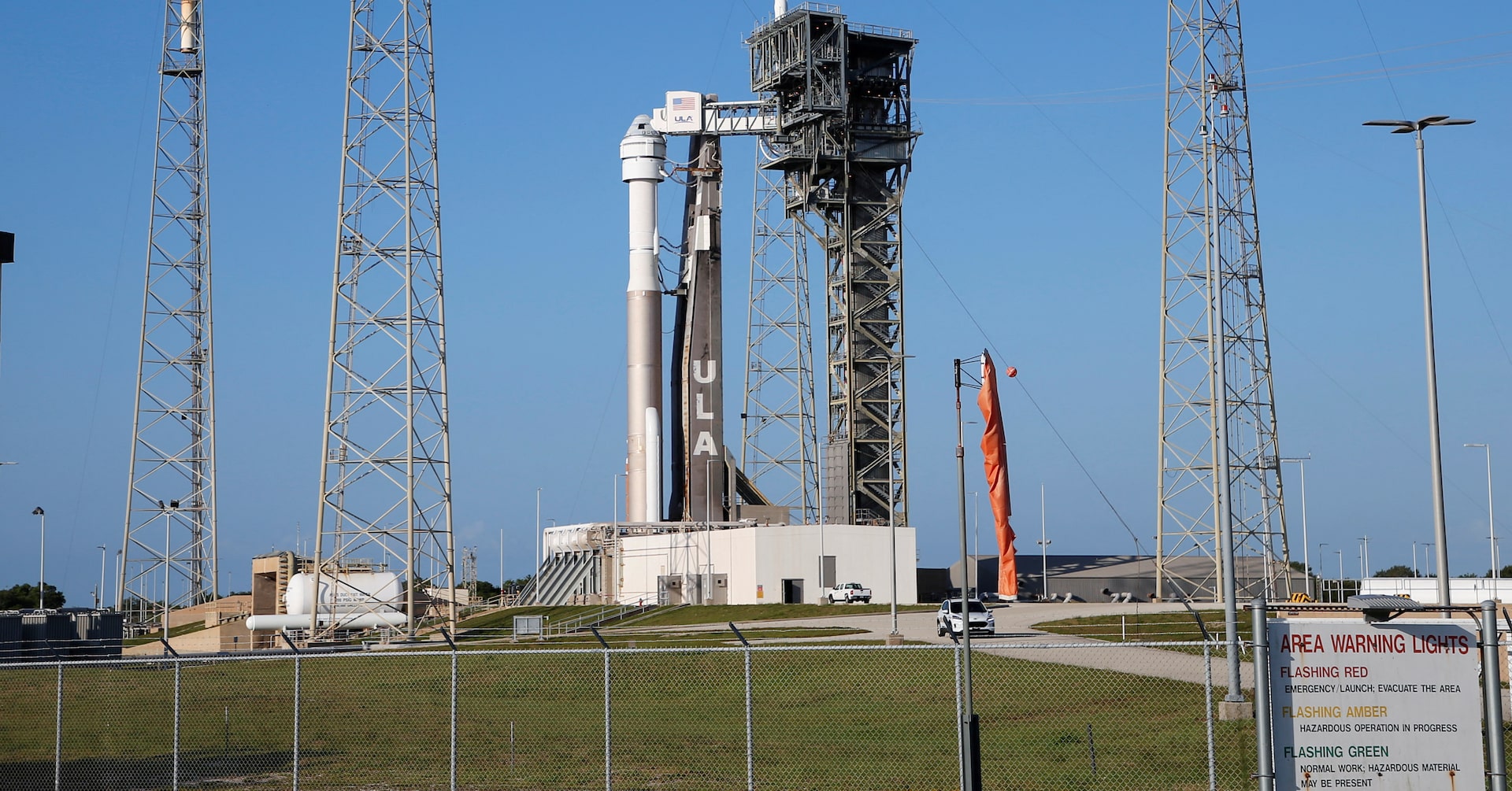
Lockheed Martin Stock Pullback May Be a Buying Opportunity
- Stock Price Analysis: Lockheed Martin's stock has fallen 15.7% over the past 90 days and is currently 27% below its 52-week high; however, the company boasts a $194 billion backlog, reinforcing its strong position as a defense contractor amid the U.S. government's pursuit of a $1.5 trillion defense budget for fiscal 2027.
- Dividend Growth Advantage: With a current dividend yield of 2.7%, more than double that of the S&P 500 and the largest industrial ETF, and a commitment to increasing dividends for 23 consecutive years, Lockheed Martin appeals to investors seeking stable income and shareholder returns.
- Technology Spending Opportunities: The Pentagon's budget includes $66 billion for overall tech spending and $13.4 billion specifically for AI, marking the first time dedicated AI expenditures are highlighted, which presents growth opportunities for Lockheed in autonomous systems, enhancing its value as a government supplier.
- Investor Considerations: While Lockheed Martin was not included in The Motley Fool Stock Advisor's current top stock picks, its unique positioning at the intersection of defense and technology may offer long-term growth potential for investors, especially in a market increasingly focused on tech themes.
See More
Trump and Putin Discuss Ukraine War Ahead of NATO Summit
- Call Overview: Trump and Putin discussed the Ukraine war, the Iran conflict, and the upcoming NATO summit during an 85-minute phone call, indicating a willingness for dialogue on critical international issues.
- Ukraine Situation: Trump reiterated his desire for a swift end to the war, while Putin emphasized the importance of a political and diplomatic resolution, highlighting the ongoing differences in their positions on Ukraine.
- NATO Summit Preparations: The leaders addressed the NATO summit scheduled for July 7-8 in Ankara, with U.S. envoys continuing to facilitate negotiations, demonstrating America's active involvement in NATO affairs.
- Escalating Military Dynamics: Prior to the call, Russia claimed to have captured the strategic city of Kostiantynivka in eastern Ukraine, a claim denied by Ukraine, indicating that military tensions between the two nations are intensifying.
See More
Market Comparison of GE Aerospace and Lockheed Martin
- GE Aerospace Growth: In FY 2025, GE Aerospace reported nearly $45.9 billion in revenue, an 18.5% year-over-year increase, with net income around $8.7 billion and a net margin improvement from 16.9% in FY 2024 to 19%, indicating strong profitability and market demand.
- Lockheed Martin Stability: For FY 2025, Lockheed Martin achieved nearly $75.1 billion in revenue, reflecting a modest 5.7% growth, with net income close to $5 billion and a net margin of 6.7%, showcasing its ongoing stability in the defense sector.
- Order and Backlog Comparison: GE Aerospace's orders surged by 32% in FY 2025, pushing its backlog to nearly $190 billion, while the first quarter of FY 2026 saw an 87% increase in orders, highlighting its robust momentum in the commercial aviation market.
- Lockheed Martin Contract Advantage: Lockheed Martin secured a massive $35 billion government contract in 2025, and despite a slight decrease in backlog to $186 billion in Q FY 2026, it maintains a 5% sales growth outlook, demonstrating its strong competitive position in the defense market.
See More
Investment Comparison Between GE Aerospace and Lockheed Martin
- GE Aerospace Growth: In FY 2025, GE Aerospace reported nearly $45.9 billion in revenue, an 18.5% increase year-over-year, with net income around $8.7 billion and a net margin improvement from 16.9% in FY 2024 to 19%, indicating strong profitability and market demand.
- Lockheed Martin's Defense Edge: Lockheed Martin achieved approximately $75.1 billion in revenue for FY 2025, reflecting a modest 5.7% growth, with the F-35 program accounting for 27% of total sales, underscoring its dominant position in the defense sector.
- Order and Backlog Comparison: GE Aerospace saw a 32% increase in orders for FY 2025, pushing its backlog to nearly $190 billion, while the first quarter of FY 2026 experienced an 87% surge in orders, exceeding $210 billion, highlighting robust demand in the commercial aviation market.
- Defense Contracts and Market Outlook: Lockheed Martin secured a massive $35 billion THAAD interceptor contract in 2025, and despite a 13% year-over-year drop in net income for Q1 FY 2026, it maintains a full-year sales growth forecast of 5%, demonstrating ongoing competitiveness in the defense market.
See More
Trump Celebrates Independence Day at Mount Rushmore, Rallying Support Ahead of Midterms
- Political Mobilization: Trump's Independence Day speech at Mount Rushmore emphasized the significance of America's founding leaders and called on citizens to celebrate the nation's history, aiming to bolster Republican support ahead of the upcoming midterm elections.
- Legislative Push: He urged Congress to pass the Save America Act, a Republican-backed voting bill that has stalled, indicating its critical importance for the midterms and reflecting his focus on electoral strategy.
- New Air Force One Arrival: Trump arrived in South Dakota aboard the new Air Force One donated by Qatar, which flew over Mount Rushmore, showcasing his executive power and the importance of national symbols.
- Fireworks Celebration: The event concluded with the first fireworks display at the national memorial in six years, despite drought and wildfire risks, demonstrating the Trump administration's determination and influence in holiday celebrations.
See More
Lockheed Martin: A Dual Opportunity in Tech and Defense
- Market Performance Analysis: Lockheed Martin's stock has fallen 15.7% over the past 90 days, currently priced at $545.04, and is 27% below its 52-week high, reflecting market disappointment regarding its expected benefits from the Iran conflict; however, it boasts a $194 billion backlog, underscoring its strong position in defense.
- Defense Spending Outlook: The U.S. government plans to allocate $1.5 trillion for defense in fiscal 2027, with half earmarked for weapons modernization and procurement, providing Lockheed Martin with a stable revenue source and reinforcing its role as a key defense contractor.
- Dividend Yield Advantage: Lockheed Martin offers a dividend yield of 2.7%, more than double that of the S&P 500 and the largest industrial ETF, and has increased its dividend for 23 consecutive years, demonstrating a commitment to shareholder returns that appeals to long-term investors.
- Technology Investment Opportunities: While not a traditional tech company, Lockheed Martin benefits from $66 billion in tech spending and $13.4 billion in dedicated AI budget within the defense budget, indicating its potential in autonomous systems and enhancing its value as a long-term supplier to the U.S. government.
See More
Lockheed Martin Stock Pullback May Be a Buying Opportunity
- Stock Price Analysis: Lockheed Martin's stock has fallen 15.7% over the past 90 days and is currently 27% below its 52-week high; however, the company boasts a $194 billion backlog, reinforcing its strong position as a defense contractor amid the U.S. government's pursuit of a $1.5 trillion defense budget for fiscal 2027.
- Dividend Growth Advantage: With a current dividend yield of 2.7%, more than double that of the S&P 500 and the largest industrial ETF, and a commitment to increasing dividends for 23 consecutive years, Lockheed Martin appeals to investors seeking stable income and shareholder returns.
- Technology Spending Opportunities: The Pentagon's budget includes $66 billion for overall tech spending and $13.4 billion specifically for AI, marking the first time dedicated AI expenditures are highlighted, which presents growth opportunities for Lockheed in autonomous systems, enhancing its value as a government supplier.
- Investor Considerations: While Lockheed Martin was not included in The Motley Fool Stock Advisor's current top stock picks, its unique positioning at the intersection of defense and technology may offer long-term growth potential for investors, especially in a market increasingly focused on tech themes.
See More