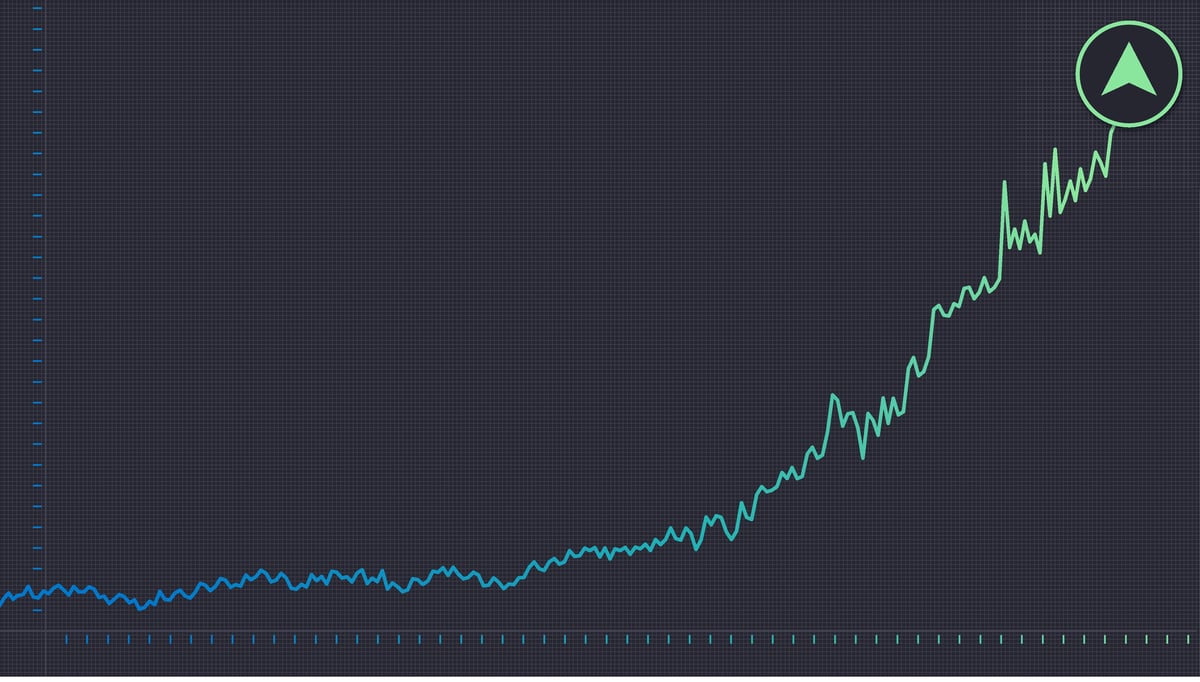
U.S. Stocks Surge Back to Record Highs Amid Market Volatility
Written by Emily J. Thompson, Senior Investment Analyst
Updated: 5 days ago
0mins

Source: CNBC
- U.S. Stocks Surge: Despite a few days of volatile trading, U.S. stocks are set to end the week positively, with the S&P 500 expected to gain, demonstrating market resilience and investor confidence.
- Dow Jones Hits Record High: The Dow Jones Industrial Average rose over 270 points on Thursday, closing at an all-time high, reflecting optimistic expectations for economic recovery and strong corporate earnings.
- Asia-Pacific Markets Rise: Asia-Pacific markets are also trading higher as investors assess diplomatic efforts for a peace deal between the U.S. and Iran, while oil prices remain elevated due to Iran's desire to keep enriched uranium, indicating geopolitical impacts on the market.
- Luxury Sector Strong Performance: Richemont, the Swiss luxury giant, reported strong full-year sales and announced a new buyback program, indicating a recovery in the high-end consumer market and sustained investor interest in luxury brands.
Trade with 70% Backtested Accuracy
Stop guessing "Should I Buy NVDA?" and start using high-conviction signals backed by rigorous historical data.
Sign up today to access powerful investing tools and make smarter, data-driven decisions.
Analyst Views on NVDA
Wall Street analysts forecast NVDA stock price to rise
41 Analyst Rating
39 Buy
1 Hold
1 Sell
Strong Buy
Current: 214.860

Low
200.00
Averages
264.97
High
352.00
Current: 214.860
Low
200.00
Averages
264.97
High
352.00
About NVDA
NVIDIA Corporation is an artificial intelligence (AI) infrastructure company. The Company is engaged in accelerated computing to help solve the challenging computational problems. Its segments include Compute & Networking and Graphics. The Compute & Networking segment includes its Data Center accelerated computing and networking platforms and AI solutions and software, and automotive platforms and autonomous and electric vehicle solutions, including software. The Graphics segment includes GeForce GPUs for gaming and personal computers (PCs), and Quadro/NVIDIA RTX GPUs for enterprise workstation graphics. Its technology stack includes the foundational NVIDIA CUDA development platform that runs on all NVIDIA GPUs, as well as hundreds of domain-specific software libraries, frameworks, algorithms, software development kits (SDKs), and application programming interfaces (APIs). Its platforms address four markets, which include Data Center, Gaming, Professional Visualization, and Automotive.
About the author

Emily J. Thompson
Emily J. Thompson, a Chartered Financial Analyst (CFA) with 12 years in investment research, graduated with honors from the Wharton School. Specializing in industrial and technology stocks, she provides in-depth analysis for Intellectia’s earnings and market brief reports.

Nvidia's Strong Earnings Mask Underlying Concerns

- Significant Revenue Growth: Nvidia reported an 85% revenue growth in Q1 of Fiscal 2027, surpassing the previous quarter's 73%, indicating strong demand for its AI chips; however, market concerns about future growth expectations have emerged.
- Increased Competition Risks: The company warned in its earnings report that some customers are developing their own ASICs and other products, which could erode Nvidia's market share and margins, raising investor concerns about future profitability.
- Stock Price Volatility Reasons: Despite a strong earnings report, Nvidia's stock fell by 0.88% post-release, reflecting that investor uncertainty about future growth may outweigh current performance metrics.
- Valuation Controversy: With a market cap of $5.2 trillion, Nvidia appears expensive, yet its forward P/E ratio of 25 suggests it could be undervalued; however, any slowdown in tech spending or increased competition could impact earnings projections, necessitating cautious investor sentiment.
See More
Nvidia's Vera Rubin Platform Set to Transform AI Market Dynamics
- Accelerating Revenue Growth: Nvidia reported a record $81.6 billion in total revenue for Q1 FY2027, marking an 85% year-over-year increase, with the data center segment alone generating $75.2 billion, reflecting a remarkable 92% growth rate, underscoring the robust sales momentum for GPUs and AI hardware.
- Promising New Platform: The upcoming Vera Rubin platform is expected to surpass the Blackwell architecture, enabling AI model training with 75% fewer GPUs and reducing inference costs by 90%, which could catalyze broader AI adoption among businesses and consumers.
- Attractive Market Valuation: Nvidia's current P/E ratio stands at 33, nearly 50% below its 10-year average of 61.7, indicating potential undervaluation; however, the stock would need to rise by 37% over the next 12 months to maintain this P/E ratio.
- Emerging Risk Factors: While Vera Rubin is poised to lower inference costs, AI companies are raising prices due to increased capital expenditures, which may blunt the platform's market impact, prompting investors to remain cautious about the uncertainties in the AI landscape.
See More
Goldman Sachs: AI Infrastructure to Drive S&P 500 Earnings Growth

- AI Infrastructure Investment Outlook: Goldman Sachs analysis projects that AI infrastructure spending will become the dominant force behind S&P 500 earnings growth over the next two years, with beneficiaries of AI investment expected to account for roughly half of S&P 500 EPS growth in both 2026 and 2027, highlighting the significant impact of technology buildout on corporate America's profitability.
- Semiconductor Sector Gains: Consensus estimates indicate that Nvidia and Micron Technology will together account for a third of S&P 500 EPS growth in 2023, positioning chipmakers as the primary direct beneficiaries of surging AI investment, thereby solidifying their critical role in the market.
- Broad Industry Impact: Beyond semiconductors, tech hardware manufacturers, industrial companies, and utilities are also experiencing substantial earnings boosts due to the proliferation of data centers and surging power demands, reflecting the positive influence of AI infrastructure development across multiple sectors.
- Depreciation Expense Concerns: Despite the optimistic overall earnings outlook, Goldman Sachs notes that growing depreciation expenses from hyperscalers will partially offset the broader earnings boost to the S&P 500, with this drag expected to have a larger impact in 2027 than in 2026, cautioning investors about potential profitability risks.
See More

Nvidia Balances Shareholder Returns with Growth
- Profitability Surge: Nvidia's latest quarter saw revenues of $81.62 billion and operating income of $53.54 billion, resulting in an impressive operating margin of 65.6%, showcasing the company's strong pricing power and demand in chip production, further solidifying its market leadership in AI.
- Shareholder Return Strategy: Nvidia has announced a new $80 billion stock repurchase program and raised its dividend by 2,400% in its latest earnings report, projecting an annual dividend payout of approximately $24.3 billion, which positions it as the second-highest dividend spender among U.S. companies, though it remains a low-yield stock.
- Financial Health: With long-term debt at just $7.47 billion compared to cash and cash equivalents of $13.24 billion, Nvidia demonstrates a robust financial position that allows for continued R&D investments while returning capital to shareholders, reflecting its strong cash flow generation capabilities.
- Market Reaction and Growth Potential: Despite Nvidia's stock price dropping after its last four earnings releases, the company reported an 85% year-over-year revenue increase, indicating that the market may misunderstand its growth potential, as it is on track to become the most profitable company globally in the near future.
See More
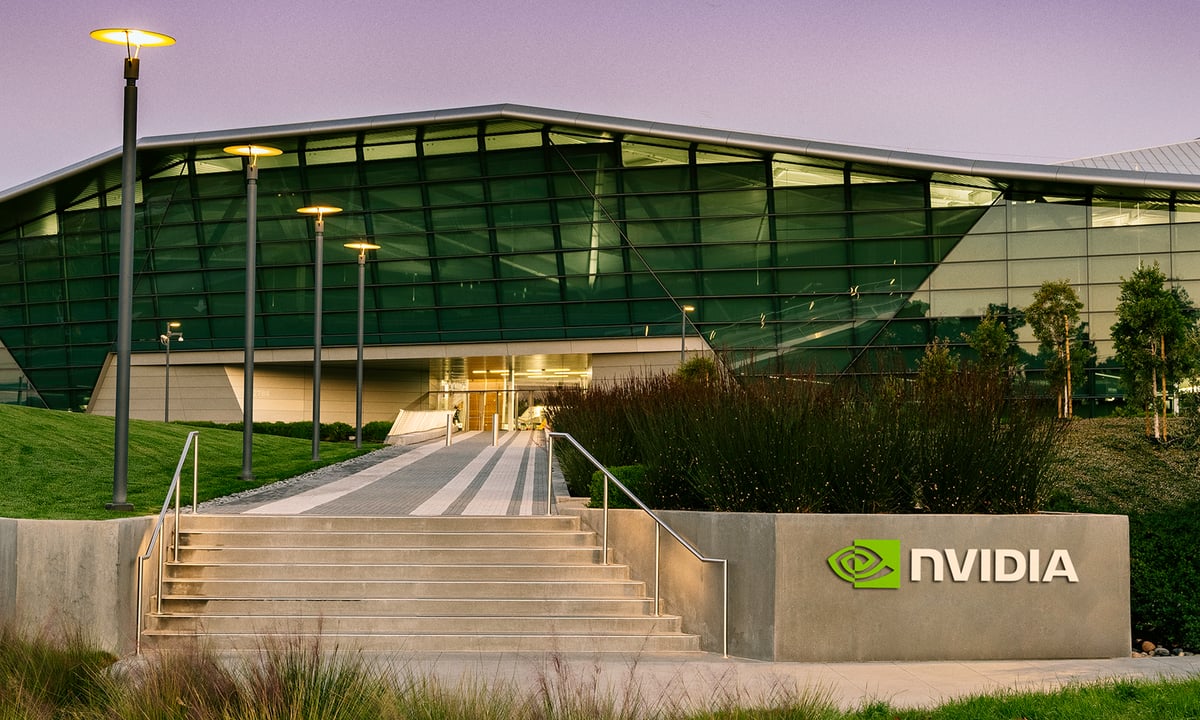
Nvidia's Earnings Growth and Dividend Surge
- Profitability Surge: Nvidia reported $81.62 billion in revenue and $53.54 billion in operating income for the latest quarter, achieving a remarkable 65.6% operating margin, showcasing its strong pricing power and demand from data center customers, positioning it to become the most profitable company globally.
- Buyback Program: Nvidia's stock buybacks surged to $44.5 billion over the past 12 months, with CFO Colette Kress forecasting a return of 50% of free cash flow to shareholders, despite holding over $13.24 billion in cash, significantly exceeding its $7.47 billion long-term debt.
- Significant Dividend Growth: Nvidia raised its dividend by 2,400% in its latest earnings report, projecting an annual payout of approximately $24.3 billion, making it the second-highest annual dividend expense among U.S. companies, even though its yield remains low at around 0.5%.
- Market Reaction: Despite Nvidia's stock declining after its last four earnings releases, it has consistently risen during each subsequent three-month period, indicating a market misunderstanding of its sustained growth potential, which investors should recognize for long-term opportunities.
See More

Market Performance Review Since Last CNBC Investing Club Meeting


- Overall Market Performance: Since the April 16 meeting, the S&P 500 has risen by 6.7% and the Nasdaq by 10.6%, indicating a strong market rebound and significantly boosting investor confidence in equities.
- Outstanding Performance by Arm: Arm's stock surged 97.9% since our position initiation, driven by robust demand expectations for CPUs, particularly in the AI sector, with projected revenues of $20 billion this year greatly enhancing its royalty business.
- Cybersecurity Stocks Rebound: CrowdStrike and Palo Alto Networks saw increases of 60.6% and 53.8%, respectively, and despite ZScaler's negative impact, the market remains optimistic about their growth prospects, with price targets raised by multiple Wall Street firms.
- Underperformance of Meta and Home Depot: Meta's stock fell 9.5% primarily due to investor concerns over its spending on generative AI, while Home Depot dropped 7.9% as high mortgage rates dampened growth expectations, reflecting a lack of confidence in their future performance.
See More
Nvidia's Strong Earnings Mask Underlying Concerns
- Significant Revenue Growth: Nvidia reported an 85% revenue growth in Q1 of Fiscal 2027, surpassing the previous quarter's 73%, indicating strong demand for its AI chips; however, market concerns about future growth expectations have emerged.
- Increased Competition Risks: The company warned in its earnings report that some customers are developing their own ASICs and other products, which could erode Nvidia's market share and margins, raising investor concerns about future profitability.
- Stock Price Volatility Reasons: Despite a strong earnings report, Nvidia's stock fell by 0.88% post-release, reflecting that investor uncertainty about future growth may outweigh current performance metrics.
- Valuation Controversy: With a market cap of $5.2 trillion, Nvidia appears expensive, yet its forward P/E ratio of 25 suggests it could be undervalued; however, any slowdown in tech spending or increased competition could impact earnings projections, necessitating cautious investor sentiment.
See More
Nvidia's Vera Rubin Platform Set to Transform AI Market Dynamics
- Accelerating Revenue Growth: Nvidia reported a record $81.6 billion in total revenue for Q1 FY2027, marking an 85% year-over-year increase, with the data center segment alone generating $75.2 billion, reflecting a remarkable 92% growth rate, underscoring the robust sales momentum for GPUs and AI hardware.
- Promising New Platform: The upcoming Vera Rubin platform is expected to surpass the Blackwell architecture, enabling AI model training with 75% fewer GPUs and reducing inference costs by 90%, which could catalyze broader AI adoption among businesses and consumers.
- Attractive Market Valuation: Nvidia's current P/E ratio stands at 33, nearly 50% below its 10-year average of 61.7, indicating potential undervaluation; however, the stock would need to rise by 37% over the next 12 months to maintain this P/E ratio.
- Emerging Risk Factors: While Vera Rubin is poised to lower inference costs, AI companies are raising prices due to increased capital expenditures, which may blunt the platform's market impact, prompting investors to remain cautious about the uncertainties in the AI landscape.
See More
Goldman Sachs: AI Infrastructure to Drive S&P 500 Earnings Growth
- AI Infrastructure Investment Outlook: Goldman Sachs analysis projects that AI infrastructure spending will become the dominant force behind S&P 500 earnings growth over the next two years, with beneficiaries of AI investment expected to account for roughly half of S&P 500 EPS growth in both 2026 and 2027, highlighting the significant impact of technology buildout on corporate America's profitability.
- Semiconductor Sector Gains: Consensus estimates indicate that Nvidia and Micron Technology will together account for a third of S&P 500 EPS growth in 2023, positioning chipmakers as the primary direct beneficiaries of surging AI investment, thereby solidifying their critical role in the market.
- Broad Industry Impact: Beyond semiconductors, tech hardware manufacturers, industrial companies, and utilities are also experiencing substantial earnings boosts due to the proliferation of data centers and surging power demands, reflecting the positive influence of AI infrastructure development across multiple sectors.
- Depreciation Expense Concerns: Despite the optimistic overall earnings outlook, Goldman Sachs notes that growing depreciation expenses from hyperscalers will partially offset the broader earnings boost to the S&P 500, with this drag expected to have a larger impact in 2027 than in 2026, cautioning investors about potential profitability risks.
See More
Nvidia Balances Shareholder Returns with Growth
- Profitability Surge: Nvidia's latest quarter saw revenues of $81.62 billion and operating income of $53.54 billion, resulting in an impressive operating margin of 65.6%, showcasing the company's strong pricing power and demand in chip production, further solidifying its market leadership in AI.
- Shareholder Return Strategy: Nvidia has announced a new $80 billion stock repurchase program and raised its dividend by 2,400% in its latest earnings report, projecting an annual dividend payout of approximately $24.3 billion, which positions it as the second-highest dividend spender among U.S. companies, though it remains a low-yield stock.
- Financial Health: With long-term debt at just $7.47 billion compared to cash and cash equivalents of $13.24 billion, Nvidia demonstrates a robust financial position that allows for continued R&D investments while returning capital to shareholders, reflecting its strong cash flow generation capabilities.
- Market Reaction and Growth Potential: Despite Nvidia's stock price dropping after its last four earnings releases, the company reported an 85% year-over-year revenue increase, indicating that the market may misunderstand its growth potential, as it is on track to become the most profitable company globally in the near future.
See More
Nvidia's Earnings Growth and Dividend Surge
- Profitability Surge: Nvidia reported $81.62 billion in revenue and $53.54 billion in operating income for the latest quarter, achieving a remarkable 65.6% operating margin, showcasing its strong pricing power and demand from data center customers, positioning it to become the most profitable company globally.
- Buyback Program: Nvidia's stock buybacks surged to $44.5 billion over the past 12 months, with CFO Colette Kress forecasting a return of 50% of free cash flow to shareholders, despite holding over $13.24 billion in cash, significantly exceeding its $7.47 billion long-term debt.
- Significant Dividend Growth: Nvidia raised its dividend by 2,400% in its latest earnings report, projecting an annual payout of approximately $24.3 billion, making it the second-highest annual dividend expense among U.S. companies, even though its yield remains low at around 0.5%.
- Market Reaction: Despite Nvidia's stock declining after its last four earnings releases, it has consistently risen during each subsequent three-month period, indicating a market misunderstanding of its sustained growth potential, which investors should recognize for long-term opportunities.
See More
Market Performance Review Since Last CNBC Investing Club Meeting
- Overall Market Performance: Since the April 16 meeting, the S&P 500 has risen by 6.7% and the Nasdaq by 10.6%, indicating a strong market rebound and significantly boosting investor confidence in equities.
- Outstanding Performance by Arm: Arm's stock surged 97.9% since our position initiation, driven by robust demand expectations for CPUs, particularly in the AI sector, with projected revenues of $20 billion this year greatly enhancing its royalty business.
- Cybersecurity Stocks Rebound: CrowdStrike and Palo Alto Networks saw increases of 60.6% and 53.8%, respectively, and despite ZScaler's negative impact, the market remains optimistic about their growth prospects, with price targets raised by multiple Wall Street firms.
- Underperformance of Meta and Home Depot: Meta's stock fell 9.5% primarily due to investor concerns over its spending on generative AI, while Home Depot dropped 7.9% as high mortgage rates dampened growth expectations, reflecting a lack of confidence in their future performance.
See More