U.S. Stocks Plummet Amid Rising Oil Prices and Iran Negotiation Concerns
Written by Emily J. Thompson, Senior Investment Analyst
Updated: Mar 27 2026
0mins


Source: CNBC
- Nasdaq Index Plunge: The Nasdaq 100 experienced its worst one-day drop since October, while the S&P 500 and Nasdaq Composite recorded their worst performance since January 20, indicating heightened market concerns over economic outlook.
- Sector Performance Divergence: Tech stocks have fallen 15.5% from their October highs, whereas the energy sector has risen 10.5% since the onset of the Iran conflict, suggesting a potential reevaluation of asset allocation by investors based on sector resilience.
- Oversold Stocks: Only five stocks in the Nasdaq 100 are considered 'oversold' with an RSI of 30, indicating a bearish market sentiment that may lead to selling pressure, particularly affecting well-known companies like Microsoft and Disney.
- Cruise Line Performance Decline: Carnival Cruise Line's shares have dropped 17.6% over the past three months and 25% since the February 6 high, reflecting a sluggish recovery in the travel industry that could undermine future investor confidence.
Trade with 70% Backtested Accuracy
Stop guessing "Should I Buy NVDA?" and start using high-conviction signals backed by rigorous historical data.
Sign up today to access powerful investing tools and make smarter, data-driven decisions.
Analyst Views on NVDA
Wall Street analysts forecast NVDA stock price to rise
41 Analyst Rating
39 Buy
1 Hold
1 Sell
Strong Buy
Current: 204.650

Low
200.00
Averages
264.97
High
352.00
Current: 204.650
Low
200.00
Averages
264.97
High
352.00
About NVDA
NVIDIA Corporation is an artificial intelligence (AI) infrastructure company. The Company is engaged in accelerated computing to help solve the challenging computational problems. Its segments include Compute & Networking and Graphics. The Compute & Networking segment includes its Data Center accelerated computing and networking platforms and AI solutions and software, and automotive platforms and autonomous and electric vehicle solutions, including software. The Graphics segment includes GeForce GPUs for gaming and personal computers (PCs), and Quadro/NVIDIA RTX GPUs for enterprise workstation graphics. Its technology stack includes the foundational NVIDIA CUDA development platform that runs on all NVIDIA GPUs, as well as hundreds of domain-specific software libraries, frameworks, algorithms, software development kits (SDKs), and application programming interfaces (APIs). Its platforms address four markets, which include Data Center, Gaming, Professional Visualization, and Automotive.
About the author

Emily J. Thompson
Emily J. Thompson, a Chartered Financial Analyst (CFA) with 12 years in investment research, graduated with honors from the Wharton School. Specializing in industrial and technology stocks, she provides in-depth analysis for Intellectia’s earnings and market brief reports.

Amazon's Cloud Services Accelerate Growth Amid Market Volatility

- Cloud Revenue Growth: Amazon's first-quarter AWS revenue rose 28% year-over-year to $37.6 billion, marking its fastest growth in 15 quarters, indicating strong competitive positioning in the cloud market and expected to further boost overall company performance.
- AI-Driven Profit Enhancement: AWS's AI revenue has reached an annual run rate of $15 billion, with a backlog of $364 billion, demonstrating that investments in artificial intelligence are significantly enhancing profitability and driving overall operating margin to a record 13.1%.
- Capital Expenditure Plans: Amazon plans to invest approximately $200 billion by 2026, with $43.2 billion spent in the first quarter primarily on AWS and AI expansion, which has led to a substantial decline in free cash flow, yet management views this as a necessary investment to seize market opportunities.
- In-House Chip Design Advantage: Amazon's custom chips now run at an annual revenue rate exceeding $20 billion, up nearly 40% from the previous quarter, allowing the company to reduce reliance on external suppliers, which is expected to save tens of billions in capital expenditures while enhancing AWS's margins.
See More

Nvidia's Stock Surge and Dividend Analysis
- Outstanding Stock Performance: As of June 17, Nvidia's shares have surged 1,050% over the past five years, highlighting its strong position in the AI boom and attracting significant investor interest.
- Dividend Increase: In May, Nvidia raised its quarterly dividend from $0.01 to $0.25 per share, yet investors need to own 10,000 shares to generate $10,000 in annual income, indicating limited appeal for income-focused investors.
- High Investment Cost: At the current price of $206.45, investors would need to spend nearly $2.1 million to acquire enough shares for passive income, making it unattractive for those seeking stable cash flow.
- Low Dividend Yield: With a dividend yield of only 0.48%, significantly below the S&P 500 average of 1.04%, Nvidia is better suited for growth investors looking for capital appreciation rather than dividend income.
See More

Veeva and Adobe: Investment Opportunities in the AI Era


- Strong Financial Performance: Despite a declining stock price, Veeva Systems reported a 16% year-over-year revenue increase to $882.9 million in Q1 FY2027, with adjusted EPS at $2.24, reflecting robust demand and a solid customer base in the life sciences sector.
- Significant Market Opportunity: Veeva Systems has an addressable market exceeding $20 billion, while its trailing twelve-month revenue stands at only $3.3 billion, indicating substantial potential for future growth and expansion.
- AI Technology Integration: The launch of Veeva AI aims to automate and simplify numerous tasks within the life sciences industry, enhancing product competitiveness and customer satisfaction.
- Adobe's Growth Potential: Adobe's revenue increased by 13% year-over-year to $6.62 billion in Q2 FY2026, with adjusted EPS at $5.96, demonstrating its continued leadership in digital content creation, while the introduction of AI tools is significantly boosting its annual recurring revenue.
See More

Eli Lilly's Stock Soars 40%: Key Growth Drivers

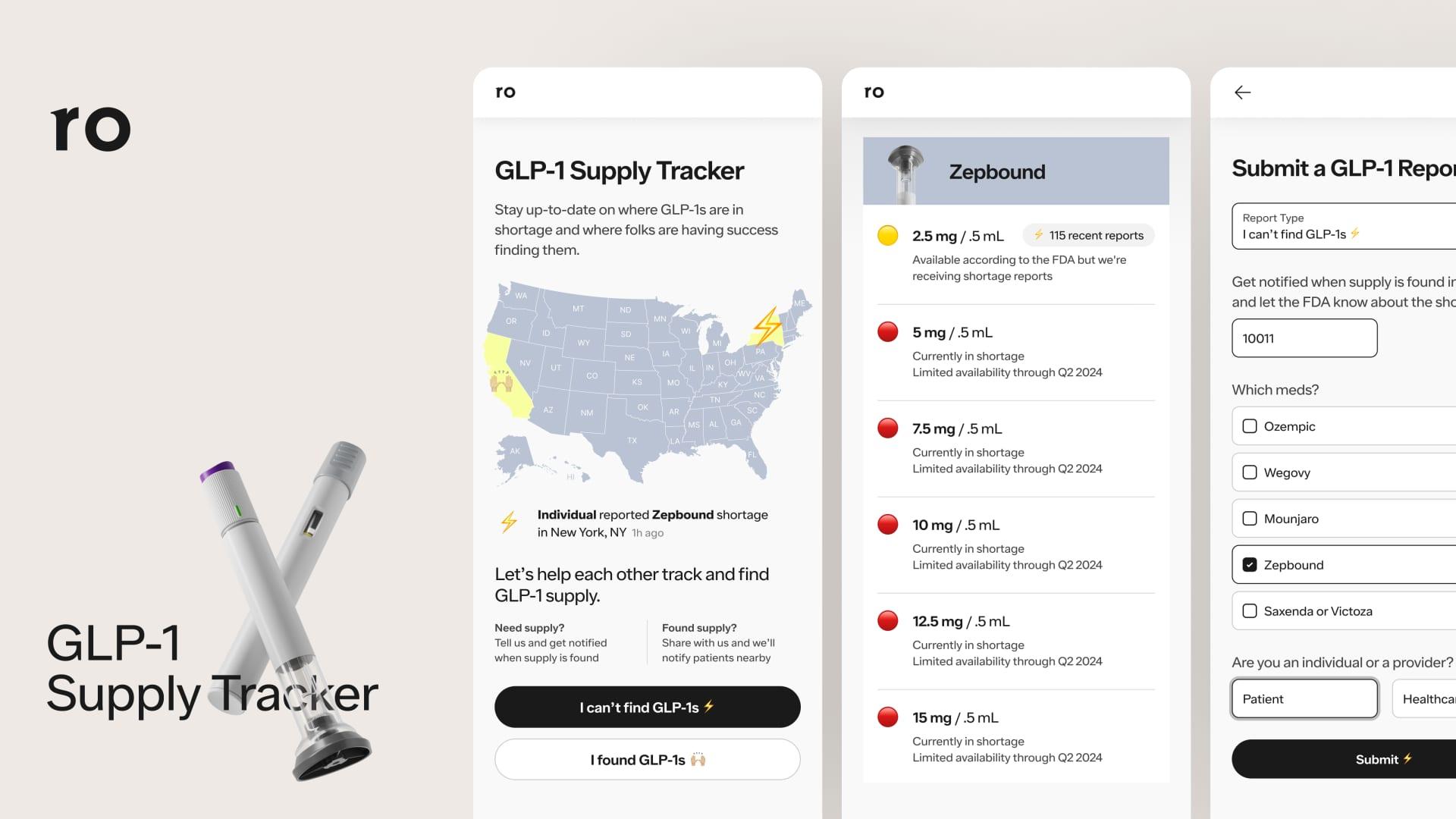
- Weight Loss Market Potential: Eli Lilly's weight loss drug Zepbound (tirzepatide) is experiencing rapid sales growth, and the newly approved oral GLP-1 medication Foundayo is attracting 80% new patients, indicating significant untapped potential in this sector, which is expected to further solidify its market leadership.
- Pipeline Diversification Investment: Eli Lilly has invested billions through acquisitions and licensing agreements to expand its product lineup across multiple therapeutic areas, including oncology and neuroscience, aiming to reduce reliance on diabetes and obesity drugs and enhance future revenue streams.
- Strong Dividend Growth: Although Eli Lilly's dividend yield is around 0.6%, the company has seen a 239% increase in dividends over the past decade, showcasing its potential for healthy dividend growth, which appeals to income-seeking investors.
- Market Value Milestone: Eli Lilly has become the first healthcare company to reach a market value of $1 trillion, with a 40% stock price increase over the past 12 months, reflecting its strong performance among peers and confidence in future growth.
See More

SpaceX IPO Success with Market Valuation Reaching $2.5 Trillion

- IPO Success and Market Demand: SpaceX's initial public offering (IPO) was a major success, with its market valuation rising from an initial target of $1.77 trillion to nearly $2.5 trillion, and total IPO proceeds reaching approximately $86 billion, indicating strong investor demand for the stock.
- Oversubscription Phenomenon: On the IPO date, underwriters received orders for twice the number of shares they were authorized to sell, with actual demand potentially four times higher than supply, reflecting SpaceX's status as one of the hottest IPOs in history.
- Lockup Period Arrangement: SpaceX's share unlock schedule is complex, with some shares unlocking after 70 and 90 days, and by the end of August 2026, the number of publicly traded shares is expected to double, significantly increasing market float and potentially impacting stock price volatility.
- Nasdaq Fast-Entry Qualification: SpaceX qualifies for Nasdaq's new fast-entry rule and will join the index after 15 days of trading, compelling funds tracking the benchmark index to buy shares while the float remains relatively low, further driving up the stock price.
See More

Software Companies Embrace AI Opportunities
- Optimistic Industry Outlook: Nvidia CEO Jensen Huang stated at a tech trade show that AI will enhance software companies' products and services rather than replace them, providing a positive signal for the software sector and potentially prompting investors to revisit undervalued stocks.
- Veeva Systems Strong Growth: Veeva Systems reported a 16% year-over-year revenue increase in Q1 FY2027, reaching $882.9 million, with adjusted EPS at $2.24, highlighting strong market demand and customer loyalty in the life sciences sector.
- Adobe's Solid Financial Performance: Adobe's revenue grew 13% year-over-year in Q2 FY2026 to a record $6.62 billion, with adjusted EPS at $5.96, demonstrating the company's continued leadership in digital content creation despite market challenges.
- AI Tools Driving Innovation: Adobe's AI innovations have led to a threefold increase in annual recurring revenue to over $500 million, indicating the company's potential to leverage AI for enhancing products and services, further solidifying its competitive advantage.
See More
Amazon's Cloud Services Accelerate Growth Amid Market Volatility
- Cloud Revenue Growth: Amazon's first-quarter AWS revenue rose 28% year-over-year to $37.6 billion, marking its fastest growth in 15 quarters, indicating strong competitive positioning in the cloud market and expected to further boost overall company performance.
- AI-Driven Profit Enhancement: AWS's AI revenue has reached an annual run rate of $15 billion, with a backlog of $364 billion, demonstrating that investments in artificial intelligence are significantly enhancing profitability and driving overall operating margin to a record 13.1%.
- Capital Expenditure Plans: Amazon plans to invest approximately $200 billion by 2026, with $43.2 billion spent in the first quarter primarily on AWS and AI expansion, which has led to a substantial decline in free cash flow, yet management views this as a necessary investment to seize market opportunities.
- In-House Chip Design Advantage: Amazon's custom chips now run at an annual revenue rate exceeding $20 billion, up nearly 40% from the previous quarter, allowing the company to reduce reliance on external suppliers, which is expected to save tens of billions in capital expenditures while enhancing AWS's margins.
See More
Nvidia's Stock Surge and Dividend Analysis
- Outstanding Stock Performance: As of June 17, Nvidia's shares have surged 1,050% over the past five years, highlighting its strong position in the AI boom and attracting significant investor interest.
- Dividend Increase: In May, Nvidia raised its quarterly dividend from $0.01 to $0.25 per share, yet investors need to own 10,000 shares to generate $10,000 in annual income, indicating limited appeal for income-focused investors.
- High Investment Cost: At the current price of $206.45, investors would need to spend nearly $2.1 million to acquire enough shares for passive income, making it unattractive for those seeking stable cash flow.
- Low Dividend Yield: With a dividend yield of only 0.48%, significantly below the S&P 500 average of 1.04%, Nvidia is better suited for growth investors looking for capital appreciation rather than dividend income.
See More
Veeva and Adobe: Investment Opportunities in the AI Era
- Strong Financial Performance: Despite a declining stock price, Veeva Systems reported a 16% year-over-year revenue increase to $882.9 million in Q1 FY2027, with adjusted EPS at $2.24, reflecting robust demand and a solid customer base in the life sciences sector.
- Significant Market Opportunity: Veeva Systems has an addressable market exceeding $20 billion, while its trailing twelve-month revenue stands at only $3.3 billion, indicating substantial potential for future growth and expansion.
- AI Technology Integration: The launch of Veeva AI aims to automate and simplify numerous tasks within the life sciences industry, enhancing product competitiveness and customer satisfaction.
- Adobe's Growth Potential: Adobe's revenue increased by 13% year-over-year to $6.62 billion in Q2 FY2026, with adjusted EPS at $5.96, demonstrating its continued leadership in digital content creation, while the introduction of AI tools is significantly boosting its annual recurring revenue.
See More
Eli Lilly's Stock Soars 40%: Key Growth Drivers
- Weight Loss Market Potential: Eli Lilly's weight loss drug Zepbound (tirzepatide) is experiencing rapid sales growth, and the newly approved oral GLP-1 medication Foundayo is attracting 80% new patients, indicating significant untapped potential in this sector, which is expected to further solidify its market leadership.
- Pipeline Diversification Investment: Eli Lilly has invested billions through acquisitions and licensing agreements to expand its product lineup across multiple therapeutic areas, including oncology and neuroscience, aiming to reduce reliance on diabetes and obesity drugs and enhance future revenue streams.
- Strong Dividend Growth: Although Eli Lilly's dividend yield is around 0.6%, the company has seen a 239% increase in dividends over the past decade, showcasing its potential for healthy dividend growth, which appeals to income-seeking investors.
- Market Value Milestone: Eli Lilly has become the first healthcare company to reach a market value of $1 trillion, with a 40% stock price increase over the past 12 months, reflecting its strong performance among peers and confidence in future growth.
See More
SpaceX IPO Success with Market Valuation Reaching $2.5 Trillion
- IPO Success and Market Demand: SpaceX's initial public offering (IPO) was a major success, with its market valuation rising from an initial target of $1.77 trillion to nearly $2.5 trillion, and total IPO proceeds reaching approximately $86 billion, indicating strong investor demand for the stock.
- Oversubscription Phenomenon: On the IPO date, underwriters received orders for twice the number of shares they were authorized to sell, with actual demand potentially four times higher than supply, reflecting SpaceX's status as one of the hottest IPOs in history.
- Lockup Period Arrangement: SpaceX's share unlock schedule is complex, with some shares unlocking after 70 and 90 days, and by the end of August 2026, the number of publicly traded shares is expected to double, significantly increasing market float and potentially impacting stock price volatility.
- Nasdaq Fast-Entry Qualification: SpaceX qualifies for Nasdaq's new fast-entry rule and will join the index after 15 days of trading, compelling funds tracking the benchmark index to buy shares while the float remains relatively low, further driving up the stock price.
See More
Software Companies Embrace AI Opportunities
- Optimistic Industry Outlook: Nvidia CEO Jensen Huang stated at a tech trade show that AI will enhance software companies' products and services rather than replace them, providing a positive signal for the software sector and potentially prompting investors to revisit undervalued stocks.
- Veeva Systems Strong Growth: Veeva Systems reported a 16% year-over-year revenue increase in Q1 FY2027, reaching $882.9 million, with adjusted EPS at $2.24, highlighting strong market demand and customer loyalty in the life sciences sector.
- Adobe's Solid Financial Performance: Adobe's revenue grew 13% year-over-year in Q2 FY2026 to a record $6.62 billion, with adjusted EPS at $5.96, demonstrating the company's continued leadership in digital content creation despite market challenges.
- AI Tools Driving Innovation: Adobe's AI innovations have led to a threefold increase in annual recurring revenue to over $500 million, indicating the company's potential to leverage AI for enhancing products and services, further solidifying its competitive advantage.
See More