

US Raises Global Tariffs, Sparking Trade Confusion
Written by Emily J. Thompson, Senior Investment Analyst
Updated: Feb 23 2026
0mins

Source: CNBC
- Tariff Increase Impact: President Trump's announcement to raise global tariffs to 15% results in a 2.1 percentage point increase in the UK's average tariff rate and a 0.8 point rise for the EU, while Brazil and China see reductions of 13.6 and 7.1 points respectively, highlighting the uneven impact on different nations' trade.
- Legal Ruling Consequences: The U.S. Supreme Court's 6-3 decision overturns tariffs imposed under the International Emergency Economic Powers Act, providing relief to countries like China and Brazil, but increasing burdens on nations that negotiated early trade deals with the U.S.
- Asian Nations' Response: China and India adopt a wait-and-see approach to the new tariff policies, with India postponing a planned visit to the U.S. for an interim trade deal aimed at reducing tariffs to 18%, reflecting uncertainty in future trade relations.
- Trade Agreement Confusion: Trump's tariff policies create confusion in trade agreements, as the White House maintains a 10% tariff in its fact sheet, yet the actual implementation remains unclear, leaving countries facing legal and policy uncertainties in negotiations.
Trade with 70% Backtested Accuracy
Stop guessing "Should I Buy CAAS?" and start using high-conviction signals backed by rigorous historical data.
Sign up today to access powerful investing tools and make smarter, data-driven decisions.
Analyst Views on CAAS
About CAAS
China Automotive Systems Inc is a holding company principally engaged in the manufacture and sale of automotive systems and components. The Company’s main products include rack and pinion power steering, integral power steering, electronic power steering and manual steering, steering columns, steering oil pumps and steering hoses. The Company's major customers include FAW Group, Dongfeng Auto Group Co., Ltd, BYD Auto Co., Ltd, as well as Stellar Group and Ford Motor Company in North America. The Company primarily operates its businesses in the domestic and overseas markets.
About the author

Emily J. Thompson
Emily J. Thompson, a Chartered Financial Analyst (CFA) with 12 years in investment research, graduated with honors from the Wharton School. Specializing in industrial and technology stocks, she provides in-depth analysis for Intellectia’s earnings and market brief reports.
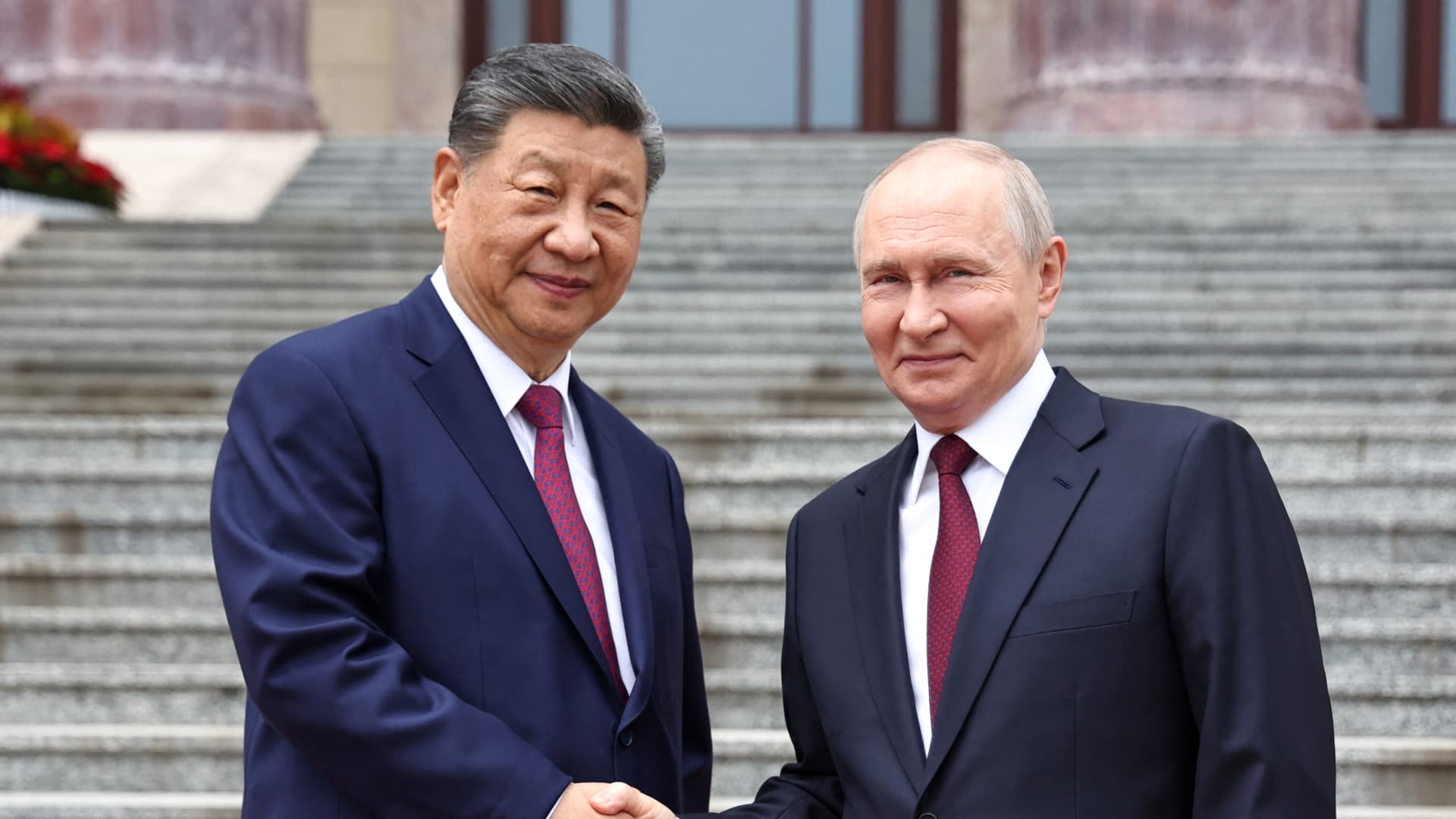
Xi-Trump Meeting Highlights Taiwan Tensions

- Taiwan as a Core Issue: Xi Jinping emphasized that Taiwan is the most critical issue in U.S.-China relations during his meeting with Trump, warning that mishandling it could jeopardize bilateral ties, highlighting China's intense focus on Taiwan's status and its implications for diplomatic relations.
- Impact of Arms Sales: Analysts suggest Xi's comments aimed to persuade the Trump administration to delay or cancel a pending $14 billion arms sale to Taiwan, arguing that without U.S. defense support, it would be easier for China to take the island by force, reflecting the heightened military and diplomatic tensions between the two nations.
- Contrast with Putin Meeting: Unlike the formal encounter with Trump, Xi's meeting with Putin was more relaxed, with both leaders reaffirming their strategic cooperation without mentioning Taiwan, indicating a shared ideological alignment and mutual resistance against Western influence in geopolitical matters.
- Deepening Bilateral Relations: Following their talks, Xi and Putin issued a joint statement emphasizing the strengthening of political mutual trust and strategic cooperation across various sectors, underscoring the growing ties between China and Russia and their unified stance on international issues.
See More
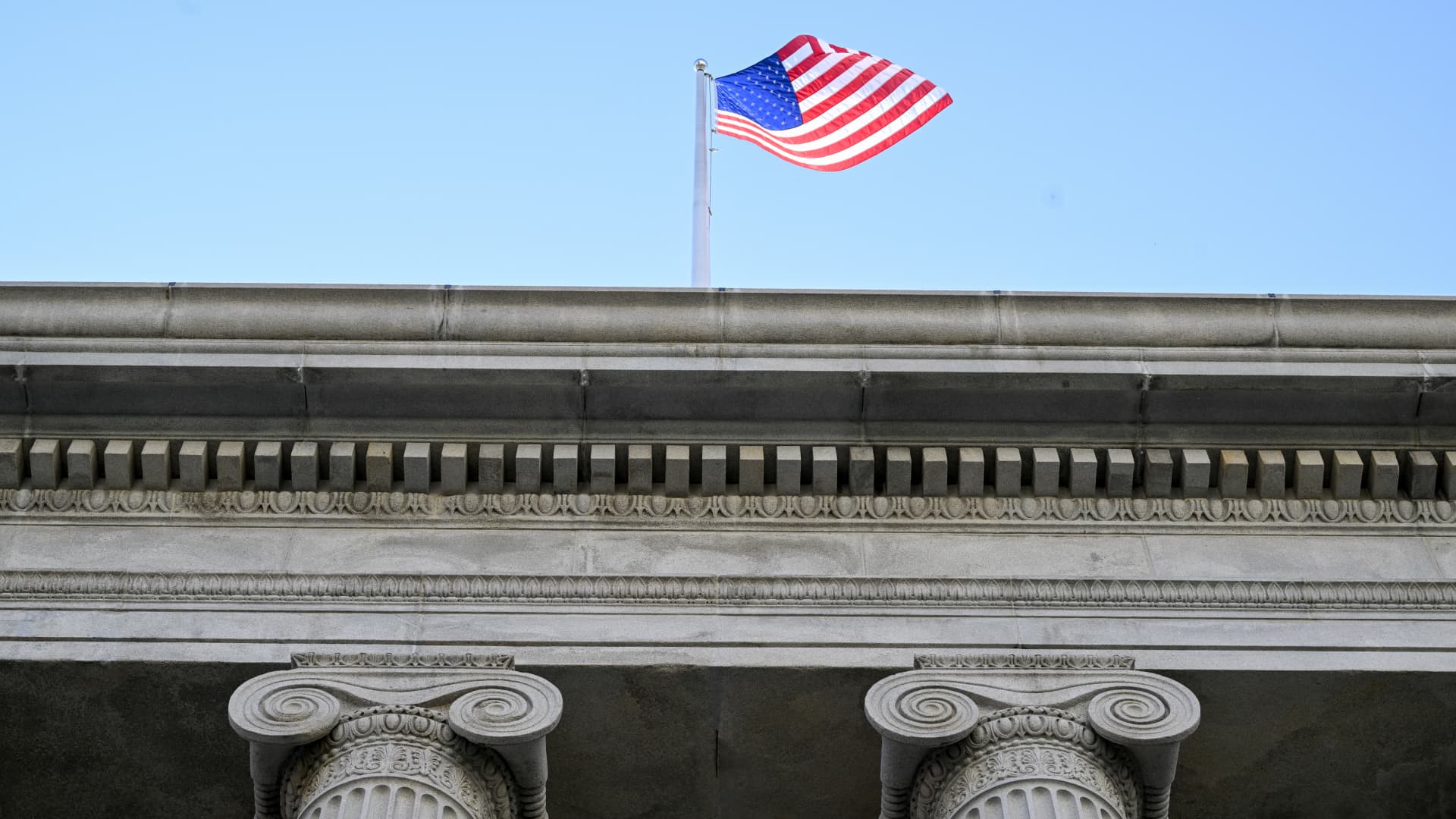
Foreign Holdings of U.S. Treasuries Decline Amid Geopolitical Tensions

- Foreign Treasury Selloff: Foreign governments reduced their U.S. Treasury holdings to $9.25 trillion in March from $9.49 trillion in February, reflecting concerns over liquidity amid increased financial volatility due to geopolitical tensions.
- China's Holdings Decline: China's U.S. Treasury holdings fell to $652.3 billion in March, down approximately 6% from February, marking the lowest level since September 2008, indicating a strategic shift in response to energy shocks.
- Japan's Liquidation Trend: Japan, the largest foreign holder of U.S. debt, shed about $47 billion in March, bringing its holdings down to $1.191 trillion, highlighting its strategy to manage pressures from yen depreciation and rising energy costs.
- Stable Shadow Holdings: Despite a decrease in China's direct Treasury holdings,
See More

China Automotive Systems Ships First Batch of EPS Models to Global Automaker
- Milestone Shipment: China Automotive Systems has successfully shipped the first batch of electric power steering (EPS) models from its factory, with an expected annual sales volume of approximately 300,000 units, marking a significant expansion in the company's presence within the global automotive supply chain.
- Technical Recognition: Over the past two years, the CAAS team completed 66 DV/PV tests, with 65 passing customer approval on the first attempt, showcasing their strong technical capabilities and stringent quality control, thereby solidifying partnerships with global automakers.
- Production Line Innovation: The company has implemented eight modern manufacturing technologies, including seamless integration of Manufacturing Execution System (MES) with Automated Guided Vehicles (AGV), ensuring production efficiency and product quality, which enhances overall production capacity.
- Market Expansion Strategy: The launch of the first EPS products not only enriches CAAS's product portfolio but also addresses the diverse needs of both passenger and commercial vehicle markets globally, supporting the company's strategic goal of globalization.
See More

China Automotive Systems Ships First Batch of EPS Models to Global Automaker
- Milestone Shipment: China Automotive Systems has successfully shipped the first batch of electric power steering (EPS) models from its factory, with an expected annual sales volume of approximately 300,000 units, marking a significant expansion in the global automotive supply chain.
- Technical Recognition: Over the past two years, the CAAS team completed 66 DV/PV tests, with 65 passing customer approval on the first attempt, showcasing their strong technical capabilities and meticulous engineering, thereby strengthening partnerships with global automakers.
- Modernized Production Line: The company utilizes eight modern manufacturing technologies, including seamless integration of Manufacturing Execution System (MES) with Automated Guided Vehicles (AGV), ensuring production efficiency and product quality, which enhances its competitive edge in the market.
- Strategic Expansion: CEO Qizhou Wu stated that entering another major OEM's supply chain reflects the company's efforts to broaden its customer base and geographic reach, with EPS products designed to meet the diverse needs of both passenger and commercial vehicles globally.
See More
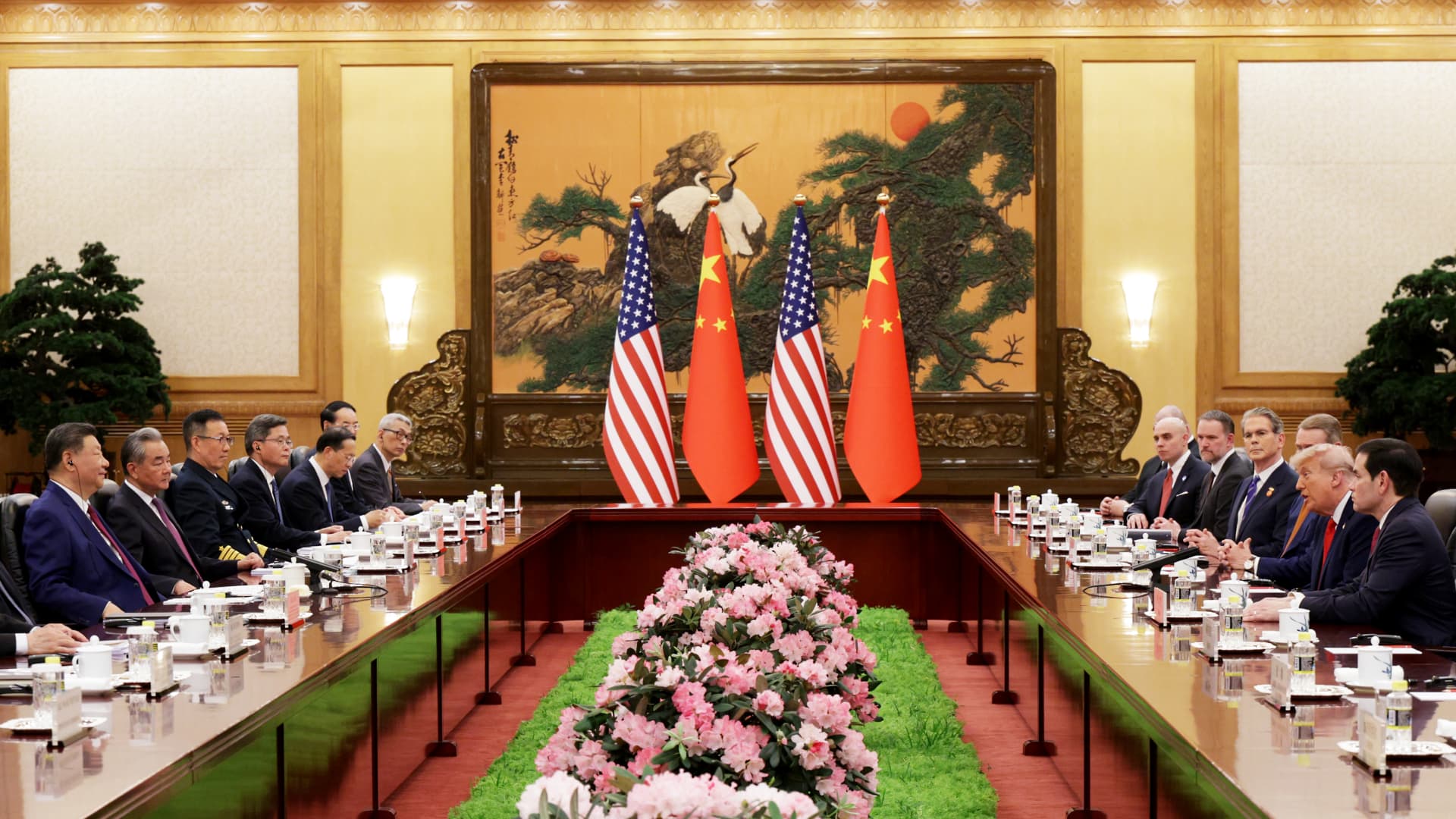
U.S.-China Summit Reaches Cooperation Consensus

- New Strategic Framework: Xi Jinping and Donald Trump agreed to a guiding framework of 'constructive China-U.S. relationship of strategic stability' for the next three years, indicating a willingness to manage competition while preventing escalation of tensions.
- Positive Pre-summit Outcomes: At the preparatory meeting in South Korea, trade envoys achieved 'overall balanced and positive outcomes,' with Xi emphasizing the need to maintain this momentum, reflecting China's openness to deeper U.S. commercial engagement.
- Areas for Deeper Cooperation: Xi called for better use of diplomatic and military communication channels while advocating for deeper cooperation in economic, trade, agriculture, and tourism sectors, highlighting the potential for multi-faceted collaboration between the two nations.
- Critical Taiwan Issue: Xi labeled Taiwan as 'the most important issue in U.S.-China relations,' warning that proper handling could stabilize relations while mishandling could lead to conflict, underscoring the sensitivity and complexity of the Taiwan situation.
See More
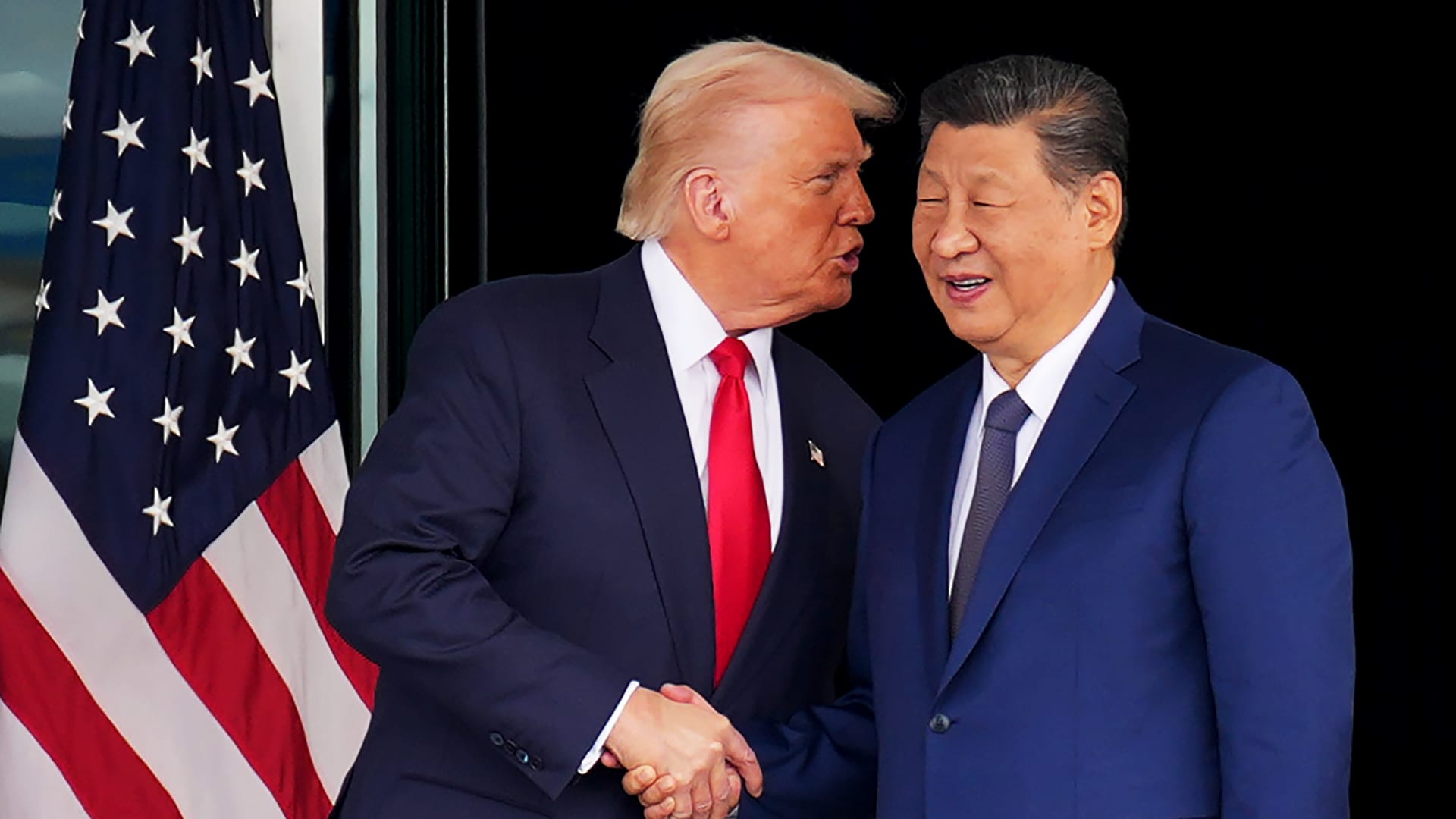
US-India Relations Face New Challenges Amidst US-China Summit

- Tension in US-India Relations: The shift in the Trump administration's China policy has strained US-India relations, with experts noting India's concerns that the US may prioritize China as the main negotiating partner, thereby diminishing India's strategic role in the Indo-Pacific.
- Need for Enhanced Strategic Value: To counter potential marginalization, India must establish more tangible cooperation with the US in sectors such as defense, maritime security, and critical minerals, thereby enhancing its strategic value and ensuring its importance in US-China relations.
- Changes in Trade Policy: The Trump administration's trade policy has become more transactional, with a 25% penalty tariff imposed on India last year for allegedly profiting from cheap Russian oil, further deteriorating bilateral relations.
- Concerns Over G2 Concept: India's attention to the US-China summit has intensified, with fears that the so-called 'G2' concept may marginalize middle powers like India, impacting its voice and influence in international affairs.
See More
Xi-Trump Meeting Highlights Taiwan Tensions
- Taiwan as a Core Issue: Xi Jinping emphasized that Taiwan is the most critical issue in U.S.-China relations during his meeting with Trump, warning that mishandling it could jeopardize bilateral ties, highlighting China's intense focus on Taiwan's status and its implications for diplomatic relations.
- Impact of Arms Sales: Analysts suggest Xi's comments aimed to persuade the Trump administration to delay or cancel a pending $14 billion arms sale to Taiwan, arguing that without U.S. defense support, it would be easier for China to take the island by force, reflecting the heightened military and diplomatic tensions between the two nations.
- Contrast with Putin Meeting: Unlike the formal encounter with Trump, Xi's meeting with Putin was more relaxed, with both leaders reaffirming their strategic cooperation without mentioning Taiwan, indicating a shared ideological alignment and mutual resistance against Western influence in geopolitical matters.
- Deepening Bilateral Relations: Following their talks, Xi and Putin issued a joint statement emphasizing the strengthening of political mutual trust and strategic cooperation across various sectors, underscoring the growing ties between China and Russia and their unified stance on international issues.
See More
Foreign Holdings of U.S. Treasuries Decline Amid Geopolitical Tensions
- Foreign Treasury Selloff: Foreign governments reduced their U.S. Treasury holdings to $9.25 trillion in March from $9.49 trillion in February, reflecting concerns over liquidity amid increased financial volatility due to geopolitical tensions.
- China's Holdings Decline: China's U.S. Treasury holdings fell to $652.3 billion in March, down approximately 6% from February, marking the lowest level since September 2008, indicating a strategic shift in response to energy shocks.
- Japan's Liquidation Trend: Japan, the largest foreign holder of U.S. debt, shed about $47 billion in March, bringing its holdings down to $1.191 trillion, highlighting its strategy to manage pressures from yen depreciation and rising energy costs.
- Stable Shadow Holdings: Despite a decrease in China's direct Treasury holdings,
See More
China Automotive Systems Ships First Batch of EPS Models to Global Automaker
- Milestone Shipment: China Automotive Systems has successfully shipped the first batch of electric power steering (EPS) models from its factory, with an expected annual sales volume of approximately 300,000 units, marking a significant expansion in the company's presence within the global automotive supply chain.
- Technical Recognition: Over the past two years, the CAAS team completed 66 DV/PV tests, with 65 passing customer approval on the first attempt, showcasing their strong technical capabilities and stringent quality control, thereby solidifying partnerships with global automakers.
- Production Line Innovation: The company has implemented eight modern manufacturing technologies, including seamless integration of Manufacturing Execution System (MES) with Automated Guided Vehicles (AGV), ensuring production efficiency and product quality, which enhances overall production capacity.
- Market Expansion Strategy: The launch of the first EPS products not only enriches CAAS's product portfolio but also addresses the diverse needs of both passenger and commercial vehicle markets globally, supporting the company's strategic goal of globalization.
See More
China Automotive Systems Ships First Batch of EPS Models to Global Automaker
- Milestone Shipment: China Automotive Systems has successfully shipped the first batch of electric power steering (EPS) models from its factory, with an expected annual sales volume of approximately 300,000 units, marking a significant expansion in the global automotive supply chain.
- Technical Recognition: Over the past two years, the CAAS team completed 66 DV/PV tests, with 65 passing customer approval on the first attempt, showcasing their strong technical capabilities and meticulous engineering, thereby strengthening partnerships with global automakers.
- Modernized Production Line: The company utilizes eight modern manufacturing technologies, including seamless integration of Manufacturing Execution System (MES) with Automated Guided Vehicles (AGV), ensuring production efficiency and product quality, which enhances its competitive edge in the market.
- Strategic Expansion: CEO Qizhou Wu stated that entering another major OEM's supply chain reflects the company's efforts to broaden its customer base and geographic reach, with EPS products designed to meet the diverse needs of both passenger and commercial vehicles globally.
See More
U.S.-China Summit Reaches Cooperation Consensus
- New Strategic Framework: Xi Jinping and Donald Trump agreed to a guiding framework of 'constructive China-U.S. relationship of strategic stability' for the next three years, indicating a willingness to manage competition while preventing escalation of tensions.
- Positive Pre-summit Outcomes: At the preparatory meeting in South Korea, trade envoys achieved 'overall balanced and positive outcomes,' with Xi emphasizing the need to maintain this momentum, reflecting China's openness to deeper U.S. commercial engagement.
- Areas for Deeper Cooperation: Xi called for better use of diplomatic and military communication channels while advocating for deeper cooperation in economic, trade, agriculture, and tourism sectors, highlighting the potential for multi-faceted collaboration between the two nations.
- Critical Taiwan Issue: Xi labeled Taiwan as 'the most important issue in U.S.-China relations,' warning that proper handling could stabilize relations while mishandling could lead to conflict, underscoring the sensitivity and complexity of the Taiwan situation.
See More
US-India Relations Face New Challenges Amidst US-China Summit
- Tension in US-India Relations: The shift in the Trump administration's China policy has strained US-India relations, with experts noting India's concerns that the US may prioritize China as the main negotiating partner, thereby diminishing India's strategic role in the Indo-Pacific.
- Need for Enhanced Strategic Value: To counter potential marginalization, India must establish more tangible cooperation with the US in sectors such as defense, maritime security, and critical minerals, thereby enhancing its strategic value and ensuring its importance in US-China relations.
- Changes in Trade Policy: The Trump administration's trade policy has become more transactional, with a 25% penalty tariff imposed on India last year for allegedly profiting from cheap Russian oil, further deteriorating bilateral relations.
- Concerns Over G2 Concept: India's attention to the US-China summit has intensified, with fears that the so-called 'G2' concept may marginalize middle powers like India, impacting its voice and influence in international affairs.
See More




