US Navy to Begin Escorting Vessels in Strait of Hormuz Soon, Bessent Reports as Oil Prices Exceed $100 Again

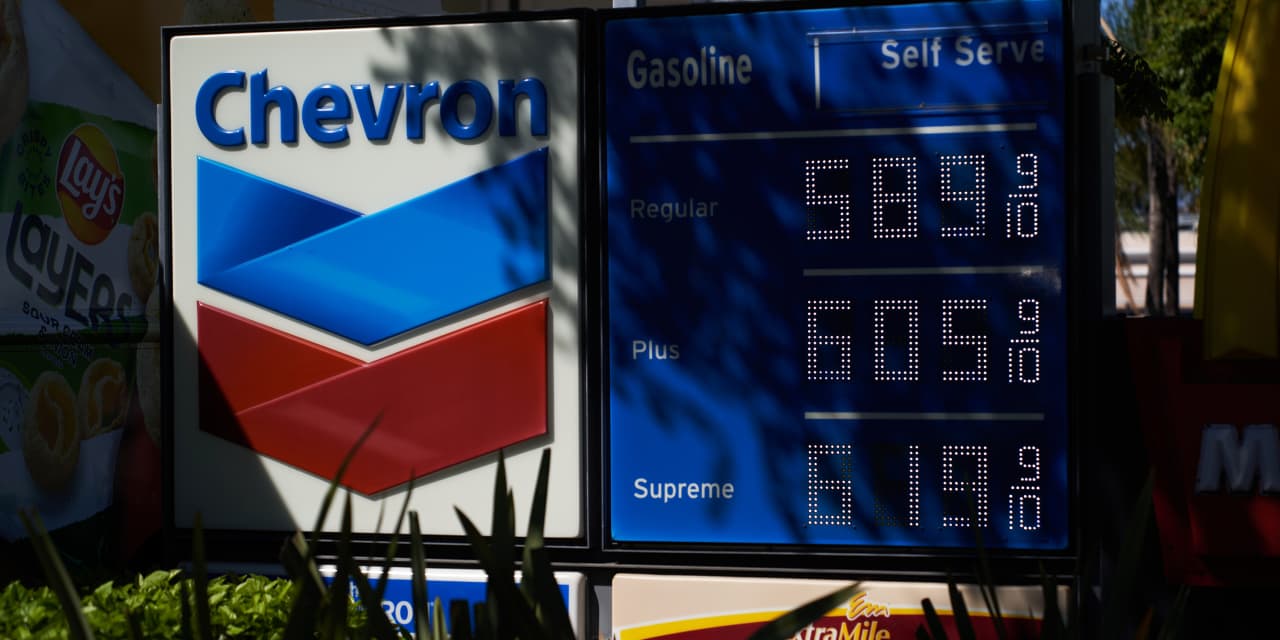
U.S. Costs of the Iran War: The Iran war has cost the U.S. approximately $11 billion so far, with rising crude oil prices exceeding $100 per barrel amid escalating tensions.
Oil Price Predictions: A former IMF economist suggested that oil prices could surge to $200 per barrel due to the ongoing conflict, compounding existing risks in the market.
Military Escort Plans: U.S. Treasury Secretary Scott Bessent indicated that the Navy will escort ships through the Strait of Hormuz as soon as militarily feasible, potentially involving an international coalition.
Stock Market Impact: U.S. stocks faced pressure, with major indices closing lower, reflecting bearish sentiment in the market, while oil prices continued to rise without significantly impacting the overall economy.
Trade with 70% Backtested Accuracy
Analyst Views on USO
About the author


Bitcoin Stays Above $71,000 as Oil Prices Fall Following Iran Peace Plan News – Dogecoin and Cardano Excel


Oil Prices Drop: Oil prices fell below $100 following reports of a U.S.-backed ceasefire proposal to Iran, despite Iranian officials denying active negotiations.
Cryptocurrency Market Trends: Cardano and Dogecoin outperformed Bitcoin, with both posting gains of over 3% in the last 24 hours, while the broader cryptocurrency market capitalization reached approximately $2.52 trillion.
Bitcoin Price Movements: Bitcoin traded above $71,000 after dipping below $69,000 in previous sessions, with retail sentiment remaining bearish in the cryptocurrency market.
Market Sentiment and Liquidity: Retail sentiment around cryptocurrencies remained in a bearish territory, with significant liquidity observed, indicating a split between long and short positions in the market.
Iran Allegedly Rejects Ceasefire Proposal; Officials Claim Trump Is Engaging in Self-Negotiation


Iran Rejects U.S. Ceasefire Plan: Iran has rejected a 15-point ceasefire plan proposed by the U.S. through Pakistan, citing a "very bad experience" with American diplomacy, as stated by Foreign Minister Esmaeil Baghaei.
U.S. Military Movements: The U.S. has deployed thousands of marines to the Middle East amid rising tensions, while Iranian officials confirmed the delivery of the ceasefire plan to Iran.
Details of the Ceasefire Plan: The U.S. ceasefire plan includes aspects such as sanctions relief, a rollback of Iran's nuclear program, and provisions for shipping through the Strait of Hormuz.
Postponement of Attacks: President Trump announced a postponement of attacks on Iran's energy infrastructure for five days, indicating a temporary pause in military actions.
USO, BATL, TPET, EONR Drop in Premarket Trading: Analysts Indicate Decline of Oil 'War Premium' Due to Iran Diplomacy


Oil Market Decline: Major oil stocks and indices experienced significant drops, with BATL falling nearly 10% and USO down about 5%, attributed to weaker production and revenue linked to gas-treating facility curtailments.
US Military Deployment: The U.S. deployed 2,000 troops from the 82nd Airborne Division amid ongoing tensions in the Strait of Hormuz, while Iran indicated that "non-hostile" vessels could still transit the area despite missile strikes on Israel.
Diplomatic Efforts: The U.S. proposed a new diplomatic initiative to end the conflict with Iran, which includes troop deployments and ongoing military operations, while Iran has signaled a willingness to engage in negotiations.
Market Sentiment: Investor sentiment remains bearish for several oil companies, with significant year-over-year gains for BATL, EONR, and USO, while TPE has seen a decline, reflecting the ongoing volatility in the oil market.
US Markets Surge After Hours Amid Hopes for Resolution of Middle East Conflicts
Iran's Negotiation Status: Uncertainty surrounds whether Iran will accept a U.S. proposal aimed at ending the ongoing war in the Middle East, with reports indicating that negotiations are already taking place.
U.S. Proposal Details: The U.S. has sent a 15-point proposal to Iran, addressing issues related to Iran's ballistic missile and nuclear programs, as well as maritime routes.
Market Reactions: Following the news of the U.S. proposal, U.S. stock markets showed positive movement, with various ETFs tracking the S&P 500 and industrial averages experiencing gains.
Iran's Public Stance: Despite the ongoing discussions, Iran has publicly maintained that no negotiations are currently happening, while also hinting at a significant offer related to energy flows through the Strait of Hormuz.
Moody's Analytics' Mark Zandi Predicts 'High Likelihood' of Recession in Second Half of Year: Report
Economic Outlook: Moody's chief economist, Mark Zandi, indicated that a recession in the U.S. is "more than likely" by the second half of the year, citing rising recession risks even before the Iran war began in February.
Job Market Trends: Zandi noted that the job market has stagnated, with job losses reported in February and a lack of fast growth over the past year, despite a higher unemployment rate.
Employment Data: According to ADP data, U.S. private employers added an average of 10,000 jobs per week during the four weeks ending March 7, 2026.
Market Reactions: The article mentions significant market movements, including a drop of over 400 points in Dow Falls, reflecting broader economic concerns and uncertainties.
Dow Drops More Than 400 Points Amid Reports of 2,200 Marines Heading to the Middle East on Trump's Iran Deadline Day
U.S. Marines Deployment: Nearly 2,200 U.S. Marines are set to arrive in the Middle East amid escalating tensions with Iran, coinciding with President Trump's deadline for Iran's actions.
Market Reactions: The Dow Jones Industrial Average dropped over 400 points, while the S&P 500 index fell by 0.8%, reflecting investor concerns amid geopolitical tensions.
Crude Oil Prices Surge: Crude oil prices increased significantly, with West Texas Intermediate futures rising nearly 5% to over $93 per barrel, and Brent crude futures reclaiming the $100 per barrel level.
Bearish Market Sentiment: Retail sentiment regarding the S&P 500 ETF is described as "extremely bearish," indicating a cautious outlook among investors in the current market environment.
Bitcoin Stays Above $71,000 as Oil Prices Fall Following Iran Peace Plan News – Dogecoin and Cardano Excel
Oil Prices Drop: Oil prices fell below $100 following reports of a U.S.-backed ceasefire proposal to Iran, despite Iranian officials denying active negotiations.
Cryptocurrency Market Trends: Cardano and Dogecoin outperformed Bitcoin, with both posting gains of over 3% in the last 24 hours, while the broader cryptocurrency market capitalization reached approximately $2.52 trillion.
Bitcoin Price Movements: Bitcoin traded above $71,000 after dipping below $69,000 in previous sessions, with retail sentiment remaining bearish in the cryptocurrency market.
Market Sentiment and Liquidity: Retail sentiment around cryptocurrencies remained in a bearish territory, with significant liquidity observed, indicating a split between long and short positions in the market.
Iran Allegedly Rejects Ceasefire Proposal; Officials Claim Trump Is Engaging in Self-Negotiation
Iran Rejects U.S. Ceasefire Plan: Iran has rejected a 15-point ceasefire plan proposed by the U.S. through Pakistan, citing a "very bad experience" with American diplomacy, as stated by Foreign Minister Esmaeil Baghaei.
U.S. Military Movements: The U.S. has deployed thousands of marines to the Middle East amid rising tensions, while Iranian officials confirmed the delivery of the ceasefire plan to Iran.
Details of the Ceasefire Plan: The U.S. ceasefire plan includes aspects such as sanctions relief, a rollback of Iran's nuclear program, and provisions for shipping through the Strait of Hormuz.
Postponement of Attacks: President Trump announced a postponement of attacks on Iran's energy infrastructure for five days, indicating a temporary pause in military actions.
USO, BATL, TPET, EONR Drop in Premarket Trading: Analysts Indicate Decline of Oil 'War Premium' Due to Iran Diplomacy
Oil Market Decline: Major oil stocks and indices experienced significant drops, with BATL falling nearly 10% and USO down about 5%, attributed to weaker production and revenue linked to gas-treating facility curtailments.
US Military Deployment: The U.S. deployed 2,000 troops from the 82nd Airborne Division amid ongoing tensions in the Strait of Hormuz, while Iran indicated that "non-hostile" vessels could still transit the area despite missile strikes on Israel.
Diplomatic Efforts: The U.S. proposed a new diplomatic initiative to end the conflict with Iran, which includes troop deployments and ongoing military operations, while Iran has signaled a willingness to engage in negotiations.
Market Sentiment: Investor sentiment remains bearish for several oil companies, with significant year-over-year gains for BATL, EONR, and USO, while TPE has seen a decline, reflecting the ongoing volatility in the oil market.
US Markets Surge After Hours Amid Hopes for Resolution of Middle East Conflicts
Iran's Negotiation Status: Uncertainty surrounds whether Iran will accept a U.S. proposal aimed at ending the ongoing war in the Middle East, with reports indicating that negotiations are already taking place.
U.S. Proposal Details: The U.S. has sent a 15-point proposal to Iran, addressing issues related to Iran's ballistic missile and nuclear programs, as well as maritime routes.
Market Reactions: Following the news of the U.S. proposal, U.S. stock markets showed positive movement, with various ETFs tracking the S&P 500 and industrial averages experiencing gains.
Iran's Public Stance: Despite the ongoing discussions, Iran has publicly maintained that no negotiations are currently happening, while also hinting at a significant offer related to energy flows through the Strait of Hormuz.
Moody's Analytics' Mark Zandi Predicts 'High Likelihood' of Recession in Second Half of Year: Report
Economic Outlook: Moody's chief economist, Mark Zandi, indicated that a recession in the U.S. is "more than likely" by the second half of the year, citing rising recession risks even before the Iran war began in February.
Job Market Trends: Zandi noted that the job market has stagnated, with job losses reported in February and a lack of fast growth over the past year, despite a higher unemployment rate.
Employment Data: According to ADP data, U.S. private employers added an average of 10,000 jobs per week during the four weeks ending March 7, 2026.
Market Reactions: The article mentions significant market movements, including a drop of over 400 points in Dow Falls, reflecting broader economic concerns and uncertainties.
Dow Drops More Than 400 Points Amid Reports of 2,200 Marines Heading to the Middle East on Trump's Iran Deadline Day
U.S. Marines Deployment: Nearly 2,200 U.S. Marines are set to arrive in the Middle East amid escalating tensions with Iran, coinciding with President Trump's deadline for Iran's actions.
Market Reactions: The Dow Jones Industrial Average dropped over 400 points, while the S&P 500 index fell by 0.8%, reflecting investor concerns amid geopolitical tensions.
Crude Oil Prices Surge: Crude oil prices increased significantly, with West Texas Intermediate futures rising nearly 5% to over $93 per barrel, and Brent crude futures reclaiming the $100 per barrel level.
Bearish Market Sentiment: Retail sentiment regarding the S&P 500 ETF is described as "extremely bearish," indicating a cautious outlook among investors in the current market environment.