US Lawmaker Urges Airlines to Lower Prices Amid Fuel Cost Decline
Written by Emily J. Thompson, Senior Investment Analyst
Updated: Apr 16 2026
0mins
Source: CNBC
- Fuel Cost Surge: As of April 2, jet fuel prices reached an average of $4.88 per gallon in major US cities, marking a 95% increase since February 28, prompting airlines to raise surcharges and fares, thereby impacting consumer travel costs significantly.
- Lawmaker's Price Reduction Call: US Representative Ritchie Torres has urged the CEOs of major airlines to commit to lowering ticket prices when fuel costs decline, emphasizing that airline pricing should be closely tied to global fuel costs to ensure economic fairness for consumers.
- Airlines' Response Strategies: Delta Airlines reported a $2 billion headwind from fuel costs this quarter and plans to
Trade with 70% Backtested Accuracy
Stop guessing "Should I Buy LUV?" and start using high-conviction signals backed by rigorous historical data.
Sign up today to access powerful investing tools and make smarter, data-driven decisions.
Analyst Views on LUV
Wall Street analysts forecast LUV stock price to rise
14 Analyst Rating
4 Buy
9 Hold
1 Sell
Hold
Current: 43.310

Low
34.00
Averages
44.21
High
60.00
Current: 43.310
Low
34.00
Averages
44.21
High
60.00
About LUV
Southwest Airlines Co. (Southwest) operates Southwest Airlines, a passenger airline that provides scheduled air transportation in the United States and near-international markets. The Company's fare products include four categories: Wanna Get Away, Wanna Get Away Plus, Anytime, and Business Select to provide customers options when choosing a fare. It also offers ancillary services, such as EarlyBird Check-In, Upgraded Boarding, and transportation of pets and unaccompanied minors, in accordance with Southwest’s respective policies. Its Rapid Rewards loyalty program enables program members to earn points for every dollar spent on Southwest base fares, also including purchases paid with LUV Vouchers, gift cards, or flight credit, with no portion of the purchase price paid with Rapid Rewards points. It operates over 803 Boeing 737 aircraft in its fleet and serves 117 destinations in 42 states, the District of Columbia, the Commonwealth of Puerto Rico, and ten near-international countries.
About the author

Emily J. Thompson
Emily J. Thompson, a Chartered Financial Analyst (CFA) with 12 years in investment research, graduated with honors from the Wharton School. Specializing in industrial and technology stocks, she provides in-depth analysis for Intellectia’s earnings and market brief reports.

Southwest Airlines CEO Optimistic on Demand Stability

- Strong Demand: Southwest Airlines CEO Bob Jordan stated that despite implementing seven fare increases since February, there has been no drop in demand, indicating a robust recovery in both leisure and business travel, which boosts the airline's confidence in future revenues.
- Historical Fare Increases: Jordan noted that this is the most fare increases he has recalled in his 38-year career in the industry, reflecting the widespread cost pressures faced by airlines, with Southwest responding by raising fares to counter rising fuel costs.
- Market Diversity: He highlighted that demand remains strong across various geographical regions and booking curves, suggesting that consumer demand for air travel is growing in all markets, further solidifying the company's market position.
- Optimistic Revenue Outlook: With fare increases and stable demand, Southwest Airlines is poised to offset rising fuel costs through stronger revenues, demonstrating the company's resilience and adaptability in a competitive airline market.
See More
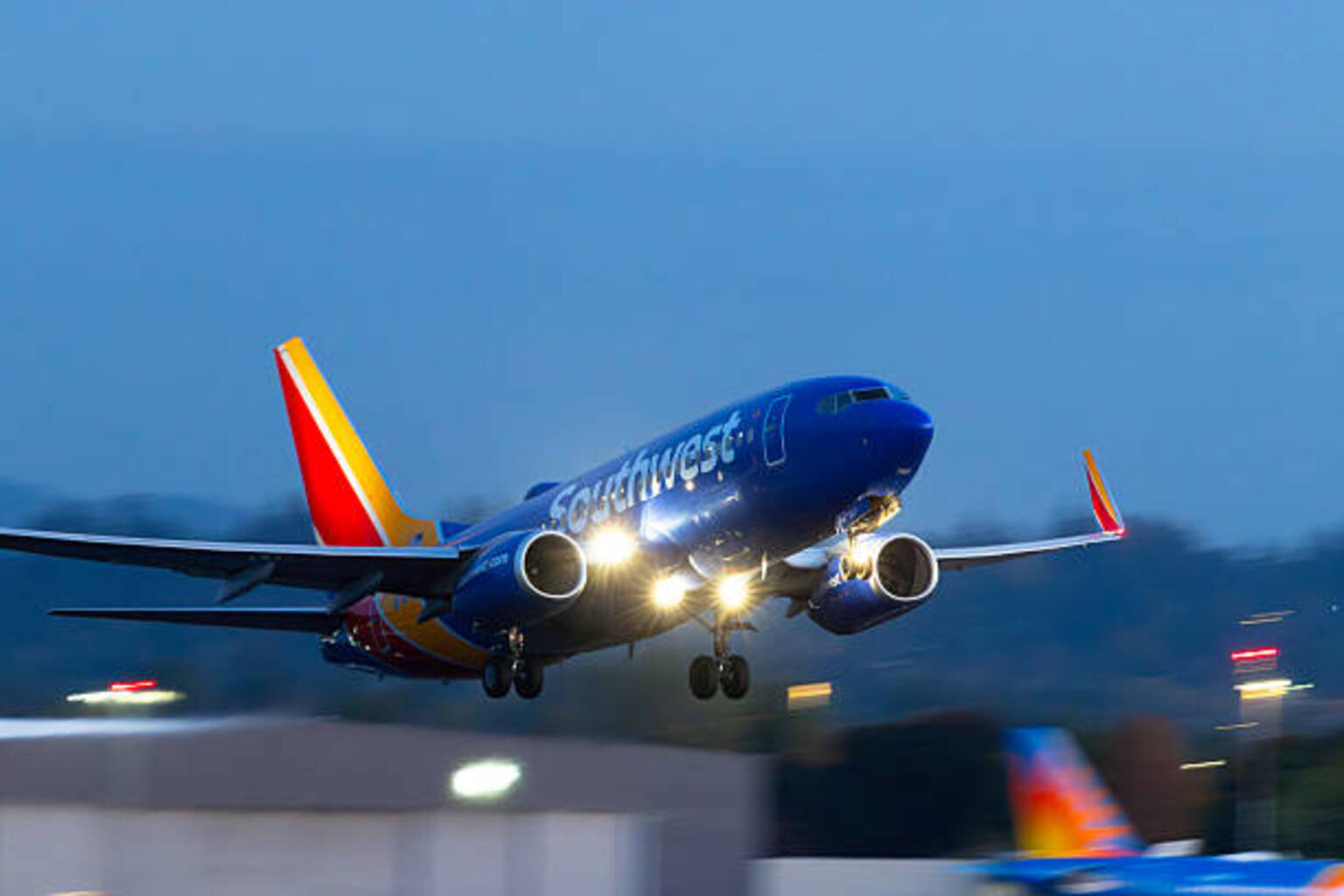
Southwest Airlines Sees 25% Revenue Growth from Business Travelers
- Business Traveler Revenue Surge: Southwest Airlines reported a 25% increase in revenue from business travelers in March, a trend that has continued into April and May, indicating the company's success in attracting high-value customers and enhancing its market competitiveness.
- Strong Demand Persistence: Despite seven fare increases since February, Southwest has not experienced a drop in demand, demonstrating the effectiveness of its pricing strategy and the continued strong market demand, which helps cover rising fuel costs.
- International Route Exploration: Southwest may consider launching long-haul international flights in the future, a strategic move that could further expand its market share and revenue streams, enhancing the company's global competitiveness.
- M&A Environment Monitoring: While the current environment feels “ripe” for consolidation, Southwest is not considering acquisitions, particularly regarding JetBlue due to its debt load, reflecting the company's focus on maintaining financial health.
See More

Mixed Close for US Stocks as Oil Prices Plunge


- Market Performance: On Wednesday, the S&P 500 Index rose by 0.02%, the Dow Jones Industrial Average increased by 0.36% to a new record high, while the Nasdaq 100 fell by 0.09%, indicating a divergence in market sentiment amid enthusiasm for artificial intelligence and declining oil prices.
- Oil Price Fluctuations: Crude oil prices plummeted over 5% to a five-week low due to optimism surrounding a US-Iran peace deal, which eased inflation expectations and pushed the 10-year Treasury yield down to a 1.5-week low of 4.45%, providing support for the bond market.
- Mortgage Application Decline: US MBA mortgage applications fell by 8.5% for the week ending May 22, with the purchase mortgage sub-index down 0.4% and the refinancing sub-index down 18.1%, reflecting the dampening effect of high interest rates on housing demand, as the average 30-year fixed mortgage rate rose to 6.65%.
- Corporate Earnings Outlook: As of Wednesday, 83% of the 475 S&P 500 companies that reported Q1 earnings exceeded expectations, with projected earnings growth of 12% year-over-year, but excluding the technology sector, the growth is only 3%, indicating signs of overall earnings weakness.
See More

Mixed US Stock Market with Energy Stocks Under Pressure
- Divergent Market Performance: The S&P 500 index fell by 0.07% while the Dow Jones Industrial Average rose by 0.54%, indicating a divergence in market trends, particularly with the Dow reaching a new high, reflecting increased investor confidence in certain sectors.
- Impact of Falling Oil Prices: Crude oil prices dropped over 3% amid optimism for a normalization of oil flows from the Middle East, which not only eased inflation expectations but also pushed the 10-year Treasury yield down to a 1.5-week low of 4.45%, positively affecting the bond market.
- Decline in Mortgage Applications: US MBA mortgage applications fell by 8.5% for the week ending May 22, with the purchase mortgage sub-index down 0.4% and the refinancing sub-index plunging 18.1%, indicating the suppressive effect of high interest rates on the housing market.
- Corporate Earnings Overview: As of now, 83% of the 475 S&P 500 companies that reported Q1 earnings have exceeded expectations, with overall earnings projected to rise by 12% year-on-year, but excluding the tech sector, the growth is only 3%, highlighting disparities across industries.
See More

Mixed US Stock Market with Energy Stocks Under Pressure
- Market Divergence: The S&P 500 index fell by 0.05%, while the Dow Jones Industrial Average rose by 0.23%, and the Nasdaq 100 index decreased by 0.15%, indicating a divergence in market performance, particularly under the pressure of weak energy and cybersecurity stocks.
- Crude Oil Price Decline: Crude oil prices dropped over 4% to a five-week low amid optimism surrounding a US-Iran peace deal, which has lowered inflation expectations and pushed bond yields lower, with the 10-year T-note yield falling to a 1.5-week low of 4.45%.
- Mortgage Application Decrease: For the week ending May 22, US MBA mortgage applications fell by 8.5%, with the purchase mortgage sub-index down 0.4% and the refinancing mortgage sub-index down 18.1%, indicating the suppressive effect of high rates on the housing market.
- Earnings Performance: As of now, 83% of the 475 S&P 500 companies that reported Q1 earnings have exceeded expectations, with Q1 earnings projected to rise by 12% year-over-year, but excluding the technology sector, earnings growth is only about 3%, marking the lowest in two years, reflecting disparities across industries.
See More
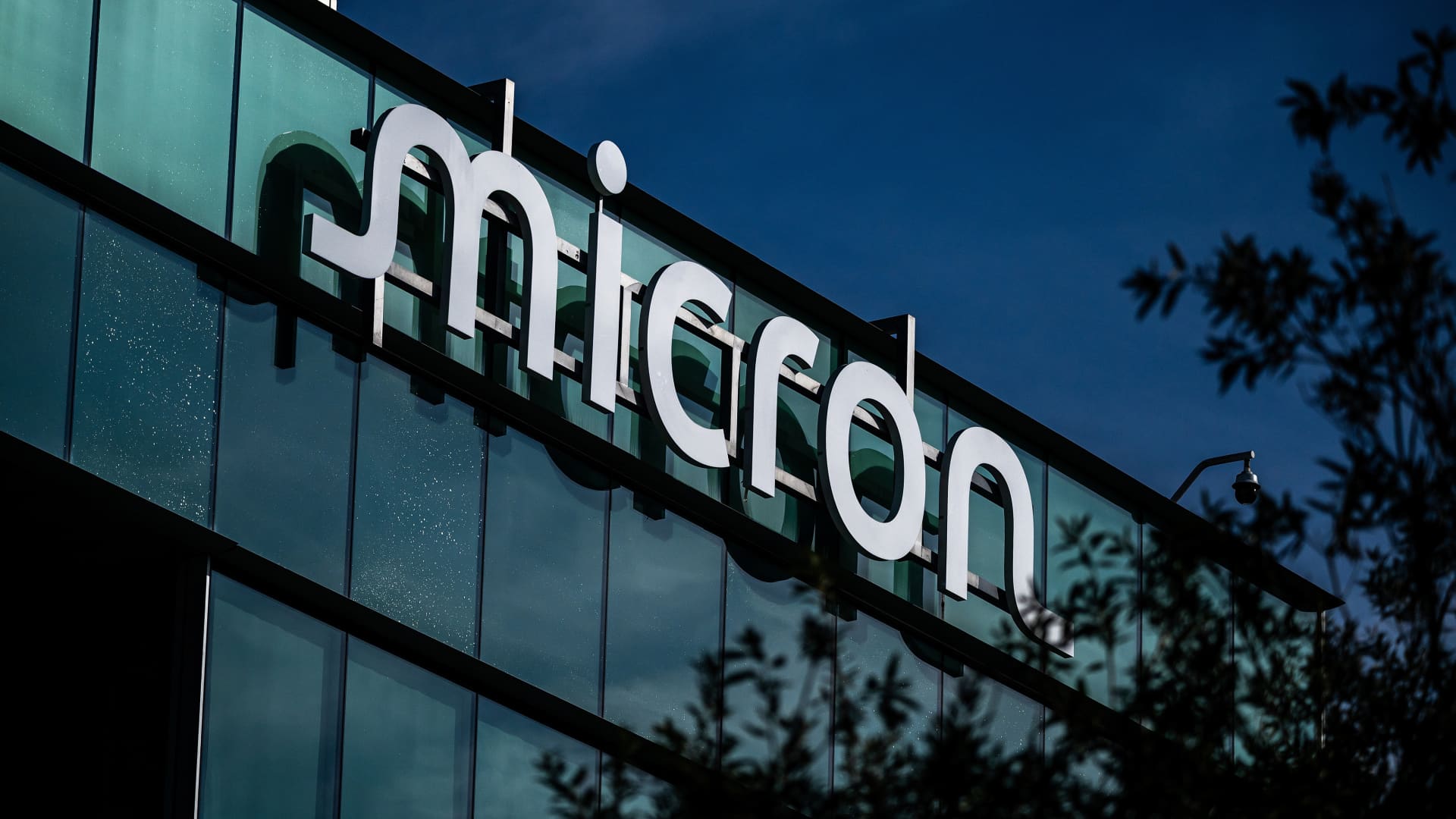
Micron's Market Cap Surpasses $1 Trillion as S&P 500 and Nasdaq Hit New Records


- Micron Milestone: Micron Technology's stock surged over 19% on Tuesday, pushing its market capitalization past $1 trillion for the first time, which has drawn significant investor attention and catalyzed a broader rally in technology stocks, indicating strong confidence in the semiconductor sector.
- Tech Indices Surge: The S&P 500 and Nasdaq Composite both reached new highs, marking their longest winning streak in over a month, reflecting optimistic market sentiment and heightened investment enthusiasm in technology stocks driven by Micron's performance.
- SK Hynix Joins Ranks: South Korean chipmaker SK Hynix also entered the $1 trillion market cap club on the same day, highlighting the influx of investment into AI-linked semiconductor companies and further enhancing the growth potential of the global semiconductor market.
- Auto Sector Volatility: Despite AutoZone reporting better-than-expected earnings, its stock experienced its worst day since 2022, illustrating market concerns regarding the automotive sector amid rising inflation and energy prices, which could impact consumer spending and overall economic stability.
See More
Southwest Airlines CEO Optimistic on Demand Stability
- Strong Demand: Southwest Airlines CEO Bob Jordan stated that despite implementing seven fare increases since February, there has been no drop in demand, indicating a robust recovery in both leisure and business travel, which boosts the airline's confidence in future revenues.
- Historical Fare Increases: Jordan noted that this is the most fare increases he has recalled in his 38-year career in the industry, reflecting the widespread cost pressures faced by airlines, with Southwest responding by raising fares to counter rising fuel costs.
- Market Diversity: He highlighted that demand remains strong across various geographical regions and booking curves, suggesting that consumer demand for air travel is growing in all markets, further solidifying the company's market position.
- Optimistic Revenue Outlook: With fare increases and stable demand, Southwest Airlines is poised to offset rising fuel costs through stronger revenues, demonstrating the company's resilience and adaptability in a competitive airline market.
See More
Southwest Airlines Sees 25% Revenue Growth from Business Travelers
- Business Traveler Revenue Surge: Southwest Airlines reported a 25% increase in revenue from business travelers in March, a trend that has continued into April and May, indicating the company's success in attracting high-value customers and enhancing its market competitiveness.
- Strong Demand Persistence: Despite seven fare increases since February, Southwest has not experienced a drop in demand, demonstrating the effectiveness of its pricing strategy and the continued strong market demand, which helps cover rising fuel costs.
- International Route Exploration: Southwest may consider launching long-haul international flights in the future, a strategic move that could further expand its market share and revenue streams, enhancing the company's global competitiveness.
- M&A Environment Monitoring: While the current environment feels “ripe” for consolidation, Southwest is not considering acquisitions, particularly regarding JetBlue due to its debt load, reflecting the company's focus on maintaining financial health.
See More
Mixed Close for US Stocks as Oil Prices Plunge
- Market Performance: On Wednesday, the S&P 500 Index rose by 0.02%, the Dow Jones Industrial Average increased by 0.36% to a new record high, while the Nasdaq 100 fell by 0.09%, indicating a divergence in market sentiment amid enthusiasm for artificial intelligence and declining oil prices.
- Oil Price Fluctuations: Crude oil prices plummeted over 5% to a five-week low due to optimism surrounding a US-Iran peace deal, which eased inflation expectations and pushed the 10-year Treasury yield down to a 1.5-week low of 4.45%, providing support for the bond market.
- Mortgage Application Decline: US MBA mortgage applications fell by 8.5% for the week ending May 22, with the purchase mortgage sub-index down 0.4% and the refinancing sub-index down 18.1%, reflecting the dampening effect of high interest rates on housing demand, as the average 30-year fixed mortgage rate rose to 6.65%.
- Corporate Earnings Outlook: As of Wednesday, 83% of the 475 S&P 500 companies that reported Q1 earnings exceeded expectations, with projected earnings growth of 12% year-over-year, but excluding the technology sector, the growth is only 3%, indicating signs of overall earnings weakness.
See More
Mixed US Stock Market with Energy Stocks Under Pressure
- Divergent Market Performance: The S&P 500 index fell by 0.07% while the Dow Jones Industrial Average rose by 0.54%, indicating a divergence in market trends, particularly with the Dow reaching a new high, reflecting increased investor confidence in certain sectors.
- Impact of Falling Oil Prices: Crude oil prices dropped over 3% amid optimism for a normalization of oil flows from the Middle East, which not only eased inflation expectations but also pushed the 10-year Treasury yield down to a 1.5-week low of 4.45%, positively affecting the bond market.
- Decline in Mortgage Applications: US MBA mortgage applications fell by 8.5% for the week ending May 22, with the purchase mortgage sub-index down 0.4% and the refinancing sub-index plunging 18.1%, indicating the suppressive effect of high interest rates on the housing market.
- Corporate Earnings Overview: As of now, 83% of the 475 S&P 500 companies that reported Q1 earnings have exceeded expectations, with overall earnings projected to rise by 12% year-on-year, but excluding the tech sector, the growth is only 3%, highlighting disparities across industries.
See More
Mixed US Stock Market with Energy Stocks Under Pressure
- Market Divergence: The S&P 500 index fell by 0.05%, while the Dow Jones Industrial Average rose by 0.23%, and the Nasdaq 100 index decreased by 0.15%, indicating a divergence in market performance, particularly under the pressure of weak energy and cybersecurity stocks.
- Crude Oil Price Decline: Crude oil prices dropped over 4% to a five-week low amid optimism surrounding a US-Iran peace deal, which has lowered inflation expectations and pushed bond yields lower, with the 10-year T-note yield falling to a 1.5-week low of 4.45%.
- Mortgage Application Decrease: For the week ending May 22, US MBA mortgage applications fell by 8.5%, with the purchase mortgage sub-index down 0.4% and the refinancing mortgage sub-index down 18.1%, indicating the suppressive effect of high rates on the housing market.
- Earnings Performance: As of now, 83% of the 475 S&P 500 companies that reported Q1 earnings have exceeded expectations, with Q1 earnings projected to rise by 12% year-over-year, but excluding the technology sector, earnings growth is only about 3%, marking the lowest in two years, reflecting disparities across industries.
See More
Micron's Market Cap Surpasses $1 Trillion as S&P 500 and Nasdaq Hit New Records
- Micron Milestone: Micron Technology's stock surged over 19% on Tuesday, pushing its market capitalization past $1 trillion for the first time, which has drawn significant investor attention and catalyzed a broader rally in technology stocks, indicating strong confidence in the semiconductor sector.
- Tech Indices Surge: The S&P 500 and Nasdaq Composite both reached new highs, marking their longest winning streak in over a month, reflecting optimistic market sentiment and heightened investment enthusiasm in technology stocks driven by Micron's performance.
- SK Hynix Joins Ranks: South Korean chipmaker SK Hynix also entered the $1 trillion market cap club on the same day, highlighting the influx of investment into AI-linked semiconductor companies and further enhancing the growth potential of the global semiconductor market.
- Auto Sector Volatility: Despite AutoZone reporting better-than-expected earnings, its stock experienced its worst day since 2022, illustrating market concerns regarding the automotive sector amid rising inflation and energy prices, which could impact consumer spending and overall economic stability.
See More