U.S. Antimony Shares Continue to Rise Following Analyst Upgrade
Written by Emily J. Thompson, Senior Investment Analyst
Updated: Feb 24 2026
0mins

Should l Buy UAMY?
Source: Fool
- Stock Price Surge: Shares of U.S. Antimony Company (UAMY) rose 4.7% after Friday's close and continued to climb 4.4% today, reflecting investor optimism despite a previous peak of 7.9% earlier in the day.
- Analyst Optimism: B. Riley raised its price target on U.S. Antimony from $9 to $11 while maintaining a buy rating, indicating a positive outlook on the joint venture with Americas Gold and Silver Corporation, which may attract more investor interest.
- Joint Venture Potential: U.S. Antimony holds a 49% stake in the joint venture that plans to develop a new processing facility adjacent to existing assets of Americas Gold and Silver, expected to achieve higher recoveries of copper, silver, and antimony at lower costs, thereby enhancing profitability.
- Cautious Investor Sentiment: Despite the price target increase from B. Riley generating interest, the company's current unprofitability means growth investors must carefully assess the fundamentals before deciding to invest in this mining stock.
Trade with 70% Backtested Accuracy
Stop guessing "Should I Buy UAMY?" and start using high-conviction signals backed by rigorous historical data.
Sign up today to access powerful investing tools and make smarter, data-driven decisions.
Analyst Views on UAMY
Wall Street analysts forecast UAMY stock price to fall
3 Analyst Rating
3 Buy
0 Hold
0 Sell
Strong Buy
Current: 11.020

Low
9.75
Averages
10.00
High
10.25
Current: 11.020
Low
9.75
Averages
10.00
High
10.25
About UAMY
United States Antimony Corporation is engaged in the production and sale of antimony, precious metals, primarily gold and silver, and zeolite products. The Company has two reportable segments: antimony and zeolite. Its antimony segment consists of its facility located in the Burns Mining District of Sanders County in Montana that processes ore primarily into antimony oxide, antimony metal, antimony trisulfide, and precious metals, and its two facilities in its US Antimony de Mexico, S.A. de C.V. (USAMSA) subsidiary located in Mexico that process ore primarily into antimony metal and a lower grade of antimony oxide. Its zeolite segment includes its vertically integrated Bear River Zeolite (BRZ) facility located in Preston, Idaho that mines, processes, and sells zeolite. Its zeolite has been used in soil amendment and fertilizer, water filtration, and sewage treatment. The Company also operates Fostung Tungsten Property located near Sudbury, Ontario, Canada, near the town of Espanola.
About the author

Emily J. Thompson
Emily J. Thompson, a Chartered Financial Analyst (CFA) with 12 years in investment research, graduated with honors from the Wharton School. Specializing in industrial and technology stocks, she provides in-depth analysis for Intellectia’s earnings and market brief reports.

UNITED STATES ANTIMONY CORP NAMES SHAWN WINKLER INTERIM CFO STARTING MAY 4, 2026 - SEC FILING

Interim CFO Appointment: United States Antimony Corporation has appointed Shawn Winkler as the interim Chief Financial Officer (CFO) effective May 4, 2026.
SEC Filing: The appointment and related details have been filed with the Securities and Exchange Commission (SEC).
See More

United States Antimony Appoints Interim CFO Amid Personal Leave
- Interim CFO Appointment: United States Antimony appointed Shawn Winkler as interim CFO effective May 4, 2026, to replace Richard Isaak, who is on a temporary personal leave, ensuring continuity in financial management as Isaak is expected to return in at least two months.
- Financial Reporting Preparedness: Winkler has closely collaborated with Isaak and the finance team, being fully prepared to lead the financial reporting and earnings call scheduled for May 14, maintaining the company's reporting timeline despite the leadership transition.
- Extensive Industry Experience: With 15 years of financial management experience, Winkler previously served as CFO of Burrow Global and has a strong background in investment banking, advising on over $10 billion in M&A transactions, showcasing his expertise in capital markets.
- Stock Price Reaction: Following the announcement of the management change, the company's shares fell by 5.11%, indicating market concerns regarding the interim leadership and potentially affecting investor confidence in the company's future financial performance.
See More
China-Iran Foreign Ministers' Meeting Holds Strategic Significance

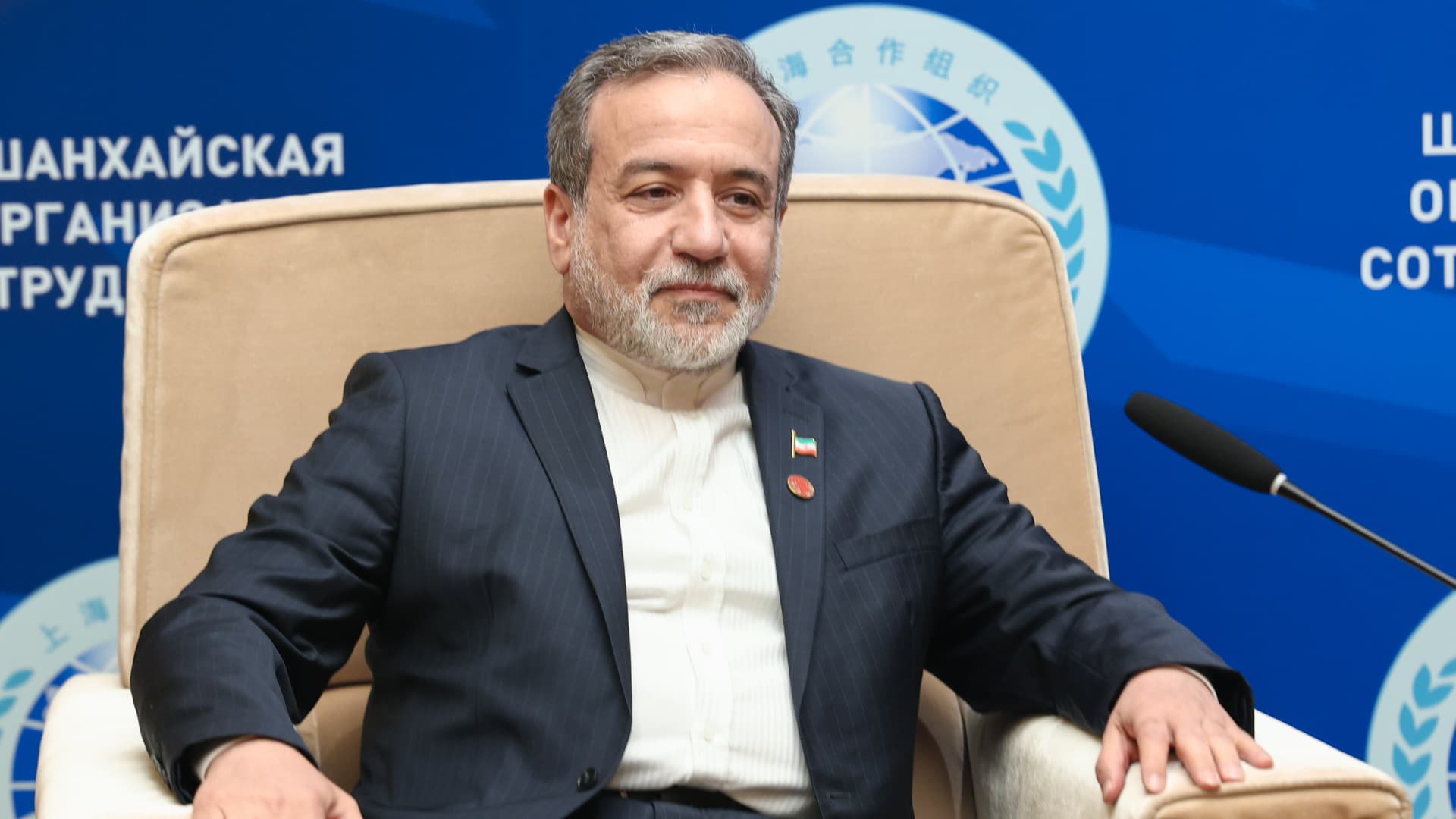
- Strengthening Bilateral Relations: The meeting between China's Foreign Minister Wang Yi and Iran's Foreign Minister Abbas Araghchi signifies a deepening relationship amid the U.S.-Israel conflict, with discussions on bilateral ties and regional issues highlighting China's proactive role in Middle Eastern affairs.
- Energy Security Focus: Araghchi's visit coincides with President Trump's upcoming trip to China, indicating Iran's intent to ensure stable oil flows and financial channels through cooperation with China, reflecting Beijing's emphasis on stability in the Persian Gulf to protect its energy supply chain.
- Strategic Timing: This meeting is viewed as a strategic alignment between China and Iran ahead of Trump's summit, aiming to demonstrate that Iran is not isolated and is seeking support in its standoff with the U.S., which could influence future diplomatic negotiations.
- Ensuring Strait Passage: China has called for normal passage through the Strait of Hormuz, emphasizing the waterway's critical role in global energy transport, especially as approximately 20% of the world's oil and LNG transit through it, showcasing China's commitment to maintaining international trade flows.
See More

Western Star Resources Positions for Tungsten Market Amid Policy Changes

- Surging Tungsten Prices: Rotterdam ammonium paratungstate (APT) is trading near $3,185 per metric tonne, reflecting a 350% increase year-to-date and a staggering 900% rise over the past 12 months, indicating significant market shifts driven by policy changes and surging U.S. defense demand.
- Export Restrictions Impact: China is limiting tungsten exports to just 15 firms and is expected to cut domestic mine production by approximately 10% by 2027, exacerbating global supply constraints and prompting the U.S. to seek alternative sources for critical minerals.
- Strategic Proposal Submission: Western Star Resources has submitted a tungsten project proposal to the U.S. Defense Industrial Base Consortium, aiming to align with the Department of Defense's critical minerals needs, which is expected to enhance its involvement and growth in the defense sector.
- Financing and Market Promotion: The company has signed a 12-month marketing agreement with Plutus Invest & Consulting GmbH for €200,000 to boost its visibility in the European market, while also planning a $500,000 private placement to support Canadian exploration projects.
See More

U.S. Violates Ceasefire Agreement, Escalating Tensions
- Ceasefire Agreement Violated: Iranian parliamentary speaker Ghalibaf accused the U.S. of violating the two-week ceasefire agreement, stating that the U.S.'s repeated breaches of commitments have deepened historical distrust, complicating future negotiation prospects.
- Specific Violations Identified: Ghalibaf highlighted three breaches of the ceasefire proposal, including Israel's ongoing attacks on Lebanon, a drone entering Iranian airspace, and the denial of Iran's right to enrich uranium, rendering bilateral ceasefire or negotiations unreasonable.
- Oil Price Volatility: Despite the fragile ceasefire, U.S. oil prices fell over 15% to nearly $95 per barrel by 2:59 PM ET, reflecting market concerns over instability that could lead to further disruptions in global oil supply.
- Strait of Hormuz Dispute: Trump stated that the ceasefire requires the complete and safe opening of the Strait of Hormuz, while Iran plans to impose tolls on passing ships, exacerbating tensions and affecting global tanker traffic through this vital route.
See More

Military Metals Corp Reports Maiden Antimony Resource Estimate

- Resource Estimate: Military Metals Corp has completed its maiden inferred mineral resource estimate at the Trojárová Project in Slovakia, revealing 67,000 tonnes of antimony and 222,000 ounces of gold, underscoring the project's strategic significance within the EU.
- Rising Market Demand: The global antimony market is projected to grow from approximately $2-3 billion today to over $4-5 billion, reflecting a rapid increase in demand driven by electrification and AI hardware, which is attracting investor interest.
- Supply Chain Bottleneck: Antimony production is heavily concentrated in a few countries, creating supply bottlenecks, particularly as the U.S. and Europe designate it as a
See More
UNITED STATES ANTIMONY CORP NAMES SHAWN WINKLER INTERIM CFO STARTING MAY 4, 2026 - SEC FILING
Interim CFO Appointment: United States Antimony Corporation has appointed Shawn Winkler as the interim Chief Financial Officer (CFO) effective May 4, 2026.
SEC Filing: The appointment and related details have been filed with the Securities and Exchange Commission (SEC).
See More
United States Antimony Appoints Interim CFO Amid Personal Leave
- Interim CFO Appointment: United States Antimony appointed Shawn Winkler as interim CFO effective May 4, 2026, to replace Richard Isaak, who is on a temporary personal leave, ensuring continuity in financial management as Isaak is expected to return in at least two months.
- Financial Reporting Preparedness: Winkler has closely collaborated with Isaak and the finance team, being fully prepared to lead the financial reporting and earnings call scheduled for May 14, maintaining the company's reporting timeline despite the leadership transition.
- Extensive Industry Experience: With 15 years of financial management experience, Winkler previously served as CFO of Burrow Global and has a strong background in investment banking, advising on over $10 billion in M&A transactions, showcasing his expertise in capital markets.
- Stock Price Reaction: Following the announcement of the management change, the company's shares fell by 5.11%, indicating market concerns regarding the interim leadership and potentially affecting investor confidence in the company's future financial performance.
See More
China-Iran Foreign Ministers' Meeting Holds Strategic Significance
- Strengthening Bilateral Relations: The meeting between China's Foreign Minister Wang Yi and Iran's Foreign Minister Abbas Araghchi signifies a deepening relationship amid the U.S.-Israel conflict, with discussions on bilateral ties and regional issues highlighting China's proactive role in Middle Eastern affairs.
- Energy Security Focus: Araghchi's visit coincides with President Trump's upcoming trip to China, indicating Iran's intent to ensure stable oil flows and financial channels through cooperation with China, reflecting Beijing's emphasis on stability in the Persian Gulf to protect its energy supply chain.
- Strategic Timing: This meeting is viewed as a strategic alignment between China and Iran ahead of Trump's summit, aiming to demonstrate that Iran is not isolated and is seeking support in its standoff with the U.S., which could influence future diplomatic negotiations.
- Ensuring Strait Passage: China has called for normal passage through the Strait of Hormuz, emphasizing the waterway's critical role in global energy transport, especially as approximately 20% of the world's oil and LNG transit through it, showcasing China's commitment to maintaining international trade flows.
See More
Western Star Resources Positions for Tungsten Market Amid Policy Changes
- Surging Tungsten Prices: Rotterdam ammonium paratungstate (APT) is trading near $3,185 per metric tonne, reflecting a 350% increase year-to-date and a staggering 900% rise over the past 12 months, indicating significant market shifts driven by policy changes and surging U.S. defense demand.
- Export Restrictions Impact: China is limiting tungsten exports to just 15 firms and is expected to cut domestic mine production by approximately 10% by 2027, exacerbating global supply constraints and prompting the U.S. to seek alternative sources for critical minerals.
- Strategic Proposal Submission: Western Star Resources has submitted a tungsten project proposal to the U.S. Defense Industrial Base Consortium, aiming to align with the Department of Defense's critical minerals needs, which is expected to enhance its involvement and growth in the defense sector.
- Financing and Market Promotion: The company has signed a 12-month marketing agreement with Plutus Invest & Consulting GmbH for €200,000 to boost its visibility in the European market, while also planning a $500,000 private placement to support Canadian exploration projects.
See More
U.S. Violates Ceasefire Agreement, Escalating Tensions
- Ceasefire Agreement Violated: Iranian parliamentary speaker Ghalibaf accused the U.S. of violating the two-week ceasefire agreement, stating that the U.S.'s repeated breaches of commitments have deepened historical distrust, complicating future negotiation prospects.
- Specific Violations Identified: Ghalibaf highlighted three breaches of the ceasefire proposal, including Israel's ongoing attacks on Lebanon, a drone entering Iranian airspace, and the denial of Iran's right to enrich uranium, rendering bilateral ceasefire or negotiations unreasonable.
- Oil Price Volatility: Despite the fragile ceasefire, U.S. oil prices fell over 15% to nearly $95 per barrel by 2:59 PM ET, reflecting market concerns over instability that could lead to further disruptions in global oil supply.
- Strait of Hormuz Dispute: Trump stated that the ceasefire requires the complete and safe opening of the Strait of Hormuz, while Iran plans to impose tolls on passing ships, exacerbating tensions and affecting global tanker traffic through this vital route.
See More
Military Metals Corp Reports Maiden Antimony Resource Estimate
- Resource Estimate: Military Metals Corp has completed its maiden inferred mineral resource estimate at the Trojárová Project in Slovakia, revealing 67,000 tonnes of antimony and 222,000 ounces of gold, underscoring the project's strategic significance within the EU.
- Rising Market Demand: The global antimony market is projected to grow from approximately $2-3 billion today to over $4-5 billion, reflecting a rapid increase in demand driven by electrification and AI hardware, which is attracting investor interest.
- Supply Chain Bottleneck: Antimony production is heavily concentrated in a few countries, creating supply bottlenecks, particularly as the U.S. and Europe designate it as a
See More