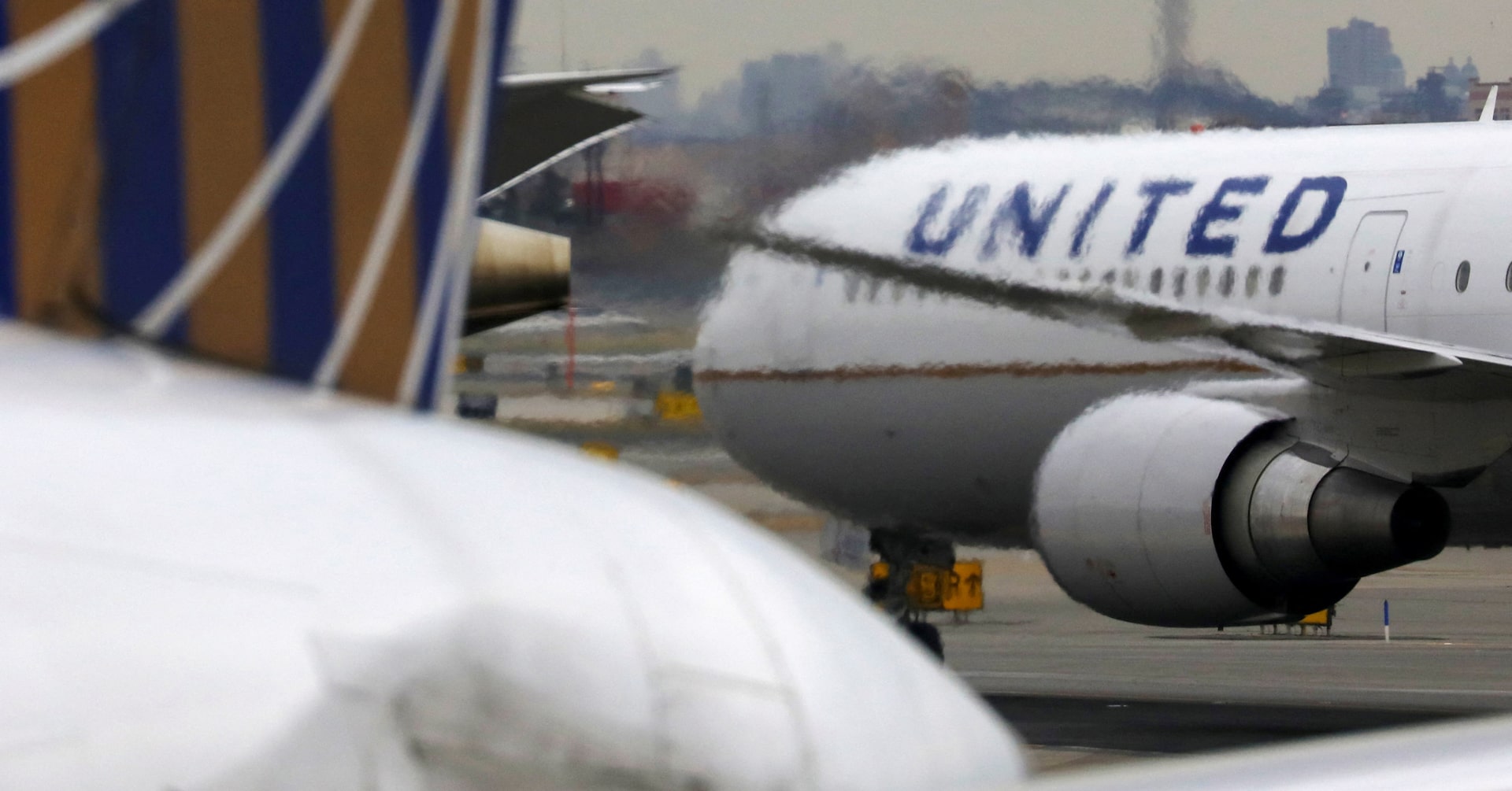
United Airlines Enhances Travelport Partnership to Accelerate Modern Airline Retailing

Partnership Announcement: United Airlines and Travelport have entered a multi-year agreement to enhance travel agency and corporate travel management through New Distribution Capability (NDC) technology.
Joint Development: The collaboration will allow Travelport early access to United's NDC product roadmap and involve co-development of new features for Travelport's platform, aimed at improving service for agencies and corporate clients.
Planned Features: Upcoming capabilities include pooling unused travel credits, direct enrollment in the MileagePlus loyalty program, and using Jetstream funds for ancillary purchases, with a phased rollout starting in early 2026.
Market Reaction: Following the announcement, United Airlines Holdings shares saw a slight increase, trading at $101.50 at the time of publication.
Trade with 70% Backtested Accuracy
Analyst Views on DAL

About DAL
About the author


Market Gains Strong but Sandisk and AI Stocks Sell Off


- Strong Market Performance: Despite the overall stock market achieving significant gains this week, investor optimism remains high, indicating potential economic recovery.
- Sandisk Sell-Off: However, stocks related to AI, including Sandisk, experienced notable sell-offs on Thursday, putting pressure on their prices and reflecting short-term concerns in the tech sector.
- Investor Sentiment Fluctuation: This price volatility may impact investor confidence in the technology sector, particularly in AI, potentially leading to capital outflows and market instability.
- Uncertain Future Outlook: While the overall market is performing well, the pullback in individual stocks may affect broader investment strategies, prompting investors to carefully assess risks and returns.

Catalyst Watch for Next Week's Market Events


- Volatility Watch: Options volatility for SpaceX (SPCX) and Palantir (PLTR) has significantly increased over the past week, indicating cautious optimism among investors regarding their future performance, which may impact stock price movements.
- IPO Developments: SK Hynix (SKHY) is expected to price and begin trading next week, marking a critical moment for its entry into the capital markets, potentially providing the company with funding to drive future growth.
- Key Conference: The Allen & Company Sun Valley Conference will attract tech giants including Apple (AAPL) and Amazon (AMZN), likely fostering collaboration and investment opportunities within the industry, which could positively influence the stock prices of related companies.
- Earnings Releases: Companies like Delta Air Lines (DAL) and PepsiCo (PEP) are set to report earnings next week, and the market will closely monitor their performance to assess the progress of economic recovery and its potential impact on stock prices.

Credit Card Companies Compete for Luxury Lounge Market

- Luxury Lounge Investment: American Express and Chase are significantly increasing investments in luxury lounges at major events and sports venues, aiming to attract high-spending customers and enhance brand loyalty, which is expected to further drive market share for premium credit cards.
- Fee Increases: The annual fee for the American Express Platinum card has risen to $895, while the Chase Sapphire Reserve card costs $795; despite these increases, the added perks like dining credits and hotel upgrades continue to attract affluent customers, enhancing competitive positioning in the market.
- Attracting High Spenders: Data shows that customers with a credit score above 720 spend over $3,200 monthly, more than double that of lower-scoring customers, indicating significant potential in the premium credit card market, prompting issuers to adjust strategies to capture this demographic.
- Brand Partnership Expansion: American Express has established partnerships with over 20 venues globally, with lounges in several locations, enhancing customer experience while leveraging collaborations with high-profile events to further strengthen brand influence and customer engagement.
Extreme Heat in U.S. Strains Power Markets and Travel Plans
- Surge in Electricity Prices: Wholesale spot electricity prices have surged over 243% in New England and 101% in New York City due to soaring demand for air conditioning, which is putting immense pressure on the power grid and could lead to supply shortages.
- Travel Disruptions Expected: Rail authorities have warned of potential delays during the Independence Day weekend, with Amtrak indicating that trains may need to operate at reduced speeds, causing delays from 11 a.m. to 7 p.m., impacting commuters' travel plans.
- Climate Change Warning: Scientists have warned that climate change is exacerbating the frequency and intensity of extreme weather events, with fossil fuel combustion being the chief driver of the climate crisis, suggesting that similar heat waves may become more common in the future.
- Mayor's Energy Conservation Call: New York City Mayor has urged residents to set air conditioning to 78 degrees Fahrenheit and stay indoors during peak heat hours to alleviate strain on the energy grid, while also providing advice for those attending a wedding at Madison Square Garden amidst the heat.
Extreme Heat in U.S. Strains Power and Travel Ahead of Independence Day
- Surge in Electricity Demand: With temperatures expected to reach 105 degrees Fahrenheit (40.5 degrees Celsius), electricity demand in the central and eastern U.S. has surged, causing wholesale power prices to spike over 243% in New England and 101% in New York City, which poses significant risks to the power grid and may lead to increased blackout risks.
- Travel Delay Risks: Due to extreme heat, rail and airline authorities have warned of potential delays, with Amtrak indicating that trains may need to operate at reduced speeds and could face delays during the high-temperature hours leading up to July 4, impacting travel plans for many.
- Climate Change Impact: Scientists warn that climate change is exacerbating the frequency and intensity of extreme weather events, with fossil fuel combustion being the chief driver of the climate crisis, highlighting the urgent need for climate action as this heat wave unfolds.
- Public Safety Appeals: The Mayor of New York City has urged residents to stay cool indoors during the heat wave and take measures to alleviate strain on the energy grid, such as setting air conditioning to 78 degrees Fahrenheit and avoiding the use of large appliances during peak heat hours to protect vulnerable populations.

Strong Market Gains Offset by Sandisk and AI Stocks Sell-off

- Strong Market Performance: The overall stock market experienced significant gains this week, with major indices rising over 3%, reflecting investor optimism about future economic prospects.
- AI Stocks Sell-off: However, on Thursday, Sandisk and other AI-related stocks faced notable sell-offs, leading to price declines that indicate concerns over the high valuations of tech stocks.
- Investor Sentiment Fluctuations: This price volatility suggests that while the market is performing well overall, individual stock performance may be influenced by market sentiment and investor confidence, increasing uncertainty in investments.
- Cautious Future Outlook: Analysts note that despite the positive market performance, ongoing scrutiny of tech stocks and potential risks of pullbacks could affect investor decisions, especially ahead of upcoming economic data releases.
Market Gains Strong but Sandisk and AI Stocks Sell Off
- Strong Market Performance: Despite the overall stock market achieving significant gains this week, investor optimism remains high, indicating potential economic recovery.
- Sandisk Sell-Off: However, stocks related to AI, including Sandisk, experienced notable sell-offs on Thursday, putting pressure on their prices and reflecting short-term concerns in the tech sector.
- Investor Sentiment Fluctuation: This price volatility may impact investor confidence in the technology sector, particularly in AI, potentially leading to capital outflows and market instability.
- Uncertain Future Outlook: While the overall market is performing well, the pullback in individual stocks may affect broader investment strategies, prompting investors to carefully assess risks and returns.
Catalyst Watch for Next Week's Market Events
- Volatility Watch: Options volatility for SpaceX (SPCX) and Palantir (PLTR) has significantly increased over the past week, indicating cautious optimism among investors regarding their future performance, which may impact stock price movements.
- IPO Developments: SK Hynix (SKHY) is expected to price and begin trading next week, marking a critical moment for its entry into the capital markets, potentially providing the company with funding to drive future growth.
- Key Conference: The Allen & Company Sun Valley Conference will attract tech giants including Apple (AAPL) and Amazon (AMZN), likely fostering collaboration and investment opportunities within the industry, which could positively influence the stock prices of related companies.
- Earnings Releases: Companies like Delta Air Lines (DAL) and PepsiCo (PEP) are set to report earnings next week, and the market will closely monitor their performance to assess the progress of economic recovery and its potential impact on stock prices.
Credit Card Companies Compete for Luxury Lounge Market
- Luxury Lounge Investment: American Express and Chase are significantly increasing investments in luxury lounges at major events and sports venues, aiming to attract high-spending customers and enhance brand loyalty, which is expected to further drive market share for premium credit cards.
- Fee Increases: The annual fee for the American Express Platinum card has risen to $895, while the Chase Sapphire Reserve card costs $795; despite these increases, the added perks like dining credits and hotel upgrades continue to attract affluent customers, enhancing competitive positioning in the market.
- Attracting High Spenders: Data shows that customers with a credit score above 720 spend over $3,200 monthly, more than double that of lower-scoring customers, indicating significant potential in the premium credit card market, prompting issuers to adjust strategies to capture this demographic.
- Brand Partnership Expansion: American Express has established partnerships with over 20 venues globally, with lounges in several locations, enhancing customer experience while leveraging collaborations with high-profile events to further strengthen brand influence and customer engagement.
Extreme Heat in U.S. Strains Power Markets and Travel Plans
- Surge in Electricity Prices: Wholesale spot electricity prices have surged over 243% in New England and 101% in New York City due to soaring demand for air conditioning, which is putting immense pressure on the power grid and could lead to supply shortages.
- Travel Disruptions Expected: Rail authorities have warned of potential delays during the Independence Day weekend, with Amtrak indicating that trains may need to operate at reduced speeds, causing delays from 11 a.m. to 7 p.m., impacting commuters' travel plans.
- Climate Change Warning: Scientists have warned that climate change is exacerbating the frequency and intensity of extreme weather events, with fossil fuel combustion being the chief driver of the climate crisis, suggesting that similar heat waves may become more common in the future.
- Mayor's Energy Conservation Call: New York City Mayor has urged residents to set air conditioning to 78 degrees Fahrenheit and stay indoors during peak heat hours to alleviate strain on the energy grid, while also providing advice for those attending a wedding at Madison Square Garden amidst the heat.
Extreme Heat in U.S. Strains Power and Travel Ahead of Independence Day
- Surge in Electricity Demand: With temperatures expected to reach 105 degrees Fahrenheit (40.5 degrees Celsius), electricity demand in the central and eastern U.S. has surged, causing wholesale power prices to spike over 243% in New England and 101% in New York City, which poses significant risks to the power grid and may lead to increased blackout risks.
- Travel Delay Risks: Due to extreme heat, rail and airline authorities have warned of potential delays, with Amtrak indicating that trains may need to operate at reduced speeds and could face delays during the high-temperature hours leading up to July 4, impacting travel plans for many.
- Climate Change Impact: Scientists warn that climate change is exacerbating the frequency and intensity of extreme weather events, with fossil fuel combustion being the chief driver of the climate crisis, highlighting the urgent need for climate action as this heat wave unfolds.
- Public Safety Appeals: The Mayor of New York City has urged residents to stay cool indoors during the heat wave and take measures to alleviate strain on the energy grid, such as setting air conditioning to 78 degrees Fahrenheit and avoiding the use of large appliances during peak heat hours to protect vulnerable populations.
Strong Market Gains Offset by Sandisk and AI Stocks Sell-off
- Strong Market Performance: The overall stock market experienced significant gains this week, with major indices rising over 3%, reflecting investor optimism about future economic prospects.
- AI Stocks Sell-off: However, on Thursday, Sandisk and other AI-related stocks faced notable sell-offs, leading to price declines that indicate concerns over the high valuations of tech stocks.
- Investor Sentiment Fluctuations: This price volatility suggests that while the market is performing well overall, individual stock performance may be influenced by market sentiment and investor confidence, increasing uncertainty in investments.
- Cautious Future Outlook: Analysts note that despite the positive market performance, ongoing scrutiny of tech stocks and potential risks of pullbacks could affect investor decisions, especially ahead of upcoming economic data releases.