

UK Faces Non-Linear Threat to Economic Stability
Written by Emily J. Thompson, Senior Investment Analyst
Updated: Apr 05 2026
0mins


Source: Yahoo Finance
- GDP Growth Forecast Cut: Deutsche Bank has revised the UK's GDP growth forecast down to a range of 0.7% to 0.35%, a significant downgrade that reflects severe challenges to economic growth amid a global energy price shock, potentially leading to a formal recession.
- Rising Unemployment Risks: The UK saw nearly a 1 percentage point increase in unemployment last year, and with soaring energy costs dampening business investment and hiring, the environment creates a high risk of a rapid economic slide.
- Non-Linear Economic Shifts: The current economic environment makes non-linear shifts more likely, where growth declines faster than traditional models predict, particularly as ongoing conflicts create deep uncertainty for domestic firms.
- Investor Confidence Eroded: With falling investment, reduced consumer spending, and rising unemployment, investor confidence in UK-centric assets is challenged, indicating a more severe economic outlook ahead.
Trade with 70% Backtested Accuracy
Stop guessing "Should I Buy DB?" and start using high-conviction signals backed by rigorous historical data.
Sign up today to access powerful investing tools and make smarter, data-driven decisions.
Analyst Views on DB
Wall Street analysts forecast DB stock price to rise
13 Analyst Rating
7 Buy
5 Hold
1 Sell
Moderate Buy
Current: 37.040

Low
36.55
Averages
43.20
High
47.63
Current: 37.040
Low
36.55
Averages
43.20
High
47.63
About DB
Deutsche Bank Aktiengesellschaft is a bank and holding company for its subsidiaries. The Company offers a range of services such as investment, financial and related products and services to private individuals, corporate entities, and institutional clients. It operates through four business divisions: Corporate Bank, Investment Bank, Private Bank and Asset Management. The Corporate Bank division serves corporate clients and financial institutions, offering cash management, trade finance, lending, foreign exchange, trust and agency services, correspondent banking, and securities services. The Investment Bank division includes Fixed Income & Currencies (FIC) Sales & Trading, Origination & Advisory, and Deutsche Bank Research. The Private Bank division focuses on personal and private clients, wealthy individuals, entrepreneurs and families. The Asset Management division operates under the brand DWS, and it serves a diverse client base of retail and institutional investors worldwide.
About the author

Emily J. Thompson
Emily J. Thompson, a Chartered Financial Analyst (CFA) with 12 years in investment research, graduated with honors from the Wharton School. Specializing in industrial and technology stocks, she provides in-depth analysis for Intellectia’s earnings and market brief reports.
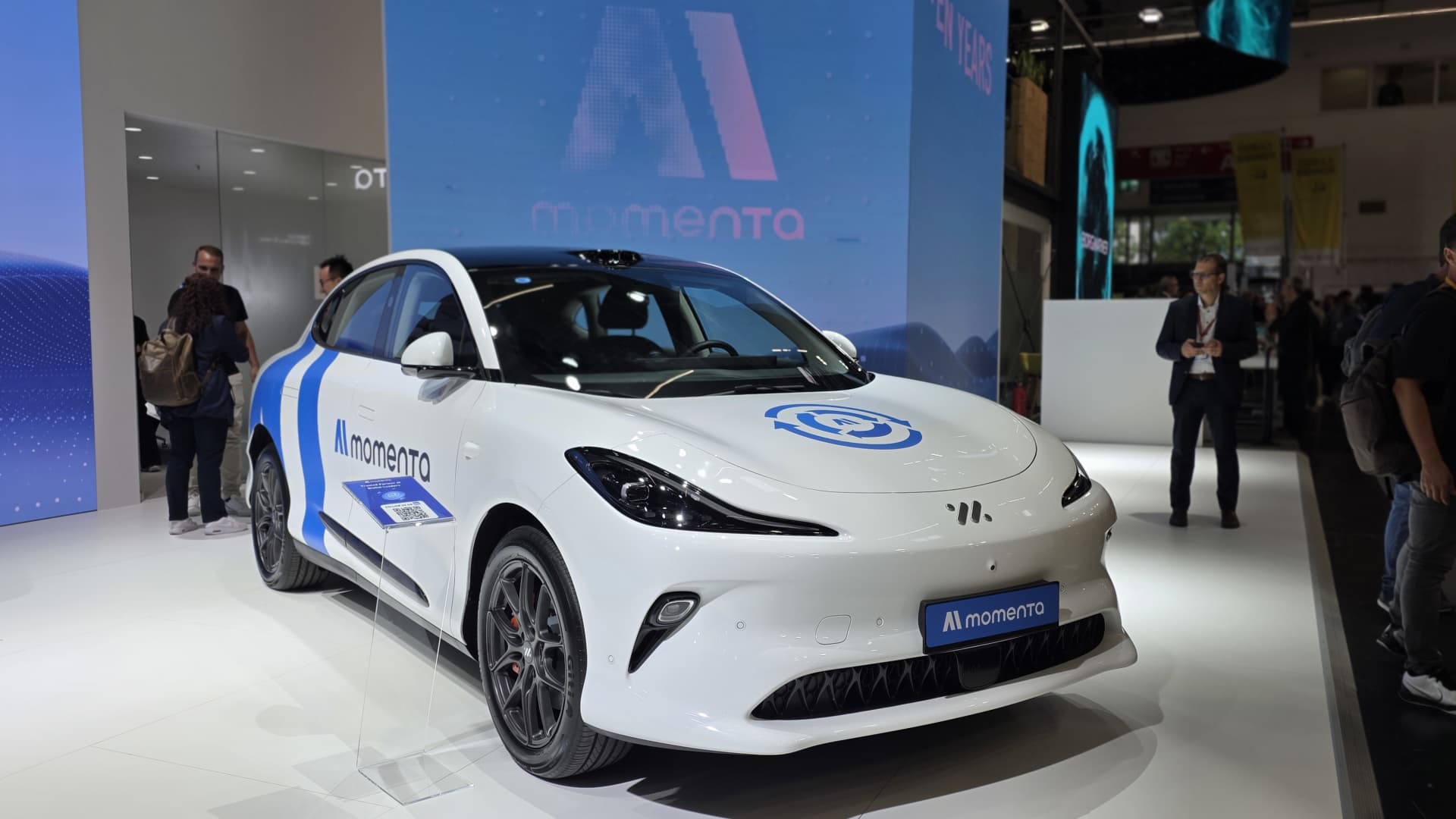
Momenta Successfully Debuts on Hong Kong Stock Exchange


- Strong IPO Performance: Momenta's initial public offering (IPO) in Hong Kong raised HK$5.89 billion ($751 million), with shares rising 3% at market open, reflecting strong market confidence in its autonomous driving technology.
- Clear Use of Proceeds: The company plans to allocate 60% of net proceeds to enhance core technologies, including proprietary algorithms and automation toolchains, to maintain competitiveness in the autonomous driving sector, while 20% will accelerate the commercialization of robotaxi services.
- Significant Revenue Growth: According to its prospectus, Momenta recorded revenue of 2.41 billion yuan in 2025, an 83% increase from 1.32 billion yuan in 2024, indicating robust business expansion.
- Strategic Partnerships: Momenta has established strategic partnerships with major automakers like Audi, Honda, and Mercedes-Benz, and signed an agreement with Grab to advance autonomous driving technologies in complex urban mobility markets.
See More
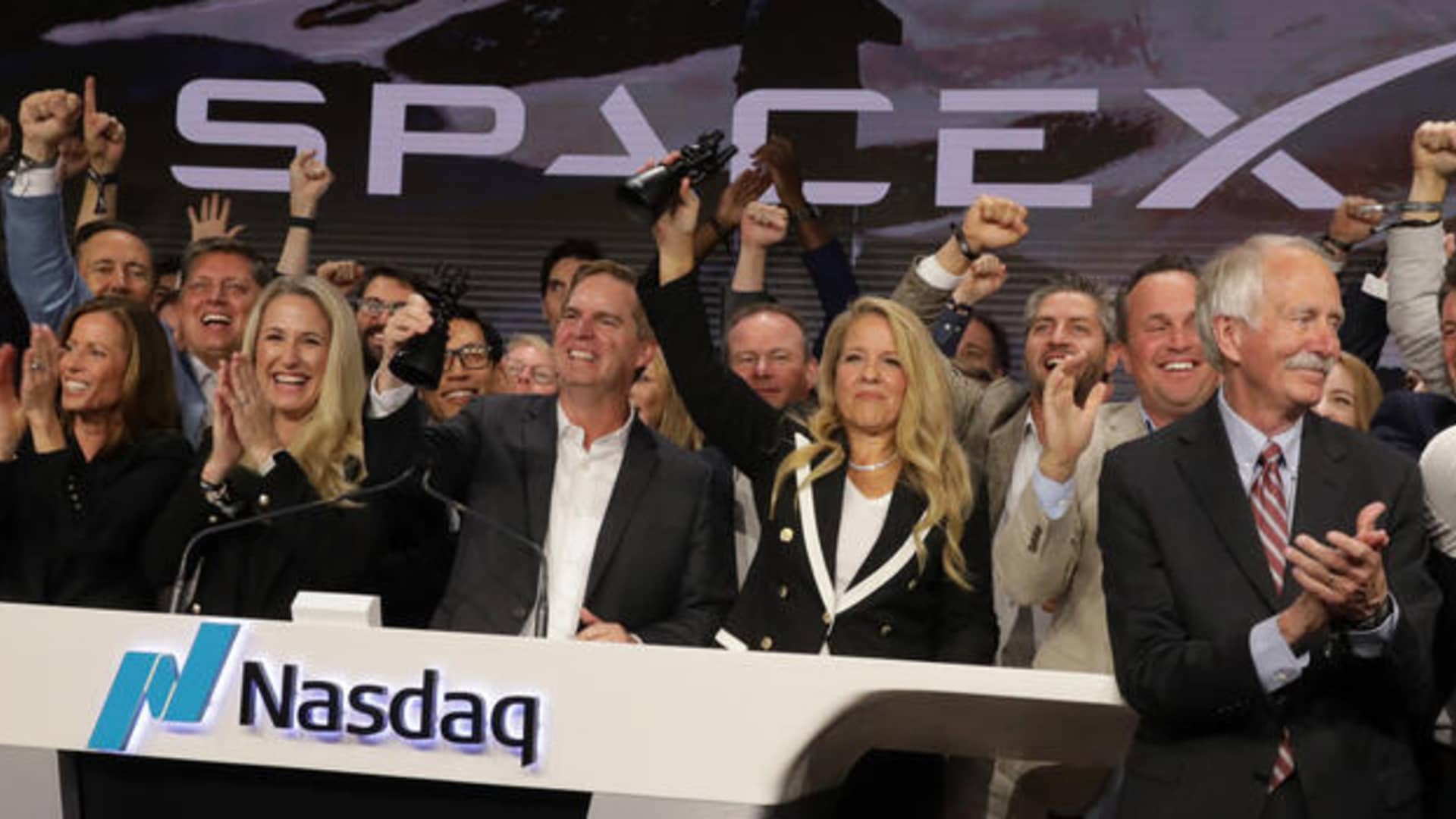
EchoStar's Stock Struggles Present Discounted Entry into SpaceX


- Stock Underperformance: EchoStar's shares are currently over 30% below their 52-week high, primarily due to ongoing subscriber losses in its pay TV and broadband segments, leading to significant financial strain on the company.
- Bankruptcy Filing Impact: Last month, EchoStar's subsidiary Dish DBS filed for Chapter 11 bankruptcy, deferring debt payments and exacerbating market concerns regarding its stock performance.
- Analysts Optimistic: Deutsche Bank and Citi have reinstated buy ratings for EchoStar, with Deutsche Bank setting a price target of $143, implying a 40% upside, while Citi's target of $126 suggests a potential 28% increase.
- Connection to SpaceX: EchoStar's $42.4 billion stake in SpaceX represents 65% of its total net asset value, translating to a net asset value of $121.46 per share, while trading around $100, indicating a 20% discount that attracts investor interest.
See More
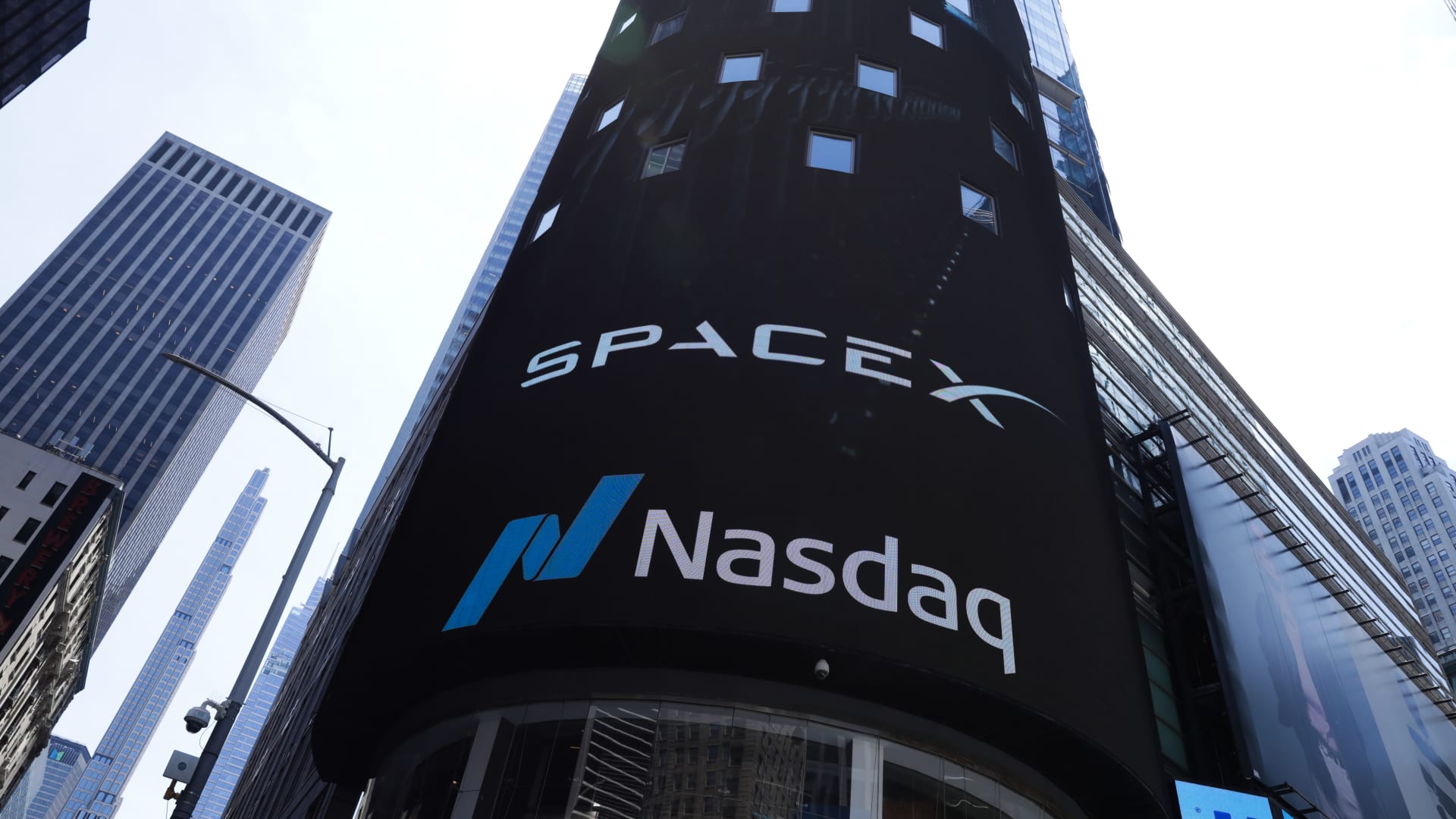
Wall Street's Major Banks Bullish on SpaceX's Future

- Analysts' Optimistic Outlook: Deutsche Bank analysts describe SpaceX as 'the apex of civilizational ambition,' indicating strong confidence in the company's future role in shaping history and technological advancement.
- Market Capitalization: With a market cap of $2.1 trillion and a closing price of $160.42 per share on Monday, SpaceX's performance post-IPO reflects market approval, although MoffettNathanson remains pessimistic about its value over the next 12 months.
- Technological Innovation Potential: Analysts at Raymond James assert that the successful deployment of Starship will industrialize orbital transportation, potentially reducing launch costs to hundreds of dollars per kilogram, thereby advancing the broader space economy.
- Diversified Business Strategy: SpaceX's integration strategy across its three business segments—Space, Connectivity, and Artificial Intelligence—is expected to enhance its competitive edge in future markets, particularly as Starlink's user base has reached 12 million, becoming a significant revenue driver.
See More
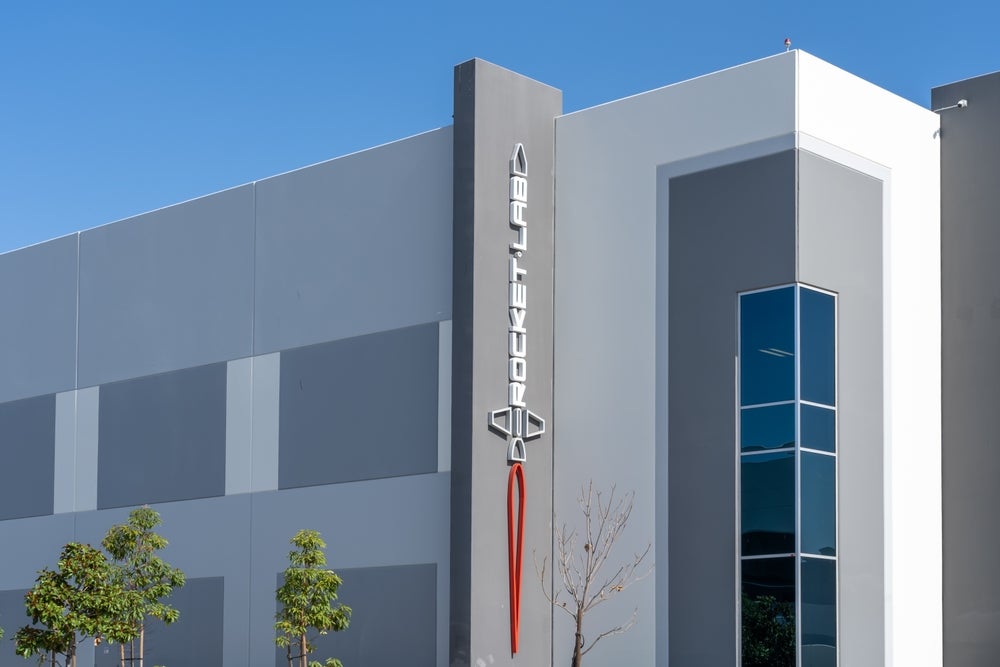
Rocket Lab Acquires Iridium for $8 Billion, Aiming for SpaceX Model

- Acquisition Overview: Rocket Lab has agreed to acquire satellite operator Iridium for approximately $8 billion, which represents about 13% of its market value and will incur billions in new debt; however, investors reacted positively, with shares rising about 16% following the announcement.
- Strategic Implications: By acquiring Iridium, Rocket Lab can bypass the lengthy processes of securing spectrum, deploying a satellite constellation, and building a customer base, with CEO Peter Beck calling it 'a defining moment for the space industry', accelerating its shift towards a SpaceX-like model.
- Financial Comparison: Iridium generated $871.7 million in revenue and $114.4 million in net income in 2025, while Rocket Lab reported $602 million in revenue and a net loss of $198.2 million during the same period; this acquisition will provide Rocket Lab with a steady subscription revenue stream, enhancing its financial position.
- Risks and Challenges: Despite the strategic potential, Iridium shareholders will receive a premium of $54 per share, and Rocket Lab will need to secure a $3.6 billion bridge loan to cover the cash portion; the deal is not expected to close until mid-2027, facing approval risks from shareholders and regulators.
See More
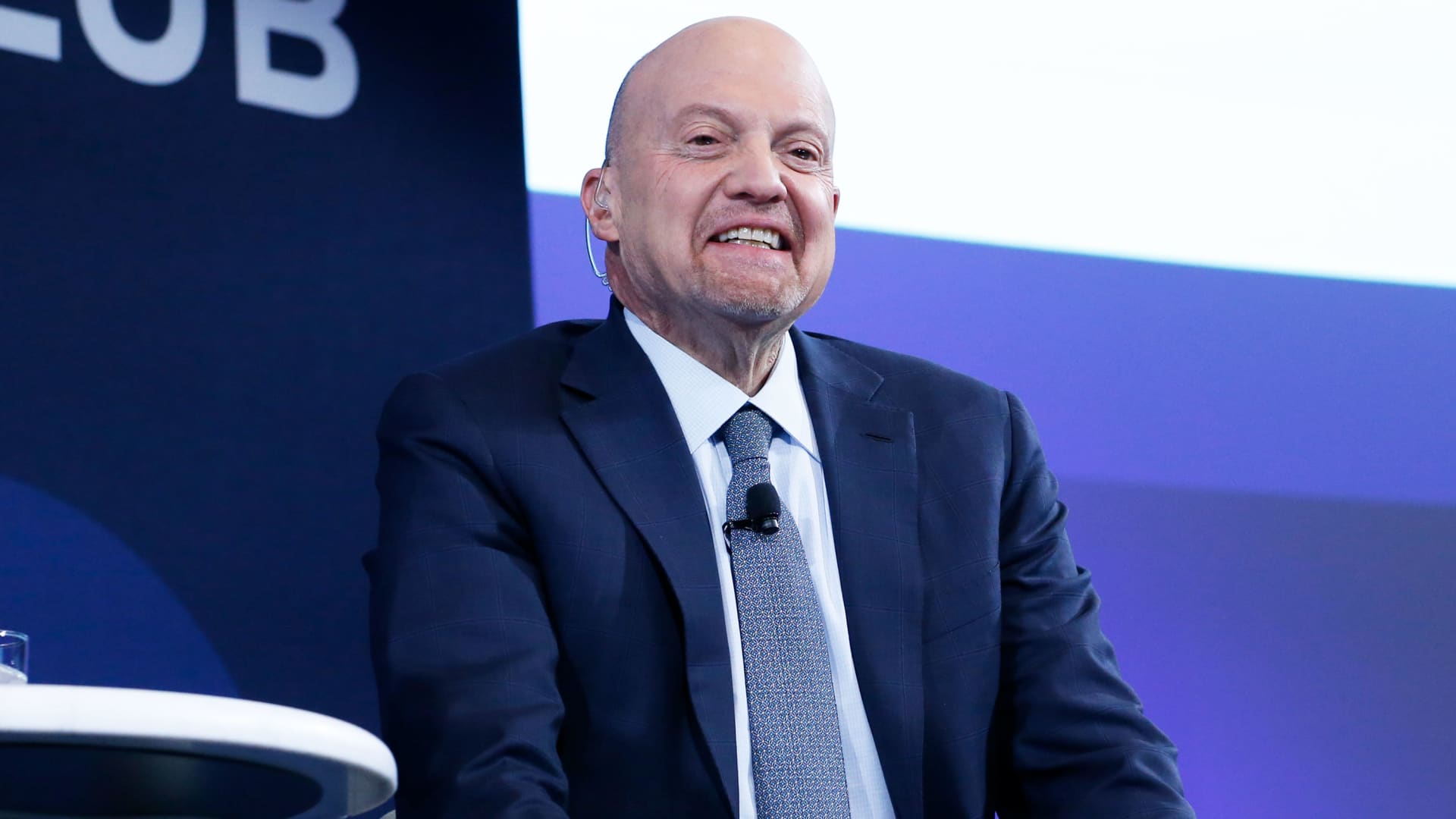
Deutsche Bank Optimistic About Q3 Stock Performance


- Curated Stock List: Deutsche Bank has selected 41 stocks for Q3 across five sectors, including AI, healthcare, and industrials, reflecting confidence in future market performance following a strong first half.
- Exceptional Investment Returns: Since its inception in Q3 2017, Deutsche Bank's 'Fresh Money' list has achieved a 387% return, significantly outperforming the S&P 500's 351%, indicating the effectiveness of its investment strategy and market insights.
- Oracle's Promising Outlook: Analyst Brad Zelnick believes Oracle's leadership in AI cloud infrastructure will drive significant growth, despite a 19% drop last week due to financing concerns; with a target price of $300, this implies a 103% upside potential.
- Starbucks' Significant Potential: Analyst Lauren Silberman notes that Starbucks is on a path to sustainable positive growth by enhancing customer experience and reducing costs, with a target price of $120, suggesting a 15.3% upside from Monday's close, reflecting confidence in its long-term growth prospects.
See More

ECB Returns to Basic Policies Under Lagarde's Leadership

- Return to Basics: ECB President Christine Lagarde emphasized in her speech in Sintra, Portugal, that the central bank will no longer rely on unconventional tools, indicating a shift towards clearer and more straightforward policies that could enhance market confidence and stabilize economic expectations.
- Justified Rate Hike: Lagarde stated that the recent decision to raise rates was justified under all scenarios, demonstrating the ECB's firm stance in addressing economic challenges, which will help control inflation and maintain financial stability.
- Yen Weakness Alert: The Japanese yen has weakened to its lowest level against the U.S. dollar since 1986, prompting Japan's Finance Minister to indicate readiness for appropriate measures against excessive volatility, which could impact global market sentiment.
- European Earnings Growth: Deutsche Bank analysts project a 12% year-on-year growth in European corporate earnings for the second quarter, primarily driven by one specific sector, indicating resilience in economic data despite geopolitical turmoil, potentially attracting more investment.
See More
Momenta Successfully Debuts on Hong Kong Stock Exchange
- Strong IPO Performance: Momenta's initial public offering (IPO) in Hong Kong raised HK$5.89 billion ($751 million), with shares rising 3% at market open, reflecting strong market confidence in its autonomous driving technology.
- Clear Use of Proceeds: The company plans to allocate 60% of net proceeds to enhance core technologies, including proprietary algorithms and automation toolchains, to maintain competitiveness in the autonomous driving sector, while 20% will accelerate the commercialization of robotaxi services.
- Significant Revenue Growth: According to its prospectus, Momenta recorded revenue of 2.41 billion yuan in 2025, an 83% increase from 1.32 billion yuan in 2024, indicating robust business expansion.
- Strategic Partnerships: Momenta has established strategic partnerships with major automakers like Audi, Honda, and Mercedes-Benz, and signed an agreement with Grab to advance autonomous driving technologies in complex urban mobility markets.
See More
EchoStar's Stock Struggles Present Discounted Entry into SpaceX
- Stock Underperformance: EchoStar's shares are currently over 30% below their 52-week high, primarily due to ongoing subscriber losses in its pay TV and broadband segments, leading to significant financial strain on the company.
- Bankruptcy Filing Impact: Last month, EchoStar's subsidiary Dish DBS filed for Chapter 11 bankruptcy, deferring debt payments and exacerbating market concerns regarding its stock performance.
- Analysts Optimistic: Deutsche Bank and Citi have reinstated buy ratings for EchoStar, with Deutsche Bank setting a price target of $143, implying a 40% upside, while Citi's target of $126 suggests a potential 28% increase.
- Connection to SpaceX: EchoStar's $42.4 billion stake in SpaceX represents 65% of its total net asset value, translating to a net asset value of $121.46 per share, while trading around $100, indicating a 20% discount that attracts investor interest.
See More
Wall Street's Major Banks Bullish on SpaceX's Future
- Analysts' Optimistic Outlook: Deutsche Bank analysts describe SpaceX as 'the apex of civilizational ambition,' indicating strong confidence in the company's future role in shaping history and technological advancement.
- Market Capitalization: With a market cap of $2.1 trillion and a closing price of $160.42 per share on Monday, SpaceX's performance post-IPO reflects market approval, although MoffettNathanson remains pessimistic about its value over the next 12 months.
- Technological Innovation Potential: Analysts at Raymond James assert that the successful deployment of Starship will industrialize orbital transportation, potentially reducing launch costs to hundreds of dollars per kilogram, thereby advancing the broader space economy.
- Diversified Business Strategy: SpaceX's integration strategy across its three business segments—Space, Connectivity, and Artificial Intelligence—is expected to enhance its competitive edge in future markets, particularly as Starlink's user base has reached 12 million, becoming a significant revenue driver.
See More
Rocket Lab Acquires Iridium for $8 Billion, Aiming for SpaceX Model
- Acquisition Overview: Rocket Lab has agreed to acquire satellite operator Iridium for approximately $8 billion, which represents about 13% of its market value and will incur billions in new debt; however, investors reacted positively, with shares rising about 16% following the announcement.
- Strategic Implications: By acquiring Iridium, Rocket Lab can bypass the lengthy processes of securing spectrum, deploying a satellite constellation, and building a customer base, with CEO Peter Beck calling it 'a defining moment for the space industry', accelerating its shift towards a SpaceX-like model.
- Financial Comparison: Iridium generated $871.7 million in revenue and $114.4 million in net income in 2025, while Rocket Lab reported $602 million in revenue and a net loss of $198.2 million during the same period; this acquisition will provide Rocket Lab with a steady subscription revenue stream, enhancing its financial position.
- Risks and Challenges: Despite the strategic potential, Iridium shareholders will receive a premium of $54 per share, and Rocket Lab will need to secure a $3.6 billion bridge loan to cover the cash portion; the deal is not expected to close until mid-2027, facing approval risks from shareholders and regulators.
See More
Deutsche Bank Optimistic About Q3 Stock Performance
- Curated Stock List: Deutsche Bank has selected 41 stocks for Q3 across five sectors, including AI, healthcare, and industrials, reflecting confidence in future market performance following a strong first half.
- Exceptional Investment Returns: Since its inception in Q3 2017, Deutsche Bank's 'Fresh Money' list has achieved a 387% return, significantly outperforming the S&P 500's 351%, indicating the effectiveness of its investment strategy and market insights.
- Oracle's Promising Outlook: Analyst Brad Zelnick believes Oracle's leadership in AI cloud infrastructure will drive significant growth, despite a 19% drop last week due to financing concerns; with a target price of $300, this implies a 103% upside potential.
- Starbucks' Significant Potential: Analyst Lauren Silberman notes that Starbucks is on a path to sustainable positive growth by enhancing customer experience and reducing costs, with a target price of $120, suggesting a 15.3% upside from Monday's close, reflecting confidence in its long-term growth prospects.
See More
ECB Returns to Basic Policies Under Lagarde's Leadership
- Return to Basics: ECB President Christine Lagarde emphasized in her speech in Sintra, Portugal, that the central bank will no longer rely on unconventional tools, indicating a shift towards clearer and more straightforward policies that could enhance market confidence and stabilize economic expectations.
- Justified Rate Hike: Lagarde stated that the recent decision to raise rates was justified under all scenarios, demonstrating the ECB's firm stance in addressing economic challenges, which will help control inflation and maintain financial stability.
- Yen Weakness Alert: The Japanese yen has weakened to its lowest level against the U.S. dollar since 1986, prompting Japan's Finance Minister to indicate readiness for appropriate measures against excessive volatility, which could impact global market sentiment.
- European Earnings Growth: Deutsche Bank analysts project a 12% year-on-year growth in European corporate earnings for the second quarter, primarily driven by one specific sector, indicating resilience in economic data despite geopolitical turmoil, potentially attracting more investment.
See More





