

UAE Announces Exit from OPEC, Impacting Global Oil Market
Written by Emily J. Thompson, Senior Investment Analyst
Updated: Apr 28 2026
0mins
Source: Fool
- UAE Exits OPEC: The UAE announced it will leave OPEC and OPEC+ on May 1, a significant blow to the cartel as it is the third-largest producer with a capacity of nearly 4.9 million barrels per day, now free from OPEC's output quotas.
- Production Capacity Goals: ADNOC, the UAE's national oil company, aims to increase production to 5 million barrels per day by 2027, and potentially up to 6 million barrels if market demand requires, positioning the UAE as the fourth-largest producer globally, accounting for about 6% of total demand.
- Potential Oil Price Impact: The UAE's exit allows it to increase production freely, which could exert downward pressure on oil prices in the future as OPEC loses control over its output, leading to a more flexible market supply-demand dynamic.
- Benefits for U.S. Companies: The decision may open up more investment opportunities for U.S. oil companies like ExxonMobil and Occidental Petroleum, enabling them to expand production in the UAE and strengthen their positions in the global market.
Trade with 70% Backtested Accuracy
Stop guessing "Should I Buy XOM?" and start using high-conviction signals backed by rigorous historical data.
Sign up today to access powerful investing tools and make smarter, data-driven decisions.
Analyst Views on XOM
Wall Street analysts forecast XOM stock price to fall
19 Analyst Rating
12 Buy
7 Hold
0 Sell
Moderate Buy
Current: 136.900

Low
114.00
Averages
132.17
High
158.00
Current: 136.900
Low
114.00
Averages
132.17
High
158.00
About XOM
Exxon Mobil Corporation is an energy provider and chemical manufacturer. The Company’s principal business involves exploration for, and production of, crude oil and natural gas; the manufacture, trade, transport and sale of crude oil, natural gas, petroleum products, petrochemicals and a wide variety of specialty products; and pursuit of lower-emission and other new business opportunities, including carbon capture and storage, hydrogen, lower-emission fuels, Proxxima systems, carbon materials, and lithium. Its Upstream segment explores for and produces crude oil and natural gas. The Energy Products, Chemical Products, and Specialty Products segments manufacture and sell petroleum products and petrochemicals. Energy Products segment includes fuels, aromatics, and catalysts and licensing. Chemical Products segment consists of olefins, polyolefins, and intermediates. Specialty Products segment includes finished lubricants, basestocks and waxes, synthetics, and elastomers and resins.
About the author

Emily J. Thompson
Emily J. Thompson, a Chartered Financial Analyst (CFA) with 12 years in investment research, graduated with honors from the Wharton School. Specializing in industrial and technology stocks, she provides in-depth analysis for Intellectia’s earnings and market brief reports.

ExxonMobil Projects $145 Billion Cash Flow by 2030

- Cash Flow Projection: ExxonMobil estimates a surplus cash flow of approximately $145 billion by 2030, indicating significant improvements in cost efficiency without increasing spending, which may attract more long-term investors.
- Earnings Growth Plan: The company aims for $25 billion in earnings growth and $35 billion in cash flow growth from 2024 to 2030, demonstrating that investments in technology and operational efficiency will directly enhance financial performance.
- Technology-Driven Output Increase: In the Permian Basin of Texas, ExxonMobil is leveraging advanced technology to effectively keep well fractures open, potentially adding billions to its existing 18 billion-barrel resource base, showcasing its commitment to maximizing output.
- Dividend Stability: As the second-largest dividend payer in the S&P 500, ExxonMobil has increased its dividend for 43 consecutive years, reflecting its strong operational capabilities and commitment to shareholders, which further boosts investor confidence.
See More
ExxonMobil's Future Transformation Outlook
- Tech-Driven Growth: ExxonMobil plans to achieve $25 billion in earnings growth and a $35 billion increase in cash flow by 2030 without increasing spending, indicating that the company is enhancing cost efficiencies through technology, thereby boosting investor confidence.
- Capital Return Improvement: The company expects a return on deployed capital to reach 17% by 2030, which not only showcases its financial health but also has the potential to attract more long-term investors.
- Shale Oil Development: In the Permian Basin of Texas, ExxonMobil is leveraging new technology to effectively keep well fractures open, which is expected to further boost output and could add billions to its existing 18 billion-barrel treasure trove.
- Stable Dividend Policy: As the second-largest dividend payer in the S&P 500, ExxonMobil has increased its dividend for 43 consecutive years, demonstrating a strong commitment to shareholder returns and enhancing investor confidence in long-term holdings.
See More

UAE's OPEC Exit Shakes Global Oil Market

- UAE's OPEC Exit: The UAE's announcement in May to leave OPEC after being a member since 1967 removes production quotas, allowing it to freely increase oil output, which could significantly impact global oil prices.
- Iraq's Potential Exit: Iraq warns OPEC that it may follow the UAE's lead if not allowed to meaningfully increase its oil production, currently capped at 4.378 million BPD, while actual output is only 1.48 million BPD, severely affecting its economy.
- Future Production Goals: Iraq's new prime minister aims to boost oil production to 7 million BPD, and if OPEC does not raise its quota, Iraq may pursue an independent production strategy, potentially leading to lower global oil prices and impacting producer profitability.
- Opportunities for Oil Giants: Companies like Chevron and ExxonMobil could benefit from Iraq's independent production, with Chevron entering talks to operate the West Qurna 2 field and Exxon developing the massive Majnoon oilfield, providing long-term growth catalysts.
See More
Iraq Threatens to Exit OPEC Over Production Quota
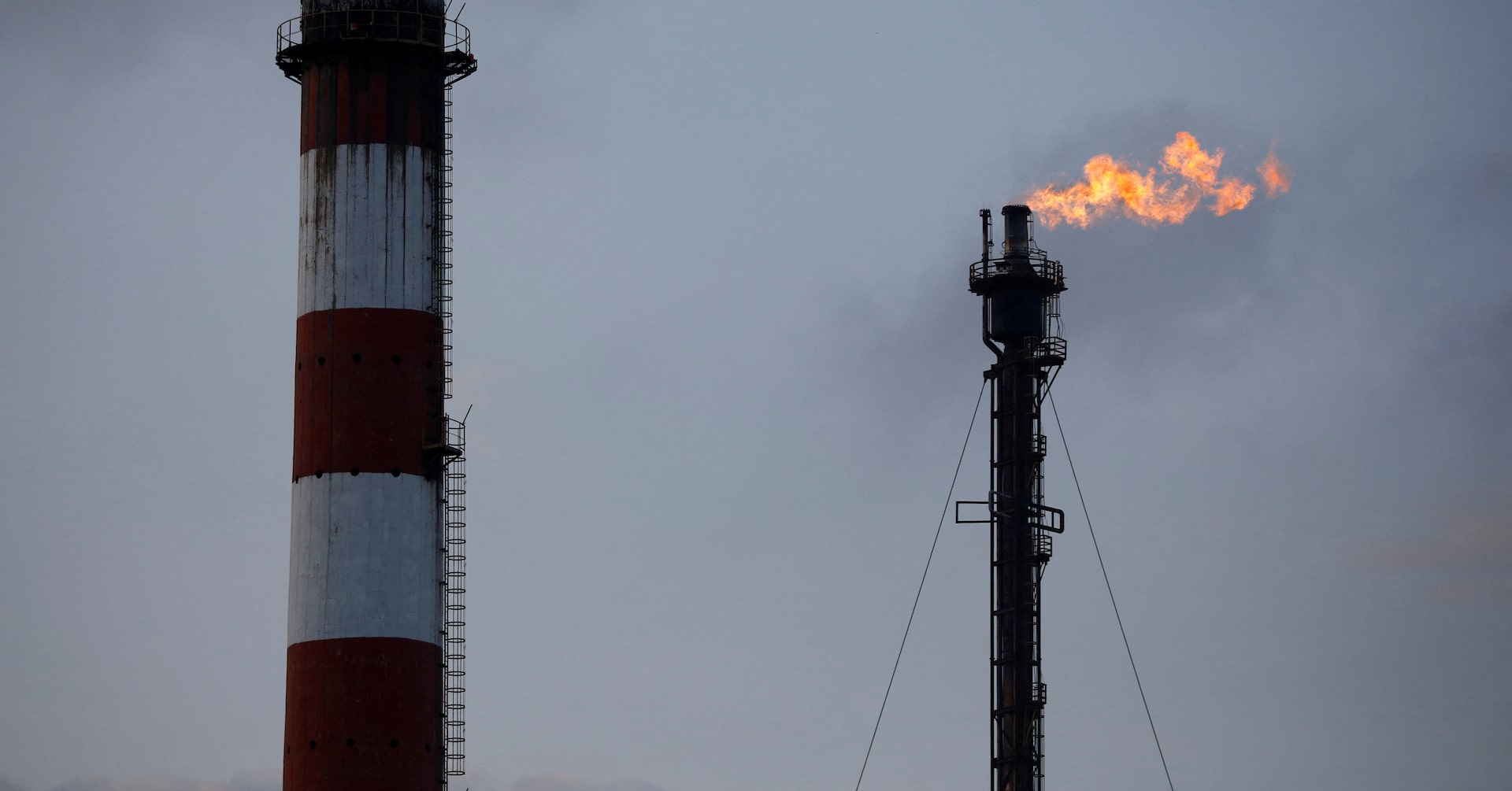
- Iraq's Production Warning: Iraq has warned that it may exit OPEC if the cartel does not allow it to significantly increase its production quota of 4.378 million barrels per day, which would be a more severe blow to OPEC following the UAE's exit in May.
- Significant Economic Impact: Due to disruptions in the Strait of Hormuz, Iraq's actual production fell to 1.48 million barrels in May, far below its quota, severely impacting the economy that relies heavily on oil sales for revenue.
- Future Growth Aspirations: New Prime Minister Ali al-Zaidi aims to boost production to 7 million barrels per day in the coming years, and if OPEC refuses to support this target, Iraq may pursue an independent strategy to increase output and stimulate economic recovery.
- Impact on Oil Companies: Should Iraq leave OPEC, it could lead to lower oil prices, which would pressure profits for producers maintaining current output, yet companies like Chevron and ExxonMobil could benefit from increased production opportunities in Iraqi oil fields.
See More
IWB Stock 52-Week High and Low Analysis

- Price Fluctuation Analysis: IWB's 52-week low is $334.22 and high is $415.11, with the latest trade at $402.98, indicating significant price movement that may influence investor buying decisions.
- Technical Analysis Tool: Comparing the latest stock price to the 200-day moving average provides valuable insights for investors, aiding in market trend assessment and potential buying opportunities.
- ETF Trading Mechanism: Exchange-traded funds (ETFs) trade in 'units' rather than traditional shares, allowing for flexibility in responding to market demand, as these units can be created or destroyed.
- Liquidity Monitoring: Weekly monitoring of changes in ETF shares outstanding highlights notable inflows or outflows, where inflows necessitate purchasing underlying assets, while outflows may lead to selling, impacting the performance of individual stocks within the ETF.
See More

Chevron Expects U.S. Gas Prices to Fall Amid Middle East Normalization
- Price Decline Anticipation: Chevron's CFO Eimear Bonner stated that U.S. gasoline prices are expected to fall as the Middle East situation normalizes, despite President Trump's accusations of Big Oil not lowering prices in line with crude price declines, emphasizing the company's commitment to resolving the issue.
- Production Growth Strategy: Bonner revealed that Chevron plans to grow production by 7% to 10% this year, optimizing resources to meet global energy demands while facing external pressures, thus ensuring product availability for consumers.
- Trump's Investigation Directive: Trump has ordered the Department of Justice to investigate Big Oil, asserting that fuel prices should be at $2.25 per gallon; Chevron responded by noting that price reductions take time due to lag effects in the market.
- Consumer Concerns Addressed: Bonner expressed empathy for consumer concerns, highlighting Chevron's efforts to lower fuel prices through operational optimization, although this process requires time to reflect in retail pricing.
See More
ExxonMobil Projects $145 Billion Cash Flow by 2030
- Cash Flow Projection: ExxonMobil estimates a surplus cash flow of approximately $145 billion by 2030, indicating significant improvements in cost efficiency without increasing spending, which may attract more long-term investors.
- Earnings Growth Plan: The company aims for $25 billion in earnings growth and $35 billion in cash flow growth from 2024 to 2030, demonstrating that investments in technology and operational efficiency will directly enhance financial performance.
- Technology-Driven Output Increase: In the Permian Basin of Texas, ExxonMobil is leveraging advanced technology to effectively keep well fractures open, potentially adding billions to its existing 18 billion-barrel resource base, showcasing its commitment to maximizing output.
- Dividend Stability: As the second-largest dividend payer in the S&P 500, ExxonMobil has increased its dividend for 43 consecutive years, reflecting its strong operational capabilities and commitment to shareholders, which further boosts investor confidence.
See More
ExxonMobil's Future Transformation Outlook
- Tech-Driven Growth: ExxonMobil plans to achieve $25 billion in earnings growth and a $35 billion increase in cash flow by 2030 without increasing spending, indicating that the company is enhancing cost efficiencies through technology, thereby boosting investor confidence.
- Capital Return Improvement: The company expects a return on deployed capital to reach 17% by 2030, which not only showcases its financial health but also has the potential to attract more long-term investors.
- Shale Oil Development: In the Permian Basin of Texas, ExxonMobil is leveraging new technology to effectively keep well fractures open, which is expected to further boost output and could add billions to its existing 18 billion-barrel treasure trove.
- Stable Dividend Policy: As the second-largest dividend payer in the S&P 500, ExxonMobil has increased its dividend for 43 consecutive years, demonstrating a strong commitment to shareholder returns and enhancing investor confidence in long-term holdings.
See More
UAE's OPEC Exit Shakes Global Oil Market
- UAE's OPEC Exit: The UAE's announcement in May to leave OPEC after being a member since 1967 removes production quotas, allowing it to freely increase oil output, which could significantly impact global oil prices.
- Iraq's Potential Exit: Iraq warns OPEC that it may follow the UAE's lead if not allowed to meaningfully increase its oil production, currently capped at 4.378 million BPD, while actual output is only 1.48 million BPD, severely affecting its economy.
- Future Production Goals: Iraq's new prime minister aims to boost oil production to 7 million BPD, and if OPEC does not raise its quota, Iraq may pursue an independent production strategy, potentially leading to lower global oil prices and impacting producer profitability.
- Opportunities for Oil Giants: Companies like Chevron and ExxonMobil could benefit from Iraq's independent production, with Chevron entering talks to operate the West Qurna 2 field and Exxon developing the massive Majnoon oilfield, providing long-term growth catalysts.
See More
Iraq Threatens to Exit OPEC Over Production Quota
- Iraq's Production Warning: Iraq has warned that it may exit OPEC if the cartel does not allow it to significantly increase its production quota of 4.378 million barrels per day, which would be a more severe blow to OPEC following the UAE's exit in May.
- Significant Economic Impact: Due to disruptions in the Strait of Hormuz, Iraq's actual production fell to 1.48 million barrels in May, far below its quota, severely impacting the economy that relies heavily on oil sales for revenue.
- Future Growth Aspirations: New Prime Minister Ali al-Zaidi aims to boost production to 7 million barrels per day in the coming years, and if OPEC refuses to support this target, Iraq may pursue an independent strategy to increase output and stimulate economic recovery.
- Impact on Oil Companies: Should Iraq leave OPEC, it could lead to lower oil prices, which would pressure profits for producers maintaining current output, yet companies like Chevron and ExxonMobil could benefit from increased production opportunities in Iraqi oil fields.
See More
IWB Stock 52-Week High and Low Analysis
- Price Fluctuation Analysis: IWB's 52-week low is $334.22 and high is $415.11, with the latest trade at $402.98, indicating significant price movement that may influence investor buying decisions.
- Technical Analysis Tool: Comparing the latest stock price to the 200-day moving average provides valuable insights for investors, aiding in market trend assessment and potential buying opportunities.
- ETF Trading Mechanism: Exchange-traded funds (ETFs) trade in 'units' rather than traditional shares, allowing for flexibility in responding to market demand, as these units can be created or destroyed.
- Liquidity Monitoring: Weekly monitoring of changes in ETF shares outstanding highlights notable inflows or outflows, where inflows necessitate purchasing underlying assets, while outflows may lead to selling, impacting the performance of individual stocks within the ETF.
See More
Chevron Expects U.S. Gas Prices to Fall Amid Middle East Normalization
- Price Decline Anticipation: Chevron's CFO Eimear Bonner stated that U.S. gasoline prices are expected to fall as the Middle East situation normalizes, despite President Trump's accusations of Big Oil not lowering prices in line with crude price declines, emphasizing the company's commitment to resolving the issue.
- Production Growth Strategy: Bonner revealed that Chevron plans to grow production by 7% to 10% this year, optimizing resources to meet global energy demands while facing external pressures, thus ensuring product availability for consumers.
- Trump's Investigation Directive: Trump has ordered the Department of Justice to investigate Big Oil, asserting that fuel prices should be at $2.25 per gallon; Chevron responded by noting that price reductions take time due to lag effects in the market.
- Consumer Concerns Addressed: Bonner expressed empathy for consumer concerns, highlighting Chevron's efforts to lower fuel prices through operational optimization, although this process requires time to reflect in retail pricing.
See More





