

Trump Administration Revamps Financial Regulator to Foster Economic Growth
Written by Emily J. Thompson, Senior Investment Analyst
Updated: Dec 11 2025
0mins


Source: Barron's
- Treasury Secretary's Announcement: Scott Bessent announced plans to change how a key financial regulatory body monitors risks in the U.S. financial system.
- Trump Administration's Agenda: The changes are part of the Trump administration's broader strategy to reduce oversight of financial firms, promoting a growth-oriented approach.
Trade with 70% Backtested Accuracy
Stop guessing "Should I Buy JPM?" and start using high-conviction signals backed by rigorous historical data.
Sign up today to access powerful investing tools and make smarter, data-driven decisions.
Analyst Views on JPM
Wall Street analysts forecast JPM stock price to rise
19 Analyst Rating
11 Buy
7 Hold
1 Sell
Moderate Buy
Current: 334.470

Low
260.00
Averages
341.38
High
400.00
Current: 334.470
Low
260.00
Averages
341.38
High
400.00
About JPM
JPMorgan Chase & Co. is a financial holding company. The Company is engaged in investment banking, financial services for consumers and small businesses, commercial banking, financial transaction processing and asset management. The Company operates through three segments: Consumer & Community Banking (CCB), Commercial & Investment Bank (CIB), and Asset & Wealth Management (AWM). Its CCB segment offers products and services to consumers and small businesses through bank branches, ATMs, digital and telephone banking. Its CIB segment consists of banking and payments and markets and securities services, and offers a suite of investment banking, lending, payments, market-making, financing, custody and securities products and services to a global base of corporate and institutional clients. AWM segment offers investment and wealth management solutions. It offers multi-asset investment management solutions, retirement products and services, brokerage, custody, estate planning, and others.
About the author

Emily J. Thompson
Emily J. Thompson, a Chartered Financial Analyst (CFA) with 12 years in investment research, graduated with honors from the Wharton School. Specializing in industrial and technology stocks, she provides in-depth analysis for Intellectia’s earnings and market brief reports.

2026 IPO Fundraising Hits 20-Year High

- Surge in IPO Fundraising: In 2026, an estimated $260 billion is expected to be raised through IPOs, nearly matching the post-pandemic surge of 2021, indicating that corporate confidence is peaking, which may foreshadow potential market pullback risks.
- Historical Trend Warnings: Historical data shows that spikes in IPO activity often precede significant market corrections, as seen in 1999 and 1929, suggesting that the current IPO boom could signal impending economic headwinds, prompting investors to remain vigilant.
- Market Sentiment Analysis: Harvard economist notes that investors typically fund IPO participation by selling other stocks, revealing that for every $1 removed, the total market cap falls by $5, indicating overly optimistic market sentiment and the risk of 'irrational exuberance'.
- Investment Strategy Advice: Despite the surge in IPOs, investors should analyze market conditions rationally and avoid panic-driven decisions, maintaining composure to assess risks versus rewards in anticipation of potential market fluctuations.
See More
Fiserv Discusses Sale of Payments Business with Major Banks


- Stock Surge: Fiserv shares rallied over 5% after The Wall Street Journal reported discussions with major banks like JPMorgan and Bank of America regarding the sale of its payments infrastructure business, potentially leading to strategic restructuring and enhanced market competitiveness.
- Acquisition Deal: Vertex Pharmaceuticals announced a $10 billion acquisition of Crinetics Pharmaceuticals to expand its product line in rare hormonal disease treatments, although Vertex shares dipped nearly 1%, this deal is expected to strengthen its market position.
- Stock Upgrade: First Solar's stock rose nearly 3% after Deutsche Bank upgraded its rating from neutral to buy, with analysts citing potential trade policy shifts as a reason for investors to buy the dip, boosting market confidence.
- EV Stock Decline: Rivian shares tumbled 9% despite revenue and delivery guidance exceeding market expectations, as the company announced a plan to sell 75 million new shares for a significant capital raise, negatively impacting investor sentiment.
See More
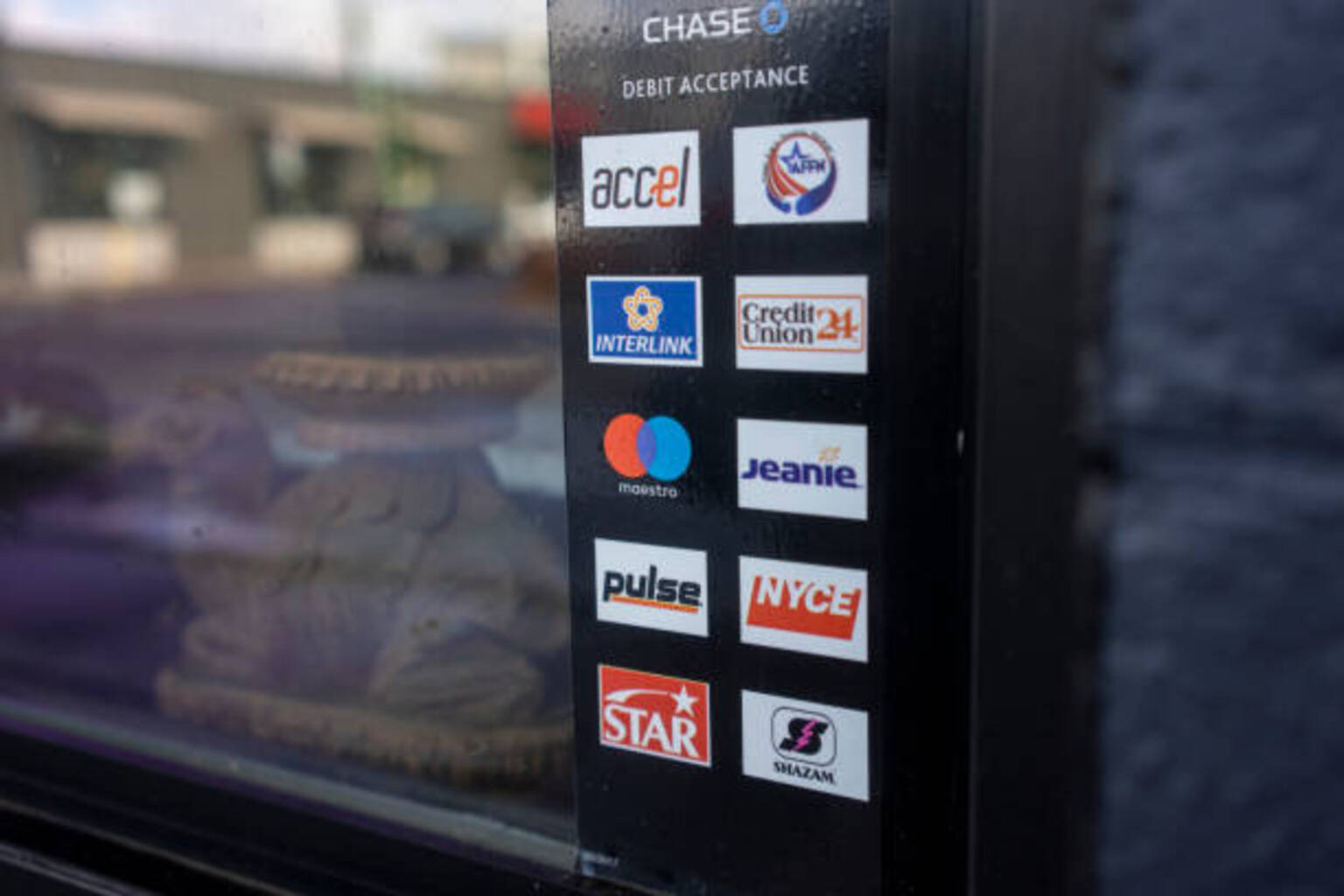
Fiserv Explores Sale of Debit Card Transaction Network to Major U.S. Banks

- Potential Sale Negotiations: Payments technology company Fiserv is in discussions with major U.S. banks, including JPMorgan Chase, Bank of America, Wells Fargo, and PNC Financial Services Group, regarding a potential sale of its debit card transaction network, reflecting a strategic shift in the payments industry among traditional banks.
- Stock Price Surge: Following the news, Fiserv's stock price jumped approximately 7% during pre-market trading on Tuesday, indicating a positive market reaction to the potential deal, although there remains uncertainty about whether an agreement will be reached.
- Regulatory Risk Considerations: Some potential buyers have reportedly opted against pursuing the transaction due to concerns that it could attract scrutiny from lawmakers, regulators, and merchants, highlighting the sensitivity and complexity of the regulatory environment.
- Intensifying Industry Competition: The ongoing sale discussions suggest that traditional banks are looking to strengthen their control over consumer transaction technology by directly owning a debit payment network, in response to competition from fintech firms and federal restrictions on debit card interchange fees.
See More

Market Crash Risk Rises: Three Stocks to Watch

- Market Crash Warning: The current Shiller ratio is nearing 42, a level historically only surpassed once, which was followed by a market crash and three years of losses, indicating that investors should remain vigilant against potential risks.
- JPMorgan's Strong Performance: As the largest bank in the U.S., JPMorgan reported a 10% revenue increase and a 13% net income rise in Q1 2026, underscoring its critical role in the global economy and robust financial stability.
- Visa's Revenue Growth: Visa's revenue increased by 17% year-over-year in Q2 2026, with adjusted earnings per share rising by 20%, demonstrating strong profitability and market demand despite inflationary pressures.
- Berkshire Hathaway's Cash Reserves: Berkshire Hathaway currently holds nearly $400 billion in cash, positioning it to deploy capital effectively during a market crash, thereby enhancing its attractiveness to investors.
See More

SpaceX Joins Nasdaq-100 Index Today, Triggering $4.3 Billion Passive Buying

- Passive Buying Catalyst: J.P. Morgan anticipates that SpaceX's inclusion in the Nasdaq-100 will trigger approximately $4.3 billion in passive buying, enhancing short-term demand for the stock, although profitability remains a concern.
- Float Limitations: With only 3% to 4% of shares publicly traded, Nasdaq may limit SpaceX's weight in the index, suggesting that while buying pressure may increase, stock price volatility could also intensify, warranting caution from investors.
- Starlink Business Outlook: SpaceX's Starlink satellite internet generated $18.7 billion in revenue in 2025, accounting for 60% of total sales, indicating its potential as a profit engine, despite the company still facing overall losses.
- Increased Execution Risks: As SpaceX joins the Nasdaq-100, investors should monitor the progress of its Starship project and the losses in its AI business, as these factors could significantly impact future profitability and stock performance.
See More

Is a Market Crash on the Horizon?
- Market Crash Risk: The current Shiller ratio is nearly 42, a level only surpassed once in history, which was followed by a market crash and three years of losses, prompting investors to remain vigilant and prepared for potential risks.
- JPMorgan's Strong Performance: As the largest bank in the U.S., JPMorgan reported a 10% year-over-year revenue increase and a 13% rise in net income in Q1 2026, with its robust balance sheet and 1.78% dividend yield making it a protective stock during market turmoil.
- Visa's Growth Potential: Visa's revenue grew 17% year-over-year in Q2 2026, with adjusted earnings per share up 20%, and despite inflationary pressures, its business model remains attractive during a market crash, offering a 0.7% dividend yield.
- Berkshire Hathaway's Capital Advantage: With a market cap of $1.1 trillion and nearly $400 billion in cash reserves, Berkshire Hathaway's insurance business positions it to effectively deploy capital during a market crash, seizing investment opportunities as stock prices decline.
See More
2026 IPO Fundraising Hits 20-Year High
- Surge in IPO Fundraising: In 2026, an estimated $260 billion is expected to be raised through IPOs, nearly matching the post-pandemic surge of 2021, indicating that corporate confidence is peaking, which may foreshadow potential market pullback risks.
- Historical Trend Warnings: Historical data shows that spikes in IPO activity often precede significant market corrections, as seen in 1999 and 1929, suggesting that the current IPO boom could signal impending economic headwinds, prompting investors to remain vigilant.
- Market Sentiment Analysis: Harvard economist notes that investors typically fund IPO participation by selling other stocks, revealing that for every $1 removed, the total market cap falls by $5, indicating overly optimistic market sentiment and the risk of 'irrational exuberance'.
- Investment Strategy Advice: Despite the surge in IPOs, investors should analyze market conditions rationally and avoid panic-driven decisions, maintaining composure to assess risks versus rewards in anticipation of potential market fluctuations.
See More
Fiserv Discusses Sale of Payments Business with Major Banks
- Stock Surge: Fiserv shares rallied over 5% after The Wall Street Journal reported discussions with major banks like JPMorgan and Bank of America regarding the sale of its payments infrastructure business, potentially leading to strategic restructuring and enhanced market competitiveness.
- Acquisition Deal: Vertex Pharmaceuticals announced a $10 billion acquisition of Crinetics Pharmaceuticals to expand its product line in rare hormonal disease treatments, although Vertex shares dipped nearly 1%, this deal is expected to strengthen its market position.
- Stock Upgrade: First Solar's stock rose nearly 3% after Deutsche Bank upgraded its rating from neutral to buy, with analysts citing potential trade policy shifts as a reason for investors to buy the dip, boosting market confidence.
- EV Stock Decline: Rivian shares tumbled 9% despite revenue and delivery guidance exceeding market expectations, as the company announced a plan to sell 75 million new shares for a significant capital raise, negatively impacting investor sentiment.
See More
Fiserv Explores Sale of Debit Card Transaction Network to Major U.S. Banks
- Potential Sale Negotiations: Payments technology company Fiserv is in discussions with major U.S. banks, including JPMorgan Chase, Bank of America, Wells Fargo, and PNC Financial Services Group, regarding a potential sale of its debit card transaction network, reflecting a strategic shift in the payments industry among traditional banks.
- Stock Price Surge: Following the news, Fiserv's stock price jumped approximately 7% during pre-market trading on Tuesday, indicating a positive market reaction to the potential deal, although there remains uncertainty about whether an agreement will be reached.
- Regulatory Risk Considerations: Some potential buyers have reportedly opted against pursuing the transaction due to concerns that it could attract scrutiny from lawmakers, regulators, and merchants, highlighting the sensitivity and complexity of the regulatory environment.
- Intensifying Industry Competition: The ongoing sale discussions suggest that traditional banks are looking to strengthen their control over consumer transaction technology by directly owning a debit payment network, in response to competition from fintech firms and federal restrictions on debit card interchange fees.
See More
Market Crash Risk Rises: Three Stocks to Watch
- Market Crash Warning: The current Shiller ratio is nearing 42, a level historically only surpassed once, which was followed by a market crash and three years of losses, indicating that investors should remain vigilant against potential risks.
- JPMorgan's Strong Performance: As the largest bank in the U.S., JPMorgan reported a 10% revenue increase and a 13% net income rise in Q1 2026, underscoring its critical role in the global economy and robust financial stability.
- Visa's Revenue Growth: Visa's revenue increased by 17% year-over-year in Q2 2026, with adjusted earnings per share rising by 20%, demonstrating strong profitability and market demand despite inflationary pressures.
- Berkshire Hathaway's Cash Reserves: Berkshire Hathaway currently holds nearly $400 billion in cash, positioning it to deploy capital effectively during a market crash, thereby enhancing its attractiveness to investors.
See More
SpaceX Joins Nasdaq-100 Index Today, Triggering $4.3 Billion Passive Buying
- Passive Buying Catalyst: J.P. Morgan anticipates that SpaceX's inclusion in the Nasdaq-100 will trigger approximately $4.3 billion in passive buying, enhancing short-term demand for the stock, although profitability remains a concern.
- Float Limitations: With only 3% to 4% of shares publicly traded, Nasdaq may limit SpaceX's weight in the index, suggesting that while buying pressure may increase, stock price volatility could also intensify, warranting caution from investors.
- Starlink Business Outlook: SpaceX's Starlink satellite internet generated $18.7 billion in revenue in 2025, accounting for 60% of total sales, indicating its potential as a profit engine, despite the company still facing overall losses.
- Increased Execution Risks: As SpaceX joins the Nasdaq-100, investors should monitor the progress of its Starship project and the losses in its AI business, as these factors could significantly impact future profitability and stock performance.
See More
Is a Market Crash on the Horizon?
- Market Crash Risk: The current Shiller ratio is nearly 42, a level only surpassed once in history, which was followed by a market crash and three years of losses, prompting investors to remain vigilant and prepared for potential risks.
- JPMorgan's Strong Performance: As the largest bank in the U.S., JPMorgan reported a 10% year-over-year revenue increase and a 13% rise in net income in Q1 2026, with its robust balance sheet and 1.78% dividend yield making it a protective stock during market turmoil.
- Visa's Growth Potential: Visa's revenue grew 17% year-over-year in Q2 2026, with adjusted earnings per share up 20%, and despite inflationary pressures, its business model remains attractive during a market crash, offering a 0.7% dividend yield.
- Berkshire Hathaway's Capital Advantage: With a market cap of $1.1 trillion and nearly $400 billion in cash reserves, Berkshire Hathaway's insurance business positions it to effectively deploy capital during a market crash, seizing investment opportunities as stock prices decline.
See More





