These Small-Cap Stocks Pay Juicier Dividends Than Many Big Names
Written by Emily J. Thompson, Senior Investment Analyst
Updated: Jun 05 2024
0mins


Source: MarketWatch
- Large-cap Dividend Payers: Johnson & Johnson and PepsiCo are popular among income investors.
- Diversifying Dividend Investments: There are other dividend opportunities beyond large-cap stocks.
- Small-Cap Dividends: While less common, some small-cap stocks offer attractive valuations, good yields, and a history of increasing dividends.
- Content Limitation: The full content requires subscription or signing in to access.
Trade with 70% Backtested Accuracy
Stop guessing "Should I Buy JNJ?" and start using high-conviction signals backed by rigorous historical data.
Sign up today to access powerful investing tools and make smarter, data-driven decisions.
Analyst Views on JNJ
Wall Street analysts forecast JNJ stock price to fall
20 Analyst Rating
13 Buy
7 Hold
0 Sell
Moderate Buy
Current: 228.390

Low
190.00
Averages
218.50
High
240.00
Current: 228.390
Low
190.00
Averages
218.50
High
240.00
About JNJ
Johnson & Johnson and its subsidiaries are engaged in the research and development, manufacture, and sale of a range of products in the healthcare field. The Company’s segments include Innovative Medicine and MedTech. The Innovative Medicine segment is focused on various therapeutic areas, including immunology, infectious diseases, neuroscience, oncology, pulmonary hypertension, cardiovascular and metabolism. Its products include REMICADE (infliximab), SIMPONI (golimumab), SIMPONI ARIA (golimumab), STELARA (ustekinumab), TREMFYA (guselkumab), EDURANT (rilpivirine), and INVEGA SUSTENNA/XEPLION (paliperidone palmitate). The MedTech segment includes a portfolio of products used in cardiovascular, orthopedics, surgery, and vision categories. The Cardiovascular portfolio includes electrophysiology products to treat heart rhythm disorders and circulatory restoration products (Shockwave) for the treatment of calcified coronary artery disease (CAD) and peripheral artery disease (PAD).
About the author

Emily J. Thompson
Emily J. Thompson, a Chartered Financial Analyst (CFA) with 12 years in investment research, graduated with honors from the Wharton School. Specializing in industrial and technology stocks, she provides in-depth analysis for Intellectia’s earnings and market brief reports.

SpaceX Faces Volatile Stock Action Post-IPO


- Volatile Stock Performance: Since going public on June 12, SpaceX's stock has experienced significant volatility, soaring from an IPO price of $135 to a peak of $225, but has since retreated to around $180 to $185, indicating market uncertainty about its future performance.
- Complex Lockup Provisions: Unlike typical IPO stocks, SpaceX's staggered lockup provisions allow insiders to sell shares as early as late summer, which could flood the market with new shares and exert downward pressure on the stock price.
- Diverging Market Confidence: While some investors remain optimistic about SpaceX's long-term prospects, more cautious investors may prefer high-quality dividend stocks for steadier returns, reflecting a growing preference for stability in the current market environment.
- Strong Competitor Performance: In this market context, companies like Coca-Cola, Johnson & Johnson, and Procter & Gamble, known for their stable dividend growth, are viewed as safer investment choices, highlighting a shift in investor sentiment towards more reliable returns.
See More

SpaceX Faces Increased Stock Volatility Post-IPO
- Stock Volatility: Since its IPO on June 12, SpaceX's stock has experienced significant volatility, soaring from an initial price of $135 to a peak of $225, but has since retreated to around $180 to $185, indicating market uncertainty about its future performance.
- Lock-Up Structure: Unlike typical IPOs, SpaceX's staggered lock-up provisions allow insiders to sell shares as early as late summer, following the company's first quarterly earnings release, which could flood the market with new shares and exert downward pressure on the stock price.
- Investment Alternatives: Given SpaceX's high volatility, analysts recommend considering high-quality dividend growth stocks such as Coca-Cola, Johnson & Johnson, and Procter & Gamble, which offer more stable returns amid market uncertainty.
- Dividend Growth Benefits: Companies like Coca-Cola and Johnson & Johnson have raised dividends for 65 consecutive years, demonstrating strong cash flow stability and risk resilience, making them suitable core holdings for long-term investors during market fluctuations.
See More

Cost Analysis of Retirement Living in New Orleans

- Retirement Budget Overview: A 67-year-old retiree with a $650,000 portfolio and $2,500 monthly Social Security can generate an annual income of $56,000, sufficient to support a comfortable lifestyle in New Orleans, particularly for homeowners.
- Insurance Cost Risks: Homeowners and flood insurance in New Orleans currently costs around $9,000, with projections indicating potential doubling in the next 15 years, highlighting the inflation risk of insurance costs that far exceeds general living expenses, impacting long-term financial planning.
- Cost of Living Advantage: Louisiana's cost-of-living index stands at 88.207, significantly below the national average of 100, providing advantages in food and daily expenses, although housing, insurance, and healthcare costs remain high, making it suitable for retirees.
- Portfolio Strategy: It is advisable for retirees to diversify their assets across broad market indices, dividend aristocrat blue chips, and cash-flow REITs to combat inflation and ensure stable cash flow, thereby securing long-term financial safety.
See More
Market Dynamics and Corporate Mergers Overview


- Muted Market Start: The new trading week begins with the S&P 500 indicated flat while the tech-heavy Nasdaq shows slight gains, and WTI crude oil is trading around $76.50 per barrel, reflecting cautious market sentiment regarding economic outlook.
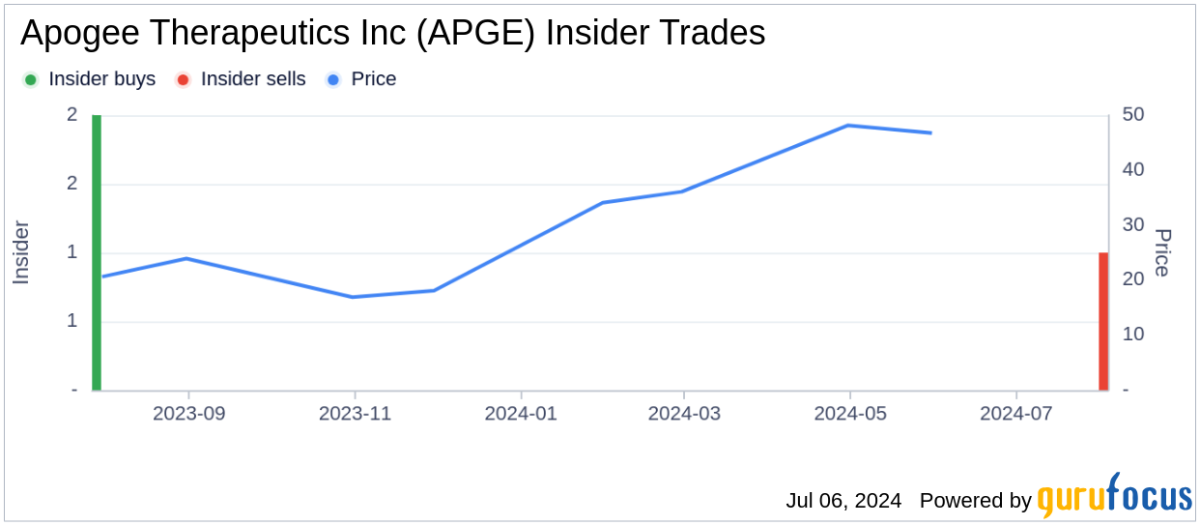
- Abbvie Acquires Apogee: Abbvie is acquiring Apogee Therapeutics for $10.9 billion to strengthen its immunology portfolio, particularly competing with Johnson & Johnson's Tremfya through its top drug Skyrizi, which is expected to enhance Abbvie's competitive edge in the biopharmaceutical market.
- CRH Acquires Arcosa: CRH is acquiring Arcosa for $8.5 billion, stating that the acquisition is highly complementary amid growing demand for energy and utility infrastructure, which is expected to further solidify CRH's position in the construction materials market.
- Estee Lauder Buy Rating Reinstated: Goldman Sachs has reinstated a buy rating for Estee Lauder with a price target of $100, as analysts believe the market is underestimating the company's growth momentum, especially after it walked away from merger talks with Spanish beauty peer Puig.
See More
Five Blue Chip Dividend Stocks Worth Holding Forever


- AbbVie's Stability: AbbVie (ABBV), a biopharmaceutical giant, has increased its dividends for 50 consecutive years since becoming independent in 2013, with 12 products exceeding $1 billion in sales by 2025, showcasing its strong market adaptability and long-term growth potential.
- McDonald's Expansion: McDonald's (MCD) operates over 45,000 restaurants globally and is expected to raise its dividend again this year, with analysts projecting high-single-digit earnings growth in the coming years, further solidifying its status as a premium dividend stock.
- Johnson & Johnson's Financial Health: Johnson & Johnson (JNJ) is renowned for its 64 consecutive years of dividend increases and boasts an AAA credit rating, with expected annual earnings growth averaging 8% to 9% over the next few years, demonstrating its robustness and reliability in the healthcare sector.
- Walmart's E-commerce Transformation: Walmart (WMT) has consistently increased its dividend for 53 years, and despite e-commerce competition, its earnings are projected to grow by an average of 9% over the next three to five years, providing strong support for continued dividend growth.
See More

Top Dividend Stocks in Healthcare and Consumer Sectors
- Dividend Growth Leader: AbbVie, a Dividend King since its independence in 2013, has raised its dividend for 50 consecutive years and boasts 12 products exceeding $1 billion in sales by 2025, showcasing its strong competitive position in the biopharmaceutical sector.
- Fast-Food Industry Giant: McDonald's operates over 45,000 locations globally and is expected to continue its dividend growth, with the dividend projected to be only 57% of estimated earnings in 2026, reflecting its robust profitability and ongoing market expansion potential.
- Healthcare Sector Leader: Johnson & Johnson is renowned for its 64 consecutive years of dividend increases, with analysts forecasting annual earnings growth of 8% to 9% over the coming years, demonstrating its resilience in pharmaceuticals and medical devices.
- Retail Giant's Resilience: Walmart has maintained and increased its dividend for 53 years, with expected average earnings growth of 9% over the next three to five years, and its dividend is only 34% of 2026 earnings estimates, indicating its adaptability and market leadership amid e-commerce competition.
See More
SpaceX Faces Volatile Stock Action Post-IPO
- Volatile Stock Performance: Since going public on June 12, SpaceX's stock has experienced significant volatility, soaring from an IPO price of $135 to a peak of $225, but has since retreated to around $180 to $185, indicating market uncertainty about its future performance.
- Complex Lockup Provisions: Unlike typical IPO stocks, SpaceX's staggered lockup provisions allow insiders to sell shares as early as late summer, which could flood the market with new shares and exert downward pressure on the stock price.
- Diverging Market Confidence: While some investors remain optimistic about SpaceX's long-term prospects, more cautious investors may prefer high-quality dividend stocks for steadier returns, reflecting a growing preference for stability in the current market environment.
- Strong Competitor Performance: In this market context, companies like Coca-Cola, Johnson & Johnson, and Procter & Gamble, known for their stable dividend growth, are viewed as safer investment choices, highlighting a shift in investor sentiment towards more reliable returns.
See More
SpaceX Faces Increased Stock Volatility Post-IPO
- Stock Volatility: Since its IPO on June 12, SpaceX's stock has experienced significant volatility, soaring from an initial price of $135 to a peak of $225, but has since retreated to around $180 to $185, indicating market uncertainty about its future performance.
- Lock-Up Structure: Unlike typical IPOs, SpaceX's staggered lock-up provisions allow insiders to sell shares as early as late summer, following the company's first quarterly earnings release, which could flood the market with new shares and exert downward pressure on the stock price.
- Investment Alternatives: Given SpaceX's high volatility, analysts recommend considering high-quality dividend growth stocks such as Coca-Cola, Johnson & Johnson, and Procter & Gamble, which offer more stable returns amid market uncertainty.
- Dividend Growth Benefits: Companies like Coca-Cola and Johnson & Johnson have raised dividends for 65 consecutive years, demonstrating strong cash flow stability and risk resilience, making them suitable core holdings for long-term investors during market fluctuations.
See More
Cost Analysis of Retirement Living in New Orleans
- Retirement Budget Overview: A 67-year-old retiree with a $650,000 portfolio and $2,500 monthly Social Security can generate an annual income of $56,000, sufficient to support a comfortable lifestyle in New Orleans, particularly for homeowners.
- Insurance Cost Risks: Homeowners and flood insurance in New Orleans currently costs around $9,000, with projections indicating potential doubling in the next 15 years, highlighting the inflation risk of insurance costs that far exceeds general living expenses, impacting long-term financial planning.
- Cost of Living Advantage: Louisiana's cost-of-living index stands at 88.207, significantly below the national average of 100, providing advantages in food and daily expenses, although housing, insurance, and healthcare costs remain high, making it suitable for retirees.
- Portfolio Strategy: It is advisable for retirees to diversify their assets across broad market indices, dividend aristocrat blue chips, and cash-flow REITs to combat inflation and ensure stable cash flow, thereby securing long-term financial safety.
See More
Market Dynamics and Corporate Mergers Overview
- Muted Market Start: The new trading week begins with the S&P 500 indicated flat while the tech-heavy Nasdaq shows slight gains, and WTI crude oil is trading around $76.50 per barrel, reflecting cautious market sentiment regarding economic outlook.
- Abbvie Acquires Apogee: Abbvie is acquiring Apogee Therapeutics for $10.9 billion to strengthen its immunology portfolio, particularly competing with Johnson & Johnson's Tremfya through its top drug Skyrizi, which is expected to enhance Abbvie's competitive edge in the biopharmaceutical market.
- CRH Acquires Arcosa: CRH is acquiring Arcosa for $8.5 billion, stating that the acquisition is highly complementary amid growing demand for energy and utility infrastructure, which is expected to further solidify CRH's position in the construction materials market.
- Estee Lauder Buy Rating Reinstated: Goldman Sachs has reinstated a buy rating for Estee Lauder with a price target of $100, as analysts believe the market is underestimating the company's growth momentum, especially after it walked away from merger talks with Spanish beauty peer Puig.
See More
Five Blue Chip Dividend Stocks Worth Holding Forever
- AbbVie's Stability: AbbVie (ABBV), a biopharmaceutical giant, has increased its dividends for 50 consecutive years since becoming independent in 2013, with 12 products exceeding $1 billion in sales by 2025, showcasing its strong market adaptability and long-term growth potential.
- McDonald's Expansion: McDonald's (MCD) operates over 45,000 restaurants globally and is expected to raise its dividend again this year, with analysts projecting high-single-digit earnings growth in the coming years, further solidifying its status as a premium dividend stock.
- Johnson & Johnson's Financial Health: Johnson & Johnson (JNJ) is renowned for its 64 consecutive years of dividend increases and boasts an AAA credit rating, with expected annual earnings growth averaging 8% to 9% over the next few years, demonstrating its robustness and reliability in the healthcare sector.
- Walmart's E-commerce Transformation: Walmart (WMT) has consistently increased its dividend for 53 years, and despite e-commerce competition, its earnings are projected to grow by an average of 9% over the next three to five years, providing strong support for continued dividend growth.
See More
Top Dividend Stocks in Healthcare and Consumer Sectors
- Dividend Growth Leader: AbbVie, a Dividend King since its independence in 2013, has raised its dividend for 50 consecutive years and boasts 12 products exceeding $1 billion in sales by 2025, showcasing its strong competitive position in the biopharmaceutical sector.
- Fast-Food Industry Giant: McDonald's operates over 45,000 locations globally and is expected to continue its dividend growth, with the dividend projected to be only 57% of estimated earnings in 2026, reflecting its robust profitability and ongoing market expansion potential.
- Healthcare Sector Leader: Johnson & Johnson is renowned for its 64 consecutive years of dividend increases, with analysts forecasting annual earnings growth of 8% to 9% over the coming years, demonstrating its resilience in pharmaceuticals and medical devices.
- Retail Giant's Resilience: Walmart has maintained and increased its dividend for 53 years, with expected average earnings growth of 9% over the next three to five years, and its dividend is only 34% of 2026 earnings estimates, indicating its adaptability and market leadership amid e-commerce competition.
See More