Tesla's Q4 Results Could Shake Up These 3 ETFs
Written by Emily J. Thompson, Senior Investment Analyst
Updated: Jan 29 2025
0mins


Source: Benzinga
Tesla's Upcoming Earnings Impact on ETFs: Tesla Inc.'s fourth-quarter earnings report is anticipated to significantly influence several ETFs heavily invested in the company, including the Simplify Volt TSLA Revolution ETF and ARK Autonomous Technology & Robotics ETF, which have substantial allocations to Tesla stock.
Performance Expectations and Challenges: Despite a projected revenue increase to $27.13 billion and a slight rise in earnings per share, Tesla faces challenges with delivery numbers falling short of expectations, marking its first year-over-year decline in vehicle deliveries while continuing to invest in cheaper EV models and AI projects.
Trade with 70% Backtested Accuracy
Stop guessing "Should I Buy TSLA?" and start using high-conviction signals backed by rigorous historical data.
Sign up today to access powerful investing tools and make smarter, data-driven decisions.
Analyst Views on TSLA
Wall Street analysts forecast TSLA stock price to fall
30 Analyst Rating
12 Buy
11 Hold
7 Sell
Hold
Current: 419.770

Low
25.28
Averages
401.93
High
600.00
Current: 419.770
Low
25.28
Averages
401.93
High
600.00
About TSLA
Tesla, Inc. designs, develops, manufactures, sells and leases high-performance fully electric vehicles and energy generation and storage systems, and offers services related to its products. Its segments include automotive, and energy generation and storage. The automotive segment includes the design, development, manufacturing, sales and leasing of high-performance fully electric vehicles, and sales of automotive regulatory credits. It also includes sales of used vehicles, non-warranty maintenance services and collisions, part sales, paid supercharging, insurance services revenue and retail merchandise sales. The energy generation and storage segment include the design, manufacture, installation, sales and leasing of solar energy generation and energy storage products and related services and sales of solar energy systems incentives. Its consumer vehicles include the Model 3, Y, S, X and Cybertruck. Its lithium-ion battery energy storage products include Powerwall and Megapack.
About the author

Emily J. Thompson
Emily J. Thompson, a Chartered Financial Analyst (CFA) with 12 years in investment research, graduated with honors from the Wharton School. Specializing in industrial and technology stocks, she provides in-depth analysis for Intellectia’s earnings and market brief reports.

Tesla Q2 Deliveries Exceed Expectations

- Strong Delivery Figures: Tesla delivered approximately 480,000 vehicles in Q2, surpassing analysts' expectations of 406,000 units and marking a 25% increase from the same period last year, indicating potential demand recovery that could drive revenue above forecasts.
- Negative Stock Reaction: Despite the impressive delivery numbers, Tesla's stock fell by 7% post-announcement, marking one of its weakest days in nearly a year, reflecting profit-taking by investors who had already priced in the positive momentum.
- Earnings Report Outlook: Tesla is set to report its Q2 earnings on July 22, with consensus estimates forecasting revenue of $25.4 billion and EPS of $0.48, particularly focusing on automotive gross margins and free cash flow as key indicators for investors.
- Market Sentiment Analysis: The market tends to price in optimistic scenarios ahead of events, suggesting that even a beat on earnings could lead to muted stock reactions if management's guidance lacks fresh catalysts, highlighting investor uncertainty about future performance.
See More
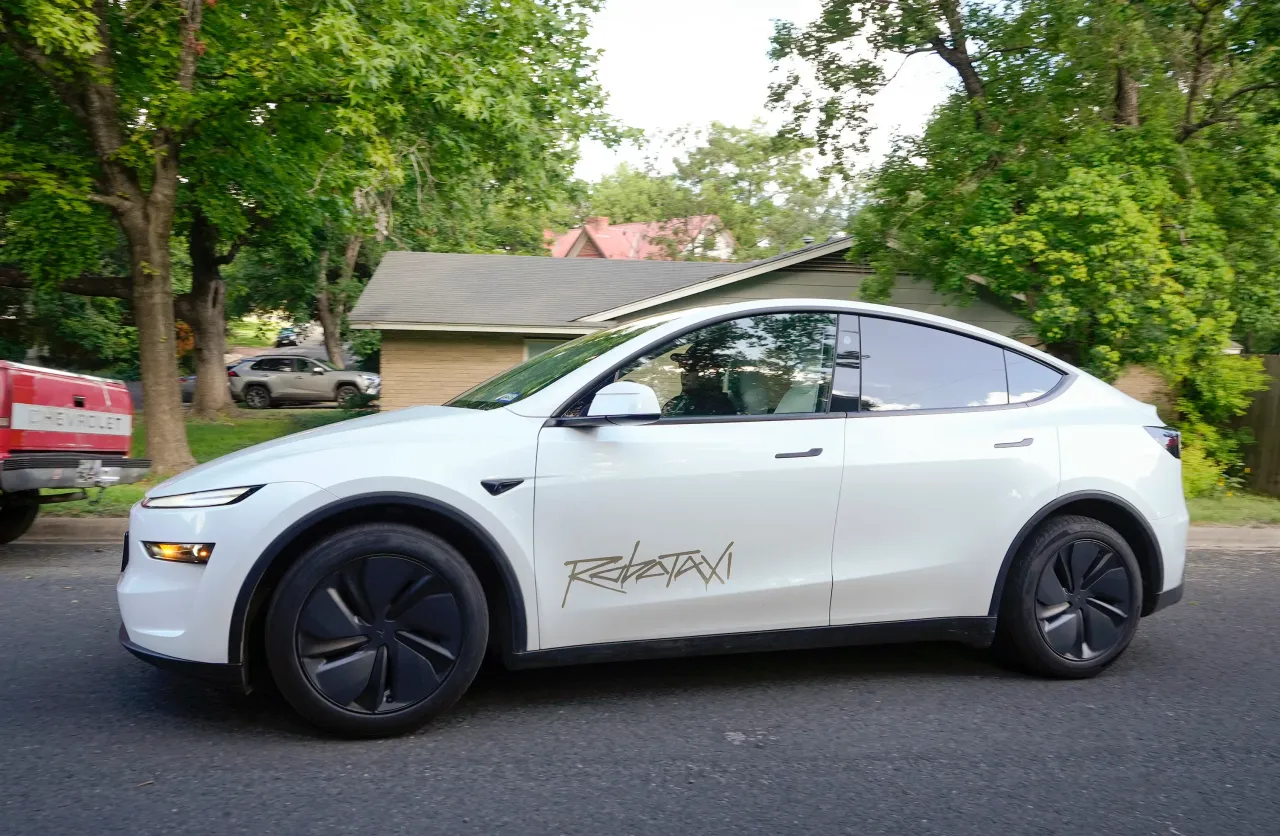
Morgan Stanley Maintains Equalweight Rating on Tesla Amid Robotaxi Launch
- Robotaxi Launch: Morgan Stanley highlighted that Tesla's robotaxi service launched in Miami includes unsupervised vehicles, potentially signaling a renewed push in autonomous driving, with a fleet expected to reach 1,500 vehicles by year-end.
- Market Expansion Outlook: The firm anticipates Tesla will roll out robotaxis in Miami, Phoenix, Orlando, Tampa, and Las Vegas by year-end, demonstrating the company's proactive market expansion strategy, although the short-term impact on earnings is expected to be minimal.
- Strong Delivery Data: Tesla reported a robust Q2 with 480,126 global vehicle deliveries, a 25% increase year-over-year, alongside a 41% rise in energy deployments, indicating growth momentum across multiple business segments that may boost investor confidence.
- Investor Sentiment Recovery: Despite a 1% decline in after-hours trading, the positive market reaction to the robotaxi update could alleviate investor concerns regarding Tesla's autonomous technology, with Morgan Stanley analysts suggesting this news may be well-received by the market.
See More

China's Car Sales Decline for Ninth Consecutive Month

- Sales Decline: In June, domestic passenger vehicle sales in China fell 23.4% year-on-year to 1.62 million units, following a 22.3% drop in May, reflecting the impact of a slowing economy on consumer spending.
- Export Market Growth: Despite sluggish local demand, car exports surged 82.1% to 882,000 vehicles, indicating that automakers are increasingly turning to international markets to cushion domestic pressures.
- Segment Shifts: Sales of gasoline and electrified models priced under 80,000 yuan dropped 34% and 43% respectively in the first five months, while the premium segment thrived, with 70% of new sales driven by consumers upgrading older vehicles.
- Intensifying Competition: Traditional mass-market brands like Volkswagen and General Motors are losing market share to emerging Chinese premium brands amid a shift towards smart electric vehicles, prompting foreign joint ventures to accelerate their expansion abroad.
See More

Analyst Sets Street-High $800 Price Target for SpaceX

- Strong Market Demand: SpaceX raised $85.7 billion ahead of its public debut, with demand exceeding four times the available shares, indicating significant investor interest and suggesting a highly optimistic future market performance.
- Massive Potential Upside: Analyst Brian Gesuale projects a 435% increase in SpaceX's stock price to $800, reflecting the immense potential in commercial space travel and AI, which could push the company's market cap beyond $10 trillion.
- Critical Technological Breakthrough: Gesuale emphasizes that the successful development of Starship could reduce space cargo transport costs by 99% while significantly increasing payload capacity, potentially transforming the aerospace transportation industry and creating new business models.
- Revenue Growth Expectations: SpaceX's revenue is projected to soar from $38.5 billion to $837 billion, with EBITDA increasing from $17.7 billion to $696 billion, showcasing the company's strong growth potential in the future market, contingent upon overcoming significant engineering challenges.
See More

SpaceX's Market Debut and Future Potential

- Oversubscription Details: SpaceX raised $85.7 billion ahead of its public debut, with demand exceeding available shares by more than four times, indicating strong investor interest and reflecting the company's immense potential in space and AI sectors.
- Analyst Ratings: Raymond James analyst initiated coverage with a strong buy rating and a price target of $800, suggesting a potential 435% upside for investors, highlighting market optimism regarding SpaceX's future growth prospects.
- Revenue Growth Forecast: Analysts project SpaceX's revenue to soar from $38.5 billion to $837 billion, nearly a 22-fold increase, while EBITDA is expected to rise from $17.7 billion to $696 billion, demonstrating the sustainability and profitability of its business model.
- Technical Challenges and Risks: Despite the promising outlook, SpaceX faces significant engineering challenges in developing its heavy rocket and deploying space data centers, with any failure in critical designs potentially jeopardizing its future success, necessitating cautious risk assessment by investors.
See More

SpaceX Faces High Valuation and Cash Flow Challenges

- Valuation Risks: SpaceX's current market cap exceeds $2 trillion, yet it only generated $4.69 billion in sales during Q1, resulting in a price-to-sales ratio above 100, indicating excessive market optimism regarding its future revenue.
- Significant Losses: The company reported a net loss of $4.28 billion in Q1, underscoring the urgent need to raise funds through IPO and bond sales, as continued losses could threaten its long-term viability.
- Contractual Revenue Potential: SpaceX's multi-year deal with Alphabet is expected to average $920 million per month, combined with a nearly $45 billion three-year contract with Anthropic, suggesting a potential annual revenue of approximately $26 billion, making the $100 billion revenue target by 2028 more feasible, though caution is warranted.
- Market Sentiment and Execution Challenges: While investor enthusiasm has kept SpaceX's stock above $135, its future success hinges on perfect execution; given Musk's history of setting overly ambitious goals, there remains skepticism about whether these projections can be realized.
See More
Tesla Q2 Deliveries Exceed Expectations
- Strong Delivery Figures: Tesla delivered approximately 480,000 vehicles in Q2, surpassing analysts' expectations of 406,000 units and marking a 25% increase from the same period last year, indicating potential demand recovery that could drive revenue above forecasts.
- Negative Stock Reaction: Despite the impressive delivery numbers, Tesla's stock fell by 7% post-announcement, marking one of its weakest days in nearly a year, reflecting profit-taking by investors who had already priced in the positive momentum.
- Earnings Report Outlook: Tesla is set to report its Q2 earnings on July 22, with consensus estimates forecasting revenue of $25.4 billion and EPS of $0.48, particularly focusing on automotive gross margins and free cash flow as key indicators for investors.
- Market Sentiment Analysis: The market tends to price in optimistic scenarios ahead of events, suggesting that even a beat on earnings could lead to muted stock reactions if management's guidance lacks fresh catalysts, highlighting investor uncertainty about future performance.
See More
Morgan Stanley Maintains Equalweight Rating on Tesla Amid Robotaxi Launch
- Robotaxi Launch: Morgan Stanley highlighted that Tesla's robotaxi service launched in Miami includes unsupervised vehicles, potentially signaling a renewed push in autonomous driving, with a fleet expected to reach 1,500 vehicles by year-end.
- Market Expansion Outlook: The firm anticipates Tesla will roll out robotaxis in Miami, Phoenix, Orlando, Tampa, and Las Vegas by year-end, demonstrating the company's proactive market expansion strategy, although the short-term impact on earnings is expected to be minimal.
- Strong Delivery Data: Tesla reported a robust Q2 with 480,126 global vehicle deliveries, a 25% increase year-over-year, alongside a 41% rise in energy deployments, indicating growth momentum across multiple business segments that may boost investor confidence.
- Investor Sentiment Recovery: Despite a 1% decline in after-hours trading, the positive market reaction to the robotaxi update could alleviate investor concerns regarding Tesla's autonomous technology, with Morgan Stanley analysts suggesting this news may be well-received by the market.
See More
China's Car Sales Decline for Ninth Consecutive Month
- Sales Decline: In June, domestic passenger vehicle sales in China fell 23.4% year-on-year to 1.62 million units, following a 22.3% drop in May, reflecting the impact of a slowing economy on consumer spending.
- Export Market Growth: Despite sluggish local demand, car exports surged 82.1% to 882,000 vehicles, indicating that automakers are increasingly turning to international markets to cushion domestic pressures.
- Segment Shifts: Sales of gasoline and electrified models priced under 80,000 yuan dropped 34% and 43% respectively in the first five months, while the premium segment thrived, with 70% of new sales driven by consumers upgrading older vehicles.
- Intensifying Competition: Traditional mass-market brands like Volkswagen and General Motors are losing market share to emerging Chinese premium brands amid a shift towards smart electric vehicles, prompting foreign joint ventures to accelerate their expansion abroad.
See More
Analyst Sets Street-High $800 Price Target for SpaceX
- Strong Market Demand: SpaceX raised $85.7 billion ahead of its public debut, with demand exceeding four times the available shares, indicating significant investor interest and suggesting a highly optimistic future market performance.
- Massive Potential Upside: Analyst Brian Gesuale projects a 435% increase in SpaceX's stock price to $800, reflecting the immense potential in commercial space travel and AI, which could push the company's market cap beyond $10 trillion.
- Critical Technological Breakthrough: Gesuale emphasizes that the successful development of Starship could reduce space cargo transport costs by 99% while significantly increasing payload capacity, potentially transforming the aerospace transportation industry and creating new business models.
- Revenue Growth Expectations: SpaceX's revenue is projected to soar from $38.5 billion to $837 billion, with EBITDA increasing from $17.7 billion to $696 billion, showcasing the company's strong growth potential in the future market, contingent upon overcoming significant engineering challenges.
See More
SpaceX's Market Debut and Future Potential
- Oversubscription Details: SpaceX raised $85.7 billion ahead of its public debut, with demand exceeding available shares by more than four times, indicating strong investor interest and reflecting the company's immense potential in space and AI sectors.
- Analyst Ratings: Raymond James analyst initiated coverage with a strong buy rating and a price target of $800, suggesting a potential 435% upside for investors, highlighting market optimism regarding SpaceX's future growth prospects.
- Revenue Growth Forecast: Analysts project SpaceX's revenue to soar from $38.5 billion to $837 billion, nearly a 22-fold increase, while EBITDA is expected to rise from $17.7 billion to $696 billion, demonstrating the sustainability and profitability of its business model.
- Technical Challenges and Risks: Despite the promising outlook, SpaceX faces significant engineering challenges in developing its heavy rocket and deploying space data centers, with any failure in critical designs potentially jeopardizing its future success, necessitating cautious risk assessment by investors.
See More
SpaceX Faces High Valuation and Cash Flow Challenges
- Valuation Risks: SpaceX's current market cap exceeds $2 trillion, yet it only generated $4.69 billion in sales during Q1, resulting in a price-to-sales ratio above 100, indicating excessive market optimism regarding its future revenue.
- Significant Losses: The company reported a net loss of $4.28 billion in Q1, underscoring the urgent need to raise funds through IPO and bond sales, as continued losses could threaten its long-term viability.
- Contractual Revenue Potential: SpaceX's multi-year deal with Alphabet is expected to average $920 million per month, combined with a nearly $45 billion three-year contract with Anthropic, suggesting a potential annual revenue of approximately $26 billion, making the $100 billion revenue target by 2028 more feasible, though caution is warranted.
- Market Sentiment and Execution Challenges: While investor enthusiasm has kept SpaceX's stock above $135, its future success hinges on perfect execution; given Musk's history of setting overly ambitious goals, there remains skepticism about whether these projections can be realized.
See More