Teekay Corporation Ltd. (TK) Q3 2025 Earnings Call Transcript
GAAP net income $92.1 million or $2.66 per share, year-over-year change not mentioned.
Adjusted net income $53.3 million or $1.54 per share, year-over-year change not mentioned.
Free cash flow from operations Approximately $69 million, year-over-year change not mentioned.
Cash position $775 million with no debt, year-over-year change not mentioned.
Gross proceeds from vessel sales $158.5 million, year-over-year change not mentioned.
Estimated book gain on vessel sales Approximately $47.5 million, year-over-year change not mentioned.
Time charter rates 1 Suezmax vessel for $42,500 per day and 2 Aframax-sized vessels for an average time charter rate of $33,275 per day, year-over-year change not mentioned.
Spot rates for VLCC, Suezmax, and Aframax/LR2 fleets $63,700, $45,500, and $35,200 per day respectively, year-over-year change not mentioned.
Dividend $0.25 per share, year-over-year change not mentioned.
Trade with 70% Backtested Accuracy
Analyst Views on TK
About TK
About the author


On-Demand Access to Precious Metals & Critical Minerals Virtual Investor Conference Presentations


- Conference Content Replay: Presentations from the Precious Metals & Critical Minerals Virtual Investor Conference are now available for on-demand viewing, allowing investors, advisors, and analysts to access content 24/7 for 90 days, thereby enhancing convenience and flexibility in information retrieval.
- One-on-One Meeting Arrangements: Selected companies are accepting requests for one-on-one management meetings, enabling investors to communicate directly with company leadership, which enhances interaction and transparency between investors and companies.
- Resource Download Convenience: Attendees can download investor materials from the company's resource section, which not only provides comprehensive information support for investors but also promotes a deeper understanding of the company's business.
- Advantages of Virtual Conferences: Virtual Investor Conferences offer real-time investor engagement solutions that improve the efficiency of connections between companies and investors, marking a new trend in investor relations management, especially among retail and institutional investors globally.

Tinka Resources to Present at Investor Conference
- Investor Conference Details: Tinka Resources' Executive Chairman Brandon Macdonald will present live at the Precious Metals & Critical Minerals Virtual Investor Conference on May 7, 2026, at 12:30 PM ET, aiming to enhance investor engagement through real-time interaction and Q&A.
- Registration Recommendations: Online investors are advised to pre-register and conduct a system check to expedite participation and receive event updates, ensuring smooth engagement in this significant investor communication event.
- Recent Company Highlights: Tinka upgraded to OTCQX under the symbol TKRFF on March 12, 2026, and closed an oversubscribed C$14.2 million private placement on October 6, 2025, indicating strong market interest in its growth trajectory.
- Project Development Potential: Tinka focuses on base and precious metal projects in Peru, particularly the Ayawilca zinc-silver-tin project, which boasts substantial high-grade mineral resources, while evaluating early development opportunities and exploring new silver zones, showcasing robust growth prospects.

Precious Metals & Critical Minerals Virtual Investor Conference Announced
- Conference Agenda Released: The Precious Metals & Critical Minerals Virtual Investor Conference is set for May 5-7, 2026, attracting individual and institutional investors, which is expected to enhance market attention on the sector due to strong investor interest.
- Ease of Participation: Investors can register for free and attend the conference, with system checks designed to expedite participation and ensure timely updates, thereby increasing engagement and interaction during the event.
- Diverse Company Presentations: The conference will feature multiple companies, including Novo Resources Corp. and Atlas Lithium Corp., providing investors with a wealth of investment opportunities that could further drive capital inflow into the precious metals and critical minerals sectors.
- Enhanced Investor Interaction: The virtual format offers a real-time interactive platform for companies to hold one-on-one meetings with investors, improving the efficiency of investor relations management and facilitating direct communication between companies and potential investors.

Teekay Group to Release Q1 2026 Financial Results
- Earnings Release Schedule: The Teekay Group plans to release its Q1 2026 financial results after market close on May 13, 2026, which is expected to provide investors with critical financial data and operational performance insights.
- Conference Call Announcement: Teekay will host a conference call on May 14, 2026, at 11:00 a.m. (ET) to discuss its Q1 earnings, allowing all shareholders and interested parties to participate via designated phone lines, enhancing transparency and shareholder engagement.
- Webcast Availability: Investors can access the earnings call via a webcast on Teekay's website, with the archive available for one year, ensuring information accessibility and ongoing investor relations maintenance.
- Fleet Size and Services: Teekay Tankers operates a fleet of 34 double-hull tankers, including 15 Suezmax and 18 Aframax/LR2 tankers, showcasing its leadership in international crude oil marine transportation while providing vessel management services for the Australian government and energy companies, further solidifying its market position.
Slow Traffic Resumes in Strait of Hormuz Post Ceasefire

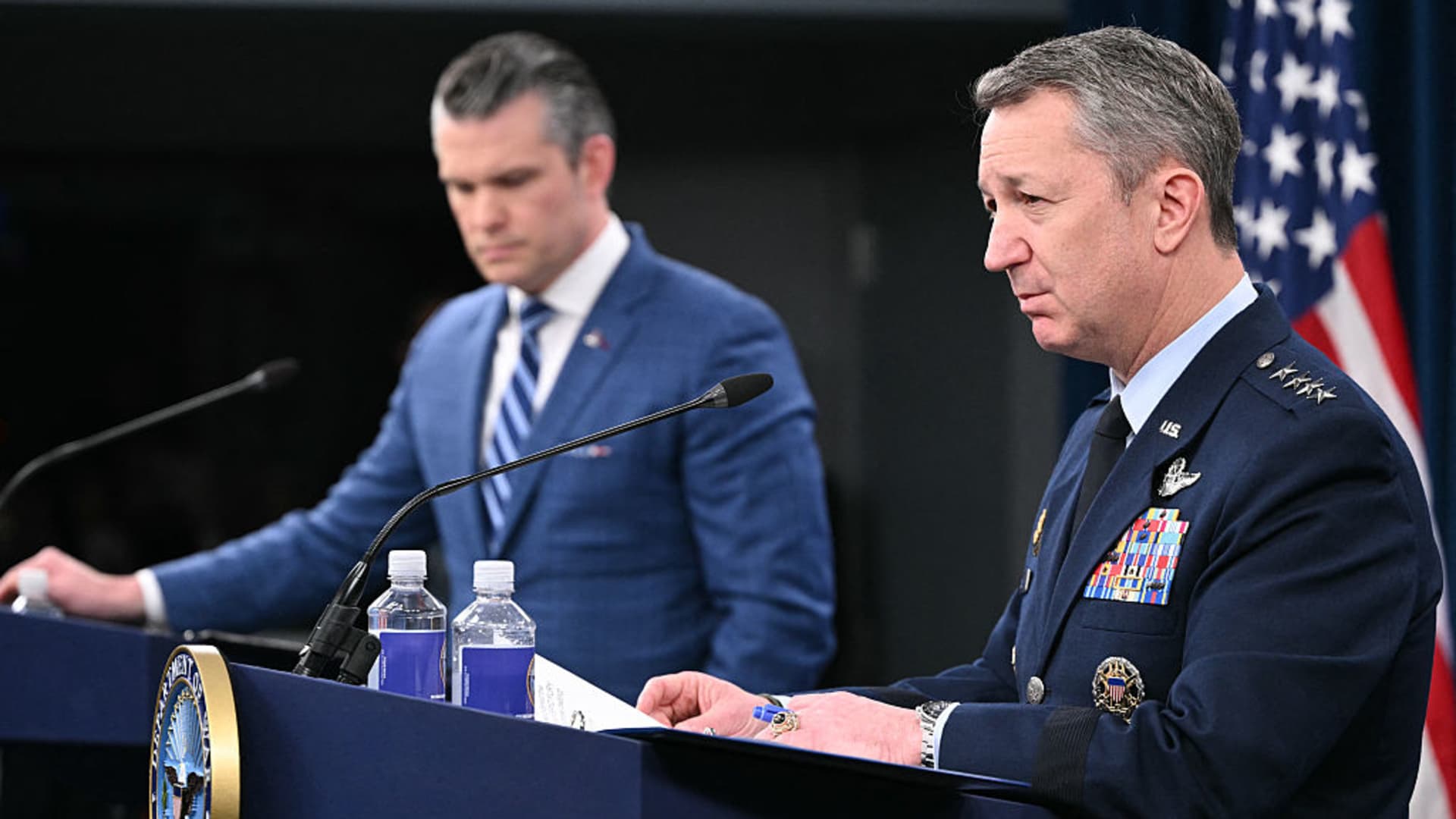
- Traffic Resumption Status: Following the two-week ceasefire agreement between the U.S. and Iran, vessel traffic in the Strait of Hormuz remains sluggish, with only two ships passing through, indicating a significant uncertainty in the market regarding safe navigation despite the ceasefire.
- Iran's Passage Conditions: Iran's stipulation that vessels must coordinate with its armed forces and potentially pay tolls in cryptocurrency adds operational costs for shipping companies, which could lead to fluctuations in oil prices and impact global supply chains.
- Shipping Companies' Response: While shipping giant Maersk welcomed the ceasefire, their statement emphasized limited information available, necessitating a cautious approach to assess potential passage conditions, which may influence their operational strategies in the region.
- Market Impact Analysis: During the week leading up to the ceasefire, approximately 72 vessels transited the strait, marking the highest number since the war began, yet still 90% below normal traffic levels, reflecting a cautious market sentiment regarding future shipping activities.
Iran Establishes Toll Corridor in Strait of Hormuz Amid Shipping Crisis
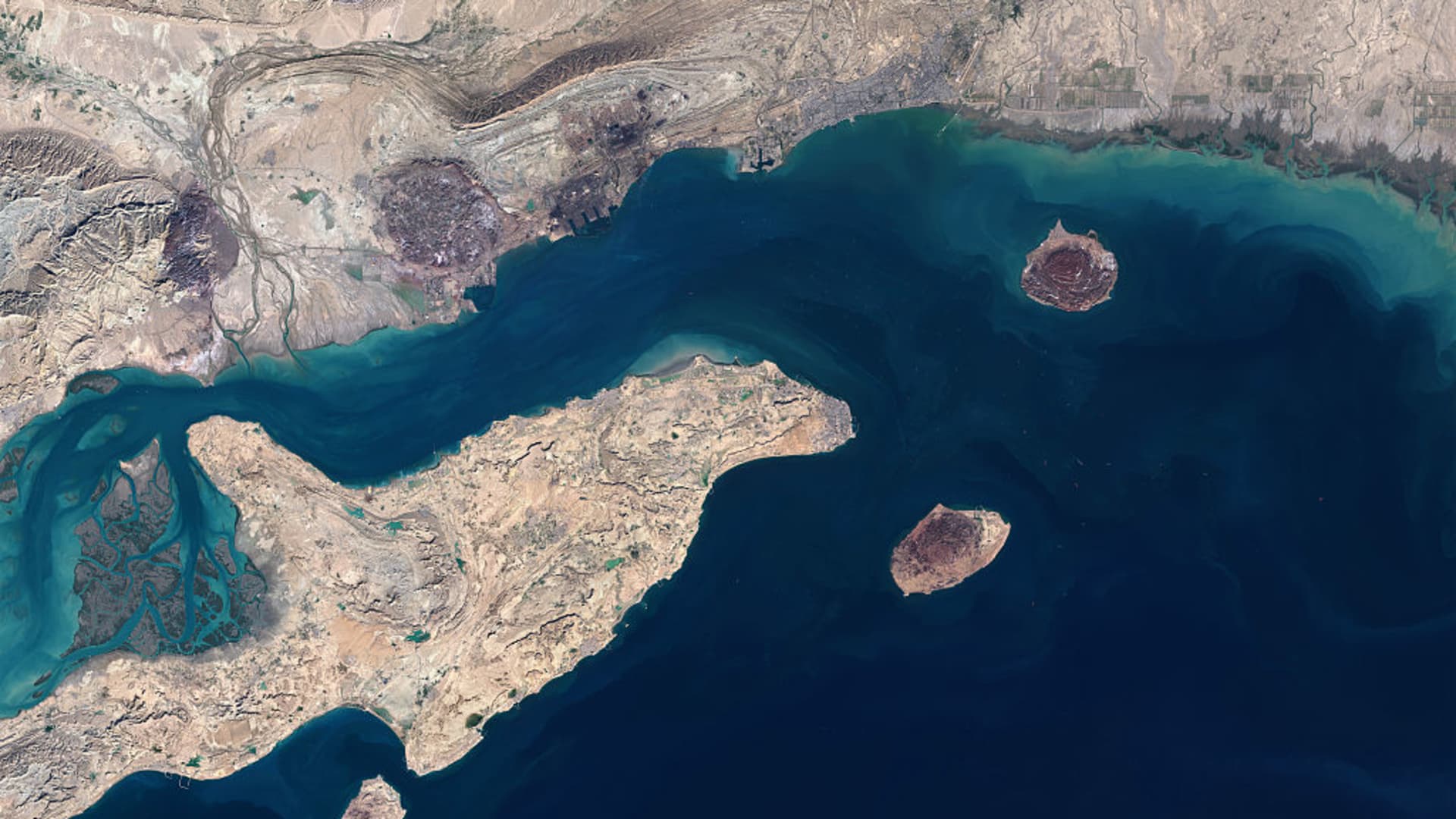
- Shipping Corridor Control: Iran has established a de facto safe shipping corridor near Larak Island in the Strait of Hormuz, resulting in a 90% drop in traffic since February 28, which has caused one of the most severe energy supply shocks globally.
- Toll System Implementation: The Iranian parliament passed a bill to impose fees on vessels transiting the strait, a move that, despite international legal disputes, would institutionalize Tehran's financial control over this critical waterway.
- Selective Passage: All 57 transits recorded since March 13 have taken the Larak detour, indicating strict vetting by the IRGC, which prioritizes vessels from countries with friendly relations, thereby increasing uncertainty in international shipping.
- International Response: While Iran claims the right to charge transit fees, legal experts argue that such unilateral measures may face strong diplomatic and legal challenges under the framework of the United Nations Convention on the Law of the Sea.
On-Demand Access to Precious Metals & Critical Minerals Virtual Investor Conference Presentations
- Conference Content Replay: Presentations from the Precious Metals & Critical Minerals Virtual Investor Conference are now available for on-demand viewing, allowing investors, advisors, and analysts to access content 24/7 for 90 days, thereby enhancing convenience and flexibility in information retrieval.
- One-on-One Meeting Arrangements: Selected companies are accepting requests for one-on-one management meetings, enabling investors to communicate directly with company leadership, which enhances interaction and transparency between investors and companies.
- Resource Download Convenience: Attendees can download investor materials from the company's resource section, which not only provides comprehensive information support for investors but also promotes a deeper understanding of the company's business.
- Advantages of Virtual Conferences: Virtual Investor Conferences offer real-time investor engagement solutions that improve the efficiency of connections between companies and investors, marking a new trend in investor relations management, especially among retail and institutional investors globally.
Tinka Resources to Present at Investor Conference
- Investor Conference Details: Tinka Resources' Executive Chairman Brandon Macdonald will present live at the Precious Metals & Critical Minerals Virtual Investor Conference on May 7, 2026, at 12:30 PM ET, aiming to enhance investor engagement through real-time interaction and Q&A.
- Registration Recommendations: Online investors are advised to pre-register and conduct a system check to expedite participation and receive event updates, ensuring smooth engagement in this significant investor communication event.
- Recent Company Highlights: Tinka upgraded to OTCQX under the symbol TKRFF on March 12, 2026, and closed an oversubscribed C$14.2 million private placement on October 6, 2025, indicating strong market interest in its growth trajectory.
- Project Development Potential: Tinka focuses on base and precious metal projects in Peru, particularly the Ayawilca zinc-silver-tin project, which boasts substantial high-grade mineral resources, while evaluating early development opportunities and exploring new silver zones, showcasing robust growth prospects.
Precious Metals & Critical Minerals Virtual Investor Conference Announced
- Conference Agenda Released: The Precious Metals & Critical Minerals Virtual Investor Conference is set for May 5-7, 2026, attracting individual and institutional investors, which is expected to enhance market attention on the sector due to strong investor interest.
- Ease of Participation: Investors can register for free and attend the conference, with system checks designed to expedite participation and ensure timely updates, thereby increasing engagement and interaction during the event.
- Diverse Company Presentations: The conference will feature multiple companies, including Novo Resources Corp. and Atlas Lithium Corp., providing investors with a wealth of investment opportunities that could further drive capital inflow into the precious metals and critical minerals sectors.
- Enhanced Investor Interaction: The virtual format offers a real-time interactive platform for companies to hold one-on-one meetings with investors, improving the efficiency of investor relations management and facilitating direct communication between companies and potential investors.
Teekay Group to Release Q1 2026 Financial Results
- Earnings Release Schedule: The Teekay Group plans to release its Q1 2026 financial results after market close on May 13, 2026, which is expected to provide investors with critical financial data and operational performance insights.
- Conference Call Announcement: Teekay will host a conference call on May 14, 2026, at 11:00 a.m. (ET) to discuss its Q1 earnings, allowing all shareholders and interested parties to participate via designated phone lines, enhancing transparency and shareholder engagement.
- Webcast Availability: Investors can access the earnings call via a webcast on Teekay's website, with the archive available for one year, ensuring information accessibility and ongoing investor relations maintenance.
- Fleet Size and Services: Teekay Tankers operates a fleet of 34 double-hull tankers, including 15 Suezmax and 18 Aframax/LR2 tankers, showcasing its leadership in international crude oil marine transportation while providing vessel management services for the Australian government and energy companies, further solidifying its market position.
Slow Traffic Resumes in Strait of Hormuz Post Ceasefire
- Traffic Resumption Status: Following the two-week ceasefire agreement between the U.S. and Iran, vessel traffic in the Strait of Hormuz remains sluggish, with only two ships passing through, indicating a significant uncertainty in the market regarding safe navigation despite the ceasefire.
- Iran's Passage Conditions: Iran's stipulation that vessels must coordinate with its armed forces and potentially pay tolls in cryptocurrency adds operational costs for shipping companies, which could lead to fluctuations in oil prices and impact global supply chains.
- Shipping Companies' Response: While shipping giant Maersk welcomed the ceasefire, their statement emphasized limited information available, necessitating a cautious approach to assess potential passage conditions, which may influence their operational strategies in the region.
- Market Impact Analysis: During the week leading up to the ceasefire, approximately 72 vessels transited the strait, marking the highest number since the war began, yet still 90% below normal traffic levels, reflecting a cautious market sentiment regarding future shipping activities.
Iran Establishes Toll Corridor in Strait of Hormuz Amid Shipping Crisis
- Shipping Corridor Control: Iran has established a de facto safe shipping corridor near Larak Island in the Strait of Hormuz, resulting in a 90% drop in traffic since February 28, which has caused one of the most severe energy supply shocks globally.
- Toll System Implementation: The Iranian parliament passed a bill to impose fees on vessels transiting the strait, a move that, despite international legal disputes, would institutionalize Tehran's financial control over this critical waterway.
- Selective Passage: All 57 transits recorded since March 13 have taken the Larak detour, indicating strict vetting by the IRGC, which prioritizes vessels from countries with friendly relations, thereby increasing uncertainty in international shipping.
- International Response: While Iran claims the right to charge transit fees, legal experts argue that such unilateral measures may face strong diplomatic and legal challenges under the framework of the United Nations Convention on the Law of the Sea.