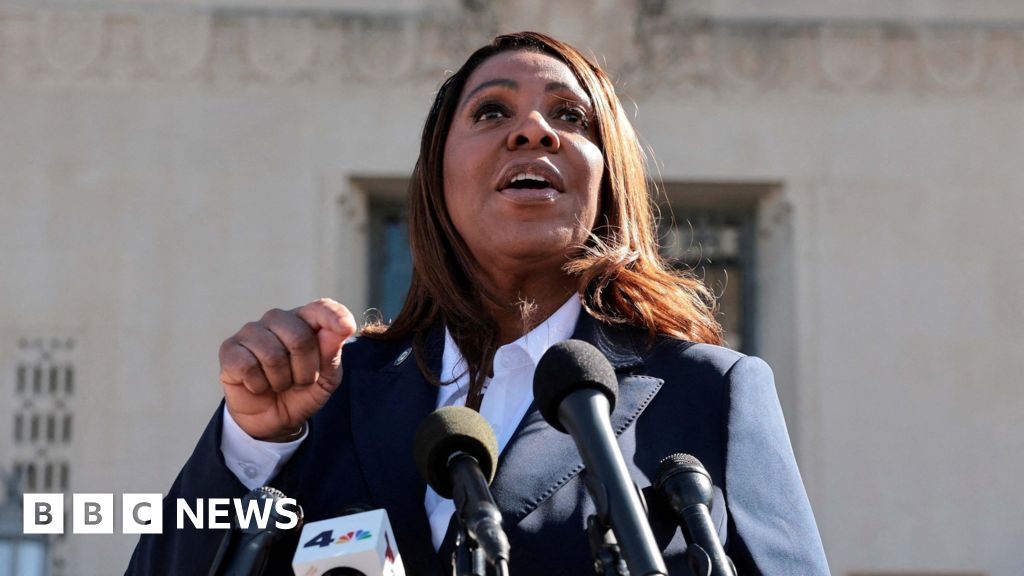
Surging Oil Prices Impact Airline Stocks
Written by Emily J. Thompson, Senior Investment Analyst
Updated: 3 days ago
0mins
Source: Fool
- Surging Oil Prices: Oil prices have surged 36% in the past week due to the Middle East conflict, with Brent crude nearing $93 per barrel, leading to increased operational costs for airlines, particularly with jet fuel prices rising 58% to $3.95 per gallon, directly impacting Southwest Airlines' financial outlook.
- Southwest Stock Decline: Southwest Airlines' stock dropped 6.5% by 2:35 p.m. ET on Friday, reflecting market concerns over rising oil prices and their overall impact on the airline industry, although Southwest primarily operates domestic routes, mitigating some risks.
- United CEO's Warning: United Airlines CEO Scott Kirby warned during a speech at Harvard that rising oil prices will have a
Trade with 70% Backtested Accuracy
Stop guessing "Should I Buy LUV?" and start using high-conviction signals backed by rigorous historical data.
Sign up today to access powerful investing tools and make smarter, data-driven decisions.
Analyst Views on LUV
Wall Street analysts forecast LUV stock price to rise
14 Analyst Rating
4 Buy
9 Hold
1 Sell
Hold
Current: 41.560

Low
34.00
Averages
44.21
High
60.00
Current: 41.560
Low
34.00
Averages
44.21
High
60.00
About LUV
Southwest Airlines Co. (Southwest) operates Southwest Airlines, a passenger airline that provides scheduled air transportation in the United States and near-international markets. The Company's fare products include four categories: Wanna Get Away, Wanna Get Away Plus, Anytime, and Business Select to provide customers options when choosing a fare. It also offers ancillary services, such as EarlyBird Check-In, Upgraded Boarding, and transportation of pets and unaccompanied minors, in accordance with Southwest’s respective policies. Its Rapid Rewards loyalty program enables program members to earn points for every dollar spent on Southwest base fares, also including purchases paid with LUV Vouchers, gift cards, or flight credit, with no portion of the purchase price paid with Rapid Rewards points. It operates over 803 Boeing 737 aircraft in its fleet and serves 117 destinations in 42 states, the District of Columbia, the Commonwealth of Puerto Rico, and ten near-international countries.
About the author

Emily J. Thompson
Emily J. Thompson, a Chartered Financial Analyst (CFA) with 12 years in investment research, graduated with honors from the Wharton School. Specializing in industrial and technology stocks, she provides in-depth analysis for Intellectia’s earnings and market brief reports.
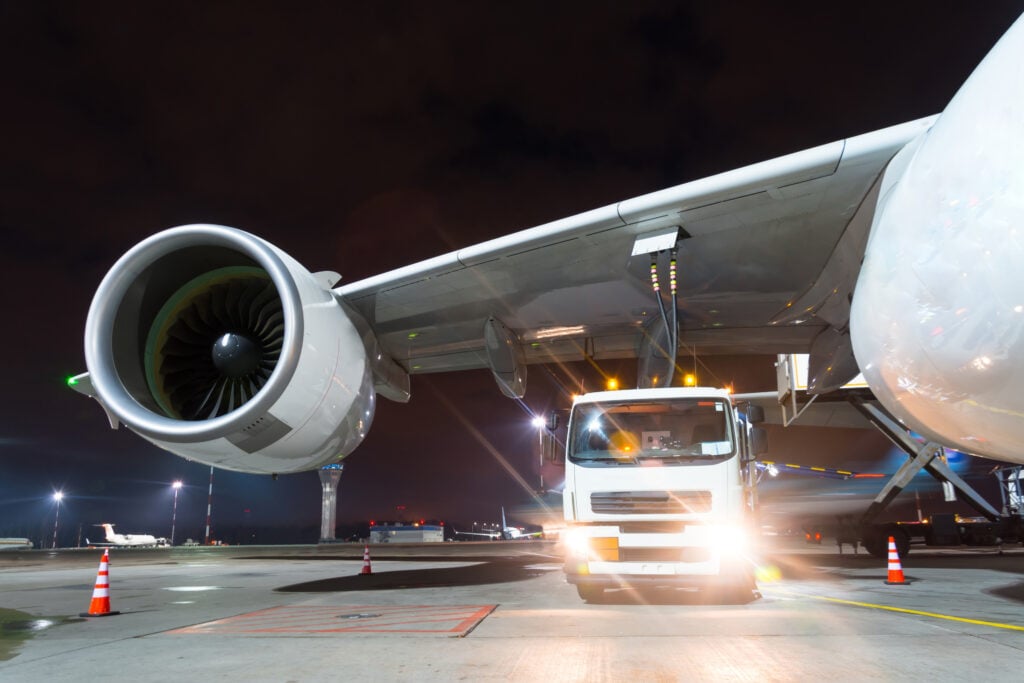
Oil Spike Pressures Airline Stocks


- Oil Price Surge: West Texas Intermediate crude has surged into the $100-per-barrel range due to supply disruptions in the Strait of Hormuz and escalating Middle East conflicts, marking a 60% increase over the past month, which significantly impacts airlines as jet fuel constitutes one of their highest variable costs.
- Rating Downgrade: Rothschild & Co analyst downgraded American Airlines (AAL) from Buy to Neutral and cut the price target from $17 to $12.50, citing limited financial flexibility in a high-cost environment, which exacerbates market concerns regarding airline stocks.
- Earnings Forecast Risks: If oil prices remain above $100, profit forecasts for Delta Air Lines (DAL) and United Airlines (UAL) may need substantial downward revisions, despite Delta's Monroe Energy refinery providing a partial hedge that United lacks, highlighting the vulnerability of these airlines to fuel price fluctuations.
- Investor Sentiment Cautious: The market exhibits cautious sentiment towards the short-term trajectory of airline stocks, with traders likely viewing any strength in major U.S. airline stocks as an opportunity to de-risk rather than a signal to buy, reflecting uncertainty about future profitability.
See More

US Airline Stocks Decline as Crude Oil Prices Rise Over 14%

Airline Shares Decline: Shares of U.S. airlines have dropped significantly, reflecting concerns in the market.
Crude Oil Price Surge: The decline in airline shares coincides with a surge in crude oil prices, which have increased by more than 14%.
See More

Two Most Affected Stocks Since the Start of the Iran War Decline Again, But There’s Reason for Optimism.

- Impact of Rising Oil Prices: Surging oil prices are negatively affecting the stock market, leading to broader economic concerns.
- Travel Industry Struggles: The travel sector is experiencing significant challenges, facing a harder hit compared to other industries due to rising fuel costs.
See More
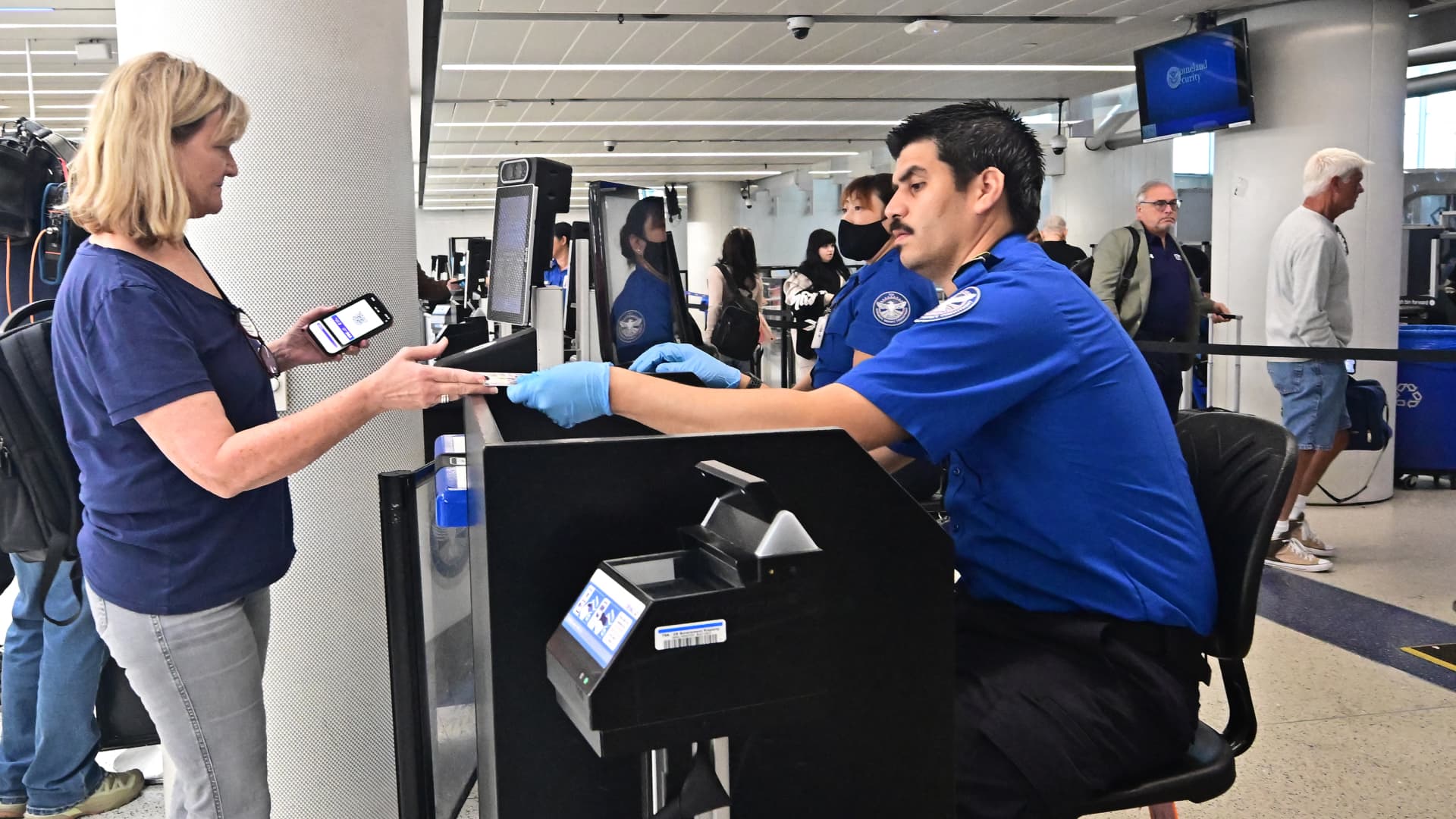
TSA Staffing Shortages Amid Partial Government Shutdown Disrupt Travel
- Extended Security Wait Times: The partial government shutdown has led to TSA staffing shortages, with Houston's William P. Hobby Airport advising travelers to arrive five hours early, as security wait times could exceed three hours, significantly impacting travel during the busy spring break period.
- Flight Cancellations Impact: The U.S. and Israel's military actions against Iran have resulted in thousands of flight cancellations, putting additional pressure on airlines facing rising fuel costs, which are their second-largest expense after labor.
- Industry Response: Airline executives are urging Congress and the administration to act swiftly to end the DHS shutdown, emphasizing the critical importance of the transportation security workforce and the need to avoid using it as a political bargaining chip that could compromise safety and service.
- Historical Lessons: The previous government shutdown from 2018 to 2019 saw TSA personnel shortages leading to checkpoint closures and longer wait times, raising concerns that the current situation could repeat itself, creating uncertainty for the airline industry.
See More
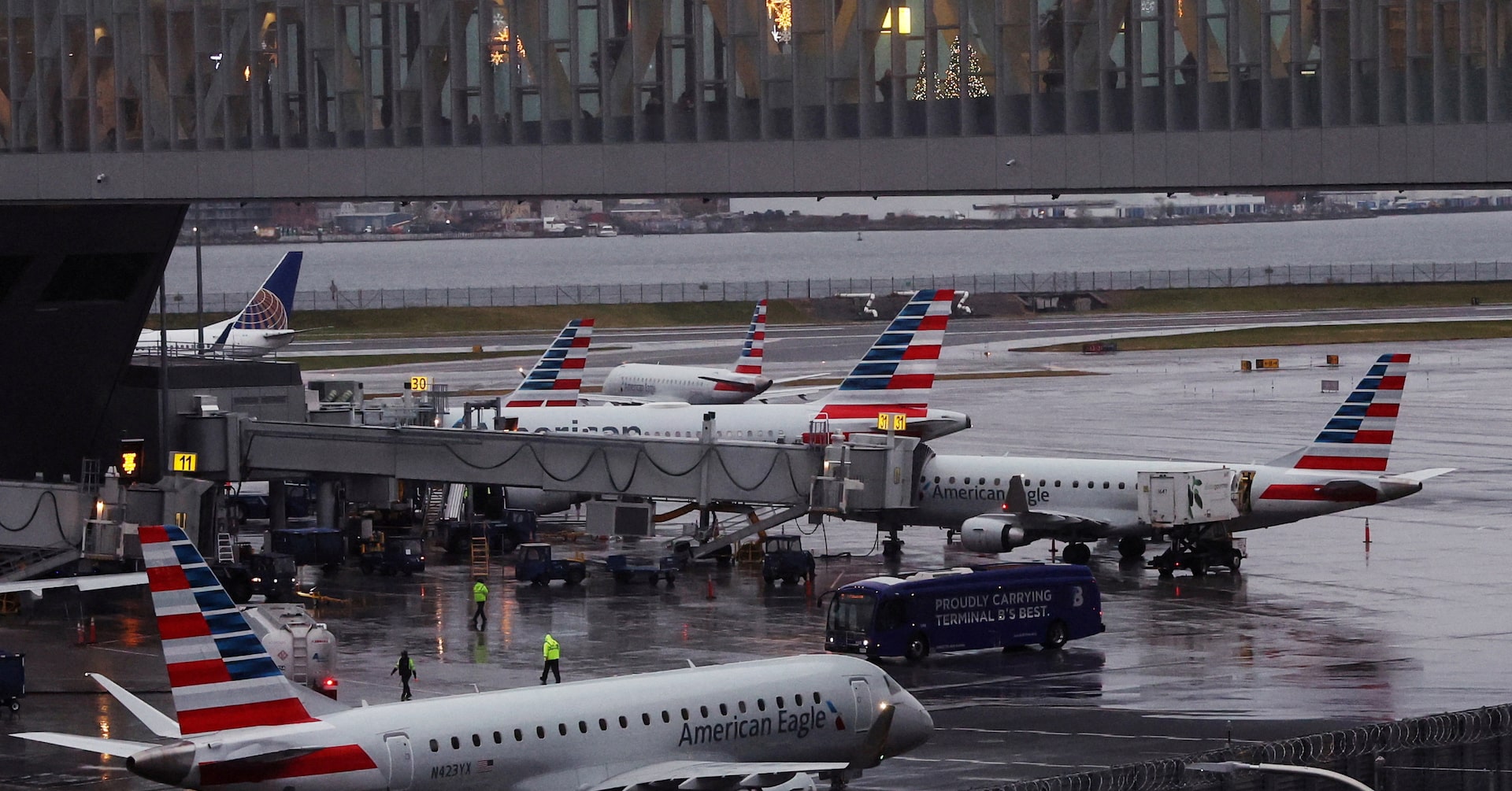
TSA Staffing Shortages Cause Long Lines at U.S. Airports
- Staffing Shortages: TSA staffing shortages have led to hours-long security lines at airports including Houston, Atlanta, and New Orleans, forcing travelers to arrive over three hours early, significantly disrupting travel plans.
- Government Shutdown Impact: The partial government shutdown since mid-February has resulted in TSA officers working without regular paychecks, causing decreased efficiency at security checkpoints during peak travel times.
- Industry Response: Airline executives warn that without urgent resolution to staffing issues, higher airfare could result, further complicating the airline industry's recovery, especially during the busy spring break travel period.
- Political Implications: Airline industry representatives are urging Congress and the administration to act swiftly to end the shutdown, emphasizing the critical role of the transportation security workforce and the need to avoid using them as political leverage, ensuring passenger safety and smooth travel experiences.
See More

Middle East Conflict Deepens Airline Industry Crisis
- Flight Cancellations: The ongoing conflict in the Middle East has led to over 11,000 flight cancellations, affecting more than a million passengers, with major airports like Dubai International and Abu Dhabi International shut down, putting immense operational pressure on airlines.
- Soaring Fuel Costs: Brent crude oil prices have surged by approximately $13 since the conflict began, reaching over $85 per barrel, while U.S. jet fuel prices skyrocketed from $105 to $150 in just five days, with fuel costs accounting for 15% to 25% of flight expenses.
- Declining Airline Stocks: Major airlines have seen significant stock declines, with Southwest Airlines down nearly 13%, Delta Airlines down 15%, American Airlines down 16.7%, and United Airlines plummeting 19.6%, reflecting a pessimistic market outlook for the airline industry.
- Shifting Demand: Although there has been a surge in demand for flights out of the Middle East, once travelers evacuate the region, demand for international flights could drop sharply, exacerbating the challenges airlines face and leaving the future market recovery uncertain.
See More
Oil Spike Pressures Airline Stocks
- Oil Price Surge: West Texas Intermediate crude has surged into the $100-per-barrel range due to supply disruptions in the Strait of Hormuz and escalating Middle East conflicts, marking a 60% increase over the past month, which significantly impacts airlines as jet fuel constitutes one of their highest variable costs.
- Rating Downgrade: Rothschild & Co analyst downgraded American Airlines (AAL) from Buy to Neutral and cut the price target from $17 to $12.50, citing limited financial flexibility in a high-cost environment, which exacerbates market concerns regarding airline stocks.
- Earnings Forecast Risks: If oil prices remain above $100, profit forecasts for Delta Air Lines (DAL) and United Airlines (UAL) may need substantial downward revisions, despite Delta's Monroe Energy refinery providing a partial hedge that United lacks, highlighting the vulnerability of these airlines to fuel price fluctuations.
- Investor Sentiment Cautious: The market exhibits cautious sentiment towards the short-term trajectory of airline stocks, with traders likely viewing any strength in major U.S. airline stocks as an opportunity to de-risk rather than a signal to buy, reflecting uncertainty about future profitability.
See More
US Airline Stocks Decline as Crude Oil Prices Rise Over 14%
Airline Shares Decline: Shares of U.S. airlines have dropped significantly, reflecting concerns in the market.
Crude Oil Price Surge: The decline in airline shares coincides with a surge in crude oil prices, which have increased by more than 14%.
See More
Two Most Affected Stocks Since the Start of the Iran War Decline Again, But There’s Reason for Optimism.
- Impact of Rising Oil Prices: Surging oil prices are negatively affecting the stock market, leading to broader economic concerns.
- Travel Industry Struggles: The travel sector is experiencing significant challenges, facing a harder hit compared to other industries due to rising fuel costs.
See More
TSA Staffing Shortages Amid Partial Government Shutdown Disrupt Travel
- Extended Security Wait Times: The partial government shutdown has led to TSA staffing shortages, with Houston's William P. Hobby Airport advising travelers to arrive five hours early, as security wait times could exceed three hours, significantly impacting travel during the busy spring break period.
- Flight Cancellations Impact: The U.S. and Israel's military actions against Iran have resulted in thousands of flight cancellations, putting additional pressure on airlines facing rising fuel costs, which are their second-largest expense after labor.
- Industry Response: Airline executives are urging Congress and the administration to act swiftly to end the DHS shutdown, emphasizing the critical importance of the transportation security workforce and the need to avoid using it as a political bargaining chip that could compromise safety and service.
- Historical Lessons: The previous government shutdown from 2018 to 2019 saw TSA personnel shortages leading to checkpoint closures and longer wait times, raising concerns that the current situation could repeat itself, creating uncertainty for the airline industry.
See More
TSA Staffing Shortages Cause Long Lines at U.S. Airports
- Staffing Shortages: TSA staffing shortages have led to hours-long security lines at airports including Houston, Atlanta, and New Orleans, forcing travelers to arrive over three hours early, significantly disrupting travel plans.
- Government Shutdown Impact: The partial government shutdown since mid-February has resulted in TSA officers working without regular paychecks, causing decreased efficiency at security checkpoints during peak travel times.
- Industry Response: Airline executives warn that without urgent resolution to staffing issues, higher airfare could result, further complicating the airline industry's recovery, especially during the busy spring break travel period.
- Political Implications: Airline industry representatives are urging Congress and the administration to act swiftly to end the shutdown, emphasizing the critical role of the transportation security workforce and the need to avoid using them as political leverage, ensuring passenger safety and smooth travel experiences.
See More
Middle East Conflict Deepens Airline Industry Crisis
- Flight Cancellations: The ongoing conflict in the Middle East has led to over 11,000 flight cancellations, affecting more than a million passengers, with major airports like Dubai International and Abu Dhabi International shut down, putting immense operational pressure on airlines.
- Soaring Fuel Costs: Brent crude oil prices have surged by approximately $13 since the conflict began, reaching over $85 per barrel, while U.S. jet fuel prices skyrocketed from $105 to $150 in just five days, with fuel costs accounting for 15% to 25% of flight expenses.
- Declining Airline Stocks: Major airlines have seen significant stock declines, with Southwest Airlines down nearly 13%, Delta Airlines down 15%, American Airlines down 16.7%, and United Airlines plummeting 19.6%, reflecting a pessimistic market outlook for the airline industry.
- Shifting Demand: Although there has been a surge in demand for flights out of the Middle East, once travelers evacuate the region, demand for international flights could drop sharply, exacerbating the challenges airlines face and leaving the future market recovery uncertain.
See More