

Spirit Airlines Ceases Operations, Ending 30-Year Run
Written by Emily J. Thompson, Senior Investment Analyst
Updated: May 02 2026
0mins
Source: CNBC
- Shutdown Announcement: Spirit Airlines announced its cessation of operations on May 2, ending a 34-year run of low-cost air travel, resulting in over 17,000 job losses, highlighting the dual pressures of intensified competition and rising costs in the airline industry.
- Final Flights: On its last operational day, Spirit transported over 50,000 passengers despite facing a cash flow crisis and an unfulfilled $500 million bailout proposal, demonstrating the urgency of its operations and strong customer demand.
- Market Share and Competition: With approximately 4% market share in the U.S., Spirit struggled to remain profitable due to fierce competition from larger rivals like Delta and American Airlines, alongside its own cost structure issues, reflecting the survival challenges faced by low-cost carriers.
- Industry Impact: The collapse of Spirit Airlines not only affected its customers and employees but also prompted other airlines like United and JetBlue to adjust fares to assist stranded passengers, illustrating the interdependence and dynamics within the airline industry.
Trade with 70% Backtested Accuracy
Stop guessing "Should I Buy AAL?" and start using high-conviction signals backed by rigorous historical data.
Sign up today to access powerful investing tools and make smarter, data-driven decisions.
Analyst Views on AAL
Wall Street analysts forecast AAL stock price to rise
15 Analyst Rating
7 Buy
7 Hold
1 Sell
Moderate Buy
Current: 15.990

Low
11.00
Averages
17.93
High
22.00
Current: 15.990
Low
11.00
Averages
17.93
High
22.00
About AAL
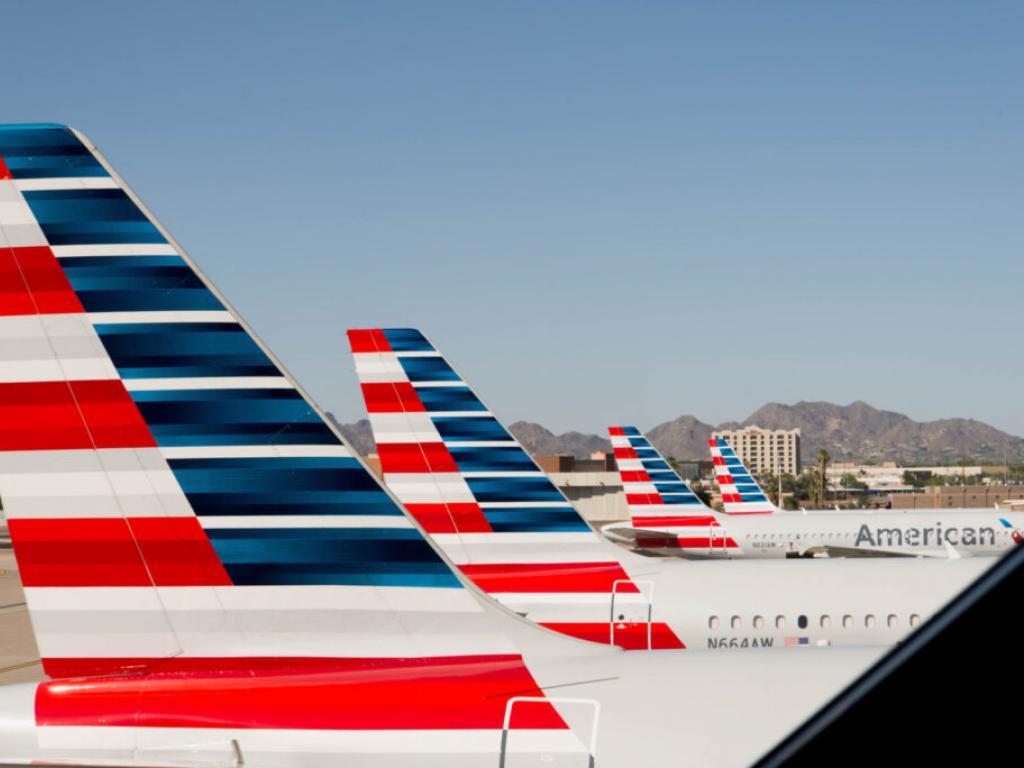
American Airlines Group Inc. is a holding company. Its primary business activity is the operation of a major network air carrier, providing scheduled air transportation for passengers and cargo through its hubs in Charlotte, Chicago, Dallas/Fort Worth, Los Angeles, Miami, New York, Philadelphia, Phoenix and Washington, D.C. and partner gateways, including in London, Doha, Madrid, Seattle/Tacoma, Sydney and Tokyo, among others. Together with its regional airline subsidiaries and third-party regional carriers operating as American Eagle. Its cargo division provides a wide range of freight and mail services, with facilities and interline connections available across the globe. It operates approximately 977 mainline aircraft supported by its regional airline subsidiaries and third-party regional carriers, which together operate an additional 585 regional aircraft. Its subsidiaries include American Airlines, Inc., Envoy Aviation Group Inc., PSA Airlines, Inc. and Piedmont Airlines, Inc.
About the author

Emily J. Thompson
Emily J. Thompson, a Chartered Financial Analyst (CFA) with 12 years in investment research, graduated with honors from the Wharton School. Specializing in industrial and technology stocks, she provides in-depth analysis for Intellectia’s earnings and market brief reports.
Airlines Likely to Maintain High Fares Despite Fuel Price Drop

- Fuel Price Decline: With fuel prices down 18% over the past week, airlines may continue to maintain high fares by leveraging tight capacity to enhance profit margins, despite travelers hoping for lower prices.
- Profit Outlook Under Pressure: Airlines are projected to see profits cut by nearly half by 2026 due to high fuel prices driven by Middle Eastern conflicts, although they are mitigating this through fare increases and added fees.
- Industry Savings Potential: The airline industry could save $40 billion if lower fuel prices persist, but airlines may not pass these savings onto consumers immediately, aiming to recoup lost earnings and buffer against future fuel shocks.
- Demand Elasticity Impact: Despite a 27% fare increase in May, domestic travel fares are highly elastic, meaning prolonged high prices could weaken demand and compel airlines to lower fares to remain competitive.
See More

Airlines Stand to Save Billions as Fuel Prices Drop

- Fuel Cost Reduction: Following an interim U.S.-Iran peace deal, airlines are poised to save over $40 billion annually on fuel costs, although passengers may not see immediate fare reductions as airlines leverage lower fuel expenses to rebuild margins.
- Fare and Fuel Cost Discrepancy: Despite airlines raising ticket prices to counteract rising fuel costs, data indicates that fuel prices surged three times faster than airfares from January to May, resulting in airlines recovering only about 60% of additional fuel expenditures.
- Uneven Market Response: Outside the U.S., fare relief is likely to be uneven, with airlines potentially maintaining firm fares where demand allows, particularly on short-haul routes, while long-haul fares may see some decline due to better pass-through of fuel costs.
- Uncertain Future Outlook: Whether airlines can sustain recent fare increases as fuel prices ease remains a critical question, with industry analysts noting that the strength of consumer demand will directly impact fare stability.
See More

Decline of Low-Cost Airline Options in the U.S.


- Market Shift: The exit of Spirit Airlines has reduced low-cost flight options, forcing consumers to face higher fares during the busy summer travel season, which may adversely affect families and budget travelers.
- Premium Market Growth: Delta Air Lines reported a record annual revenue of $58.3 billion for 2025, despite a $1.1 billion drop in economy ticket sales, with 60% of revenue now coming from premium cabins and loyalty programs, indicating a shift in consumer preference towards higher-end services.
- Fuel Cost Pressure: U.S. carriers spent 56.4% more on jet fuel in March 2026 compared to February, totaling $5.06 billion, which compels airlines to raise fares to cope with rising costs, significantly impacting smaller carriers.
- Future of Low-Cost Carriers: While new entrants like Breeze Airways aim to fill the void left by Spirit, high fuel costs and competitive pressures pose challenges to the profitability of low-cost airlines, leaving their future growth uncertain.
See More
US Stocks Rise on US-Iran Peace Deal Optimism

- Market Rally: The S&P 500 rose 1.08%, the Dow Jones increased by 0.14%, and the Nasdaq 100 surged 2.48% as optimism over the US-Iran peace deal eased inflation risks, reflecting a positive market sentiment.
- Chip Sector Surge: Intel's stock jumped over 10% after President Trump announced a partnership with Apple to design and produce semiconductors domestically, leading the iShares Semiconductor ETF to rise more than 7%, indicating strong momentum in the tech sector.
- Energy Stocks Weaken: WTI crude oil prices fell to a 3.5-month low, causing significant declines in energy stocks, with SLB, ConocoPhillips, and Halliburton dropping over 3%, highlighting concerns over energy price volatility.
- Supportive Economic Data: Initial jobless claims fell to 226,000, close to the expected 225,000, indicating labor market strength, while the Philadelphia Fed business outlook index rose to 10.3, surpassing expectations, further boosting investor confidence.
See More
US Stocks Surge as Geopolitical Risks Ease
- Market Rebound: The signing of a preliminary deal by President Trump to end the US-Iran war has driven crude oil prices to a 3.5-month low, resulting in a broad market rally with the S&P 500 up 0.99% and the Nasdaq 100 up 2.16%, indicating a resurgence in risk appetite among investors.
- Chip Stocks Lead Gains: Intel shares surged 7% after Trump announced a partnership with Apple to design and produce semiconductors domestically, propelling the entire semiconductor sector higher, with the iShares Semiconductor ETF rising over 5%, reflecting strong investor confidence in tech stocks.
- Energy Stocks Under Pressure: Crude oil prices fell more than 3%, putting pressure on energy producers, with major companies like ExxonMobil and Chevron experiencing declines, highlighting market concerns regarding the energy sector's outlook amid falling oil prices.
- Supportive Economic Data: Initial jobless claims in the US fell to 226,000, close to the expected 225,000, indicating labor market resilience, while the Philadelphia Fed business outlook index rose to 10.3, exceeding expectations, further bolstering market optimism.
See More

Enphase Energy Shares Surge Following Production Announcement

- Enphase Energy Surge: Enphase Energy's shares jumped 10% after announcing the commencement of production shipments for its IQ9S microinverters, indicating strong growth potential in the global energy technology sector.
- AI-Related Stocks Rally: Stocks tied to artificial intelligence and data center infrastructure saw significant gains, with Corning up 7% and Credo Technology rising 5%, reflecting ongoing investor optimism in AI technologies.
- Kroger Earnings Miss: Kroger reported first-quarter earnings of $1.58 per share, slightly below analysts' expectations of $1.59, resulting in a more than 6% drop in stock price, despite revenue of $46.12 billion exceeding forecasts.
- Smith & Wesson Performance: Smith & Wesson's stock surged approximately 20% after reporting earnings and revenue beats, with handgun sales increasing 23% year-over-year, highlighting strong demand in the firearms market.
See More
Airlines Likely to Maintain High Fares Despite Fuel Price Drop
- Fuel Price Decline: With fuel prices down 18% over the past week, airlines may continue to maintain high fares by leveraging tight capacity to enhance profit margins, despite travelers hoping for lower prices.
- Profit Outlook Under Pressure: Airlines are projected to see profits cut by nearly half by 2026 due to high fuel prices driven by Middle Eastern conflicts, although they are mitigating this through fare increases and added fees.
- Industry Savings Potential: The airline industry could save $40 billion if lower fuel prices persist, but airlines may not pass these savings onto consumers immediately, aiming to recoup lost earnings and buffer against future fuel shocks.
- Demand Elasticity Impact: Despite a 27% fare increase in May, domestic travel fares are highly elastic, meaning prolonged high prices could weaken demand and compel airlines to lower fares to remain competitive.
See More
Airlines Stand to Save Billions as Fuel Prices Drop
- Fuel Cost Reduction: Following an interim U.S.-Iran peace deal, airlines are poised to save over $40 billion annually on fuel costs, although passengers may not see immediate fare reductions as airlines leverage lower fuel expenses to rebuild margins.
- Fare and Fuel Cost Discrepancy: Despite airlines raising ticket prices to counteract rising fuel costs, data indicates that fuel prices surged three times faster than airfares from January to May, resulting in airlines recovering only about 60% of additional fuel expenditures.
- Uneven Market Response: Outside the U.S., fare relief is likely to be uneven, with airlines potentially maintaining firm fares where demand allows, particularly on short-haul routes, while long-haul fares may see some decline due to better pass-through of fuel costs.
- Uncertain Future Outlook: Whether airlines can sustain recent fare increases as fuel prices ease remains a critical question, with industry analysts noting that the strength of consumer demand will directly impact fare stability.
See More
Decline of Low-Cost Airline Options in the U.S.
- Market Shift: The exit of Spirit Airlines has reduced low-cost flight options, forcing consumers to face higher fares during the busy summer travel season, which may adversely affect families and budget travelers.
- Premium Market Growth: Delta Air Lines reported a record annual revenue of $58.3 billion for 2025, despite a $1.1 billion drop in economy ticket sales, with 60% of revenue now coming from premium cabins and loyalty programs, indicating a shift in consumer preference towards higher-end services.
- Fuel Cost Pressure: U.S. carriers spent 56.4% more on jet fuel in March 2026 compared to February, totaling $5.06 billion, which compels airlines to raise fares to cope with rising costs, significantly impacting smaller carriers.
- Future of Low-Cost Carriers: While new entrants like Breeze Airways aim to fill the void left by Spirit, high fuel costs and competitive pressures pose challenges to the profitability of low-cost airlines, leaving their future growth uncertain.
See More
US Stocks Rise on US-Iran Peace Deal Optimism
- Market Rally: The S&P 500 rose 1.08%, the Dow Jones increased by 0.14%, and the Nasdaq 100 surged 2.48% as optimism over the US-Iran peace deal eased inflation risks, reflecting a positive market sentiment.
- Chip Sector Surge: Intel's stock jumped over 10% after President Trump announced a partnership with Apple to design and produce semiconductors domestically, leading the iShares Semiconductor ETF to rise more than 7%, indicating strong momentum in the tech sector.
- Energy Stocks Weaken: WTI crude oil prices fell to a 3.5-month low, causing significant declines in energy stocks, with SLB, ConocoPhillips, and Halliburton dropping over 3%, highlighting concerns over energy price volatility.
- Supportive Economic Data: Initial jobless claims fell to 226,000, close to the expected 225,000, indicating labor market strength, while the Philadelphia Fed business outlook index rose to 10.3, surpassing expectations, further boosting investor confidence.
See More
US Stocks Surge as Geopolitical Risks Ease
- Market Rebound: The signing of a preliminary deal by President Trump to end the US-Iran war has driven crude oil prices to a 3.5-month low, resulting in a broad market rally with the S&P 500 up 0.99% and the Nasdaq 100 up 2.16%, indicating a resurgence in risk appetite among investors.
- Chip Stocks Lead Gains: Intel shares surged 7% after Trump announced a partnership with Apple to design and produce semiconductors domestically, propelling the entire semiconductor sector higher, with the iShares Semiconductor ETF rising over 5%, reflecting strong investor confidence in tech stocks.
- Energy Stocks Under Pressure: Crude oil prices fell more than 3%, putting pressure on energy producers, with major companies like ExxonMobil and Chevron experiencing declines, highlighting market concerns regarding the energy sector's outlook amid falling oil prices.
- Supportive Economic Data: Initial jobless claims in the US fell to 226,000, close to the expected 225,000, indicating labor market resilience, while the Philadelphia Fed business outlook index rose to 10.3, exceeding expectations, further bolstering market optimism.
See More
Enphase Energy Shares Surge Following Production Announcement
- Enphase Energy Surge: Enphase Energy's shares jumped 10% after announcing the commencement of production shipments for its IQ9S microinverters, indicating strong growth potential in the global energy technology sector.
- AI-Related Stocks Rally: Stocks tied to artificial intelligence and data center infrastructure saw significant gains, with Corning up 7% and Credo Technology rising 5%, reflecting ongoing investor optimism in AI technologies.
- Kroger Earnings Miss: Kroger reported first-quarter earnings of $1.58 per share, slightly below analysts' expectations of $1.59, resulting in a more than 6% drop in stock price, despite revenue of $46.12 billion exceeding forecasts.
- Smith & Wesson Performance: Smith & Wesson's stock surged approximately 20% after reporting earnings and revenue beats, with handgun sales increasing 23% year-over-year, highlighting strong demand in the firearms market.
See More




