Spirit Airlines Ceases Operations, 17,000 Employees Laid Off
Written by Emily J. Thompson, Senior Investment Analyst
Updated: May 02 2026
0mins
Source: Newsfilter
- Operational Shutdown: Spirit Airlines officially ceased operations at 3 a.m. Saturday, marking the end of its three-decade service providing discount air travel across the U.S. and parts of the Caribbean and Latin America, resulting in over 17,000 employees losing their jobs and significantly impacting their families and communities.
- Failed Government Bailout: After last-minute negotiations with the Trump administration fell through, Spirit failed to secure a bailout of up to $500 million, leading bondholders to reject the proposal and exacerbating the airline's financial crisis.
- Market Share and Competitive Pressure: Despite holding approximately 4% of the U.S. market share, Spirit faced intense competition from larger rivals like Delta, United, and American Airlines, compounded by its own low-fare strategy and rising costs, resulting in continuous losses over the past few years.
- Employee Support Requests: The airline's employee union has urged the federal government to provide a $600 weekly unemployment supplement to assist laid-off pilots and flight attendants, emphasizing that standard unemployment coverage does not replace full wages and that enhanced support is crucial for stabilizing households.
Trade with 70% Backtested Accuracy
Stop guessing "Should I Buy AAL?" and start using high-conviction signals backed by rigorous historical data.
Sign up today to access powerful investing tools and make smarter, data-driven decisions.
Analyst Views on AAL
Wall Street analysts forecast AAL stock price to rise
15 Analyst Rating
7 Buy
7 Hold
1 Sell
Moderate Buy
Current: 14.640

Low
11.00
Averages
17.93
High
22.00
Current: 14.640
Low
11.00
Averages
17.93
High
22.00
About AAL
American Airlines Group Inc. is a holding company. Its primary business activity is the operation of a major network air carrier, providing scheduled air transportation for passengers and cargo through its hubs in Charlotte, Chicago, Dallas/Fort Worth, Los Angeles, Miami, New York, Philadelphia, Phoenix and Washington, D.C. and partner gateways, including in London, Doha, Madrid, Seattle/Tacoma, Sydney and Tokyo, among others. Together with its regional airline subsidiaries and third-party regional carriers operating as American Eagle. Its cargo division provides a wide range of freight and mail services, with facilities and interline connections available across the globe. It operates approximately 977 mainline aircraft supported by its regional airline subsidiaries and third-party regional carriers, which together operate an additional 585 regional aircraft. Its subsidiaries include American Airlines, Inc., Envoy Aviation Group Inc., PSA Airlines, Inc. and Piedmont Airlines, Inc.
About the author

Emily J. Thompson
Emily J. Thompson, a Chartered Financial Analyst (CFA) with 12 years in investment research, graduated with honors from the Wharton School. Specializing in industrial and technology stocks, she provides in-depth analysis for Intellectia’s earnings and market brief reports.

Andrew Left Convicted of Stock Manipulation Charges


- Stock Manipulation Conviction: A Los Angeles jury found Andrew Left guilty on 13 counts of stock manipulation between 2018 and 2023, highlighting the severity of his actions in leveraging social media influence for market manipulation, which could result in millions in fines and restitution.
- Profit Details: Prosecutors revealed that Left earned over $20 million by making bold stock calls on social media while secretly executing opposite trades, raising concerns about market fairness and increasing scrutiny on short sellers from regulators.
- Citron Research's Response: Following the conviction, Citron Research expressed dissatisfaction with the jury's ruling, arguing that the case could deter honest commentary from investors and market analysts, and pledged to continue fighting for free speech, indicating a commitment to ongoing legal battles.
- Impact of GameStop Incident: Left's bearish stance on GameStop in 2021 sparked significant retail trading activity; despite the conviction potentially tarnishing his reputation, he plans to short GameStop again in 2024, demonstrating his ongoing engagement with market dynamics.
See More

American Airlines to Install Starlink Internet on 500 Aircraft

- Internet Service Upgrade: American Airlines plans to install Starlink internet service on over 500 narrow-body aircraft starting in early 2027, aiming to enhance customer experience and address competitive pressures, despite its stock having dropped 37% over the past five years.
- Intensifying Market Competition: With United Airlines already equipping over 300 planes with Starlink and other airlines like Southwest and Alaska Air Group quickly following suit, those airlines that can deploy this technology the fastest will gain a significant competitive edge.
- Customer Experience Improvement: While good internet service won't solve all of American Airlines' issues, this upgrade could help attract higher-paying customers as consumers become increasingly sensitive to passenger experience, thereby enhancing customer loyalty.
- Need for Strategic Transformation: Although the introduction of Starlink is a significant step towards modernization, analysts believe it is not enough to bring American Airlines on par with competitors like Delta and United, indicating that the company must invest further in technology to keep pace with consumer demands.
See More
American Airlines to Adopt Starlink for Enhanced In-Flight Internet Service
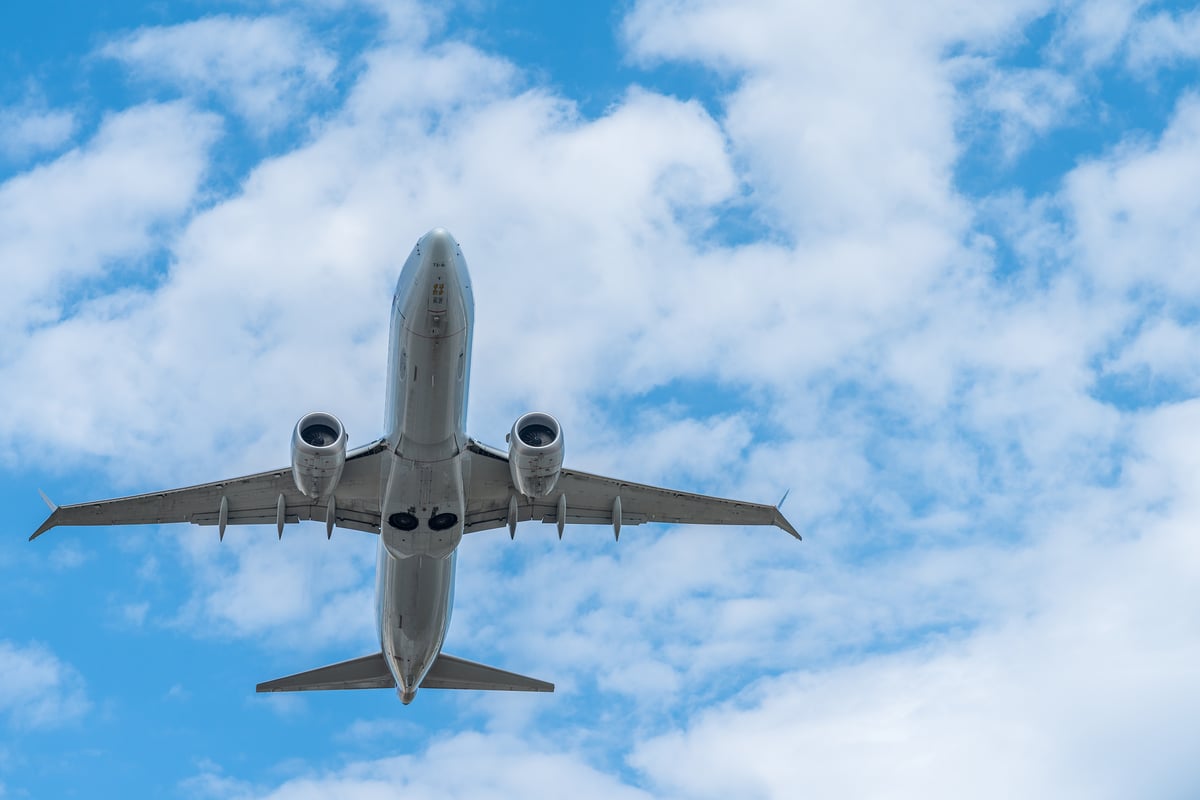
- Service Upgrade: American Airlines plans to install Starlink internet service on over 500 aircraft starting in early 2027, aiming to enhance customer experience and address consumer demand for faster internet, thereby boosting its competitive position.
- Market Competitive Edge: With American Airlines adopting Starlink, competitors like United Airlines already have over 300 planes equipped with the service, and the rapid rollout will provide American with a significant competitive advantage, especially in customer choice.
- Stock Price Context: Over the past five years, American Airlines' stock has dropped more than 37%, and while the introduction of Starlink won't solve all issues, improving internet service could enhance passenger satisfaction and potentially impact company performance positively.
- Initial Strategic Shift: This technological upgrade is seen as an important step for American Airlines in enhancing customer loyalty and attracting higher-paying customers, although further investment is needed to keep pace with industry modernization.
See More

Immigration Processing Proposal Raises Airline Industry Concerns

- Policy Impact Warning: Homeland Security Secretary Markwayne Mullin stated on Fox News that if 'radical left Democrats' do not allow the government to enforce federal laws, international flights should not be processed, potentially posing significant challenges to the airline industry.
- Industry Opposition: Major airline, hotel, and tourism groups warned that cutting immigration and customs processing at U.S. airports would have a 'devastating' impact on the industry and travelers, particularly at Newark Liberty International Airport, a hub for United Airlines.
- Passenger Impact Analysis: Airlines for America noted that the majority of the 20,000 international passengers at Newark are U.S. citizens, and reducing Customs services could disproportionately affect heartland America, potentially causing widespread chaos.
- Policy Context and Timing: Mullin mentioned that the Trump administration is considering cutting immigration processing for international flights in 'sanctuary cities,' likely to pressure local leaders to crack down on undocumented immigrants, coinciding with the upcoming FIFA World Cup, which could disrupt travel for millions.
See More
US-Iran Conflict Escalates, Oil Prices Surge Amid Economic Uncertainty


- Escalation of US-Iran Conflict: Following weeks of paused action, the US and Iran have resumed airstrikes, complicating hopes for a permanent resolution to the conflict, which is impacting global oil supplies and market sentiment.
- Strong Stock Market Performance: Despite rising geopolitical tensions, both the S&P 500 and Nasdaq Composite closed at record highs, primarily driven by a surge in AI-related stocks, indicating strong market confidence in the technology sector.
- Oil Price Warning: ExxonMobil has warned that oil inventories are on track to reach dangerously low levels in the coming weeks, forcing prices to spike and curbing demand, reflecting market concerns over energy supply.
- Wealthy Investors Pulling Out: According to the UBS Global Family Office Report, 60% of family offices plan to adjust their investment allocations in the next year, with many reducing US holdings and increasing exposure to emerging markets, highlighting a growing trend of 'de-dollarization'.
See More
Trump's Plan Could Devastate U.S. Travel Industry
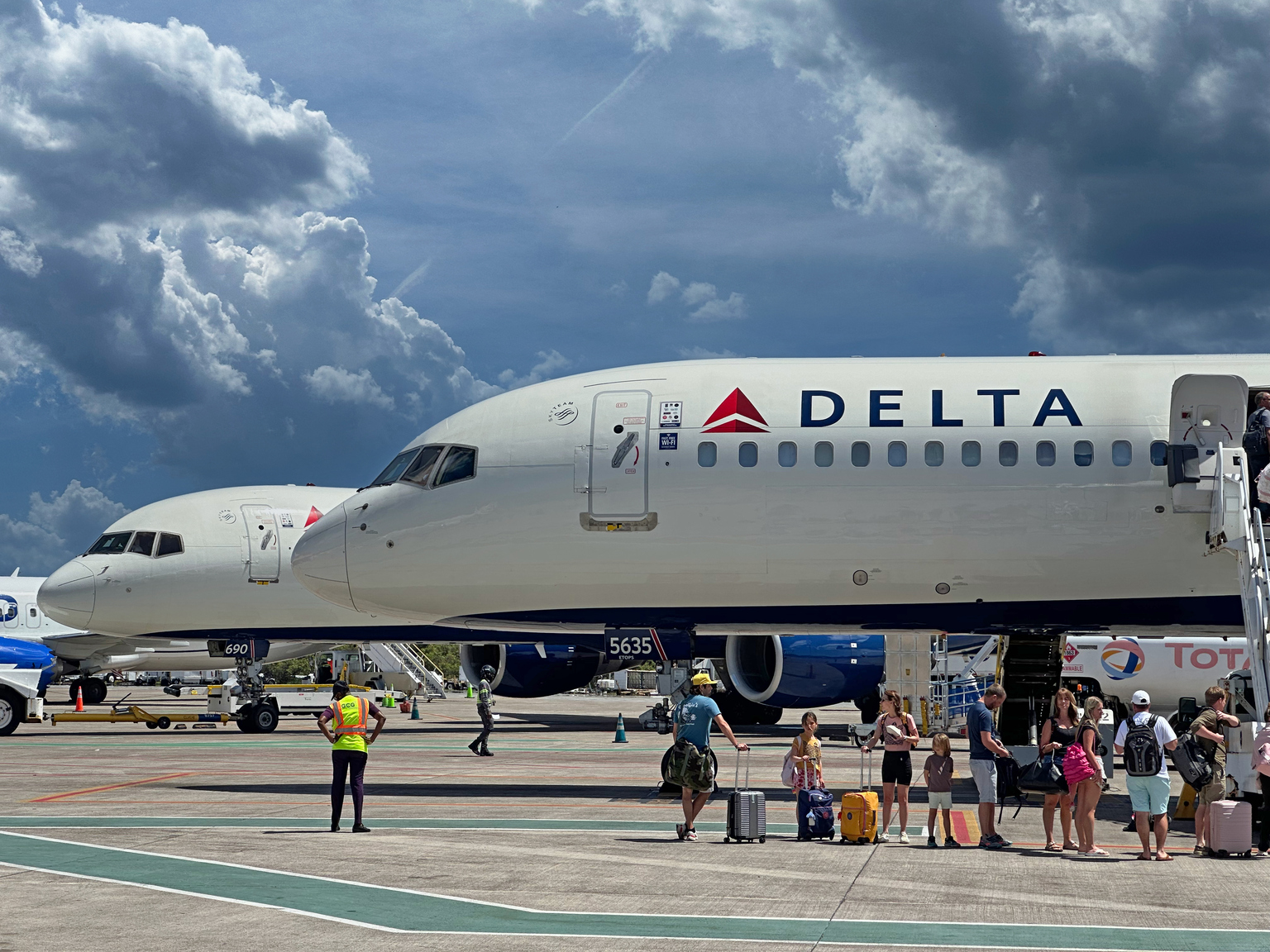
- International Travel Warning: Airlines and hotel groups are warning that the Trump administration's plan to shut down international travel to U.S. 'sanctuary' cities, particularly New York and Los Angeles, could severely damage the American travel industry.
- Policy Impact: Homeland Security Secretary Markwayne Mullin mentioned in an interview that his department is considering pulling Customs and Border Protection (CBP) agents from airports in these cities, potentially affecting cities like New York, Philadelphia, and Boston.
- Industry Response: The U.S. Travel Association confirmed that such a move would have 'devastating consequences for the travel industry and communities that depend on international visitation,' as discussed in a recent meeting with Mullin.
- Operational Disruption Risk: Airlines for America warned that reducing staffing at major airports would significantly disrupt operations for airlines, travelers, and the flow of international cargo, highlighting the critical nature of CBP personnel in maintaining travel efficiency.
See More
Andrew Left Convicted of Stock Manipulation Charges
- Stock Manipulation Conviction: A Los Angeles jury found Andrew Left guilty on 13 counts of stock manipulation between 2018 and 2023, highlighting the severity of his actions in leveraging social media influence for market manipulation, which could result in millions in fines and restitution.
- Profit Details: Prosecutors revealed that Left earned over $20 million by making bold stock calls on social media while secretly executing opposite trades, raising concerns about market fairness and increasing scrutiny on short sellers from regulators.
- Citron Research's Response: Following the conviction, Citron Research expressed dissatisfaction with the jury's ruling, arguing that the case could deter honest commentary from investors and market analysts, and pledged to continue fighting for free speech, indicating a commitment to ongoing legal battles.
- Impact of GameStop Incident: Left's bearish stance on GameStop in 2021 sparked significant retail trading activity; despite the conviction potentially tarnishing his reputation, he plans to short GameStop again in 2024, demonstrating his ongoing engagement with market dynamics.
See More
American Airlines to Install Starlink Internet on 500 Aircraft
- Internet Service Upgrade: American Airlines plans to install Starlink internet service on over 500 narrow-body aircraft starting in early 2027, aiming to enhance customer experience and address competitive pressures, despite its stock having dropped 37% over the past five years.
- Intensifying Market Competition: With United Airlines already equipping over 300 planes with Starlink and other airlines like Southwest and Alaska Air Group quickly following suit, those airlines that can deploy this technology the fastest will gain a significant competitive edge.
- Customer Experience Improvement: While good internet service won't solve all of American Airlines' issues, this upgrade could help attract higher-paying customers as consumers become increasingly sensitive to passenger experience, thereby enhancing customer loyalty.
- Need for Strategic Transformation: Although the introduction of Starlink is a significant step towards modernization, analysts believe it is not enough to bring American Airlines on par with competitors like Delta and United, indicating that the company must invest further in technology to keep pace with consumer demands.
See More
American Airlines to Adopt Starlink for Enhanced In-Flight Internet Service
- Service Upgrade: American Airlines plans to install Starlink internet service on over 500 aircraft starting in early 2027, aiming to enhance customer experience and address consumer demand for faster internet, thereby boosting its competitive position.
- Market Competitive Edge: With American Airlines adopting Starlink, competitors like United Airlines already have over 300 planes equipped with the service, and the rapid rollout will provide American with a significant competitive advantage, especially in customer choice.
- Stock Price Context: Over the past five years, American Airlines' stock has dropped more than 37%, and while the introduction of Starlink won't solve all issues, improving internet service could enhance passenger satisfaction and potentially impact company performance positively.
- Initial Strategic Shift: This technological upgrade is seen as an important step for American Airlines in enhancing customer loyalty and attracting higher-paying customers, although further investment is needed to keep pace with industry modernization.
See More
Immigration Processing Proposal Raises Airline Industry Concerns
- Policy Impact Warning: Homeland Security Secretary Markwayne Mullin stated on Fox News that if 'radical left Democrats' do not allow the government to enforce federal laws, international flights should not be processed, potentially posing significant challenges to the airline industry.
- Industry Opposition: Major airline, hotel, and tourism groups warned that cutting immigration and customs processing at U.S. airports would have a 'devastating' impact on the industry and travelers, particularly at Newark Liberty International Airport, a hub for United Airlines.
- Passenger Impact Analysis: Airlines for America noted that the majority of the 20,000 international passengers at Newark are U.S. citizens, and reducing Customs services could disproportionately affect heartland America, potentially causing widespread chaos.
- Policy Context and Timing: Mullin mentioned that the Trump administration is considering cutting immigration processing for international flights in 'sanctuary cities,' likely to pressure local leaders to crack down on undocumented immigrants, coinciding with the upcoming FIFA World Cup, which could disrupt travel for millions.
See More
US-Iran Conflict Escalates, Oil Prices Surge Amid Economic Uncertainty
- Escalation of US-Iran Conflict: Following weeks of paused action, the US and Iran have resumed airstrikes, complicating hopes for a permanent resolution to the conflict, which is impacting global oil supplies and market sentiment.
- Strong Stock Market Performance: Despite rising geopolitical tensions, both the S&P 500 and Nasdaq Composite closed at record highs, primarily driven by a surge in AI-related stocks, indicating strong market confidence in the technology sector.
- Oil Price Warning: ExxonMobil has warned that oil inventories are on track to reach dangerously low levels in the coming weeks, forcing prices to spike and curbing demand, reflecting market concerns over energy supply.
- Wealthy Investors Pulling Out: According to the UBS Global Family Office Report, 60% of family offices plan to adjust their investment allocations in the next year, with many reducing US holdings and increasing exposure to emerging markets, highlighting a growing trend of 'de-dollarization'.
See More
Trump's Plan Could Devastate U.S. Travel Industry
- International Travel Warning: Airlines and hotel groups are warning that the Trump administration's plan to shut down international travel to U.S. 'sanctuary' cities, particularly New York and Los Angeles, could severely damage the American travel industry.
- Policy Impact: Homeland Security Secretary Markwayne Mullin mentioned in an interview that his department is considering pulling Customs and Border Protection (CBP) agents from airports in these cities, potentially affecting cities like New York, Philadelphia, and Boston.
- Industry Response: The U.S. Travel Association confirmed that such a move would have 'devastating consequences for the travel industry and communities that depend on international visitation,' as discussed in a recent meeting with Mullin.
- Operational Disruption Risk: Airlines for America warned that reducing staffing at major airports would significantly disrupt operations for airlines, travelers, and the flow of international cargo, highlighting the critical nature of CBP personnel in maintaining travel efficiency.
See More