

SoftBank and the U.S. Government: Implications of Intel's Twin Boosts for Semiconductor ETFs


Intel Receives Financial Support: Intel Corp has secured a $2 billion investment from SoftBank and is negotiating a 10% equity stake from the U.S. government, boosting investor confidence initially but leading to a stock decline as uncertainties linger.
Impact on Semiconductor ETFs: Several popular semiconductor ETFs that hold significant Intel shares could benefit if Intel's stock rises due to this support, although the SPDR S&P Semiconductor ETF has a lower Intel presence.
Risks of Government Ownership: Analysts warn that federal ownership of a major chipmaker like Intel carries risks such as political implications and slower corporate decision-making, which could affect passive ETF investors.
SoftBank's Broader AI Strategy: SoftBank's investment in Intel aligns with its larger strategy in the AI sector, potentially transforming the semiconductor supply chain and complicating considerations for AI-focused ETFs.
Trade with 70% Backtested Accuracy
Analyst Views on INTC

About INTC
About the author


Syntiant Corp Files for IPO Amid Semiconductor Boom

- IPO Filing: California-based Syntiant Corp has filed for an initial public offering to capitalize on the growing enthusiasm for semiconductors and AI technologies, although the offering size remains undisclosed.
- Listing Plans: The company intends to list its shares under the symbol “SYTN” on the Nasdaq Global Market, reflecting its confidence in the capital markets and expectations for future growth.
- Financial Performance: In Q1 2026, Syntiant reported a net loss of $20.9 million on revenues of $64.5 million, indicating a slight decline from $66.6 million in revenue a year earlier, yet showcasing its market potential.
- Investor Backing: Syntiant has garnered support from notable investors such as Intel Capital, Microsoft Global Finance, and Knowles Corp, highlighting its recognition in the industry and potential for future development.
AMD Approaches $1 Trillion Market Value Milestone

- Data Center Growth: AMD's data center revenue surged 57% year-over-year in Q1 2026 to approximately $5.8 billion, accounting for over 50% of total sales, highlighting strong demand and growth potential in the AI infrastructure market.
- Overall Revenue Boost: In 2025, AMD's total revenue increased by 34% to $34.6 billion, with net income more than doubling at 164% growth, indicating robust performance in AI accelerators and server processors, which continues to attract investor interest.
- Optimistic Market Outlook: Management anticipates the server processor market will exceed $120 billion by 2030, with AMD steadily gaining market share, reflecting confidence in future growth despite fierce competition from rivals.
- Valuation Risks: While AMD has the potential to reach a $1 trillion market value by 2026, its current valuation exceeds 180 times earnings, indicating high market expectations for future growth, which introduces significant risks that investors must carefully consider.
AMD Approaches $1 Trillion Market Value as Data Center Revenue Soars
- Data Center Revenue Surge: In Q1 2026, AMD's data center revenue rose 57% year-over-year to approximately $5.8 billion, accounting for 54% of total sales, highlighting its strong performance in the AI infrastructure market and solidifying its market position.
- Significant Profitability Increase: In 2025, AMD's total revenue grew 34% to $34.6 billion, with net income soaring 164%, indicating robust profitability in the rapidly expanding AI market, which has drawn investor interest.
- Market Share Expansion: AMD's server processors continue to capture market share from Intel, with expectations that the overall server processor market will exceed $120 billion by 2030, providing ample growth opportunities for AMD in the future.
- Valuation Risk: Despite AMD's stock trading above $554 with a P/E ratio exceeding 180, the market has already priced in expectations for future growth, prompting investors to carefully consider potential valuation risks.
AMD Shares Surge 300% with Optimistic Outlook
- Strong Financial Performance: AMD's revenue surged 38% year-over-year to $10.3 billion in Q1, with its data center segment achieving a remarkable 57% growth to $5.8 billion, underscoring the company's robust position in the rapidly expanding semiconductor market.
- Surge in AI Demand: As the AI industry shifts from training to inference, demand for AMD's CPUs is expected to rise significantly, particularly with its EPYC processors gaining market share in the server segment, which will provide strong support for the company's future financial performance.
- Competitive Risk Analysis: Despite AMD's optimistic outlook, rivals Intel and Nvidia are also aggressively pursuing the market, with Nvidia's launch of the Vera CPU posing a potential threat, and the sustainability of AI demand remains a critical factor to monitor.
- Valuation and Investment Appeal: Although AMD's price-to-earnings ratio stands at 73.5, significantly above the industry average, its projected 35% compound annual growth rate indicates substantial future growth potential, making it an attractive investment opportunity as market confidence in its performance strengthens.
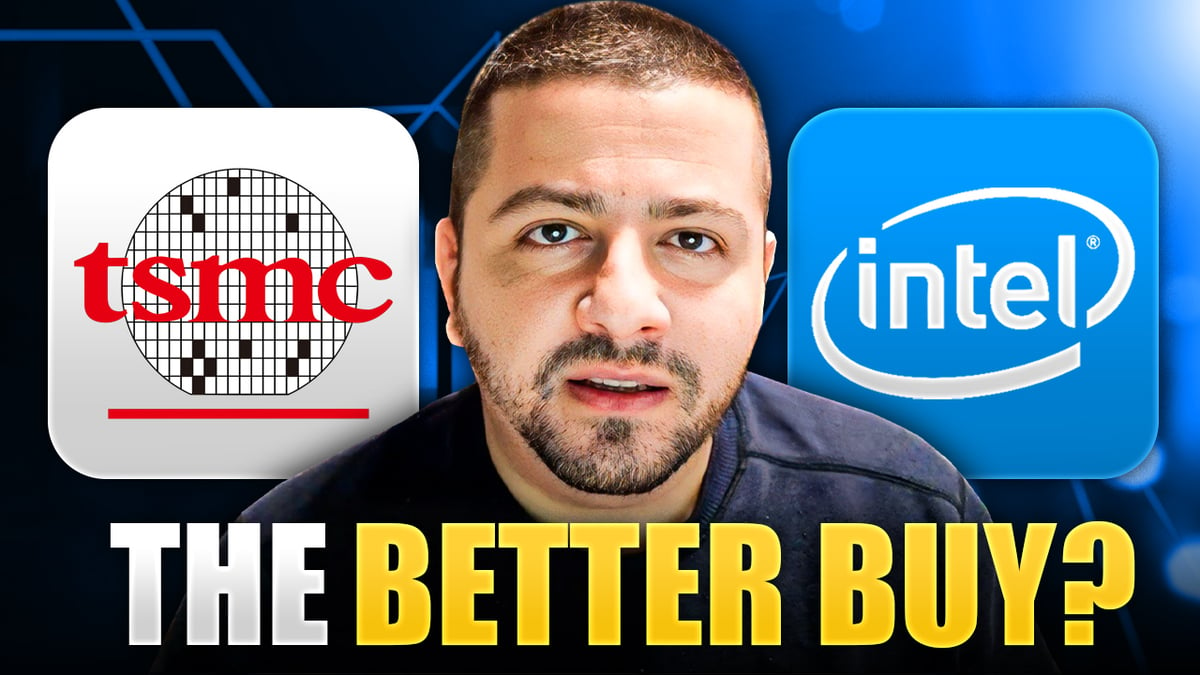
Intel and TSMC Show Significant Revenue Growth

- Revenue Growth: Intel and TSMC demonstrated significant revenue growth as of the afternoon stock prices on July 2, 2026, with increases of 1.50% and 4.33% respectively, indicating strong market demand for the semiconductor industry and heightened investor confidence.
- Market Performance: The stock performance of both companies suggests that as global demand for high-performance computing and advanced process technologies rises, investors are optimistic about their future growth potential, which may attract more capital inflows.
- Industry Trends: The evident recovery trend in the semiconductor industry, highlighted by the growth of Intel and TSMC, not only boosts their performance but also signals a potential recovery for the entire sector, indicating future investment opportunities.
- Strategic Implications: This revenue growth may prompt both companies to increase their R&D investments to maintain technological leadership, thereby solidifying their market share in a highly competitive landscape.

Syntiant Files for IPO Amid Semiconductor Enthusiasm

- Financial Performance: Syntiant reported a net loss of $20.9 million on revenues of $64.5 million for Q1 2026, worsening from a net loss of $14.1 million on revenues of $66.6 million a year earlier, indicating increasing pressure in a competitive market.
- Market Positioning: Founded in 2017, Syntiant focuses on ultra-low-power AI processors and software designed to run machine learning models directly on edge devices, catering to the critical needs for low latency and minimal power consumption, particularly in battery-powered devices.
- Investor Support: The company is backed by notable investors including Intel Capital, Microsoft Global Finance, and Knowles Corp, which lends confidence to its IPO plans, even as market sentiment towards the semiconductor sector remains cautious.
- Underwriter Lineup: The IPO is underwritten by Citigroup, BofA Securities, UBS Investment Bank, and Needham & Company, and while the offering size is undisclosed, the company aims to list under the symbol “SYTN,” reflecting its expectations for capital market engagement.
Syntiant Corp Files for IPO Amid Semiconductor Boom
- IPO Filing: California-based Syntiant Corp has filed for an initial public offering to capitalize on the growing enthusiasm for semiconductors and AI technologies, although the offering size remains undisclosed.
- Listing Plans: The company intends to list its shares under the symbol “SYTN” on the Nasdaq Global Market, reflecting its confidence in the capital markets and expectations for future growth.
- Financial Performance: In Q1 2026, Syntiant reported a net loss of $20.9 million on revenues of $64.5 million, indicating a slight decline from $66.6 million in revenue a year earlier, yet showcasing its market potential.
- Investor Backing: Syntiant has garnered support from notable investors such as Intel Capital, Microsoft Global Finance, and Knowles Corp, highlighting its recognition in the industry and potential for future development.
AMD Approaches $1 Trillion Market Value Milestone
- Data Center Growth: AMD's data center revenue surged 57% year-over-year in Q1 2026 to approximately $5.8 billion, accounting for over 50% of total sales, highlighting strong demand and growth potential in the AI infrastructure market.
- Overall Revenue Boost: In 2025, AMD's total revenue increased by 34% to $34.6 billion, with net income more than doubling at 164% growth, indicating robust performance in AI accelerators and server processors, which continues to attract investor interest.
- Optimistic Market Outlook: Management anticipates the server processor market will exceed $120 billion by 2030, with AMD steadily gaining market share, reflecting confidence in future growth despite fierce competition from rivals.
- Valuation Risks: While AMD has the potential to reach a $1 trillion market value by 2026, its current valuation exceeds 180 times earnings, indicating high market expectations for future growth, which introduces significant risks that investors must carefully consider.
AMD Approaches $1 Trillion Market Value as Data Center Revenue Soars
- Data Center Revenue Surge: In Q1 2026, AMD's data center revenue rose 57% year-over-year to approximately $5.8 billion, accounting for 54% of total sales, highlighting its strong performance in the AI infrastructure market and solidifying its market position.
- Significant Profitability Increase: In 2025, AMD's total revenue grew 34% to $34.6 billion, with net income soaring 164%, indicating robust profitability in the rapidly expanding AI market, which has drawn investor interest.
- Market Share Expansion: AMD's server processors continue to capture market share from Intel, with expectations that the overall server processor market will exceed $120 billion by 2030, providing ample growth opportunities for AMD in the future.
- Valuation Risk: Despite AMD's stock trading above $554 with a P/E ratio exceeding 180, the market has already priced in expectations for future growth, prompting investors to carefully consider potential valuation risks.
AMD Shares Surge 300% with Optimistic Outlook
- Strong Financial Performance: AMD's revenue surged 38% year-over-year to $10.3 billion in Q1, with its data center segment achieving a remarkable 57% growth to $5.8 billion, underscoring the company's robust position in the rapidly expanding semiconductor market.
- Surge in AI Demand: As the AI industry shifts from training to inference, demand for AMD's CPUs is expected to rise significantly, particularly with its EPYC processors gaining market share in the server segment, which will provide strong support for the company's future financial performance.
- Competitive Risk Analysis: Despite AMD's optimistic outlook, rivals Intel and Nvidia are also aggressively pursuing the market, with Nvidia's launch of the Vera CPU posing a potential threat, and the sustainability of AI demand remains a critical factor to monitor.
- Valuation and Investment Appeal: Although AMD's price-to-earnings ratio stands at 73.5, significantly above the industry average, its projected 35% compound annual growth rate indicates substantial future growth potential, making it an attractive investment opportunity as market confidence in its performance strengthens.
Intel and TSMC Show Significant Revenue Growth
- Revenue Growth: Intel and TSMC demonstrated significant revenue growth as of the afternoon stock prices on July 2, 2026, with increases of 1.50% and 4.33% respectively, indicating strong market demand for the semiconductor industry and heightened investor confidence.
- Market Performance: The stock performance of both companies suggests that as global demand for high-performance computing and advanced process technologies rises, investors are optimistic about their future growth potential, which may attract more capital inflows.
- Industry Trends: The evident recovery trend in the semiconductor industry, highlighted by the growth of Intel and TSMC, not only boosts their performance but also signals a potential recovery for the entire sector, indicating future investment opportunities.
- Strategic Implications: This revenue growth may prompt both companies to increase their R&D investments to maintain technological leadership, thereby solidifying their market share in a highly competitive landscape.
Syntiant Files for IPO Amid Semiconductor Enthusiasm
- Financial Performance: Syntiant reported a net loss of $20.9 million on revenues of $64.5 million for Q1 2026, worsening from a net loss of $14.1 million on revenues of $66.6 million a year earlier, indicating increasing pressure in a competitive market.
- Market Positioning: Founded in 2017, Syntiant focuses on ultra-low-power AI processors and software designed to run machine learning models directly on edge devices, catering to the critical needs for low latency and minimal power consumption, particularly in battery-powered devices.
- Investor Support: The company is backed by notable investors including Intel Capital, Microsoft Global Finance, and Knowles Corp, which lends confidence to its IPO plans, even as market sentiment towards the semiconductor sector remains cautious.
- Underwriter Lineup: The IPO is underwritten by Citigroup, BofA Securities, UBS Investment Bank, and Needham & Company, and while the offering size is undisclosed, the company aims to list under the symbol “SYTN,” reflecting its expectations for capital market engagement.





