

Significant Inflows Observed in ETFs - SPYD, CVS, VTRS, HPQ
Written by Emily J. Thompson, Senior Investment Analyst
Updated: Sep 05 2025
0mins


Source: NASDAQ.COM
SPYD Share Price Analysis: SPYD's current share price is $44.97, with a 52-week low of $37.92 and a high of $47.52, indicating its performance within the trading range.
Understanding ETFs: Exchange traded funds (ETFs) function like stocks, with investors buying and selling "units" that can be created or destroyed based on demand, affecting the underlying holdings.
Trade with 70% Backtested Accuracy
Stop guessing "Should I Buy CVS?" and start using high-conviction signals backed by rigorous historical data.
Sign up today to access powerful investing tools and make smarter, data-driven decisions.
Analyst Views on CVS
Wall Street analysts forecast CVS stock price to fall
17 Analyst Rating
16 Buy
1 Hold
0 Sell
Strong Buy
Current: 104.720

Low
91.00
Averages
96.71
High
105.00
Current: 104.720
Low
91.00
Averages
96.71
High
105.00
About CVS
CVS Health Corporation is a health solutions company. The Company's segments include Health Care Benefits, Health Services, Pharmacy & Consumer Wellness and Corporate/Other. The Health Care Benefits segment offers a broad range of traditional, voluntary and consumer-directed health insurance products and related services, including medical, pharmacy, dental and behavioral health plans, PDPs and Medicaid health care management services. The Health Services segment provides a full range of pharmacy benefit management (PBM) solutions through its CVS Caremark operations and delivers health care services in its medical clinics, virtually, and in the home. The Pharmacy & Consumer Wellness segment dispenses prescriptions in its CVS Pharmacy retail locations and, through its infusion operations, provides ancillary pharmacy services including pharmacy patient care programs, and vaccination administration, and sells a wide assortment of health and wellness products and general merchandise.
About the author

Emily J. Thompson
Emily J. Thompson, a Chartered Financial Analyst (CFA) with 12 years in investment research, graduated with honors from the Wharton School. Specializing in industrial and technology stocks, she provides in-depth analysis for Intellectia’s earnings and market brief reports.
CVS Health to Host Q2 2026 Earnings Call on August 5
- Earnings Call Announcement: CVS Health will hold a conference call on August 5, 2026, at 8:00 a.m. ET to discuss its Q2 2026 financial results, expected to provide key financial metrics and future outlook.
- Webcast and Archiving: The event will be broadcast live on the CVS Health Investor Relations website and archived for one year, ensuring that investors can access relevant information at any time, thereby enhancing transparency.
- Company Scale and Services: As of March 31, 2026, CVS Health operates approximately 9,000 retail pharmacy locations and over 1,000 walk-in and primary care clinics, demonstrating its extensive reach and market leadership in health solutions.
- Insurance Product Coverage: CVS Health serves over 37 million people through a broad range of health insurance products and related services, utilizing a personalized and technology-driven service model aimed at increasing access to quality care and lowering overall healthcare costs.
See More
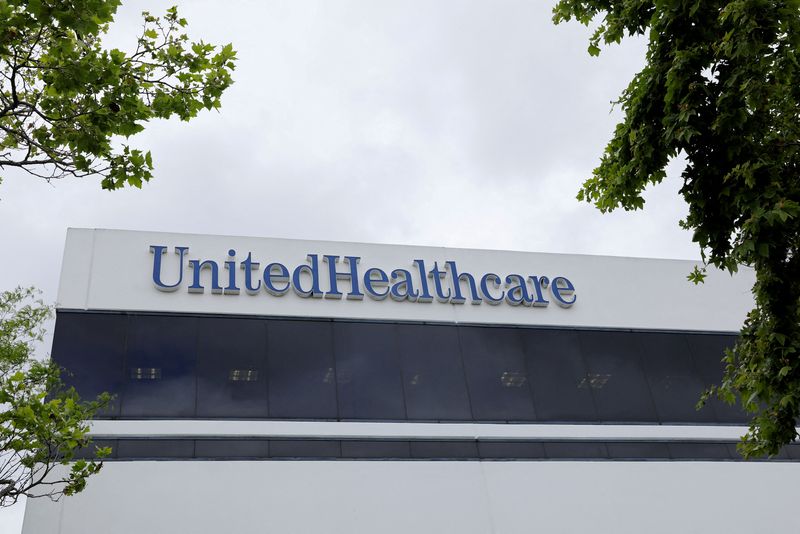
CVS and UnitedHealth Revenue Dynamics

- CVS Revenue Growth: CVS Health reported $100.4 billion in revenue for Q1 2026, marking a 6% year-over-year increase, with retail pharmacies contributing $32 billion, indicating strong performance in the retail market and expected future growth.
- UnitedHealth's Steady Performance: UnitedHealth generated $111.7 billion in revenue for Q1 2026, reflecting a 2% year-over-year increase; while its growth rate lags behind CVS, its focus on core operations is expected to enhance long-term profitability.
- Business Restructuring Impact: CVS received court approval to sell its Omnicare business to GenieRx, which will optimize its business structure and strengthen its competitive position in pharmacy management and health insurance, likely yielding positive revenue impacts in the future.
- Optimistic Market Outlook: Both companies raised their full-year revenue guidance, reflecting confidence in future market demand, and the strategic adjustments by CVS and UnitedHealth present promising investment opportunities amid ongoing growth in the healthcare sector.
See More

Financial Comparison of UnitedHealth and CVS Health
- Revenue Growth Trends: UnitedHealth reported $111.7 billion in revenue for Q1 2026, reflecting a 2% year-over-year increase, while CVS Health achieved $100.4 billion with a 6% annual growth, highlighting CVS's strong performance in retail pharmacy sales.
- Profit Margin Comparison: CVS Health's net income margin for Q1 2026 was approximately 3%, whereas UnitedHealth reached about 6%, indicating superior cost control and profitability for UnitedHealth.
- Market Strategy Adjustments: UnitedHealth is gradually exiting non-U.S. markets to focus on core operations, a strategic shift that may impact its future revenue growth potential, while CVS continues to rely on retail sales through its 9,000 pharmacy locations.
- Investor Considerations: Despite both companies raising their full-year guidance, analysts noted that CVS Health did not make the list of top investment stocks, prompting investors to carefully assess its future performance.
See More

Vanguard Research Bullish on U.S. Economic Outlook

- GDP Growth Forecast: Vanguard's research projects a 3% growth in U.S. GDP by 2027, which is likely to positively impact U.S. stock markets, especially with core inflation expected to drop to 2.7%, potentially boosting bond prices.
- Value Stock Investment Opportunity: The research highlights that U.S. value stocks could be a good investment choice, as these companies are positioned to benefit from AI productivity gains without incurring upfront costs for AI data centers and capital expenditures, thereby enhancing investor return potential.
- Vanguard Value Factor ETF Performance: The Vanguard U.S. Value Factor ETF (VFVA) has seen a 28.1% increase over the past year and a 12.9% gain in the first half of 2023, underscoring its significance in a diversified portfolio, particularly with holdings across financials, consumer discretionary, and healthcare sectors.
- Bond Market Outlook: The Vanguard Total Bond Market ETF (BND) has delivered an average annual return of 3.1% since its inception in 2007, despite only 0.1% over the past five years; however, if inflation and interest rates decline as projected, future bond investments could yield better returns.
See More

Vanguard Research Bullish on Value Stocks and Bonds
- Value Stock Investment Opportunity: The Vanguard U.S. Value Factor ETF has outperformed the S&P 500 index with a 28.1% annual return over the past year, and its P/E ratio of 11 indicates a significant discount compared to the S&P 500's 25, suggesting that value stocks could be a good investment choice in the coming years.
- Bond Market Outlook: Despite the Vanguard Total Bond Market ETF's average annual return of only 0.1% over the past five years, it has delivered an average annual return of 3.1% since its inception in 2007, indicating potential for long-term investment, especially as inflation and interest rates may decline.
- Diversified Portfolio: The Vanguard U.S. Value Factor ETF holds a portfolio of 649 stocks across large-cap, mid-cap, and small-cap categories, with top sector holdings including financials (23.5%) and consumer discretionary (18.5%), ensuring broad diversification and reducing sector-specific risks.
- Low Cost Advantage: The Vanguard Total Bond Market ETF features an ultra-low expense ratio of 0.03%, making it a cost-effective option in the bond ETF space, and its diversified portfolio of 11,455 bonds provides a solid yield potential, making it suitable for a long-term investor's diversified strategy.
See More

Elevance Health Sues CMS Over Medicare Advantage Ratings

- Lawsuit Background: Elevance Health has filed a lawsuit against the Centers for Medicare & Medicaid Services (CMS), alleging unfair adjustments to a competitor's Medicare Advantage Star Ratings after finalization, claiming this created an uneven competitive landscape.
- Financial Impact: Elevance estimates that the disputed CMS decision cost it approximately $115 million in Medicare Advantage quality bonus payments, directly affecting its financial performance and market competitiveness.
- Industry Implications: Should the court side with Elevance, CMS may be compelled to revisit its ratings process, potentially impacting payments and competitive positioning across the industry, which could lead to similar adjustments for other insurers.
- Future Outlook: Elevance argues that all insurers should be treated under the same rules post-rating release rather than allowing company-specific adjustments, and the outcome of this lawsuit could significantly influence the future earnings growth of insurers heavily reliant on Medicare Advantage.
See More
CVS Health to Host Q2 2026 Earnings Call on August 5
- Earnings Call Announcement: CVS Health will hold a conference call on August 5, 2026, at 8:00 a.m. ET to discuss its Q2 2026 financial results, expected to provide key financial metrics and future outlook.
- Webcast and Archiving: The event will be broadcast live on the CVS Health Investor Relations website and archived for one year, ensuring that investors can access relevant information at any time, thereby enhancing transparency.
- Company Scale and Services: As of March 31, 2026, CVS Health operates approximately 9,000 retail pharmacy locations and over 1,000 walk-in and primary care clinics, demonstrating its extensive reach and market leadership in health solutions.
- Insurance Product Coverage: CVS Health serves over 37 million people through a broad range of health insurance products and related services, utilizing a personalized and technology-driven service model aimed at increasing access to quality care and lowering overall healthcare costs.
See More
CVS and UnitedHealth Revenue Dynamics
- CVS Revenue Growth: CVS Health reported $100.4 billion in revenue for Q1 2026, marking a 6% year-over-year increase, with retail pharmacies contributing $32 billion, indicating strong performance in the retail market and expected future growth.
- UnitedHealth's Steady Performance: UnitedHealth generated $111.7 billion in revenue for Q1 2026, reflecting a 2% year-over-year increase; while its growth rate lags behind CVS, its focus on core operations is expected to enhance long-term profitability.
- Business Restructuring Impact: CVS received court approval to sell its Omnicare business to GenieRx, which will optimize its business structure and strengthen its competitive position in pharmacy management and health insurance, likely yielding positive revenue impacts in the future.
- Optimistic Market Outlook: Both companies raised their full-year revenue guidance, reflecting confidence in future market demand, and the strategic adjustments by CVS and UnitedHealth present promising investment opportunities amid ongoing growth in the healthcare sector.
See More
Financial Comparison of UnitedHealth and CVS Health
- Revenue Growth Trends: UnitedHealth reported $111.7 billion in revenue for Q1 2026, reflecting a 2% year-over-year increase, while CVS Health achieved $100.4 billion with a 6% annual growth, highlighting CVS's strong performance in retail pharmacy sales.
- Profit Margin Comparison: CVS Health's net income margin for Q1 2026 was approximately 3%, whereas UnitedHealth reached about 6%, indicating superior cost control and profitability for UnitedHealth.
- Market Strategy Adjustments: UnitedHealth is gradually exiting non-U.S. markets to focus on core operations, a strategic shift that may impact its future revenue growth potential, while CVS continues to rely on retail sales through its 9,000 pharmacy locations.
- Investor Considerations: Despite both companies raising their full-year guidance, analysts noted that CVS Health did not make the list of top investment stocks, prompting investors to carefully assess its future performance.
See More
Vanguard Research Bullish on U.S. Economic Outlook
- GDP Growth Forecast: Vanguard's research projects a 3% growth in U.S. GDP by 2027, which is likely to positively impact U.S. stock markets, especially with core inflation expected to drop to 2.7%, potentially boosting bond prices.
- Value Stock Investment Opportunity: The research highlights that U.S. value stocks could be a good investment choice, as these companies are positioned to benefit from AI productivity gains without incurring upfront costs for AI data centers and capital expenditures, thereby enhancing investor return potential.
- Vanguard Value Factor ETF Performance: The Vanguard U.S. Value Factor ETF (VFVA) has seen a 28.1% increase over the past year and a 12.9% gain in the first half of 2023, underscoring its significance in a diversified portfolio, particularly with holdings across financials, consumer discretionary, and healthcare sectors.
- Bond Market Outlook: The Vanguard Total Bond Market ETF (BND) has delivered an average annual return of 3.1% since its inception in 2007, despite only 0.1% over the past five years; however, if inflation and interest rates decline as projected, future bond investments could yield better returns.
See More
Vanguard Research Bullish on Value Stocks and Bonds
- Value Stock Investment Opportunity: The Vanguard U.S. Value Factor ETF has outperformed the S&P 500 index with a 28.1% annual return over the past year, and its P/E ratio of 11 indicates a significant discount compared to the S&P 500's 25, suggesting that value stocks could be a good investment choice in the coming years.
- Bond Market Outlook: Despite the Vanguard Total Bond Market ETF's average annual return of only 0.1% over the past five years, it has delivered an average annual return of 3.1% since its inception in 2007, indicating potential for long-term investment, especially as inflation and interest rates may decline.
- Diversified Portfolio: The Vanguard U.S. Value Factor ETF holds a portfolio of 649 stocks across large-cap, mid-cap, and small-cap categories, with top sector holdings including financials (23.5%) and consumer discretionary (18.5%), ensuring broad diversification and reducing sector-specific risks.
- Low Cost Advantage: The Vanguard Total Bond Market ETF features an ultra-low expense ratio of 0.03%, making it a cost-effective option in the bond ETF space, and its diversified portfolio of 11,455 bonds provides a solid yield potential, making it suitable for a long-term investor's diversified strategy.
See More
Elevance Health Sues CMS Over Medicare Advantage Ratings
- Lawsuit Background: Elevance Health has filed a lawsuit against the Centers for Medicare & Medicaid Services (CMS), alleging unfair adjustments to a competitor's Medicare Advantage Star Ratings after finalization, claiming this created an uneven competitive landscape.
- Financial Impact: Elevance estimates that the disputed CMS decision cost it approximately $115 million in Medicare Advantage quality bonus payments, directly affecting its financial performance and market competitiveness.
- Industry Implications: Should the court side with Elevance, CMS may be compelled to revisit its ratings process, potentially impacting payments and competitive positioning across the industry, which could lead to similar adjustments for other insurers.
- Future Outlook: Elevance argues that all insurers should be treated under the same rules post-rating release rather than allowing company-specific adjustments, and the outcome of this lawsuit could significantly influence the future earnings growth of insurers heavily reliant on Medicare Advantage.
See More





