Significant Inflows Observed in ETFs - IWD, VZ, BLK, SPGI
Written by Emily J. Thompson, Senior Investment Analyst
Updated: Nov 07 2025
0mins


Source: NASDAQ.COM
52 Week Range Analysis: IWD's share price has a 52-week low of $163.19 and a high of $207.58, with the last trade recorded at $202.97.
Understanding ETFs: Exchange traded funds (ETFs) function like stocks, where investors buy and sell "units" that can be created or destroyed based on demand.
Monitoring ETF Flows: Weekly monitoring of shares outstanding helps identify ETFs with significant inflows (new units created) or outflows (units destroyed), impacting the underlying holdings.
Disclaimer: The views expressed in the article are those of the author and do not necessarily represent Nasdaq, Inc.
Trade with 70% Backtested Accuracy
Stop guessing "Should I Buy SPGI?" and start using high-conviction signals backed by rigorous historical data.
Sign up today to access powerful investing tools and make smarter, data-driven decisions.
Analyst Views on SPGI
Wall Street analysts forecast SPGI stock price to rise
15 Analyst Rating
14 Buy
1 Hold
0 Sell
Strong Buy
Current: 414.970

Low
546.00
Averages
617.77
High
675.00
Current: 414.970
Low
546.00
Averages
617.77
High
675.00
About SPGI
S&P Global Inc. provides essential intelligence. Its operations consist of five businesses: S&P Global Market Intelligence (Market Intelligence), S&P Global Ratings (Ratings), S&P Global Commodity Insights (Commodity Insights), S&P Global Mobility (Mobility) and S&P Dow Jones Indices (Indices). Market Intelligence is a global provider of multi-asset-class data and analytics integrated with purpose-built workflow solutions. Ratings is an independent provider of credit ratings, research, and analytics, offering investors and other market participants information, ratings and benchmarks. Commodity Insights is an independent provider of information and benchmark prices for the commodity and energy markets. Mobility is a provider of solutions serving the full automotive value chain, including vehicle manufacturers and retailers. Indices is a global index provider that maintains a variety of valuation and index benchmarks for investment advisors, wealth managers and institutional investors.
About the author

Emily J. Thompson
Emily J. Thompson, a Chartered Financial Analyst (CFA) with 12 years in investment research, graduated with honors from the Wharton School. Specializing in industrial and technology stocks, she provides in-depth analysis for Intellectia’s earnings and market brief reports.

S&P SmallCap 600 Index Adjustments Announced


- Index Changes: Midera Food Processing Inc. will replace Redwood Trust Inc. in the S&P SmallCap 600 effective July 8, 2026, enhancing the index's representation of the small-cap market and potentially attracting more investor interest.
- Corporate Spin-off: The Middleby Corp. is spinning off Midera Food Processing, with the transaction expected to close on July 7, aiming to increase focus on its core business and improve market competitiveness.
- Energy Sector Addition: Centrus Energy Corp. will replace Whitestone REIT in the S&P SmallCap 600 effective July 14, 2026, reflecting ongoing investor interest and recognition of growth potential in the energy sector.
- Real Estate Market Adjustment: The removal of Whitestone REIT signifies a reassessment of the real estate sector within the S&P SmallCap 600, which may influence asset allocation strategies among related investors.
See More
S&P SmallCap 600 Index Changes Announced

- New Addition: Midera Food Processing (Ticker: MFP) will be added to the S&P SmallCap 600 Index on July 8, 2026, indicating recognition and growth in the industrial sector, which is expected to attract more investor attention.
- Removal: Redwood Trust Inc (Ticker: RWT) will be removed from the S&P SmallCap 600 Index on July 8, 2026, a move that may negatively impact its stock price, reflecting market concerns about its future performance.
- New Addition: Centrus Energy (Ticker: LEU) will join the S&P SmallCap 600 Index on July 14, 2026, showcasing its growth potential in the energy sector, which could enhance its market visibility and investment appeal.
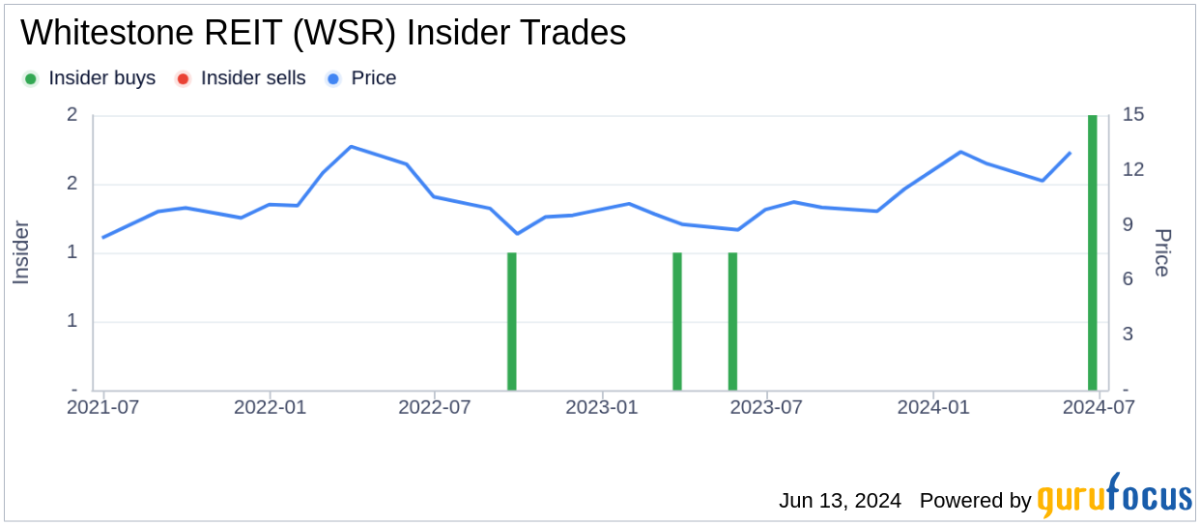
- Removal: Whitestone REIT (Ticker: WSR) will be removed from the S&P SmallCap 600 Index on July 14, 2026, an adjustment that may affect its liquidity and investor confidence, reflecting market skepticism about its asset management capabilities.
See More

S&P Global Completes Mobility Global Spin-Off

- Spin-Off Completion: S&P Global successfully completed the spin-off of Mobility Global on Wednesday, known for its Carfax service, resulting in an almost 8% rise in S&P Global's stock price, indicating positive market reception to the new structure.
- Shareholder Benefits: Existing S&P Global shareholders as of June 15 received one Mobility Global share for each S&P Global share held, enhancing shareholder returns and reflecting the company's commitment to shareholder value.
- Analyst Rating Upgrade: Huber Research analyst Douglas Arthur upgraded S&P Global's rating from underweight to neutral, further boosting the stock price and indicating increased market confidence in the company's future performance.
- Mobility Global Market Performance: Despite Mobility Global's disappointing first-day trading performance with a nearly 4% drop, the strong potential of the Carfax brand and its uniqueness continue to attract investor interest, suggesting possible rebound opportunities in the future.
See More

S&P Global Completes Mobility Global Spin-off
- Stock Price Surge: S&P Global's shares rose nearly 8% on Wednesday following the completion of the Mobility Global spin-off, reflecting positive market sentiment towards the company's enhanced efficiency and streamlined operations, thereby boosting investor confidence.
- Spin-off Completion: Mobility Global officially became a separate publicly traded entity, with existing S&P Global shareholders receiving one Mobility Global share for each S&P Global share held as of June 15, marking a successful strategic restructuring for the company.
- Analyst Rating Upgrade: Huber Research analyst Douglas Arthur upgraded S&P Global's rating from underweight to neutral, indicating increased market confidence in its future performance, which could further drive stock price appreciation.
- Mobility Global Market Performance: Although Mobility Global's shares fell nearly 4% on their first trading day, the strength of the Carfax brand and the company's uniqueness lead analysts to maintain an optimistic outlook, potentially providing buying opportunities for investors.
See More

S&P Global Completes Mobility Global Spin-Off

- Stock Price Surge: S&P Global's shares rose nearly 8% on Wednesday following the completion of the Mobility Global spin-off, reflecting positive market sentiment regarding the company's streamlined operations and enhanced efficiency, which boosts investor confidence.
- Spin-Off Details: Mobility Global officially became a separate publicly traded entity, with existing S&P Global shareholders receiving one Mobility Global share for each S&P Global share held as of June 15, demonstrating the company's commitment to shareholder value.
- Analyst Rating Upgrade: Huber Research analyst Douglas Arthur upgraded S&P Global's rating from underweight to neutral, indicating increased market confidence in the company's future performance, which may attract more investor interest.
- Mobility Global Market Performance: Although Mobility Global's shares fell nearly 4% on their first trading day, the company owns well-known brands like Carfax, and analysts believe its long-term potential remains promising, potentially offering buying opportunities for investors.
See More

NYSE Issues Daily Pre-Market Advisory

- Market Update Release: The New York Stock Exchange (NYSE) issues a daily pre-market update, providing investors with essential market insights to make informed decisions before trading begins.
- Opening Bell: Mobility Global (NYSE:MBGL) celebrates its spinoff, marking a new chapter for the company in the capital markets, which is expected to attract more investor attention.
- Closing Bell: The U.S. Secret Service's New York Field Office rings the Closing Bell, symbolizing the market's close and reflecting the interaction between government agencies and financial markets.
- App Promotion: Investors can download the NYSE TV app to access market insights, IPO activity, and today's opening bell information, enhancing the efficiency and accuracy of their trading decisions.
See More
S&P SmallCap 600 Index Adjustments Announced
- Index Changes: Midera Food Processing Inc. will replace Redwood Trust Inc. in the S&P SmallCap 600 effective July 8, 2026, enhancing the index's representation of the small-cap market and potentially attracting more investor interest.
- Corporate Spin-off: The Middleby Corp. is spinning off Midera Food Processing, with the transaction expected to close on July 7, aiming to increase focus on its core business and improve market competitiveness.
- Energy Sector Addition: Centrus Energy Corp. will replace Whitestone REIT in the S&P SmallCap 600 effective July 14, 2026, reflecting ongoing investor interest and recognition of growth potential in the energy sector.
- Real Estate Market Adjustment: The removal of Whitestone REIT signifies a reassessment of the real estate sector within the S&P SmallCap 600, which may influence asset allocation strategies among related investors.
See More
S&P SmallCap 600 Index Changes Announced
- New Addition: Midera Food Processing (Ticker: MFP) will be added to the S&P SmallCap 600 Index on July 8, 2026, indicating recognition and growth in the industrial sector, which is expected to attract more investor attention.
- Removal: Redwood Trust Inc (Ticker: RWT) will be removed from the S&P SmallCap 600 Index on July 8, 2026, a move that may negatively impact its stock price, reflecting market concerns about its future performance.
- New Addition: Centrus Energy (Ticker: LEU) will join the S&P SmallCap 600 Index on July 14, 2026, showcasing its growth potential in the energy sector, which could enhance its market visibility and investment appeal.
- Removal: Whitestone REIT (Ticker: WSR) will be removed from the S&P SmallCap 600 Index on July 14, 2026, an adjustment that may affect its liquidity and investor confidence, reflecting market skepticism about its asset management capabilities.
See More
S&P Global Completes Mobility Global Spin-Off
- Spin-Off Completion: S&P Global successfully completed the spin-off of Mobility Global on Wednesday, known for its Carfax service, resulting in an almost 8% rise in S&P Global's stock price, indicating positive market reception to the new structure.
- Shareholder Benefits: Existing S&P Global shareholders as of June 15 received one Mobility Global share for each S&P Global share held, enhancing shareholder returns and reflecting the company's commitment to shareholder value.
- Analyst Rating Upgrade: Huber Research analyst Douglas Arthur upgraded S&P Global's rating from underweight to neutral, further boosting the stock price and indicating increased market confidence in the company's future performance.
- Mobility Global Market Performance: Despite Mobility Global's disappointing first-day trading performance with a nearly 4% drop, the strong potential of the Carfax brand and its uniqueness continue to attract investor interest, suggesting possible rebound opportunities in the future.
See More
S&P Global Completes Mobility Global Spin-off
- Stock Price Surge: S&P Global's shares rose nearly 8% on Wednesday following the completion of the Mobility Global spin-off, reflecting positive market sentiment towards the company's enhanced efficiency and streamlined operations, thereby boosting investor confidence.
- Spin-off Completion: Mobility Global officially became a separate publicly traded entity, with existing S&P Global shareholders receiving one Mobility Global share for each S&P Global share held as of June 15, marking a successful strategic restructuring for the company.
- Analyst Rating Upgrade: Huber Research analyst Douglas Arthur upgraded S&P Global's rating from underweight to neutral, indicating increased market confidence in its future performance, which could further drive stock price appreciation.
- Mobility Global Market Performance: Although Mobility Global's shares fell nearly 4% on their first trading day, the strength of the Carfax brand and the company's uniqueness lead analysts to maintain an optimistic outlook, potentially providing buying opportunities for investors.
See More
S&P Global Completes Mobility Global Spin-Off
- Stock Price Surge: S&P Global's shares rose nearly 8% on Wednesday following the completion of the Mobility Global spin-off, reflecting positive market sentiment regarding the company's streamlined operations and enhanced efficiency, which boosts investor confidence.
- Spin-Off Details: Mobility Global officially became a separate publicly traded entity, with existing S&P Global shareholders receiving one Mobility Global share for each S&P Global share held as of June 15, demonstrating the company's commitment to shareholder value.
- Analyst Rating Upgrade: Huber Research analyst Douglas Arthur upgraded S&P Global's rating from underweight to neutral, indicating increased market confidence in the company's future performance, which may attract more investor interest.
- Mobility Global Market Performance: Although Mobility Global's shares fell nearly 4% on their first trading day, the company owns well-known brands like Carfax, and analysts believe its long-term potential remains promising, potentially offering buying opportunities for investors.
See More
NYSE Issues Daily Pre-Market Advisory
- Market Update Release: The New York Stock Exchange (NYSE) issues a daily pre-market update, providing investors with essential market insights to make informed decisions before trading begins.
- Opening Bell: Mobility Global (NYSE:MBGL) celebrates its spinoff, marking a new chapter for the company in the capital markets, which is expected to attract more investor attention.
- Closing Bell: The U.S. Secret Service's New York Field Office rings the Closing Bell, symbolizing the market's close and reflecting the interaction between government agencies and financial markets.
- App Promotion: Investors can download the NYSE TV app to access market insights, IPO activity, and today's opening bell information, enhancing the efficiency and accuracy of their trading decisions.
See More