Is Archer Aviation Stock (ACHR) a Buy Before Q1 Earnings?
Written by Emily J. Thompson, Senior Investment Analyst
Updated: May 09 2025
0mins
Source: TipRanks
Earnings Report and Investor Sentiment: Archer Aviation is set to release its Q1 2025 earnings on May 12, expected to show a loss but with analysts maintaining a Strong Buy rating due to the company's long-term growth potential in urban air mobility. Investors are particularly interested in updates regarding manufacturing milestones and regulatory approvals for its Midnight eVTOL aircraft.
Regulatory Progress and Future Plans: The company is focused on obtaining FAA certification for its Midnight aircraft, which is crucial for commercial operations. Archer plans to produce up to 10 Midnight aircraft in 2025, with Abu Dhabi Aviation as its first customer, while also showcasing its Launch Edition Program to target early-adopting markets.
Trade with 70% Backtested Accuracy
Stop guessing "Should I Buy ACHR?" and start using high-conviction signals backed by rigorous historical data.
Sign up today to access powerful investing tools and make smarter, data-driven decisions.
Analyst Views on ACHR
Wall Street analysts forecast ACHR stock price to rise
6 Analyst Rating
4 Buy
2 Hold
0 Sell
Moderate Buy
Current: 4.920

Low
8.00
Averages
12.40
High
18.00
Current: 4.920
Low
8.00
Averages
12.40
High
18.00
About ACHR
Archer Aviation Inc. is an aerospace company. It is engaged in providing customers with advanced aircraft and related technologies and services in the United States and internationally in both the commercial and defense sectors. Its commercial line of business consists of the sale of its commercial aircraft (Archer Direct), such as Midnight, to aircraft operators as well as technologies and services related thereto, including commercial launch (certification, testing, training, demonstration, market survey and early trial operations), and maintenance and repair. Its defense line of business consists of the sale of aircraft and related technologies for defense applications. Its initial product is intended to be a hybrid-propulsion, vertical take-off and landing (VTOL) aircraft. Its Midnight aircraft is designed around its proprietary 12-tilt-6 distributed electric propulsion platform. It carries four passengers plus a pilot. The aircraft is purpose-built for air taxi operations.
About the author

Emily J. Thompson
Emily J. Thompson, a Chartered Financial Analyst (CFA) with 12 years in investment research, graduated with honors from the Wharton School. Specializing in industrial and technology stocks, she provides in-depth analysis for Intellectia’s earnings and market brief reports.

Vertical Aerospace Secures Key Supplier Agreement for Valo eVTOL

- Supply Chain Risk Mitigation: Vertical Aerospace's long-term agreement with Astronics for power distribution systems significantly reduces supply chain risks for its Valo eVTOL, although substantial dilution risk remains due to ongoing cash needs.
- Production Capacity Enhancement: This deal is expected to accelerate development and production, bolstering the company's competitive position in the eVTOL market, despite projections indicating earnings won't materialize until 2032, leading to cautious optimism from the market.
- Enhanced Financing Capability: The company has secured access to up to $850 million in financing, which, while requiring equity issuance to raise cash, provides at least 12 months of financial runway for its operations.
- Shareholder Dilution Risk: Projections indicate that Vertical's share count will rise from 157 million in 2026 to 373 million by 2032, highlighting significant dilution risks for existing shareholders as the company executes its orders.
See More

Vertical Aerospace Signs Long-Term Agreement, Positive Outlook
- Supply Chain Assurance: Vertical Aerospace's long-term agreement with Astronics for power distribution systems ensures the supply for its Valo eVTOL, helping to de-risk the business model and accelerate production, thereby enhancing market competitiveness.
- Market Outlook: The company currently has 1,500 preorders for its Valo eVTOL, and while it faces challenges of not generating earnings until 2032, the signing of long-term agreements instills confidence in its future production capabilities.
- Financing Risks: Despite securing up to $850 million in financing to support operations, significant dilution risks for shareholders are anticipated, with projections indicating an increase in share count from 157 million in 2026 to 373 million by 2032.
- Investor Considerations: As a high-risk stock, Vertical Aerospace is suited for fully committed and patient eVTOL investors, although the ongoing cash needs and potential dilution issues remain critical points of concern.
See More

Archer Aviation Advances Safety in Electric Aircraft Development


- Safety First: Archer Aviation prioritizes safety in the development of its Midnight electric aircraft by designing multiple layers of redundancy in critical flight systems, significantly enhancing operational reliability and strengthening its competitive position in the emerging electric aircraft market.
- Redundant Systems Integration: The Midnight aircraft incorporates redundancy across key flight systems, including propulsion, power, and flight control architecture, which not only improves overall system reliability but also supports compliance with stringent aviation safety standards necessary for certification.
- Commercialization Outlook: Archer's emphasis on safety complements its broader aircraft development strategy, aiming to enhance operational resilience and boost future passenger confidence, thereby facilitating commercial adoption of electric aircraft.
- Industry Competitive Edge: As the electric aircraft industry matures, safety-focused design is expected to remain a key competitive differentiator, with Archer's ongoing investment in redundant aircraft architecture strengthening its long-term growth prospects while supporting the commercialization of its Midnight platform.
See More
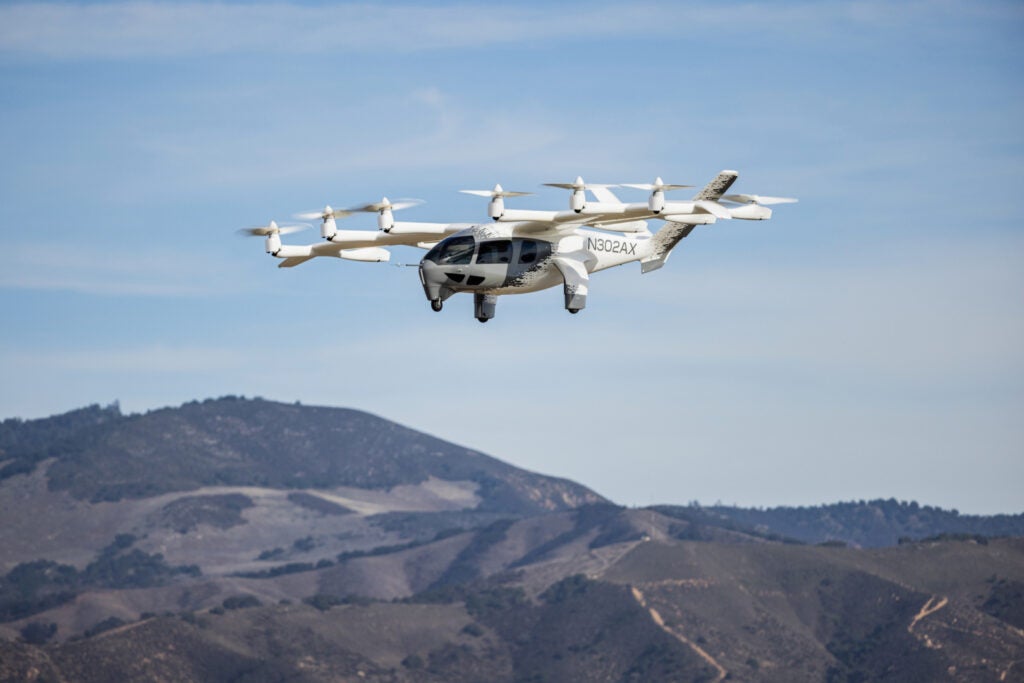
Analysis of Archer Aviation's Stock Price Plunge

- Stock Price Decline: Archer Aviation's stock has plummeted from a high of $17.14 in February 2021 to under $5 today, primarily due to its failure to produce the promised 10 eVTOLs by 2024, having only manufactured 2 test aircraft and 1 full-scale Midnight, which has eroded market confidence.
- Competitive Disadvantages: The Midnight's lower top speed and shorter range compared to Joby Aviation's offerings, along with Archer's lag in the FAA certification process, have raised investor concerns about its future prospects, exacerbating the stock's decline.
- Backlog Situation: Despite these challenges, Archer's indicative backlog swelled to $6 billion by the end of 2025, indicating potential market demand for its products, and successful FAA certification could enhance production capacity and revenue.
- Future Revenue Expectations: Analysts project Archer's revenue to rise from $9.5 million in 2026 to $428.4 million by 2028, and with a market cap of $3.6 billion, its valuation at 7 times its 2028 sales appears relatively reasonable, suggesting potential for recovery if production ramps up.
See More
Archer Aviation's Stock Plummets Over 70%
- Stock Decline: Archer Aviation's stock has plummeted over 70% from its all-time high of $17.14 in February 2021, currently trading below $5, indicating significant market concerns regarding its future prospects.
- Slow Production Progress: Despite Archer's claims of producing 10 eVTOLs in 2024 and 250 in 2025, it has only manufactured two test aircraft and one full-scale Midnight, falling short of its ambitious production targets.
- Backlog Situation: By the end of 2025, Archer's indicative backlog reached $6 billion, reflecting potential market demand for its products despite ongoing production and certification challenges.
- Future Revenue Expectations: Analysts project Archer's revenue to rise from $9.5 million to $428.4 million between 2026 and 2028, suggesting that despite current high valuation and losses, there is potential for improvement in the long-term outlook.
See More
Analysis of Urban Air Mobility Market Competition
- Archer Aviation Financials: Archer Aviation reported a net loss of $618.2 million in FY 2025, highlighting significant financial sustainability risks during its commercialization phase, although its conditional $1 billion aircraft purchase agreement with United Airlines offers potential future revenue.
- Joby Aviation Revenue Surge: Joby Aviation's revenue skyrocketed to $53.4 million in FY 2025, a substantial increase from $136,000 in 2024, indicating accelerated commercialization efforts, despite facing a net loss of approximately $930 million.
- Market Competition Strategies: Archer Aviation focuses on developing electric vertical takeoff and landing aircraft for the U.S. and UAE markets, while Joby Aviation leverages partnerships with Toyota and Delta Airlines to enhance its air taxi service market penetration, showcasing distinct strategic approaches.
- Risks and Challenges: Archer Aviation faces challenges with FAA certification timelines and ongoing litigation with Joby, while Joby relies on future funding from Toyota and must effectively manage operational challenges related to integrating its Blade acquisition and ramping up production.
See More
Vertical Aerospace Secures Key Supplier Agreement for Valo eVTOL
- Supply Chain Risk Mitigation: Vertical Aerospace's long-term agreement with Astronics for power distribution systems significantly reduces supply chain risks for its Valo eVTOL, although substantial dilution risk remains due to ongoing cash needs.
- Production Capacity Enhancement: This deal is expected to accelerate development and production, bolstering the company's competitive position in the eVTOL market, despite projections indicating earnings won't materialize until 2032, leading to cautious optimism from the market.
- Enhanced Financing Capability: The company has secured access to up to $850 million in financing, which, while requiring equity issuance to raise cash, provides at least 12 months of financial runway for its operations.
- Shareholder Dilution Risk: Projections indicate that Vertical's share count will rise from 157 million in 2026 to 373 million by 2032, highlighting significant dilution risks for existing shareholders as the company executes its orders.
See More
Vertical Aerospace Signs Long-Term Agreement, Positive Outlook
- Supply Chain Assurance: Vertical Aerospace's long-term agreement with Astronics for power distribution systems ensures the supply for its Valo eVTOL, helping to de-risk the business model and accelerate production, thereby enhancing market competitiveness.
- Market Outlook: The company currently has 1,500 preorders for its Valo eVTOL, and while it faces challenges of not generating earnings until 2032, the signing of long-term agreements instills confidence in its future production capabilities.
- Financing Risks: Despite securing up to $850 million in financing to support operations, significant dilution risks for shareholders are anticipated, with projections indicating an increase in share count from 157 million in 2026 to 373 million by 2032.
- Investor Considerations: As a high-risk stock, Vertical Aerospace is suited for fully committed and patient eVTOL investors, although the ongoing cash needs and potential dilution issues remain critical points of concern.
See More
Archer Aviation Advances Safety in Electric Aircraft Development
- Safety First: Archer Aviation prioritizes safety in the development of its Midnight electric aircraft by designing multiple layers of redundancy in critical flight systems, significantly enhancing operational reliability and strengthening its competitive position in the emerging electric aircraft market.
- Redundant Systems Integration: The Midnight aircraft incorporates redundancy across key flight systems, including propulsion, power, and flight control architecture, which not only improves overall system reliability but also supports compliance with stringent aviation safety standards necessary for certification.
- Commercialization Outlook: Archer's emphasis on safety complements its broader aircraft development strategy, aiming to enhance operational resilience and boost future passenger confidence, thereby facilitating commercial adoption of electric aircraft.
- Industry Competitive Edge: As the electric aircraft industry matures, safety-focused design is expected to remain a key competitive differentiator, with Archer's ongoing investment in redundant aircraft architecture strengthening its long-term growth prospects while supporting the commercialization of its Midnight platform.
See More
Analysis of Archer Aviation's Stock Price Plunge
- Stock Price Decline: Archer Aviation's stock has plummeted from a high of $17.14 in February 2021 to under $5 today, primarily due to its failure to produce the promised 10 eVTOLs by 2024, having only manufactured 2 test aircraft and 1 full-scale Midnight, which has eroded market confidence.
- Competitive Disadvantages: The Midnight's lower top speed and shorter range compared to Joby Aviation's offerings, along with Archer's lag in the FAA certification process, have raised investor concerns about its future prospects, exacerbating the stock's decline.
- Backlog Situation: Despite these challenges, Archer's indicative backlog swelled to $6 billion by the end of 2025, indicating potential market demand for its products, and successful FAA certification could enhance production capacity and revenue.
- Future Revenue Expectations: Analysts project Archer's revenue to rise from $9.5 million in 2026 to $428.4 million by 2028, and with a market cap of $3.6 billion, its valuation at 7 times its 2028 sales appears relatively reasonable, suggesting potential for recovery if production ramps up.
See More
Archer Aviation's Stock Plummets Over 70%
- Stock Decline: Archer Aviation's stock has plummeted over 70% from its all-time high of $17.14 in February 2021, currently trading below $5, indicating significant market concerns regarding its future prospects.
- Slow Production Progress: Despite Archer's claims of producing 10 eVTOLs in 2024 and 250 in 2025, it has only manufactured two test aircraft and one full-scale Midnight, falling short of its ambitious production targets.
- Backlog Situation: By the end of 2025, Archer's indicative backlog reached $6 billion, reflecting potential market demand for its products despite ongoing production and certification challenges.
- Future Revenue Expectations: Analysts project Archer's revenue to rise from $9.5 million to $428.4 million between 2026 and 2028, suggesting that despite current high valuation and losses, there is potential for improvement in the long-term outlook.
See More
Analysis of Urban Air Mobility Market Competition
- Archer Aviation Financials: Archer Aviation reported a net loss of $618.2 million in FY 2025, highlighting significant financial sustainability risks during its commercialization phase, although its conditional $1 billion aircraft purchase agreement with United Airlines offers potential future revenue.
- Joby Aviation Revenue Surge: Joby Aviation's revenue skyrocketed to $53.4 million in FY 2025, a substantial increase from $136,000 in 2024, indicating accelerated commercialization efforts, despite facing a net loss of approximately $930 million.
- Market Competition Strategies: Archer Aviation focuses on developing electric vertical takeoff and landing aircraft for the U.S. and UAE markets, while Joby Aviation leverages partnerships with Toyota and Delta Airlines to enhance its air taxi service market penetration, showcasing distinct strategic approaches.
- Risks and Challenges: Archer Aviation faces challenges with FAA certification timelines and ongoing litigation with Joby, while Joby relies on future funding from Toyota and must effectively manage operational challenges related to integrating its Blade acquisition and ramping up production.
See More