Reasons This Defense ETF May Continue to Rise Amid Escalating Iran Conflict


Military Costs and Incidents: The recent friendly fire incident in Kuwait, which resulted in the downing of three U.S. F-15 jets, has added to the estimated replacement costs of around $100 million each, highlighting unforeseen military expenses amid ongoing conflicts.
Stock Market Impact: The defense industry is experiencing a boost, with government contractors reporting a year-to-date gain of 9.55%, significantly outperforming the broader S&P 500 index, which has seen a loss of 2.22%.
Investment Trends: The iShares U.S. Aerospace & Defense ETF has amassed nearly $11 billion in market capitalization, attracting institutional investors due to its strong performance and the ongoing geopolitical tensions, particularly in the Middle East.
Top Defense Stocks: The ETF includes major defense contractors like Lockheed Martin and Boeing, which have seen varied year-to-date performances, with some stocks significantly outperforming others, indicating a selective investment landscape in the defense sector.
Trade with 70% Backtested Accuracy
Analyst Views on ITA
About the author


Kratos Soars, Lockheed Declines: Defense Stocks Show Mixed Results Following Iran Cease-Fire.


- Market Reaction: Defense stocks showed mixed performance following President Trump's agreement to a cease-fire with Iran.
- Investor Focus: Investors are prioritizing future spending decisions over immediate impacts of the cease-fire on military expenditures.
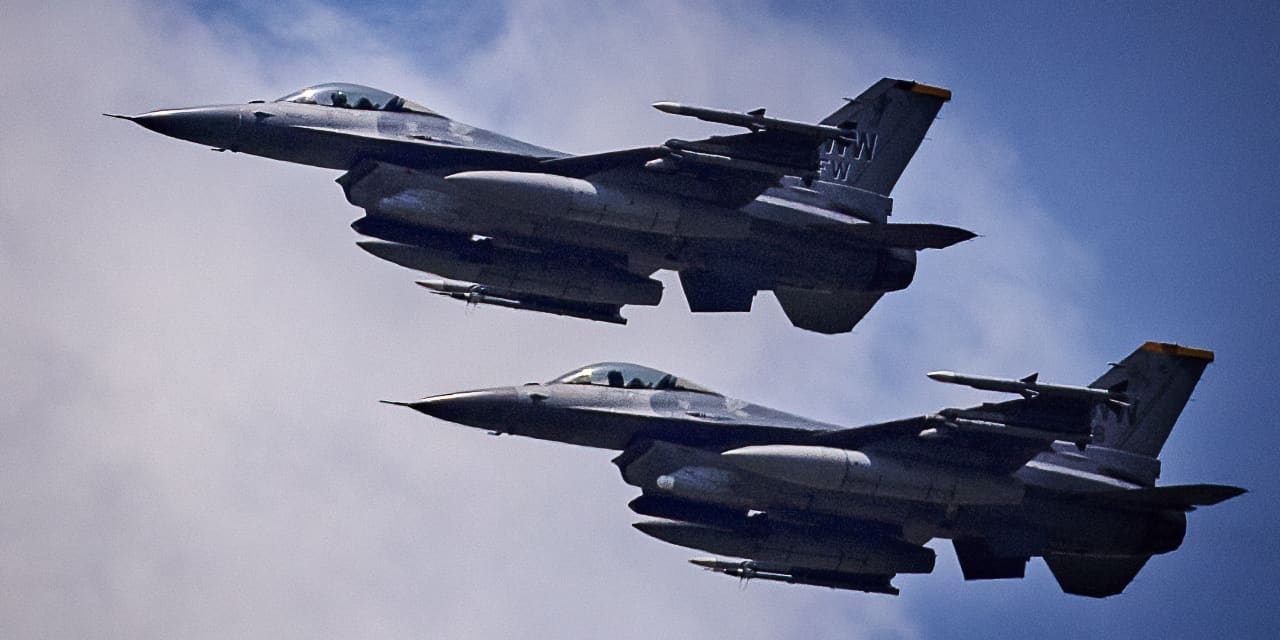
Defense Stocks Struggle to Rise Amid Iran War Escalations: What Could Change That?

Escalating Tensions: President Donald Trump has issued threats against Iran, warning of severe consequences if his demands are not met, which raises concerns about potential conflict in the region.
Impact on Defense Stocks: Despite the rising hostilities in the Middle East, it is anticipated that defense stocks will not see a significant increase due to various underlying factors.

8 Stocks to Consider Following Trump's Landmark $1.5 Trillion Defense Proposal


Trump's 2027 Budget Request: President Donald Trump's budget request for 2027 is expected to positively impact defense stocks.
Industry Variability: The benefits of the budget request will vary across different sectors within the defense industry.
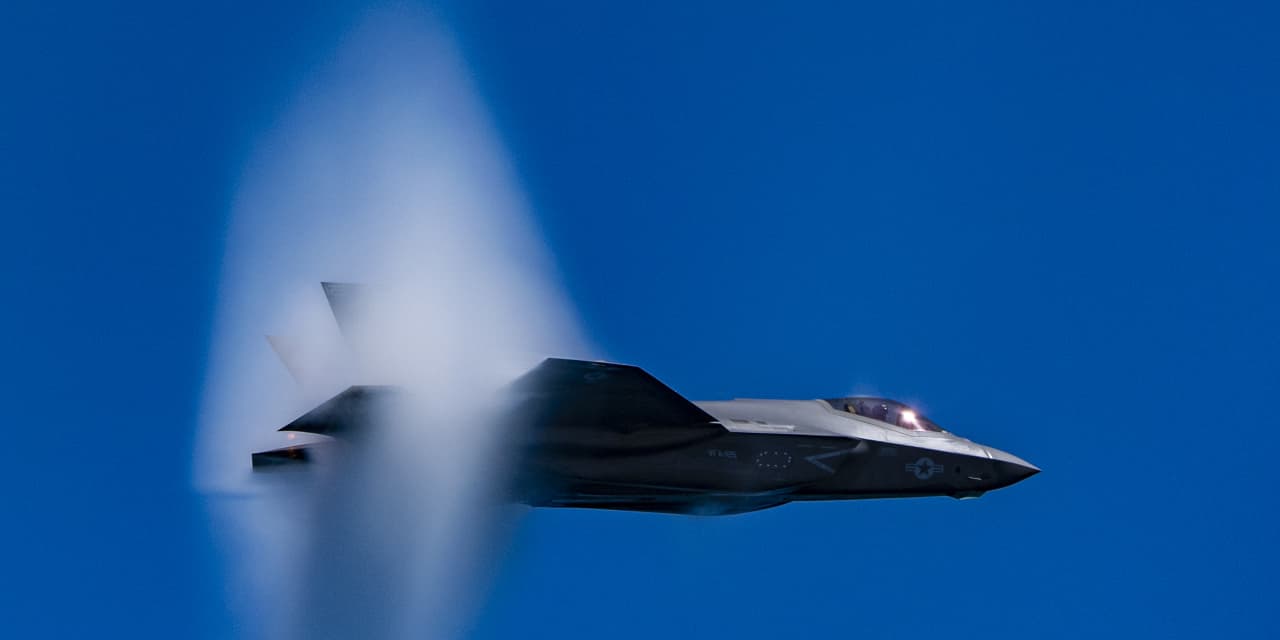
Defense Stocks Face Challenges, But Assistance May Be Coming.
War Expansion: The conflict in the Middle East is escalating, indicating a broader regional impact.
Defense Stocks Decline: Despite the war's expansion, defense stocks are experiencing a downturn.
Potential Positive News: Upcoming news from the U.S. may provide a boost to the defense sector.
Market Reactions: The current situation reflects a complex relationship between geopolitical events and market performance.

Palantir-Associated Drone Stock Declines, Yet Wall Street Remains Optimistic About Its Future.

- Ondas Stock Performance: Shares of Ondas, a company involved in autonomous drones, experienced a decline on Thursday, erasing earlier gains from the week.
- Partnership with Palantir: Ondas is partnered with Palantir, a data analytics company, which may influence investor sentiment despite the stock's recent downturn.
- Wall Street Outlook: Despite the drop in share price, Wall Street analysts indicate a potential for future upside in Ondas' stock performance.
- Market Reaction: The market's reaction to Ondas' stock reflects a mix of optimism and caution, highlighting the volatility in tech-related investments.

Implications of Trump's 15-Point Iran Plan for Defense Stocks


Stock Market Reaction: Stocks are experiencing an upward trend due to optimism surrounding a potential resolution to the Iran war.
Oil Prices Decline: Oil prices are falling as a result of the positive sentiment regarding the peace efforts.
Peace Plan Delivery: Pakistan has presented a 15-point peace plan to Iran on behalf of the United States, contributing to the hopeful outlook.
Geopolitical Implications: The developments in the Iran conflict are influencing global markets, reflecting the interconnectedness of geopolitical events and economic conditions.
Kratos Soars, Lockheed Declines: Defense Stocks Show Mixed Results Following Iran Cease-Fire.
- Market Reaction: Defense stocks showed mixed performance following President Trump's agreement to a cease-fire with Iran.
- Investor Focus: Investors are prioritizing future spending decisions over immediate impacts of the cease-fire on military expenditures.
Defense Stocks Struggle to Rise Amid Iran War Escalations: What Could Change That?
Escalating Tensions: President Donald Trump has issued threats against Iran, warning of severe consequences if his demands are not met, which raises concerns about potential conflict in the region.
Impact on Defense Stocks: Despite the rising hostilities in the Middle East, it is anticipated that defense stocks will not see a significant increase due to various underlying factors.
8 Stocks to Consider Following Trump's Landmark $1.5 Trillion Defense Proposal
Trump's 2027 Budget Request: President Donald Trump's budget request for 2027 is expected to positively impact defense stocks.
Industry Variability: The benefits of the budget request will vary across different sectors within the defense industry.
Defense Stocks Face Challenges, But Assistance May Be Coming.
War Expansion: The conflict in the Middle East is escalating, indicating a broader regional impact.
Defense Stocks Decline: Despite the war's expansion, defense stocks are experiencing a downturn.
Potential Positive News: Upcoming news from the U.S. may provide a boost to the defense sector.
Market Reactions: The current situation reflects a complex relationship between geopolitical events and market performance.
Palantir-Associated Drone Stock Declines, Yet Wall Street Remains Optimistic About Its Future.
- Ondas Stock Performance: Shares of Ondas, a company involved in autonomous drones, experienced a decline on Thursday, erasing earlier gains from the week.
- Partnership with Palantir: Ondas is partnered with Palantir, a data analytics company, which may influence investor sentiment despite the stock's recent downturn.
- Wall Street Outlook: Despite the drop in share price, Wall Street analysts indicate a potential for future upside in Ondas' stock performance.
- Market Reaction: The market's reaction to Ondas' stock reflects a mix of optimism and caution, highlighting the volatility in tech-related investments.
Implications of Trump's 15-Point Iran Plan for Defense Stocks
Stock Market Reaction: Stocks are experiencing an upward trend due to optimism surrounding a potential resolution to the Iran war.
Oil Prices Decline: Oil prices are falling as a result of the positive sentiment regarding the peace efforts.
Peace Plan Delivery: Pakistan has presented a 15-point peace plan to Iran on behalf of the United States, contributing to the hopeful outlook.
Geopolitical Implications: The developments in the Iran conflict are influencing global markets, reflecting the interconnectedness of geopolitical events and economic conditions.