RBC Capital Reaffirms Outperform Rating for Ollie's Bargain Outlet and Increases Price Target to $144
Written by Emily J. Thompson, Senior Investment Analyst
Updated: Aug 18 2025
0mins
Source: Benzinga
Real-time Intelligence: Benzinga Pro offers the fastest news alerts for traders to stay updated on market movements.
Exclusive Content: The platform provides exclusive stories and insights generated by Benzinga reporters.
Community Engagement: Over 10,000 serious traders are part of the Benzinga Pro community, sharing strategies and intelligence.
Market Winning Tool: Traders utilize Benzinga Pro's resources to enhance their trading success in the stock market.
Trade with 70% Backtested Accuracy
Stop guessing "Should I Buy OLLI?" and start using high-conviction signals backed by rigorous historical data.
Sign up today to access powerful investing tools and make smarter, data-driven decisions.
Analyst Views on OLLI
Wall Street analysts forecast OLLI stock price to rise
13 Analyst Rating
10 Buy
3 Hold
0 Sell
Strong Buy
Current: 77.470

Low
120.00
Averages
144.46
High
162.00
Current: 77.470
Low
120.00
Averages
144.46
High
162.00
About OLLI
Ollie's Bargain Outlet Holdings, Inc. operates as a retailer of closeout merchandise and excess inventory. The Company and its subsidiaries principally buys overproduced, overstocked, and closeout merchandise from manufacturers, wholesalers, distributors, brokers, and other retailers. In addition, it augments its name-brand closeout deals with private label products. It offers customers a selection of brand name products, including housewares, bed and bath, food, floor coverings, health and beauty aids, books and stationery, toys, and electronics. The Company operates over 645 stores in 34 states. The Company's retail locations are located in Alabama, Arkansas, Connecticut, Delaware, Florida, Georgia, Illinois, Indiana, Iowa, Kansas, Kentucky, Louisiana, Maryland, Massachusetts, Michigan, Mississippi, Missouri, New Jersey, New York, North Carolina, Ohio, Oklahoma, Pennsylvania, Rhode Island, South Carolina, Tennessee, Texas, Vermont, Virginia, West Virginia, and Wisconsin.
About the author

Emily J. Thompson
Emily J. Thompson, a Chartered Financial Analyst (CFA) with 12 years in investment research, graduated with honors from the Wharton School. Specializing in industrial and technology stocks, she provides in-depth analysis for Intellectia’s earnings and market brief reports.

Oil Price Drop Fuels Retail Stock Surge


- Oil Price Impact: The Brent crude price fell over 5% due to the Iran peace deal, dropping from a peak of $126 to $83, which translates to increased disposable income for consumers, thereby boosting retail spending.
- Reduced Transportation Costs: The decline in oil prices not only alleviates consumer burdens but also lowers transportation and logistics costs for retailers, easing the margin pressures that have built up since the blockade, allowing retailers to operate in a more favorable cost environment for back-to-school and holiday inventory.
- Retail Stock Performance: Discount retailer Ollie's shares surged 4.6%, home improvement retailer Floor And Decor rose 3.5%, and home furniture retailer Arhaus increased by 4.7%, indicating a positive market reaction to the news.
- Consumer Spending Resilience: Despite Arhaus's 34.7% decline since the beginning of the year, the stock's volatility suggests market significance regarding the current news, especially following strong earnings reports from retailers like Target and Lowe's, indicating that consumers are still spending despite inflation pressures.
See More

US Stock Market Turmoil and Corporate Outlook


- Strong Job Data: The May jobs report revealed an increase of 172,000 jobs, slightly down from the revised 179,000 but significantly above the expected 80,000, indicating robust economic recovery that may influence the Federal Reserve's monetary policy direction.
- Lululemon's Dim Outlook: The athletic apparel retailer cut its full-year guidance and provided a weak outlook for the current quarter, leading BTIG to downgrade its rating from buy to hold, resulting in an over 11% drop in premarket trading, reflecting market concerns about its future performance.
- CrowdStrike's Mixed Results: Despite reporting stronger-than-expected results and raising its full-year outlook, CrowdStrike's shares fell 4% as investors questioned why heightened attention to its AI model did not immediately translate into financial results, indicating cautious market sentiment regarding its growth potential.
- Chipotle's Valuation Opportunity: JPMorgan upgraded Chipotle from hold to buy, citing a “rare valuation opportunity” as it trades at levels not seen since 2021, although shares are down 24% year-to-date, analysts believe its quality growth merits attention.
See More

Market Watch: Chip Stocks Decline and IPO Developments


- Chip Stock Decline: Broadcom's failure to raise guidance sufficiently led to a 15% drop in its stock, contributing to a lower open for the S&P 500, which is on track for its first down week in ten, reflecting growing investor concerns over tech stocks.
- CrowdStrike's Strong Quarter: Despite a nearly 10% drop in stock price, CrowdStrike reported a full-year guidance of 27.7% growth in net new annual recurring revenue, a 5.2 percentage point increase over prior guidance, indicating robust performance in the market, although the market reaction was tepid.
- Alphabet's Fundraising Plan: Alphabet plans to sell $85 billion in stock to fund its AI buildout to surpass Anthropic and OpenAI, a move that may prompt other tech giants like Microsoft and Amazon to follow suit, intensifying market fundraising pressures.
- Quantinuum's Successful IPO: Quantum computing company Quantinuum priced its IPO at $60 per share, raising nearly $1.7 billion and achieving a valuation of over $14 billion, demonstrating strong market interest in quantum technology despite the overall bearish market sentiment.
See More

Ollie's Reports Strong Quarterly Earnings Growth
- Significant Sales Growth: Ollie's Bargain Outlet reported a 14% increase in sales to $659 million, indicating strong performance in the retail market, which is expected to further drive market share growth in the future.
- Margin Improvement: Gross margin increased by 80 basis points to 41.9%, primarily due to lower supply chain costs and higher merchandise margins, which will enhance the company's profitability and support long-term financial health.
- Accelerated Store Openings: The company opened 27 new stores in the first quarter, increasing its total store count by over 15% to 672, reflecting Ollie's proactive strategy in expanding market coverage and enhancing customer touchpoints.
- Inventory Management Risks: Although inventory increased by 12% year-over-year, the expansion of new stores may pose risks if sales do not meet expectations, particularly as lower-income consumers are affected by high gas prices, which could challenge future performance.
See More
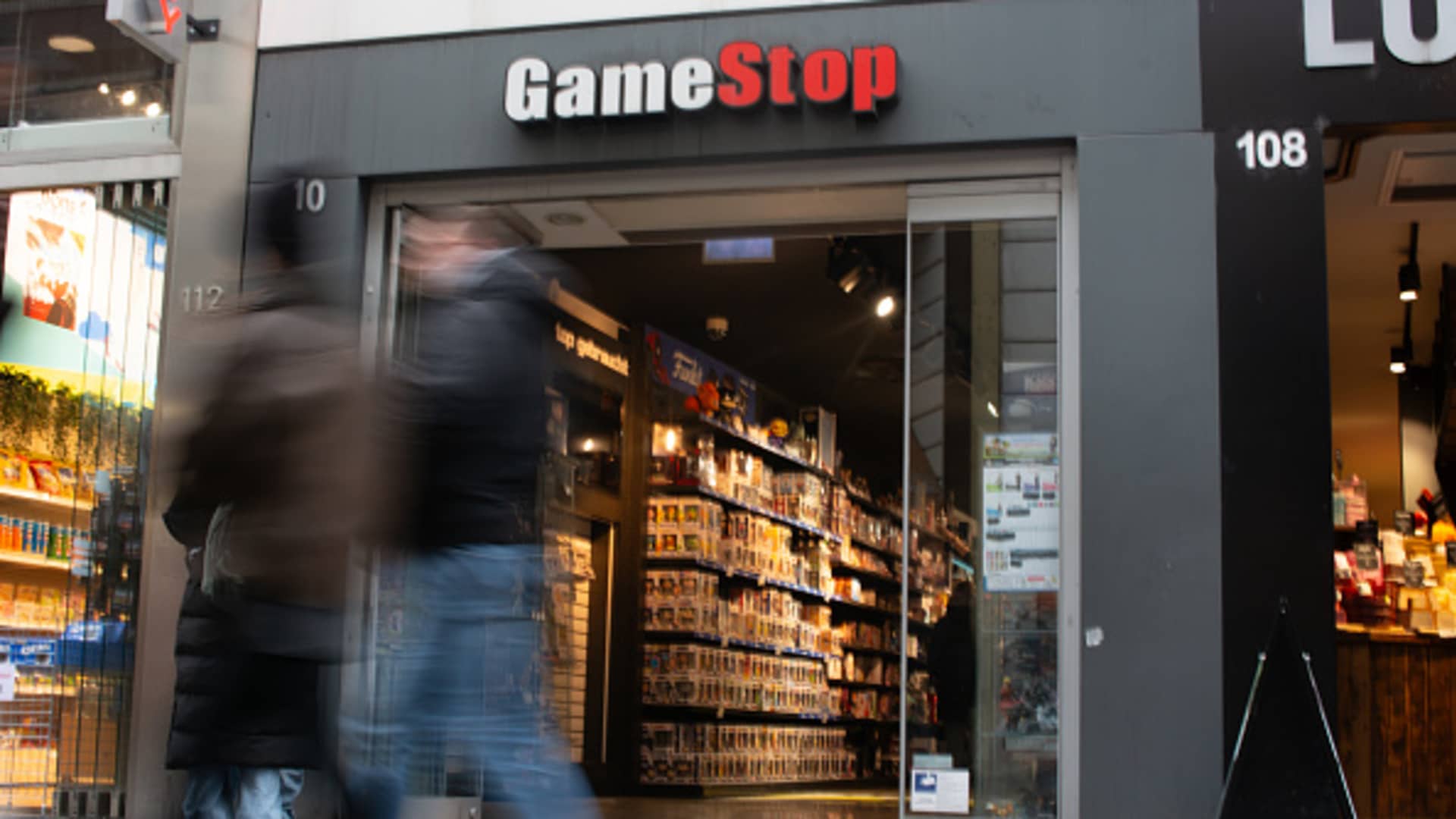
Quantum Computing Stocks Decline, GameStop Shares Rise


- Quantum Stocks Decline: Quantum computing stocks experienced a broad decline, with Rigetti Computing down 10%, D-Wave Quantum down 7%, and IonQ down 4%, indicating that investors opted to cash out after a rally in the previous session, leading to a weakened overall market sentiment.
- GameStop's Strong Earnings: GameStop reported first-quarter revenue of $835.3 million, reflecting a 14% year-over-year increase, and the board approved a $2 billion share repurchase authorization, which not only boosts investor confidence but may also enhance future shareholder returns.
- Energy Stocks Boosted by Oil Prices: Oil prices rose nearly 2% after Israeli Prime Minister Netanyahu indicated readiness to act against Iran, lifting energy stocks, with Exxon Mobil and Marathon Petroleum both gaining 3%, suggesting sustained market optimism regarding energy demand.
- Palo Alto Networks Stock Drop: Despite Palo Alto Networks posting stronger-than-expected revenue guidance, its stock fell nearly 6%, which may reflect market concerns about future growth, especially in light of the company's adjustments to its full-year revenue expectations.
See More

Ollie's Bargain Outlet Reports Significant Q1 Profit Growth
- Profit Growth: Ollie's Bargain Outlet reported a first-quarter profit of $56.40 million, or $0.92 per share, marking a significant increase from last year's $47.56 million and $0.77 per share, indicating strong market performance.
- Adjusted Earnings: Excluding items, the company reported adjusted earnings of $55.91 million, or $0.91 per share, showcasing successful cost control and efficiency improvements, which further bolster investor confidence.
- Revenue Increase: The company's revenue rose 14.2% year-over-year to $658.93 million from $576.77 million last year, reflecting sustained consumer demand for discount retail, driving sales growth.
- Full-Year Guidance: Ollie's provided full-year EPS guidance of $4.45 to $4.55, with expected revenue between $2.980 billion and $3.000 billion, indicating an optimistic outlook for future performance that may attract more investor interest.
See More
Oil Price Drop Fuels Retail Stock Surge
- Oil Price Impact: The Brent crude price fell over 5% due to the Iran peace deal, dropping from a peak of $126 to $83, which translates to increased disposable income for consumers, thereby boosting retail spending.
- Reduced Transportation Costs: The decline in oil prices not only alleviates consumer burdens but also lowers transportation and logistics costs for retailers, easing the margin pressures that have built up since the blockade, allowing retailers to operate in a more favorable cost environment for back-to-school and holiday inventory.
- Retail Stock Performance: Discount retailer Ollie's shares surged 4.6%, home improvement retailer Floor And Decor rose 3.5%, and home furniture retailer Arhaus increased by 4.7%, indicating a positive market reaction to the news.
- Consumer Spending Resilience: Despite Arhaus's 34.7% decline since the beginning of the year, the stock's volatility suggests market significance regarding the current news, especially following strong earnings reports from retailers like Target and Lowe's, indicating that consumers are still spending despite inflation pressures.
See More
US Stock Market Turmoil and Corporate Outlook
- Strong Job Data: The May jobs report revealed an increase of 172,000 jobs, slightly down from the revised 179,000 but significantly above the expected 80,000, indicating robust economic recovery that may influence the Federal Reserve's monetary policy direction.
- Lululemon's Dim Outlook: The athletic apparel retailer cut its full-year guidance and provided a weak outlook for the current quarter, leading BTIG to downgrade its rating from buy to hold, resulting in an over 11% drop in premarket trading, reflecting market concerns about its future performance.
- CrowdStrike's Mixed Results: Despite reporting stronger-than-expected results and raising its full-year outlook, CrowdStrike's shares fell 4% as investors questioned why heightened attention to its AI model did not immediately translate into financial results, indicating cautious market sentiment regarding its growth potential.
- Chipotle's Valuation Opportunity: JPMorgan upgraded Chipotle from hold to buy, citing a “rare valuation opportunity” as it trades at levels not seen since 2021, although shares are down 24% year-to-date, analysts believe its quality growth merits attention.
See More
Market Watch: Chip Stocks Decline and IPO Developments
- Chip Stock Decline: Broadcom's failure to raise guidance sufficiently led to a 15% drop in its stock, contributing to a lower open for the S&P 500, which is on track for its first down week in ten, reflecting growing investor concerns over tech stocks.
- CrowdStrike's Strong Quarter: Despite a nearly 10% drop in stock price, CrowdStrike reported a full-year guidance of 27.7% growth in net new annual recurring revenue, a 5.2 percentage point increase over prior guidance, indicating robust performance in the market, although the market reaction was tepid.
- Alphabet's Fundraising Plan: Alphabet plans to sell $85 billion in stock to fund its AI buildout to surpass Anthropic and OpenAI, a move that may prompt other tech giants like Microsoft and Amazon to follow suit, intensifying market fundraising pressures.
- Quantinuum's Successful IPO: Quantum computing company Quantinuum priced its IPO at $60 per share, raising nearly $1.7 billion and achieving a valuation of over $14 billion, demonstrating strong market interest in quantum technology despite the overall bearish market sentiment.
See More
Ollie's Reports Strong Quarterly Earnings Growth
- Significant Sales Growth: Ollie's Bargain Outlet reported a 14% increase in sales to $659 million, indicating strong performance in the retail market, which is expected to further drive market share growth in the future.
- Margin Improvement: Gross margin increased by 80 basis points to 41.9%, primarily due to lower supply chain costs and higher merchandise margins, which will enhance the company's profitability and support long-term financial health.
- Accelerated Store Openings: The company opened 27 new stores in the first quarter, increasing its total store count by over 15% to 672, reflecting Ollie's proactive strategy in expanding market coverage and enhancing customer touchpoints.
- Inventory Management Risks: Although inventory increased by 12% year-over-year, the expansion of new stores may pose risks if sales do not meet expectations, particularly as lower-income consumers are affected by high gas prices, which could challenge future performance.
See More
Quantum Computing Stocks Decline, GameStop Shares Rise
- Quantum Stocks Decline: Quantum computing stocks experienced a broad decline, with Rigetti Computing down 10%, D-Wave Quantum down 7%, and IonQ down 4%, indicating that investors opted to cash out after a rally in the previous session, leading to a weakened overall market sentiment.
- GameStop's Strong Earnings: GameStop reported first-quarter revenue of $835.3 million, reflecting a 14% year-over-year increase, and the board approved a $2 billion share repurchase authorization, which not only boosts investor confidence but may also enhance future shareholder returns.
- Energy Stocks Boosted by Oil Prices: Oil prices rose nearly 2% after Israeli Prime Minister Netanyahu indicated readiness to act against Iran, lifting energy stocks, with Exxon Mobil and Marathon Petroleum both gaining 3%, suggesting sustained market optimism regarding energy demand.
- Palo Alto Networks Stock Drop: Despite Palo Alto Networks posting stronger-than-expected revenue guidance, its stock fell nearly 6%, which may reflect market concerns about future growth, especially in light of the company's adjustments to its full-year revenue expectations.
See More
Ollie's Bargain Outlet Reports Significant Q1 Profit Growth
- Profit Growth: Ollie's Bargain Outlet reported a first-quarter profit of $56.40 million, or $0.92 per share, marking a significant increase from last year's $47.56 million and $0.77 per share, indicating strong market performance.
- Adjusted Earnings: Excluding items, the company reported adjusted earnings of $55.91 million, or $0.91 per share, showcasing successful cost control and efficiency improvements, which further bolster investor confidence.
- Revenue Increase: The company's revenue rose 14.2% year-over-year to $658.93 million from $576.77 million last year, reflecting sustained consumer demand for discount retail, driving sales growth.
- Full-Year Guidance: Ollie's provided full-year EPS guidance of $4.45 to $4.55, with expected revenue between $2.980 billion and $3.000 billion, indicating an optimistic outlook for future performance that may attract more investor interest.
See More