

QUAL, CMG, FTNT, SLB: Large Outflows Detected at ETF
Written by Emily J. Thompson, Senior Investment Analyst
Updated: Jul 10 2025
0mins


Source: NASDAQ.COM
Stock Performance Overview: QUAL's share price is currently at $184.57, within a 52-week range of $148.34 to $187.26, indicating a strong position relative to its historical performance.
ETFs Trading Dynamics: Exchange traded funds (ETFs) function similarly to stocks, with units that can be created or destroyed based on investor demand, affecting the underlying holdings and market dynamics significantly.
Trade with 70% Backtested Accuracy
Stop guessing "Should I Buy FTNT?" and start using high-conviction signals backed by rigorous historical data.
Sign up today to access powerful investing tools and make smarter, data-driven decisions.
Analyst Views on FTNT
Wall Street analysts forecast FTNT stock price to fall
24 Analyst Rating
3 Buy
18 Hold
3 Sell
Hold
Current: 156.250

Low
70.00
Averages
84.18
High
100.00
Current: 156.250
Low
70.00
Averages
84.18
High
100.00
About FTNT
Fortinet, Inc. is engaged in cybersecurity, driving the convergence of networking and security. The Company's integrated platform, Fortinet Security Fabric, spans secure networking, unified secure access service edge (SASE), and artificial intelligence (AI)-driven security operations (SecOps). Its products and services include FortiOS, FortiASIC, FortiCloud, FortiAI, FortiEndpoint, and OT Security. The FortiGuard Labs is a cybersecurity threat intelligence and research organization comprised of experienced threat hunters, researchers, analysts, engineers, and data scientists who develop and utilize machine learning and AI technologies. FortiGuard and Other Security Services is an AI-powered security that is integrated as part of the Fortinet Security Fabric to deliver detection and enforcement across the entire attack surface. FortiCare Technical Support Service is a technical support service which provides customers with access to operations and maintenance of Fortinet solutions.
About the author

Emily J. Thompson
Emily J. Thompson, a Chartered Financial Analyst (CFA) with 12 years in investment research, graduated with honors from the Wharton School. Specializing in industrial and technology stocks, she provides in-depth analysis for Intellectia’s earnings and market brief reports.

Market Update: SpaceX and Coca-Cola Reach New Highs


- SpaceX Joins Nasdaq: SpaceX was fast-tracked into the Nasdaq-100 on Tuesday, closing its first trading day at $160.95, approximately 30% below its June 16 high of $225.64, indicating strong market interest despite the decline.
- Financial Sector Surge: The S&P Financials sector surged 4.5% in the past week and 7.6% over the month, with 82 out of 85 stocks rising last week, led by Robinhood's impressive 43% increase over three months, reflecting renewed investor confidence in financial stocks.
- Coca-Cola Hits New High: Coca-Cola shares have risen 7.4% over the past three months, reaching a new high, while the S&P Staples sector remained flat, showcasing Coca-Cola's robust performance and stable consumer demand in a challenging market.
- Cybersecurity Stocks Reach All-Time Highs: CrowdStrike, Fortinet, and Palo Alto Networks all achieved record highs on Monday, with CrowdStrike up 100%, Fortinet up 97%, and Palo Alto Networks up 121% over three months, highlighting strong market interest and investment in cybersecurity solutions.
See More

US Stocks Close Higher, Led by Tech Gains


- Strong Market Performance: The S&P 500 rose by 0.72%, reaching a 2.5-week high, while the Dow Jones Industrial Average increased by 0.29%, setting a new all-time high, reflecting robust confidence in tech stocks and chipmakers.
- Supportive Economic Data: The US June ISM services index stood at 54.0, meeting expectations, with the employment sub-index rising to 51.2, surpassing the anticipated 48.2, indicating ongoing economic expansion that may alleviate Fed rate hike pressures.
- Optimistic Earnings Outlook: Bloomberg Intelligence forecasts a 23% increase in Q2 earnings, close to Q1's 30% surge, primarily driven by strong performance in AI infrastructure stocks, expected to contribute nearly 60% of earnings growth, further boosting market sentiment.
- International Market Fluctuations: While US stocks rose, European markets generally declined, with Eurozone May retail sales increasing by only 0.2%, below the expected 0.3%, highlighting uneven global economic recovery that could impact investor confidence.
See More
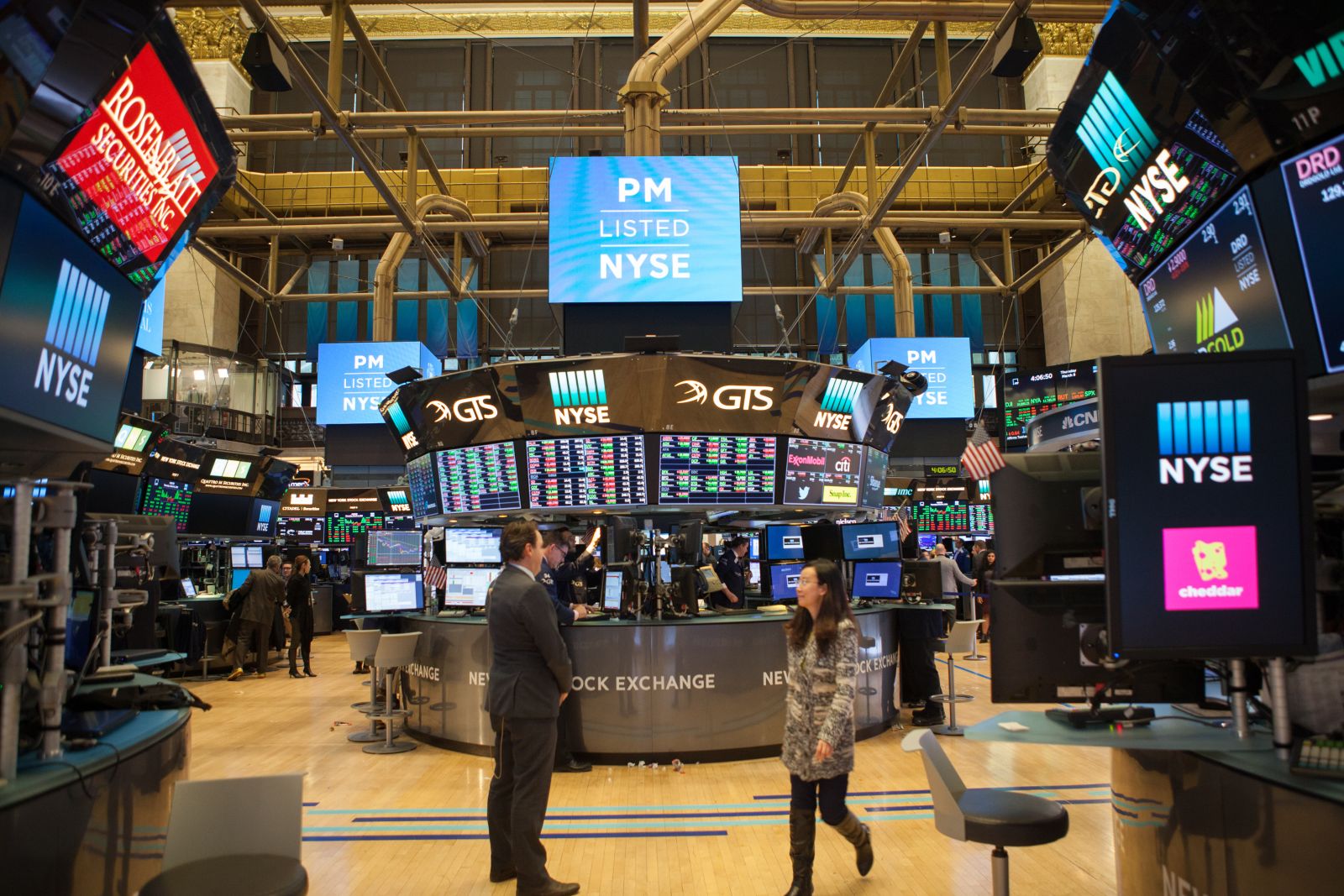
Mixed Performance in US Stocks, Led by Chipmakers


- Chipmaker Rally: Chipmakers and AI infrastructure stocks are leading the market today, with the iShares Semiconductor ETF (SOXX) up over 3%, and Advanced Micro Devices (AMD) and Western Digital (WDC) rising more than 9%, indicating a resurgence of confidence in tech stocks that could drive overall market gains.
- Service Sector Expansion: The US June ISM services index fell to 54.0, meeting expectations, and although the pace of growth has slowed, the employment sub-index rose to 51.2, surpassing the expected 48.2, suggesting that companies are still hiring amid easing cost pressures, potentially supporting economic growth.
- Strong Q2 Earnings Outlook: Bloomberg Intelligence forecasts a 23% increase in Q2 earnings, close to Q1's 30% growth, primarily driven by AI spending, which is expected to account for nearly 60% of S&P 500 earnings-per-share growth, providing an optimistic outlook for investors.
- International Market Volatility: While US markets show positive performance, overseas markets are generally declining, with the Euro Stoxx 50 down 0.43%, reflecting global economic uncertainties that may impact investor sentiment.
See More
US Stocks Show Mixed Movement, Led by Chipmakers
- Market Performance: The S&P 500 Index rose by 0.43% and the Nasdaq 100 Index increased by 1.17%, driven by strong performances from chipmakers and AI infrastructure stocks, reflecting heightened investor confidence in technology shares.
- Oil Price Impact: WTI crude oil prices fell by 0.5% as Saudi Arabia and the UAE ramped up shipments to near pre-war levels, which eased inflation expectations and led to a 2 basis point drop in the 10-year T-note yield to 4.46%, providing support for the bond market.
- Earnings Outlook: Bloomberg Intelligence forecasts a 23% increase in Q2 earnings, close to Q1's 30% growth, indicating that AI spending will be a major driver, expected to contribute nearly 60% to the S&P 500's earnings-per-share growth.
- International Market Dynamics: European stock markets are generally down, with Eurozone May retail sales rising 0.2% month-over-month, below the expected 0.3%, while German May factory orders increased by 1.9%, exceeding the expected 1.1%, indicating a mixed economic recovery.
See More

Fortinet Market Trends and Investment Opportunities Analysis
- Market Trend Insights: Analysts from Fortinet discussed current dynamics in the cybersecurity market during the Motley Fool Scoreboard episode, highlighting the ongoing demand for enterprise security solutions, which is expected to drive the company's future revenue growth.
- Investment Opportunity Assessment: The episode noted that Fortinet's innovation capabilities and market leadership in cybersecurity make it a focal point for potential investors, especially in the context of accelerated digital transformation.
- Stock Price Reference: Based on stock prices from May 13, 2026, Fortinet's stock performance will serve as an important reference for investors assessing its market performance, particularly when analyzing its future growth potential.
- Expert Opinion Sharing: Experts in the episode analyzed Fortinet's financial health and market competitiveness, providing in-depth insights into its long-term investment value, helping investors make more informed decisions.
See More

Fortinet Excluded from Top Investment Stocks List
- Investment Recommendation Analysis: In the latest Motley Fool Scoreboard episode, the analyst team noted that Fortinet was not included in the current top investment stocks list, reflecting a cautious market sentiment regarding its future performance, which could impact investor confidence.
- Market Trend Insights: Although Fortinet holds a certain market position in cybersecurity, its potential returns did not attract analysts' favor compared to the other ten recommended stocks, indicating a competitive disadvantage.
- Historical Return Comparison: The average return of Motley Fool Stock Advisor stands at 918%, significantly outperforming the S&P 500's 208%, suggesting that investors should be cautious in stock selection, and Fortinet's absence may indicate insufficient growth potential.
- Investor Community Engagement: Motley Fool encourages investors to join its community for the latest investment advice and market dynamics, and Fortinet's exclusion may prompt investors to seek other more attractive investment opportunities.
See More
Market Update: SpaceX and Coca-Cola Reach New Highs
- SpaceX Joins Nasdaq: SpaceX was fast-tracked into the Nasdaq-100 on Tuesday, closing its first trading day at $160.95, approximately 30% below its June 16 high of $225.64, indicating strong market interest despite the decline.
- Financial Sector Surge: The S&P Financials sector surged 4.5% in the past week and 7.6% over the month, with 82 out of 85 stocks rising last week, led by Robinhood's impressive 43% increase over three months, reflecting renewed investor confidence in financial stocks.
- Coca-Cola Hits New High: Coca-Cola shares have risen 7.4% over the past three months, reaching a new high, while the S&P Staples sector remained flat, showcasing Coca-Cola's robust performance and stable consumer demand in a challenging market.
- Cybersecurity Stocks Reach All-Time Highs: CrowdStrike, Fortinet, and Palo Alto Networks all achieved record highs on Monday, with CrowdStrike up 100%, Fortinet up 97%, and Palo Alto Networks up 121% over three months, highlighting strong market interest and investment in cybersecurity solutions.
See More
US Stocks Close Higher, Led by Tech Gains
- Strong Market Performance: The S&P 500 rose by 0.72%, reaching a 2.5-week high, while the Dow Jones Industrial Average increased by 0.29%, setting a new all-time high, reflecting robust confidence in tech stocks and chipmakers.
- Supportive Economic Data: The US June ISM services index stood at 54.0, meeting expectations, with the employment sub-index rising to 51.2, surpassing the anticipated 48.2, indicating ongoing economic expansion that may alleviate Fed rate hike pressures.
- Optimistic Earnings Outlook: Bloomberg Intelligence forecasts a 23% increase in Q2 earnings, close to Q1's 30% surge, primarily driven by strong performance in AI infrastructure stocks, expected to contribute nearly 60% of earnings growth, further boosting market sentiment.
- International Market Fluctuations: While US stocks rose, European markets generally declined, with Eurozone May retail sales increasing by only 0.2%, below the expected 0.3%, highlighting uneven global economic recovery that could impact investor confidence.
See More
Mixed Performance in US Stocks, Led by Chipmakers
- Chipmaker Rally: Chipmakers and AI infrastructure stocks are leading the market today, with the iShares Semiconductor ETF (SOXX) up over 3%, and Advanced Micro Devices (AMD) and Western Digital (WDC) rising more than 9%, indicating a resurgence of confidence in tech stocks that could drive overall market gains.
- Service Sector Expansion: The US June ISM services index fell to 54.0, meeting expectations, and although the pace of growth has slowed, the employment sub-index rose to 51.2, surpassing the expected 48.2, suggesting that companies are still hiring amid easing cost pressures, potentially supporting economic growth.
- Strong Q2 Earnings Outlook: Bloomberg Intelligence forecasts a 23% increase in Q2 earnings, close to Q1's 30% growth, primarily driven by AI spending, which is expected to account for nearly 60% of S&P 500 earnings-per-share growth, providing an optimistic outlook for investors.
- International Market Volatility: While US markets show positive performance, overseas markets are generally declining, with the Euro Stoxx 50 down 0.43%, reflecting global economic uncertainties that may impact investor sentiment.
See More
US Stocks Show Mixed Movement, Led by Chipmakers
- Market Performance: The S&P 500 Index rose by 0.43% and the Nasdaq 100 Index increased by 1.17%, driven by strong performances from chipmakers and AI infrastructure stocks, reflecting heightened investor confidence in technology shares.
- Oil Price Impact: WTI crude oil prices fell by 0.5% as Saudi Arabia and the UAE ramped up shipments to near pre-war levels, which eased inflation expectations and led to a 2 basis point drop in the 10-year T-note yield to 4.46%, providing support for the bond market.
- Earnings Outlook: Bloomberg Intelligence forecasts a 23% increase in Q2 earnings, close to Q1's 30% growth, indicating that AI spending will be a major driver, expected to contribute nearly 60% to the S&P 500's earnings-per-share growth.
- International Market Dynamics: European stock markets are generally down, with Eurozone May retail sales rising 0.2% month-over-month, below the expected 0.3%, while German May factory orders increased by 1.9%, exceeding the expected 1.1%, indicating a mixed economic recovery.
See More
Fortinet Market Trends and Investment Opportunities Analysis
- Market Trend Insights: Analysts from Fortinet discussed current dynamics in the cybersecurity market during the Motley Fool Scoreboard episode, highlighting the ongoing demand for enterprise security solutions, which is expected to drive the company's future revenue growth.
- Investment Opportunity Assessment: The episode noted that Fortinet's innovation capabilities and market leadership in cybersecurity make it a focal point for potential investors, especially in the context of accelerated digital transformation.
- Stock Price Reference: Based on stock prices from May 13, 2026, Fortinet's stock performance will serve as an important reference for investors assessing its market performance, particularly when analyzing its future growth potential.
- Expert Opinion Sharing: Experts in the episode analyzed Fortinet's financial health and market competitiveness, providing in-depth insights into its long-term investment value, helping investors make more informed decisions.
See More
Fortinet Excluded from Top Investment Stocks List
- Investment Recommendation Analysis: In the latest Motley Fool Scoreboard episode, the analyst team noted that Fortinet was not included in the current top investment stocks list, reflecting a cautious market sentiment regarding its future performance, which could impact investor confidence.
- Market Trend Insights: Although Fortinet holds a certain market position in cybersecurity, its potential returns did not attract analysts' favor compared to the other ten recommended stocks, indicating a competitive disadvantage.
- Historical Return Comparison: The average return of Motley Fool Stock Advisor stands at 918%, significantly outperforming the S&P 500's 208%, suggesting that investors should be cautious in stock selection, and Fortinet's absence may indicate insufficient growth potential.
- Investor Community Engagement: Motley Fool encourages investors to join its community for the latest investment advice and market dynamics, and Fortinet's exclusion may prompt investors to seek other more attractive investment opportunities.
See More





