Peter Thiel Sells Stakes in Tesla and Microsoft
Written by Emily J. Thompson, Senior Investment Analyst
Updated: Apr 13 2026
0mins
Source: NASDAQ.COM
- Portfolio Shift: Billionaire Peter Thiel sold his stakes in Tesla and Microsoft in Q4, previously holding 73% of his portfolio in these two stocks, indicating concerns over future growth prospects.
- Tesla's Market Challenges: While Tesla has potential in autonomous driving and humanoid robots, its electric vehicle business faced market share declines last year, compounded by CEO Elon Musk's political involvement that stirred controversy and led to a loss of leadership in key markets.
- Microsoft's AI Strategy Dilemma: Microsoft's stock fell nearly 25% in Q1 due to investor concerns over its AI strategy, despite a 160% increase in paid users for its Copilot product, highlighting a disconnect between growth metrics and market confidence.
- Rising Capital Expenditures: Microsoft is projected to exceed $140 billion in capital expenditures in fiscal 2026, a 59% increase from $88 billion in fiscal 2025, yet slowing cloud revenue growth raises concerns about its future profitability.
Trade with 70% Backtested Accuracy
Stop guessing "Should I Buy TSLA?" and start using high-conviction signals backed by rigorous historical data.
Sign up today to access powerful investing tools and make smarter, data-driven decisions.
Analyst Views on TSLA
Wall Street analysts forecast TSLA stock price to fall
30 Analyst Rating
12 Buy
11 Hold
7 Sell
Hold
Current: 425.300

Low
25.28
Averages
401.93
High
600.00
Current: 425.300
Low
25.28
Averages
401.93
High
600.00
About TSLA
Tesla, Inc. designs, develops, manufactures, sells and leases high-performance fully electric vehicles and energy generation and storage systems, and offers services related to its products. Its segments include automotive, and energy generation and storage. The automotive segment includes the design, development, manufacturing, sales and leasing of high-performance fully electric vehicles, and sales of automotive regulatory credits. It also includes sales of used vehicles, non-warranty maintenance services and collisions, part sales, paid supercharging, insurance services revenue and retail merchandise sales. The energy generation and storage segment include the design, manufacture, installation, sales and leasing of solar energy generation and energy storage products and related services and sales of solar energy systems incentives. Its consumer vehicles include the Model 3, Y, S, X and Cybertruck. Its lithium-ion battery energy storage products include Powerwall and Megapack.
About the author

Emily J. Thompson
Emily J. Thompson, a Chartered Financial Analyst (CFA) with 12 years in investment research, graduated with honors from the Wharton School. Specializing in industrial and technology stocks, she provides in-depth analysis for Intellectia’s earnings and market brief reports.
Tesla Q2 Deliveries Exceed Expectations, Stock Drops

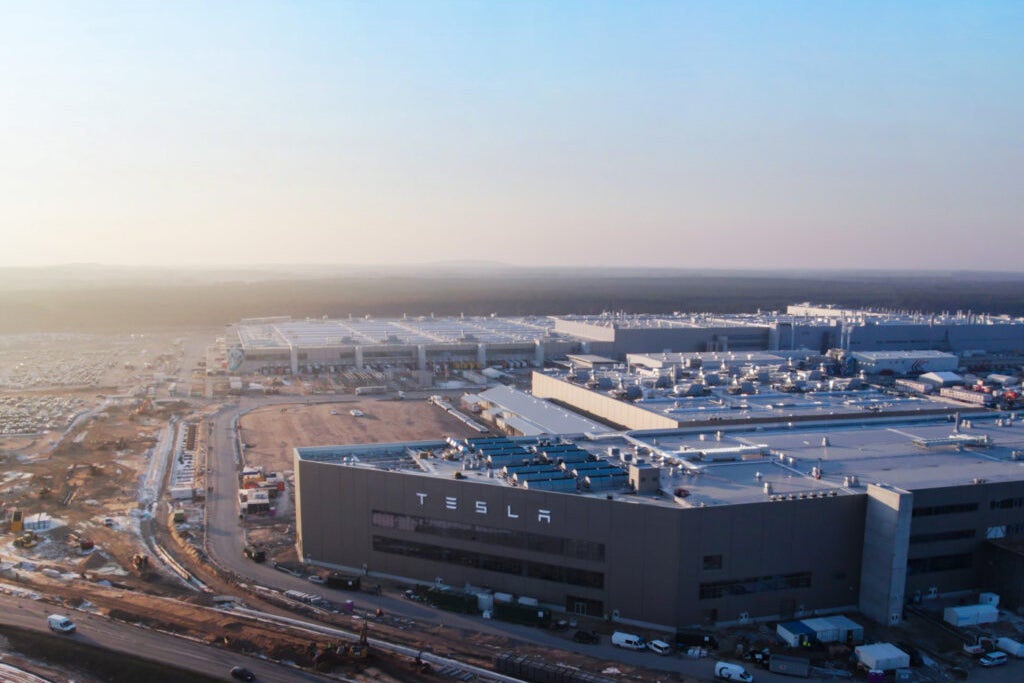
- Strong Delivery Numbers: Tesla delivered 480,126 vehicles in Q2 2026, surpassing Wall Street's forecast of 406,000 by approximately 18%, indicating robust demand for Model 3 and Model Y in key markets, despite the retirement of Model S and X.
- Market Reaction: Despite the impressive delivery figures, Tesla's stock fell sharply by 7.5% on Thursday, marking its worst day since July 2025, reflecting investor concerns over the lack of updates on AI initiatives and new vehicle models.
- Divergent Analyst Views: Morgan Stanley's Andrew Percoco described the delivery as a clear upside surprise but maintained an 'Equal Weight' rating with a $415 price target, while Truist's William Stein raised his target to $430, keeping a Hold rating and emphasizing the need for updates on AI developments.
- Investor Sentiment Shift: Despite strong delivery results, retail sentiment on Stocktwits remained bullish, with 53% of respondents indicating they would buy or add to their positions post-report, reflecting confidence in Tesla's growth potential, yet also highlighting concerns over stock volatility.
See More

Tesla Q2 2026 Performance Preview
- Production and Delivery Metrics: In Q2 2026, Tesla produced over 450,000 vehicles and delivered over 480,000, indicating strong demand and sustained growth potential in the electric vehicle market.
- Energy Storage Deployment: The company deployed 13.5 GWh of energy storage products in the same quarter, further solidifying its market position in renewable energy solutions and driving diversified business growth.
- Earnings Release Schedule: Tesla plans to announce its Q2 financial results after market close on July 22, 2026, and will conduct a live Q&A session, enhancing investor interaction and transparency.
- Diverse Financial Performance: While vehicle deliveries and storage deployments are key performance indicators, Tesla emphasizes that quarterly financial results will also be influenced by average selling prices, cost of sales, and foreign exchange fluctuations, reflecting a comprehensive focus on financial health.
See More
Analysis of Nasdaq-100 Index Pullback


- Tech Giants Underperform: In the first half of 2026, the Nasdaq-100 index fell 3% due to sluggish performance from the 'Magnificent Seven,' with Microsoft plummeting over 23%, indicating increasing market concerns about tech stocks.
- Semiconductor Stocks Surge: Despite the underperformance of the 'Magnificent Seven,' semiconductor stocks like Micron Technology and AMD have more than doubled this year, offsetting some of the index's decline and reflecting strong demand for AI chips.
- Historical Buying Opportunities: Historical data suggests that market pullbacks often present the best buying opportunities, as the Invesco QQQ ETF has delivered an 11% annual return since its inception in 1999, even after enduring five bear markets, allowing long-term investors to reap substantial rewards.
- Attractive Valuations: Most of the 'Magnificent Seven' stocks are currently trading at P/E ratios below 30, with Nvidia at just 29.8, significantly lower than its 10-year average, indicating that the investment value of these high-quality stocks is becoming increasingly recognized by the market.
See More

Alphabet Leads in Autonomous Driving Market

- Autonomous Driving Progress: Alphabet's Waymo has surpassed 500,000 fully autonomous rides per week, doubling its capacity in less than a year, which highlights its leadership in the autonomous driving sector and may attract increased investor interest.
- City Expansion: Waymo operates in 11 major cities, adding six new ones in 2026, which not only enhances its market coverage but also accelerates the adoption of autonomous driving technology, further solidifying its market leadership.
- Advertising and Cloud Services: In Q1 2026, advertising accounted for 70% of Alphabet's total revenue, while Google Cloud contributed 18%, indicating that its core business remains robust and provides ample funding for investments in new technologies.
- Reasonable Stock Valuation: With a trailing P/E ratio of 30, which is close to its 10-year average and 16% below its late-2025 peak, Alphabet's current stock price appears reasonable, potentially offering investors a good entry point.
See More
Texas Man Charged After Tesla Crash Kills Woman
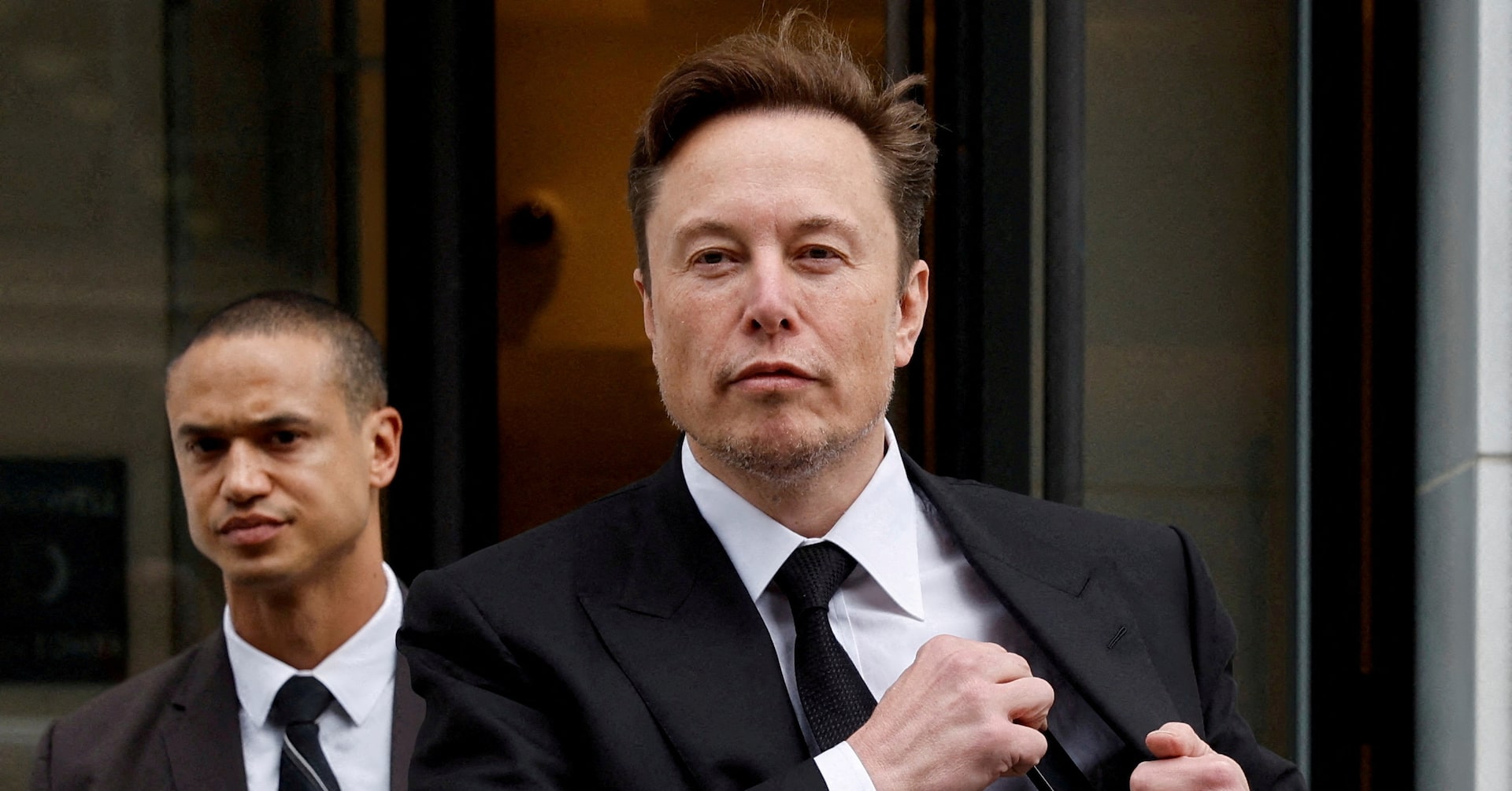
- Legal Accountability: Texas man Michael David Butler has been charged with manslaughter after his Tesla Model 3, operating in Full Self-Driving mode, crashed into a home, resulting in the death of 76-year-old Martha Avila, highlighting significant safety concerns surrounding autonomous driving technology.
- Driving Behavior Investigation: Butler was making a DoorDash delivery when he reportedly passed out while changing the music, indicating that distractions while using autonomous driving features can lead to severe consequences, raising further questions about the safety of such systems.
- Tesla's Defense: Tesla CEO Elon Musk has disputed Butler's claims, asserting that vehicles in Full Self-Driving mode
See More

Analysis of SpaceX's Stock Volatility Post-IPO

- Strong IPO Performance: SpaceX's debut in the largest IPO in history was successful, and despite a pullback in stock price, analysts view this as a potential buying opportunity, with an average price target of $188.17 indicating a 19% upside from current levels.
- Market Leadership: SpaceX dominates the orbital launch market, and its Starlink service, which provides high-speed internet via low Earth orbit satellites, significantly outpaces competitors, positioning the company for future revenue growth.
- Massive Market Potential: The company estimates its total addressable market across space, internet connectivity, and artificial intelligence to be $28.5 trillion, and capturing even a fraction of this over the next decade could dramatically increase its revenue and share price.
- Investment Risk Warning: Despite SpaceX's first-mover advantage and economies of scale, its financial results show a revenue of $18.7 billion last year with a loss of nearly $5 billion, prompting caution among investors who may want to wait for a more significant pullback before entering the stock.
See More
Tesla Q2 Deliveries Exceed Expectations, Stock Drops
- Strong Delivery Numbers: Tesla delivered 480,126 vehicles in Q2 2026, surpassing Wall Street's forecast of 406,000 by approximately 18%, indicating robust demand for Model 3 and Model Y in key markets, despite the retirement of Model S and X.
- Market Reaction: Despite the impressive delivery figures, Tesla's stock fell sharply by 7.5% on Thursday, marking its worst day since July 2025, reflecting investor concerns over the lack of updates on AI initiatives and new vehicle models.
- Divergent Analyst Views: Morgan Stanley's Andrew Percoco described the delivery as a clear upside surprise but maintained an 'Equal Weight' rating with a $415 price target, while Truist's William Stein raised his target to $430, keeping a Hold rating and emphasizing the need for updates on AI developments.
- Investor Sentiment Shift: Despite strong delivery results, retail sentiment on Stocktwits remained bullish, with 53% of respondents indicating they would buy or add to their positions post-report, reflecting confidence in Tesla's growth potential, yet also highlighting concerns over stock volatility.
See More
Tesla Q2 2026 Performance Preview
- Production and Delivery Metrics: In Q2 2026, Tesla produced over 450,000 vehicles and delivered over 480,000, indicating strong demand and sustained growth potential in the electric vehicle market.
- Energy Storage Deployment: The company deployed 13.5 GWh of energy storage products in the same quarter, further solidifying its market position in renewable energy solutions and driving diversified business growth.
- Earnings Release Schedule: Tesla plans to announce its Q2 financial results after market close on July 22, 2026, and will conduct a live Q&A session, enhancing investor interaction and transparency.
- Diverse Financial Performance: While vehicle deliveries and storage deployments are key performance indicators, Tesla emphasizes that quarterly financial results will also be influenced by average selling prices, cost of sales, and foreign exchange fluctuations, reflecting a comprehensive focus on financial health.
See More
Analysis of Nasdaq-100 Index Pullback
- Tech Giants Underperform: In the first half of 2026, the Nasdaq-100 index fell 3% due to sluggish performance from the 'Magnificent Seven,' with Microsoft plummeting over 23%, indicating increasing market concerns about tech stocks.
- Semiconductor Stocks Surge: Despite the underperformance of the 'Magnificent Seven,' semiconductor stocks like Micron Technology and AMD have more than doubled this year, offsetting some of the index's decline and reflecting strong demand for AI chips.
- Historical Buying Opportunities: Historical data suggests that market pullbacks often present the best buying opportunities, as the Invesco QQQ ETF has delivered an 11% annual return since its inception in 1999, even after enduring five bear markets, allowing long-term investors to reap substantial rewards.
- Attractive Valuations: Most of the 'Magnificent Seven' stocks are currently trading at P/E ratios below 30, with Nvidia at just 29.8, significantly lower than its 10-year average, indicating that the investment value of these high-quality stocks is becoming increasingly recognized by the market.
See More
Alphabet Leads in Autonomous Driving Market
- Autonomous Driving Progress: Alphabet's Waymo has surpassed 500,000 fully autonomous rides per week, doubling its capacity in less than a year, which highlights its leadership in the autonomous driving sector and may attract increased investor interest.
- City Expansion: Waymo operates in 11 major cities, adding six new ones in 2026, which not only enhances its market coverage but also accelerates the adoption of autonomous driving technology, further solidifying its market leadership.
- Advertising and Cloud Services: In Q1 2026, advertising accounted for 70% of Alphabet's total revenue, while Google Cloud contributed 18%, indicating that its core business remains robust and provides ample funding for investments in new technologies.
- Reasonable Stock Valuation: With a trailing P/E ratio of 30, which is close to its 10-year average and 16% below its late-2025 peak, Alphabet's current stock price appears reasonable, potentially offering investors a good entry point.
See More
Texas Man Charged After Tesla Crash Kills Woman
- Legal Accountability: Texas man Michael David Butler has been charged with manslaughter after his Tesla Model 3, operating in Full Self-Driving mode, crashed into a home, resulting in the death of 76-year-old Martha Avila, highlighting significant safety concerns surrounding autonomous driving technology.
- Driving Behavior Investigation: Butler was making a DoorDash delivery when he reportedly passed out while changing the music, indicating that distractions while using autonomous driving features can lead to severe consequences, raising further questions about the safety of such systems.
- Tesla's Defense: Tesla CEO Elon Musk has disputed Butler's claims, asserting that vehicles in Full Self-Driving mode
See More
Analysis of SpaceX's Stock Volatility Post-IPO
- Strong IPO Performance: SpaceX's debut in the largest IPO in history was successful, and despite a pullback in stock price, analysts view this as a potential buying opportunity, with an average price target of $188.17 indicating a 19% upside from current levels.
- Market Leadership: SpaceX dominates the orbital launch market, and its Starlink service, which provides high-speed internet via low Earth orbit satellites, significantly outpaces competitors, positioning the company for future revenue growth.
- Massive Market Potential: The company estimates its total addressable market across space, internet connectivity, and artificial intelligence to be $28.5 trillion, and capturing even a fraction of this over the next decade could dramatically increase its revenue and share price.
- Investment Risk Warning: Despite SpaceX's first-mover advantage and economies of scale, its financial results show a revenue of $18.7 billion last year with a loss of nearly $5 billion, prompting caution among investors who may want to wait for a more significant pullback before entering the stock.
See More