PepsiCo Beats Expectations, Stock Rises 1%
Written by Emily J. Thompson, Senior Investment Analyst
Updated: Apr 16 2026
0mins


Source: CNBC
- Earnings Beat: PepsiCo reported first-quarter adjusted earnings of $1.61 per share on revenues of $19.44 billion, surpassing analyst expectations of $1.55 and $18.94 billion, resulting in a 1% stock increase, indicating strong performance in a competitive market.
- Price Increase Strategy: PPG Industries announced a global price increase of up to 20%, leading to a 6% stock rise, driven by rising raw material and packaging costs due to volatility in petrochemical, energy, and transportation markets, showcasing the company's proactive approach to cost pressures.
- Space Tech Advancement: Voyager Technologies' stock jumped 7% after being selected by NASA for its seventh private astronaut mission, expected to launch no earlier than 2028, marking a significant recognition and advancement in the space technology sector.
- REIT Challenges: SL Green Realty's shares fell 2% despite net rental revenue of approximately $166 million exceeding expectations of $144.5 million, as funds from operations per share dropped to $0.84 from $1.40 last year, reflecting pressures in the real estate market.
Trade with 70% Backtested Accuracy
Stop guessing "Should I Buy PEP?" and start using high-conviction signals backed by rigorous historical data.
Sign up today to access powerful investing tools and make smarter, data-driven decisions.
Analyst Views on PEP
Wall Street analysts forecast PEP stock price to rise
12 Analyst Rating
6 Buy
6 Hold
0 Sell
Moderate Buy
Current: 141.590

Low
144.00
Averages
161.90
High
172.00
Current: 141.590
Low
144.00
Averages
161.90
High
172.00
About PEP
PepsiCo, Inc. is a global beverage and convenient food company. The Company’s segments include PepsiCo Foods North America (PFNA), PepsiCo Beverages North America (PBNA), International Beverages Franchise (IB Franchise), Europe, Middle East and Africa (EMEA), Latin America Foods (LatAm Foods), and Asia Pacific Foods. PFNA segment includes all of its convenient food businesses in the United States and Canada. PBNA segment includes all of its beverage businesses in the United States and Canada. IB Franchise segment includes its international franchise beverage businesses, as well as its SodaStream business. EMEA segment includes its convenient food businesses and beverage businesses with Company-owned bottlers in Europe, the Middle East and Africa. LatAm Foods segment includes all of its convenient food businesses in Latin America. Asia Pacific Foods segment consists of its convenient food businesses in Asia Pacific, including China, Australia and New Zealand, as well as India.
About the author

Emily J. Thompson
Emily J. Thompson, a Chartered Financial Analyst (CFA) with 12 years in investment research, graduated with honors from the Wharton School. Specializing in industrial and technology stocks, she provides in-depth analysis for Intellectia’s earnings and market brief reports.
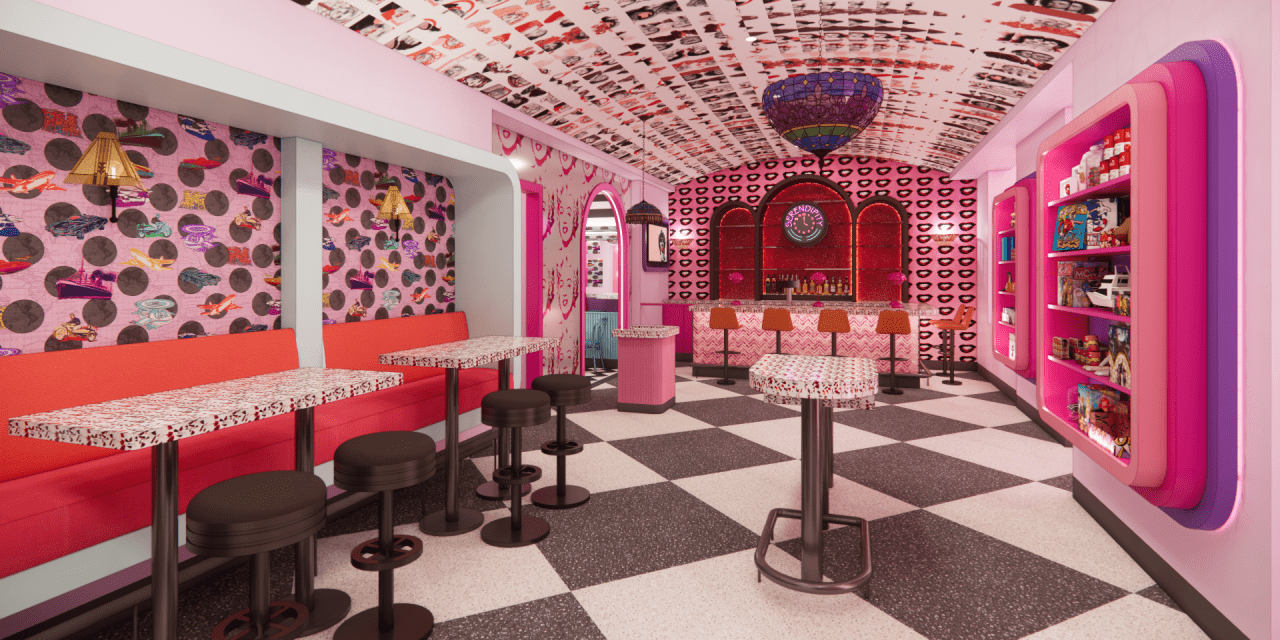
U.S. Food Companies Navigate Changes to SNAP Policies


- Impact of SNAP Policies: As of May, the USDA has approved food restriction waivers in 23 states affecting about one-third of SNAP participants, with estimates suggesting a potential $830 million drop in food and beverage sales this year, compelling companies to reassess their product lines to adapt to shifting consumer spending.
- Consumer Spending Pressure: Kroger CEO Greg Foran highlighted that customers are under financial pressure due to reduced SNAP benefits and rising gas prices, leading to more cautious shopping behavior, indicating that changes in market demand could significantly influence food companies' sales strategies.
- Legislative Push for Healthy Eating: Iowa has become the first state to codify elements of the
See More

SNAP Restrictions Impact Food Sales

- Sales Decline Forecast: According to Numerator, SNAP purchase restrictions have been approved in 23 states, potentially reducing food and beverage sales by up to $830 million, affecting about one-third of recipients, indicating a direct impact of policy on the food industry.
- Consumer Behavior Shift: Kroger CEO Greg Foran noted that customers are under pressure due to reduced SNAP benefits and rising gas prices, shopping more cautiously, which suggests significant changes in consumer spending patterns that may affect retailers' sales strategies.
- Accelerated Product Reformulation: As the MAHA movement gains traction, food manufacturers are accelerating product reformulations, with many companies pledging to phase out artificial colors by 2027, reflecting the industry's response and adaptation to health trends.
- Increased Market Competition: Major food companies like Hershey and Kraft Heinz are closely monitoring shopper behavior to assess the impact of new policies on their product lines, indicating that businesses need to quickly adjust to maintain market share amid policy changes.
See More
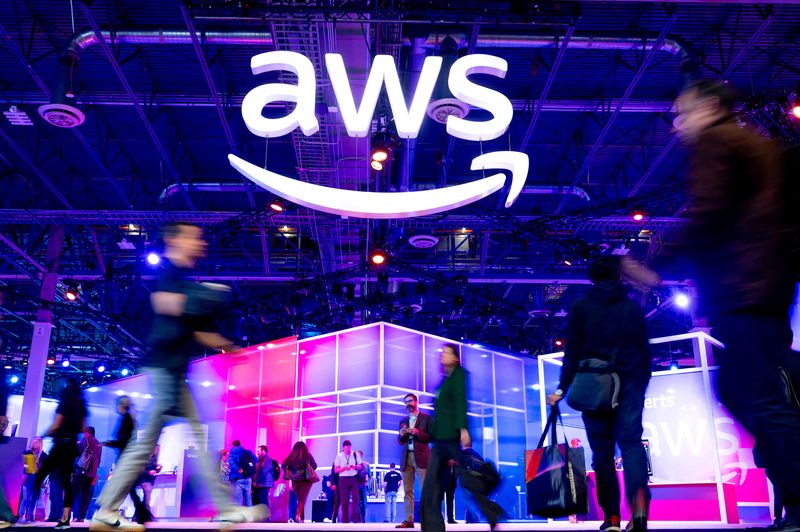
Grand Opening of the Obama Presidential Center


- Grand Celebration: The Obama Presidential Center opened on May 29, 2026, in Chicago, attracting numerous donors and business leaders, and is expected to be the largest gathering ahead of the 2026 midterm elections, highlighting Obama's historical achievements.
- Political Future Discussions: Informal conversations among donors and business leaders about the future of the Democratic Party and fundraising will take place during the event, reflecting a pressing need to regain control of Congress and showcasing the intertwining of politics and business.
- Non-Partisan Stance: Valerie Jarrett, CEO of the Obama Foundation, emphasized that despite the political undertones, the center, as a non-profit entity, aims to foster healthy dialogue among diverse political perspectives, embodying the core values of a democratic society.
- Economic and Community Development: Business leaders like Calvin Butler noted that the opening of the Obama Center will spur economic growth and community stability, underscoring the importance of bipartisan cooperation to address significant policy challenges facing the nation.
See More
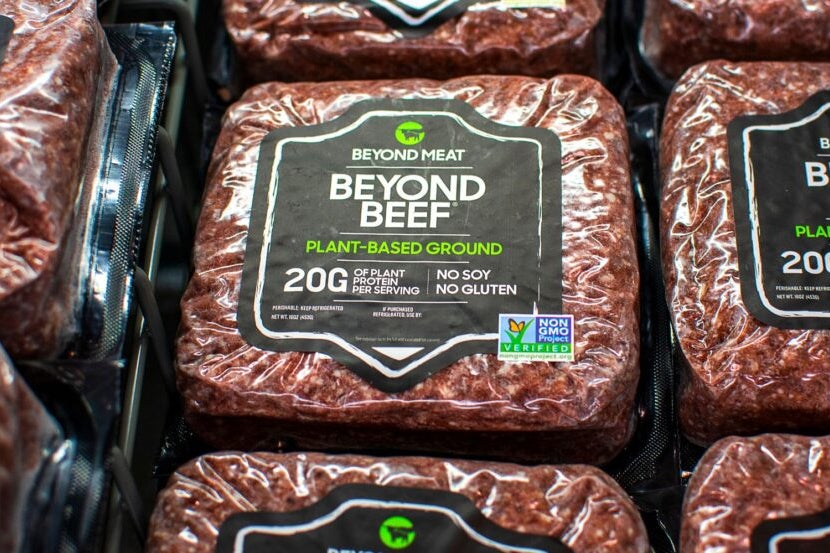
Analysis of Beyond Meat's Stock Price Collapse


- Revenue Decline: Beyond Meat's revenue has plummeted from $465 million in 2021 to $276 million in 2025, indicating four consecutive years of no growth, which reflects a challenging market environment with declining demand and increased competition.
- Gross Margin Erosion: The company's aggressive markdowns to liquidate inventory have led to a drastic reduction in gross margin from 25.2% in 2021 to 2.8% in 2025, severely impacting profitability and exacerbating its financial struggles.
- Strategic Transformation Challenges: Beyond Meat aims to rebrand itself with new products like
See More

Yum Brands Sells Pizza Hut for $1.5 Billion to LongRange Capital
- Transaction Overview: Yum Brands announced the sale of Pizza Hut to private equity firm LongRange Capital for approximately $1.5 billion, excluding mainland China locations, which will be acquired separately by Yum China for about $1.2 billion, with the overall deal expected to yield around $2.3 billion in net proceeds, highlighting the company's focus on asset restructuring.
- Competitive Market Pressure: Pizza Hut faces ongoing market share erosion from rival Domino's Pizza in the U.S., while third-party delivery platforms like DoorDash have further diminished its sales, reflecting the company's struggle to adapt to market demands during its transition, negatively impacting overall financial performance.
- Strategic Restructuring Decision: Yum's management determined that selling Pizza Hut represents the strongest path to maximize shareholder value, aiming to provide the brand with an ownership structure better aligned with its market characteristics and long-term priorities, indicating a strategic shift in response to competitive pressures.
- Historical Context and Future Outlook: Founded in 1958, Pizza Hut was once the largest pizza chain globally but lost that title in 2017; with the completion of this sale, it will sever its long-standing ties with Yum's other brands like Taco Bell and KFC, allowing it to focus on new market strategies moving forward.
See More
Yum Brands Sells Pizza Hut, Ending Years of Struggles
- Sale Announcement: Yum Brands has announced the sale of Pizza Hut to private equity firm LongRange Capital, marking the end of years of struggles for the brand that have negatively impacted Yum's overall financial performance.
- Market Competition: In the U.S., Pizza Hut has shifted from traditional dine-in formats to focus on delivery and carryout, yet it has been losing market share to rival Domino's Pizza, highlighting its lag in adapting to industry changes.
- Historical Context: Founded in 1958 in Wichita, Kansas, Pizza Hut went public in 1969 and became the largest pizza chain by 1971, but it lost that title to Domino's in 2017, reflecting significant market challenges for the brand.
- Brand Relationship Break: This deal severs Pizza Hut's long-standing ties with Yum's other brands like Taco Bell and KFC, indicating a shift towards an independent operational structure that may influence its future strategic direction.
See More
U.S. Food Companies Navigate Changes to SNAP Policies
- Impact of SNAP Policies: As of May, the USDA has approved food restriction waivers in 23 states affecting about one-third of SNAP participants, with estimates suggesting a potential $830 million drop in food and beverage sales this year, compelling companies to reassess their product lines to adapt to shifting consumer spending.
- Consumer Spending Pressure: Kroger CEO Greg Foran highlighted that customers are under financial pressure due to reduced SNAP benefits and rising gas prices, leading to more cautious shopping behavior, indicating that changes in market demand could significantly influence food companies' sales strategies.
- Legislative Push for Healthy Eating: Iowa has become the first state to codify elements of the
See More
SNAP Restrictions Impact Food Sales
- Sales Decline Forecast: According to Numerator, SNAP purchase restrictions have been approved in 23 states, potentially reducing food and beverage sales by up to $830 million, affecting about one-third of recipients, indicating a direct impact of policy on the food industry.
- Consumer Behavior Shift: Kroger CEO Greg Foran noted that customers are under pressure due to reduced SNAP benefits and rising gas prices, shopping more cautiously, which suggests significant changes in consumer spending patterns that may affect retailers' sales strategies.
- Accelerated Product Reformulation: As the MAHA movement gains traction, food manufacturers are accelerating product reformulations, with many companies pledging to phase out artificial colors by 2027, reflecting the industry's response and adaptation to health trends.
- Increased Market Competition: Major food companies like Hershey and Kraft Heinz are closely monitoring shopper behavior to assess the impact of new policies on their product lines, indicating that businesses need to quickly adjust to maintain market share amid policy changes.
See More
Grand Opening of the Obama Presidential Center
- Grand Celebration: The Obama Presidential Center opened on May 29, 2026, in Chicago, attracting numerous donors and business leaders, and is expected to be the largest gathering ahead of the 2026 midterm elections, highlighting Obama's historical achievements.
- Political Future Discussions: Informal conversations among donors and business leaders about the future of the Democratic Party and fundraising will take place during the event, reflecting a pressing need to regain control of Congress and showcasing the intertwining of politics and business.
- Non-Partisan Stance: Valerie Jarrett, CEO of the Obama Foundation, emphasized that despite the political undertones, the center, as a non-profit entity, aims to foster healthy dialogue among diverse political perspectives, embodying the core values of a democratic society.
- Economic and Community Development: Business leaders like Calvin Butler noted that the opening of the Obama Center will spur economic growth and community stability, underscoring the importance of bipartisan cooperation to address significant policy challenges facing the nation.
See More
Analysis of Beyond Meat's Stock Price Collapse
- Revenue Decline: Beyond Meat's revenue has plummeted from $465 million in 2021 to $276 million in 2025, indicating four consecutive years of no growth, which reflects a challenging market environment with declining demand and increased competition.
- Gross Margin Erosion: The company's aggressive markdowns to liquidate inventory have led to a drastic reduction in gross margin from 25.2% in 2021 to 2.8% in 2025, severely impacting profitability and exacerbating its financial struggles.
- Strategic Transformation Challenges: Beyond Meat aims to rebrand itself with new products like
See More
Yum Brands Sells Pizza Hut for $1.5 Billion to LongRange Capital
- Transaction Overview: Yum Brands announced the sale of Pizza Hut to private equity firm LongRange Capital for approximately $1.5 billion, excluding mainland China locations, which will be acquired separately by Yum China for about $1.2 billion, with the overall deal expected to yield around $2.3 billion in net proceeds, highlighting the company's focus on asset restructuring.
- Competitive Market Pressure: Pizza Hut faces ongoing market share erosion from rival Domino's Pizza in the U.S., while third-party delivery platforms like DoorDash have further diminished its sales, reflecting the company's struggle to adapt to market demands during its transition, negatively impacting overall financial performance.
- Strategic Restructuring Decision: Yum's management determined that selling Pizza Hut represents the strongest path to maximize shareholder value, aiming to provide the brand with an ownership structure better aligned with its market characteristics and long-term priorities, indicating a strategic shift in response to competitive pressures.
- Historical Context and Future Outlook: Founded in 1958, Pizza Hut was once the largest pizza chain globally but lost that title in 2017; with the completion of this sale, it will sever its long-standing ties with Yum's other brands like Taco Bell and KFC, allowing it to focus on new market strategies moving forward.
See More
Yum Brands Sells Pizza Hut, Ending Years of Struggles
- Sale Announcement: Yum Brands has announced the sale of Pizza Hut to private equity firm LongRange Capital, marking the end of years of struggles for the brand that have negatively impacted Yum's overall financial performance.
- Market Competition: In the U.S., Pizza Hut has shifted from traditional dine-in formats to focus on delivery and carryout, yet it has been losing market share to rival Domino's Pizza, highlighting its lag in adapting to industry changes.
- Historical Context: Founded in 1958 in Wichita, Kansas, Pizza Hut went public in 1969 and became the largest pizza chain by 1971, but it lost that title to Domino's in 2017, reflecting significant market challenges for the brand.
- Brand Relationship Break: This deal severs Pizza Hut's long-standing ties with Yum's other brands like Taco Bell and KFC, indicating a shift towards an independent operational structure that may influence its future strategic direction.
See More