NVIDIA Unveils Open Source Tools for Physical AI Development
Written by Emily J. Thompson, Senior Investment Analyst
Updated: Jun 01 2026
0mins


Source: Yahoo Finance
- Open Source Tools Launch: NVIDIA has released a comprehensive collection of open source physical AI skills and tools across platforms like Omniverse and Cosmos, aimed at simplifying the development processes for robotics, autonomous vehicles, and industrial digital twins, thereby reducing development costs and complexity.
- Widespread Industry Adoption: Industry leaders such as TSMC and Foxconn are leveraging NVIDIA's physical AI tools to accelerate development, with Foxconn reducing model training and deployment time by 67% using synthetic data, significantly enhancing production efficiency.
- Agent Technology Advancement: NVIDIA's Agent Toolkit enables developers to transform complex physical AI workflows into executable instructions, increasing development speed and facilitating the rapid construction of future robots and autonomous driving systems.
- Security and Scalability: The newly launched NVIDIA NemoClaw and OpenShell runtime provide developers with policy-driven security and privacy governance, ensuring safe building and deployment of autonomous agents on local or cloud hardware.
Trade with 70% Backtested Accuracy
Stop guessing "Should I Buy NVDA?" and start using high-conviction signals backed by rigorous historical data.
Sign up today to access powerful investing tools and make smarter, data-driven decisions.
Analyst Views on NVDA
Wall Street analysts forecast NVDA stock price to rise
41 Analyst Rating
39 Buy
1 Hold
1 Sell
Strong Buy
Current: 204.650

Low
200.00
Averages
264.97
High
352.00
Current: 204.650
Low
200.00
Averages
264.97
High
352.00
About NVDA
NVIDIA Corporation is an artificial intelligence (AI) infrastructure company. The Company is engaged in accelerated computing to help solve the challenging computational problems. Its segments include Compute & Networking and Graphics. The Compute & Networking segment includes its Data Center accelerated computing and networking platforms and AI solutions and software, and automotive platforms and autonomous and electric vehicle solutions, including software. The Graphics segment includes GeForce GPUs for gaming and personal computers (PCs), and Quadro/NVIDIA RTX GPUs for enterprise workstation graphics. Its technology stack includes the foundational NVIDIA CUDA development platform that runs on all NVIDIA GPUs, as well as hundreds of domain-specific software libraries, frameworks, algorithms, software development kits (SDKs), and application programming interfaces (APIs). Its platforms address four markets, which include Data Center, Gaming, Professional Visualization, and Automotive.
About the author

Emily J. Thompson
Emily J. Thompson, a Chartered Financial Analyst (CFA) with 12 years in investment research, graduated with honors from the Wharton School. Specializing in industrial and technology stocks, she provides in-depth analysis for Intellectia’s earnings and market brief reports.

Amazon's Cloud Services Accelerate Growth Amid Market Volatility

- Cloud Revenue Growth: Amazon's first-quarter AWS revenue rose 28% year-over-year to $37.6 billion, marking its fastest growth in 15 quarters, indicating strong competitive positioning in the cloud market and expected to further boost overall company performance.
- AI-Driven Profit Enhancement: AWS's AI revenue has reached an annual run rate of $15 billion, with a backlog of $364 billion, demonstrating that investments in artificial intelligence are significantly enhancing profitability and driving overall operating margin to a record 13.1%.
- Capital Expenditure Plans: Amazon plans to invest approximately $200 billion by 2026, with $43.2 billion spent in the first quarter primarily on AWS and AI expansion, which has led to a substantial decline in free cash flow, yet management views this as a necessary investment to seize market opportunities.
- In-House Chip Design Advantage: Amazon's custom chips now run at an annual revenue rate exceeding $20 billion, up nearly 40% from the previous quarter, allowing the company to reduce reliance on external suppliers, which is expected to save tens of billions in capital expenditures while enhancing AWS's margins.
See More

Nvidia's Stock Surge and Dividend Analysis
- Outstanding Stock Performance: As of June 17, Nvidia's shares have surged 1,050% over the past five years, highlighting its strong position in the AI boom and attracting significant investor interest.
- Dividend Increase: In May, Nvidia raised its quarterly dividend from $0.01 to $0.25 per share, yet investors need to own 10,000 shares to generate $10,000 in annual income, indicating limited appeal for income-focused investors.
- High Investment Cost: At the current price of $206.45, investors would need to spend nearly $2.1 million to acquire enough shares for passive income, making it unattractive for those seeking stable cash flow.
- Low Dividend Yield: With a dividend yield of only 0.48%, significantly below the S&P 500 average of 1.04%, Nvidia is better suited for growth investors looking for capital appreciation rather than dividend income.
See More
Nvidia's Ecosystem Advantage is Significant
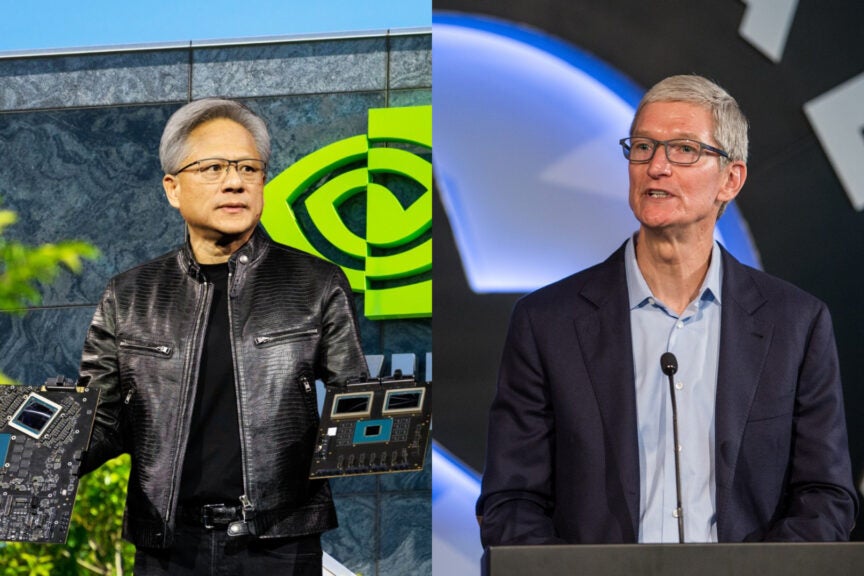
- Importance of Ecosystem: Nvidia's dominance in the AI market is not solely due to its GPUs; its software platform CUDA has created a robust developer ecosystem that discourages switching to competitors, resulting in high switching costs for customers.
- Significant Revenue Growth: In the latest quarter, Nvidia's revenue nearly doubled from $44 billion to $82 billion, with gross margins expanding from 61% to 75%, showcasing its strong market performance and profitability.
- Competitive Risks Exist: Despite Nvidia's current advantages in the AI sector, major tech companies are investing billions into alternative AI chips and software platforms, which could narrow Nvidia's market lead if developers begin to embrace these competing ecosystems.
- Shift in Investor Perspective: Investors often view Nvidia as a semiconductor company, but its success hinges on the ecosystem built around its chips, resembling the successful strategies of Apple, Microsoft, and Amazon, which may be the key to its sustained leadership in the future.
See More

SpaceX IPO Sparks Investment Frenzy

- Record-Breaking IPO: SpaceX raised approximately $85 billion in its IPO on June 12, achieving a valuation close to $1.8 trillion, marking it as one of the largest IPOs in U.S. history and highlighting strong market interest in the space economy.
- Strong First-Day Trading: The stock opened at $150 and closed at $161 on its first trading day, representing a 19% gain, with subsequent highs reaching $229.40, briefly surpassing Microsoft's market cap, indicating investor optimism about future growth prospects.
- Significant Growth Potential: SpaceX's revenue is expected to more than double due to recent compute deals with Anthropic and Alphabet, while Starlink's revenue grew by 50% year-over-year in 2025, boasting a 63% adjusted EBITDA margin, showcasing its competitive strength in the market.
- Valuation Controversy: Despite the bullish outlook, SpaceX's valuation, trading at over 100 times its trailing revenue, raises concerns, with Morningstar estimating its fair value at only $780 billion, prompting investors to carefully assess potential risks.
See More
Cerebras vs. SpaceX: Which AI IPO Stock to Buy and Hold?

- Cerebras' Market Potential: Cerebras achieved $510 million in revenue in 2025, growing 75.7%, with cloud services revenue rising 93.6% to $151.6 million, indicating a successful shift towards a recurring revenue model that may attract more investor interest in the future.
- Strategic Partnership with OpenAI: Cerebras has secured a deal with OpenAI to provide 750 megawatts of compute capacity valued at over $10 billion by 2028, which not only offers significant revenue potential but also positions the company more prominently in the AI market.
- SpaceX's Revenue Growth: SpaceX generated $18.7 billion in revenue in 2025, with its Starlink connectivity service contributing $11.4 billion, demonstrating strong performance in the satellite internet market and providing funding for future expansion and AI infrastructure investments.
- AI Infrastructure Outlook: SpaceX's cloud services agreement with Alphabet, paying $920 million monthly, is expected to create a stable revenue stream for its AI compute capacity, further solidifying its competitive position in the AI infrastructure sector.
See More
Tech Companies Face Rising Debt Risks Amid AI Expansion


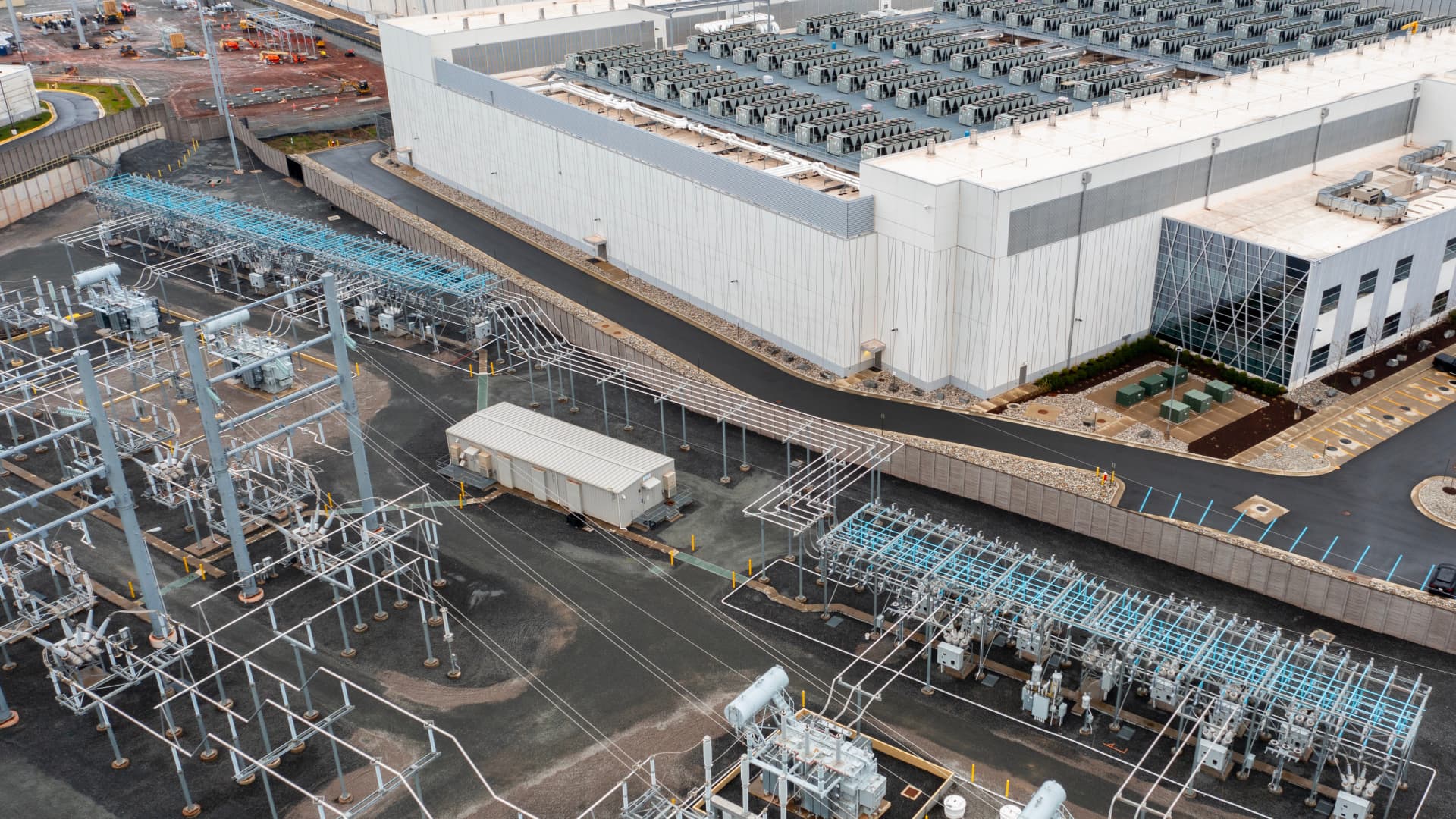
- Increased Debt Financing Demand: With tech giants like Amazon, Google, Microsoft, and Meta projected to invest $750 billion in AI infrastructure by 2026, the demand for debt financing has surged, particularly as rising interest rates increase borrowing costs, impacting the present value of future cash flows.
- Cash Flow Strain: An anticipated capital expenditure of up to $920 billion poses a risk of negative free cash flow for many tech companies, with Amazon expected to report negative cash flow, indicating that these firms are facing challenges similar to traditional capital-intensive industries.
- Heightened Rate Impact: Fed Chairman Kevin Warsh's indication of a potential rate hike in 2026 has triggered equity sell-offs and rising rates, with the 10-year Treasury yield nearing 4.45%, placing greater pressure on tech companies that rely on future profits, especially smaller firms.
- Shifting Market Reactions: Investors are beginning to pay attention to interest rates and inflation data, requiring tech investors to adapt to a new market environment, where debt financing has become a critical strategy for expansion in the high-risk AI investment sector, despite facing higher borrowing costs.
See More
Amazon's Cloud Services Accelerate Growth Amid Market Volatility
- Cloud Revenue Growth: Amazon's first-quarter AWS revenue rose 28% year-over-year to $37.6 billion, marking its fastest growth in 15 quarters, indicating strong competitive positioning in the cloud market and expected to further boost overall company performance.
- AI-Driven Profit Enhancement: AWS's AI revenue has reached an annual run rate of $15 billion, with a backlog of $364 billion, demonstrating that investments in artificial intelligence are significantly enhancing profitability and driving overall operating margin to a record 13.1%.
- Capital Expenditure Plans: Amazon plans to invest approximately $200 billion by 2026, with $43.2 billion spent in the first quarter primarily on AWS and AI expansion, which has led to a substantial decline in free cash flow, yet management views this as a necessary investment to seize market opportunities.
- In-House Chip Design Advantage: Amazon's custom chips now run at an annual revenue rate exceeding $20 billion, up nearly 40% from the previous quarter, allowing the company to reduce reliance on external suppliers, which is expected to save tens of billions in capital expenditures while enhancing AWS's margins.
See More
Nvidia's Stock Surge and Dividend Analysis
- Outstanding Stock Performance: As of June 17, Nvidia's shares have surged 1,050% over the past five years, highlighting its strong position in the AI boom and attracting significant investor interest.
- Dividend Increase: In May, Nvidia raised its quarterly dividend from $0.01 to $0.25 per share, yet investors need to own 10,000 shares to generate $10,000 in annual income, indicating limited appeal for income-focused investors.
- High Investment Cost: At the current price of $206.45, investors would need to spend nearly $2.1 million to acquire enough shares for passive income, making it unattractive for those seeking stable cash flow.
- Low Dividend Yield: With a dividend yield of only 0.48%, significantly below the S&P 500 average of 1.04%, Nvidia is better suited for growth investors looking for capital appreciation rather than dividend income.
See More
Nvidia's Ecosystem Advantage is Significant
- Importance of Ecosystem: Nvidia's dominance in the AI market is not solely due to its GPUs; its software platform CUDA has created a robust developer ecosystem that discourages switching to competitors, resulting in high switching costs for customers.
- Significant Revenue Growth: In the latest quarter, Nvidia's revenue nearly doubled from $44 billion to $82 billion, with gross margins expanding from 61% to 75%, showcasing its strong market performance and profitability.
- Competitive Risks Exist: Despite Nvidia's current advantages in the AI sector, major tech companies are investing billions into alternative AI chips and software platforms, which could narrow Nvidia's market lead if developers begin to embrace these competing ecosystems.
- Shift in Investor Perspective: Investors often view Nvidia as a semiconductor company, but its success hinges on the ecosystem built around its chips, resembling the successful strategies of Apple, Microsoft, and Amazon, which may be the key to its sustained leadership in the future.
See More
SpaceX IPO Sparks Investment Frenzy
- Record-Breaking IPO: SpaceX raised approximately $85 billion in its IPO on June 12, achieving a valuation close to $1.8 trillion, marking it as one of the largest IPOs in U.S. history and highlighting strong market interest in the space economy.
- Strong First-Day Trading: The stock opened at $150 and closed at $161 on its first trading day, representing a 19% gain, with subsequent highs reaching $229.40, briefly surpassing Microsoft's market cap, indicating investor optimism about future growth prospects.
- Significant Growth Potential: SpaceX's revenue is expected to more than double due to recent compute deals with Anthropic and Alphabet, while Starlink's revenue grew by 50% year-over-year in 2025, boasting a 63% adjusted EBITDA margin, showcasing its competitive strength in the market.
- Valuation Controversy: Despite the bullish outlook, SpaceX's valuation, trading at over 100 times its trailing revenue, raises concerns, with Morningstar estimating its fair value at only $780 billion, prompting investors to carefully assess potential risks.
See More
Cerebras vs. SpaceX: Which AI IPO Stock to Buy and Hold?
- Cerebras' Market Potential: Cerebras achieved $510 million in revenue in 2025, growing 75.7%, with cloud services revenue rising 93.6% to $151.6 million, indicating a successful shift towards a recurring revenue model that may attract more investor interest in the future.
- Strategic Partnership with OpenAI: Cerebras has secured a deal with OpenAI to provide 750 megawatts of compute capacity valued at over $10 billion by 2028, which not only offers significant revenue potential but also positions the company more prominently in the AI market.
- SpaceX's Revenue Growth: SpaceX generated $18.7 billion in revenue in 2025, with its Starlink connectivity service contributing $11.4 billion, demonstrating strong performance in the satellite internet market and providing funding for future expansion and AI infrastructure investments.
- AI Infrastructure Outlook: SpaceX's cloud services agreement with Alphabet, paying $920 million monthly, is expected to create a stable revenue stream for its AI compute capacity, further solidifying its competitive position in the AI infrastructure sector.
See More
Tech Companies Face Rising Debt Risks Amid AI Expansion
- Increased Debt Financing Demand: With tech giants like Amazon, Google, Microsoft, and Meta projected to invest $750 billion in AI infrastructure by 2026, the demand for debt financing has surged, particularly as rising interest rates increase borrowing costs, impacting the present value of future cash flows.
- Cash Flow Strain: An anticipated capital expenditure of up to $920 billion poses a risk of negative free cash flow for many tech companies, with Amazon expected to report negative cash flow, indicating that these firms are facing challenges similar to traditional capital-intensive industries.
- Heightened Rate Impact: Fed Chairman Kevin Warsh's indication of a potential rate hike in 2026 has triggered equity sell-offs and rising rates, with the 10-year Treasury yield nearing 4.45%, placing greater pressure on tech companies that rely on future profits, especially smaller firms.
- Shifting Market Reactions: Investors are beginning to pay attention to interest rates and inflation data, requiring tech investors to adapt to a new market environment, where debt financing has become a critical strategy for expansion in the high-risk AI investment sector, despite facing higher borrowing costs.
See More