Nvidia Is Thriving, While These Dividend ETFs Are Outperforming.
Written by Emily J. Thompson, Senior Investment Analyst
Updated: Feb 02 2026
0mins


Source: Barron's
Market Rally: The market rally is expanding beyond just tech stocks, indicating a broader recovery.
Dividend-Paying Stocks: Companies like Exxon Mobil, Walmart, Ford, and Coca-Cola are outperforming traditional tech favorites.
Trade with 70% Backtested Accuracy
Stop guessing "Should I Buy XOM?" and start using high-conviction signals backed by rigorous historical data.
Sign up today to access powerful investing tools and make smarter, data-driven decisions.
Analyst Views on XOM
Wall Street analysts forecast XOM stock price to fall
19 Analyst Rating
12 Buy
7 Hold
0 Sell
Moderate Buy
Current: 136.280

Low
114.00
Averages
132.17
High
158.00
Current: 136.280
Low
114.00
Averages
132.17
High
158.00
About XOM
Exxon Mobil Corporation is an energy provider and chemical manufacturer. The Company’s principal business involves exploration for, and production of, crude oil and natural gas; the manufacture, trade, transport and sale of crude oil, natural gas, petroleum products, petrochemicals and a wide variety of specialty products; and pursuit of lower-emission and other new business opportunities, including carbon capture and storage, hydrogen, lower-emission fuels, Proxxima systems, carbon materials, and lithium. Its Upstream segment explores for and produces crude oil and natural gas. The Energy Products, Chemical Products, and Specialty Products segments manufacture and sell petroleum products and petrochemicals. Energy Products segment includes fuels, aromatics, and catalysts and licensing. Chemical Products segment consists of olefins, polyolefins, and intermediates. Specialty Products segment includes finished lubricants, basestocks and waxes, synthetics, and elastomers and resins.
About the author

Emily J. Thompson
Emily J. Thompson, a Chartered Financial Analyst (CFA) with 12 years in investment research, graduated with honors from the Wharton School. Specializing in industrial and technology stocks, she provides in-depth analysis for Intellectia’s earnings and market brief reports.

ExxonMobil Shows Strong Growth Potential Even with Flat Oil Prices
- Strong Cash Flow: ExxonMobil generated $52 billion in operating cash flow and $26.1 billion in free cash flow in 2025, indicating robust financial health that allows continued investment in low-cost Guyana oil fields and the Permian Basin without sacrificing shareholder returns.
- Significant Acquisition Benefits: Following the $60 billion acquisition of Pioneer Natural Resources last year, Exxon expects to add over $3 billion in annual earnings and cost savings, exceeding original forecasts by 50%, positioning it for production capacity to potentially double to 2.3 million barrels of oil equivalent per day by 2030 in the Permian Basin.
- Sustained Shareholder Returns: Exxon plans to repurchase $20 billion in stock during 2026 and has increased its dividend for 43 consecutive years, demonstrating its ability to consistently reward shareholders through multiple commodity cycles, thereby enhancing investor confidence.
- Low-Cost Production Advantage: With production costs among the lowest in the industry in Guyana, ExxonMobil can remain profitable even in weaker commodity markets, expecting production capacity to reach 1.7 million barrels per day by 2030, further solidifying its market position.
See More

ExxonMobil Transforms into a High-Efficiency, Low-Cost Business
- Guyana Production Potential: ExxonMobil's Stabroek Block in Guyana is expected to reach a production capacity of 1.7 million barrels per day by 2030, becoming one of the company's most valuable assets, with low-cost production enabling profitability even in low oil price environments, thereby enhancing market competitiveness.
- Pioneer Acquisition Benefits: The approximately $60 billion acquisition of Pioneer Natural Resources is projected to deliver over $3 billion in additional annual earnings and cost savings, exceeding original forecasts by 50%, with production capacity in the Permian Basin expected to double to 2.3 million barrels of oil equivalent per day.
- Growing Shareholder Returns: The company plans to repurchase $20 billion in stock during 2026 while increasing dividends for 43 consecutive years, demonstrating its ability to consistently reward shareholders through multiple commodity cycles, which boosts investor confidence.
- Financial Strength Provides Flexibility: ExxonMobil generated $52 billion in operating cash flow and $26.1 billion in free cash flow in 2025 while maintaining a low debt ratio, allowing continued investment in Guyana, the Permian Basin, and LNG without sacrificing shareholder returns.
See More

Comparative Investment Value of Chevron and Exxon Mobil

- Revenue and Profit Performance: Chevron reported nearly $184.4 billion in revenue for FY 2025, a decline of approximately 4.6%, with a net income of $12.3 billion and a net margin of about 6.7%, indicating a resilient profitability amidst global energy market fluctuations.
- Financial Health: As of December 2025, Chevron's debt-to-equity ratio stood at approximately 0.3, reflecting a low financial leverage, while its current ratio was nearly 1.2, demonstrating solid short-term liquidity and debt repayment capacity.
- Market Competition and Tech Investment: Exxon Mobil achieved nearly $323.9 billion in revenue for FY 2025, with a net income of $28.8 billion and a net margin of approximately 8.9%, bolstered by investments in carbon capture and storage technologies that maintain its leadership in traditional markets.
- Shareholder Returns and Growth Potential: Exxon Mobil returned over $9 billion to shareholders through dividends and buybacks in the last quarter, showcasing its strong cash flow and commitment to shareholders, while record production levels in Guyana further enhance its growth outlook.
See More
Investment Comparison: Chevron vs. Exxon Mobil
- Financial Performance Comparison: In FY 2025, Chevron reported nearly $184.4 billion in revenue, a decline of about 4.6%, with a net income of $12.3 billion and a net margin of approximately 6.7%, indicating resilience amid global energy market fluctuations.
- Cash Flow Status: Chevron's free cash flow stood at $16.6 billion, demonstrating solid cash generation after capital expenditures, while Exxon Mobil's free cash flow reached $26.1 billion, reflecting stronger financial flexibility and investment capacity.
- Debt and Liquidity: As of December 2025, Chevron's debt-to-equity ratio was 0.3 with a current ratio of nearly 1.2, indicating a robust financial structure; in contrast, Exxon Mobil's debt-to-equity ratio was 0.2, also with a current ratio of 1.2, showcasing a lower debt burden and good short-term solvency.
- Market Outlook and Risks: Chevron faces significant risks from fluctuations in global crude oil and natural gas prices, while Exxon Mobil invests in emerging technologies like carbon capture and hydrogen, which, despite market development uncertainties, provide a stronger risk mitigation strategy through its diversified market presence.
See More

Analysis of Oil Price Volatility Post Middle East Conflict
- Oil Price Impact: The geopolitical conflict in the Middle East caused a sharp rise in oil prices, which subsequently fell back to pre-conflict levels, highlighting the high volatility of the oil market, necessitating cautious investor strategies to protect assets.
- Sustained Energy Demand: Despite the global shift towards cleaner energy, oil and gas remain crucial for the economy, with future demand expected to remain high, particularly as digitalization and economic development accelerate.
- Financial Stability: ExxonMobil and Chevron have debt-to-equity ratios of 0.19 and 0.25, respectively, indicating strong financial health that allows them to leverage debt to support operations during market downturns, enhancing investor confidence.
- Dividend Growth Potential: Despite oil price fluctuations, both ExxonMobil and Chevron have increased dividends for decades, with Chevron offering a 4.1% yield and ExxonMobil at 3%, appealing to income-focused investors.
See More
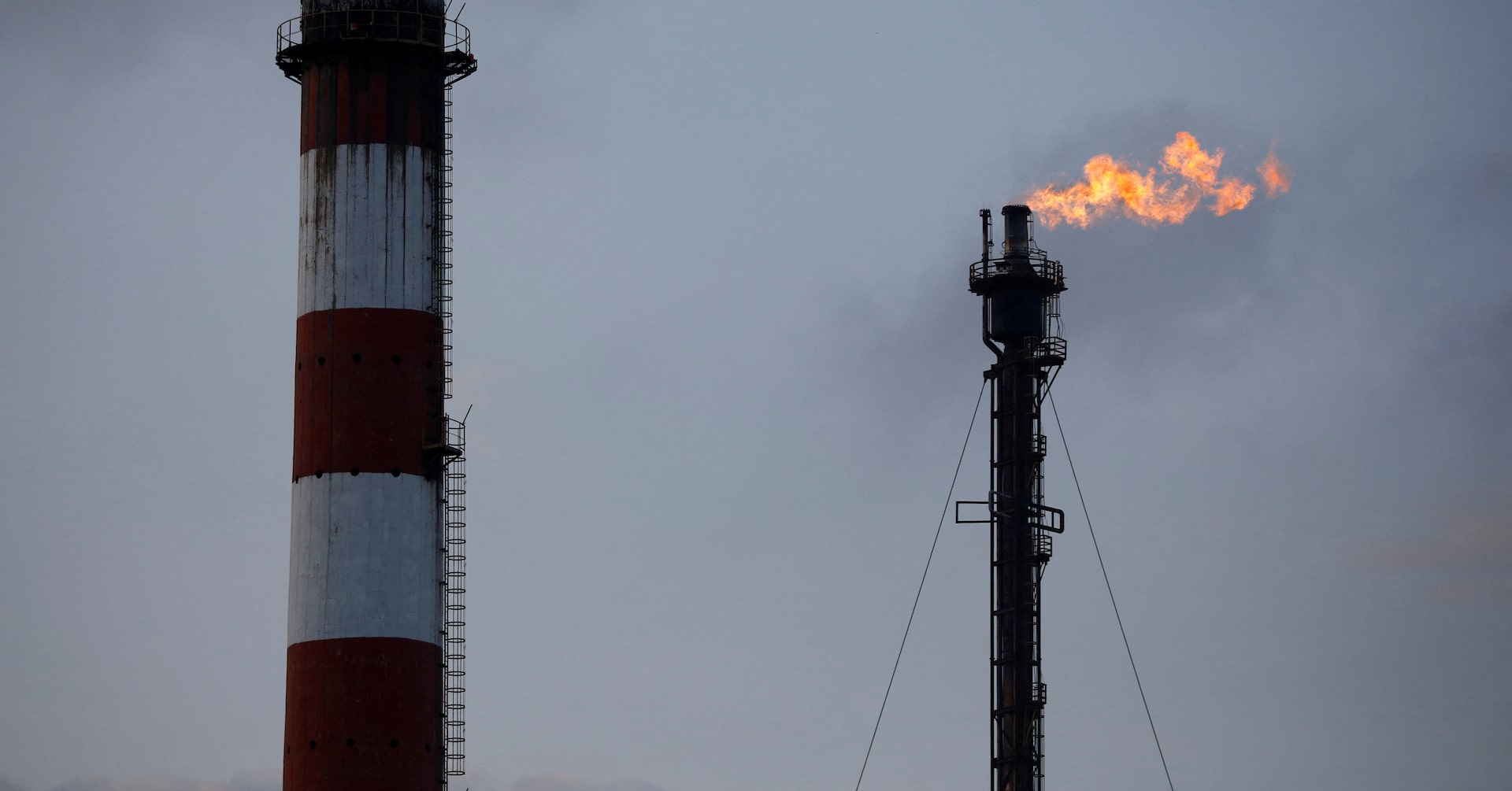
Oil Prices Fall Post-Middle East Conflict, Energy Stocks Remain Attractive
- Oil Price Volatility: The geopolitical conflict in the Middle East caused a sharp rise in oil prices, but as tensions eased, prices have returned to pre-conflict levels, indicating concerns about industry fundamentals and potential for future increases.
- Sustained Energy Demand: Despite a global shift towards cleaner energy, the conflict has reaffirmed the critical role of oil and natural gas in the world economy, with expectations for demand to remain steady or slightly higher in the future.
- Diversification Advantages: ExxonMobil and Chevron, as two of the world's largest energy companies, benefit from integrated operations across production, transportation, and processing, allowing them to maintain stability amid price fluctuations, supported by low debt ratios.
- Dividend Appeal: Both companies have increased dividends for decades despite oil volatility, with Chevron offering a 4.1% yield, making them attractive to income-focused investors and demonstrating resilience in uncertain markets.
See More
ExxonMobil Shows Strong Growth Potential Even with Flat Oil Prices
- Strong Cash Flow: ExxonMobil generated $52 billion in operating cash flow and $26.1 billion in free cash flow in 2025, indicating robust financial health that allows continued investment in low-cost Guyana oil fields and the Permian Basin without sacrificing shareholder returns.
- Significant Acquisition Benefits: Following the $60 billion acquisition of Pioneer Natural Resources last year, Exxon expects to add over $3 billion in annual earnings and cost savings, exceeding original forecasts by 50%, positioning it for production capacity to potentially double to 2.3 million barrels of oil equivalent per day by 2030 in the Permian Basin.
- Sustained Shareholder Returns: Exxon plans to repurchase $20 billion in stock during 2026 and has increased its dividend for 43 consecutive years, demonstrating its ability to consistently reward shareholders through multiple commodity cycles, thereby enhancing investor confidence.
- Low-Cost Production Advantage: With production costs among the lowest in the industry in Guyana, ExxonMobil can remain profitable even in weaker commodity markets, expecting production capacity to reach 1.7 million barrels per day by 2030, further solidifying its market position.
See More
ExxonMobil Transforms into a High-Efficiency, Low-Cost Business
- Guyana Production Potential: ExxonMobil's Stabroek Block in Guyana is expected to reach a production capacity of 1.7 million barrels per day by 2030, becoming one of the company's most valuable assets, with low-cost production enabling profitability even in low oil price environments, thereby enhancing market competitiveness.
- Pioneer Acquisition Benefits: The approximately $60 billion acquisition of Pioneer Natural Resources is projected to deliver over $3 billion in additional annual earnings and cost savings, exceeding original forecasts by 50%, with production capacity in the Permian Basin expected to double to 2.3 million barrels of oil equivalent per day.
- Growing Shareholder Returns: The company plans to repurchase $20 billion in stock during 2026 while increasing dividends for 43 consecutive years, demonstrating its ability to consistently reward shareholders through multiple commodity cycles, which boosts investor confidence.
- Financial Strength Provides Flexibility: ExxonMobil generated $52 billion in operating cash flow and $26.1 billion in free cash flow in 2025 while maintaining a low debt ratio, allowing continued investment in Guyana, the Permian Basin, and LNG without sacrificing shareholder returns.
See More
Comparative Investment Value of Chevron and Exxon Mobil
- Revenue and Profit Performance: Chevron reported nearly $184.4 billion in revenue for FY 2025, a decline of approximately 4.6%, with a net income of $12.3 billion and a net margin of about 6.7%, indicating a resilient profitability amidst global energy market fluctuations.
- Financial Health: As of December 2025, Chevron's debt-to-equity ratio stood at approximately 0.3, reflecting a low financial leverage, while its current ratio was nearly 1.2, demonstrating solid short-term liquidity and debt repayment capacity.
- Market Competition and Tech Investment: Exxon Mobil achieved nearly $323.9 billion in revenue for FY 2025, with a net income of $28.8 billion and a net margin of approximately 8.9%, bolstered by investments in carbon capture and storage technologies that maintain its leadership in traditional markets.
- Shareholder Returns and Growth Potential: Exxon Mobil returned over $9 billion to shareholders through dividends and buybacks in the last quarter, showcasing its strong cash flow and commitment to shareholders, while record production levels in Guyana further enhance its growth outlook.
See More
Investment Comparison: Chevron vs. Exxon Mobil
- Financial Performance Comparison: In FY 2025, Chevron reported nearly $184.4 billion in revenue, a decline of about 4.6%, with a net income of $12.3 billion and a net margin of approximately 6.7%, indicating resilience amid global energy market fluctuations.
- Cash Flow Status: Chevron's free cash flow stood at $16.6 billion, demonstrating solid cash generation after capital expenditures, while Exxon Mobil's free cash flow reached $26.1 billion, reflecting stronger financial flexibility and investment capacity.
- Debt and Liquidity: As of December 2025, Chevron's debt-to-equity ratio was 0.3 with a current ratio of nearly 1.2, indicating a robust financial structure; in contrast, Exxon Mobil's debt-to-equity ratio was 0.2, also with a current ratio of 1.2, showcasing a lower debt burden and good short-term solvency.
- Market Outlook and Risks: Chevron faces significant risks from fluctuations in global crude oil and natural gas prices, while Exxon Mobil invests in emerging technologies like carbon capture and hydrogen, which, despite market development uncertainties, provide a stronger risk mitigation strategy through its diversified market presence.
See More
Analysis of Oil Price Volatility Post Middle East Conflict
- Oil Price Impact: The geopolitical conflict in the Middle East caused a sharp rise in oil prices, which subsequently fell back to pre-conflict levels, highlighting the high volatility of the oil market, necessitating cautious investor strategies to protect assets.
- Sustained Energy Demand: Despite the global shift towards cleaner energy, oil and gas remain crucial for the economy, with future demand expected to remain high, particularly as digitalization and economic development accelerate.
- Financial Stability: ExxonMobil and Chevron have debt-to-equity ratios of 0.19 and 0.25, respectively, indicating strong financial health that allows them to leverage debt to support operations during market downturns, enhancing investor confidence.
- Dividend Growth Potential: Despite oil price fluctuations, both ExxonMobil and Chevron have increased dividends for decades, with Chevron offering a 4.1% yield and ExxonMobil at 3%, appealing to income-focused investors.
See More
Oil Prices Fall Post-Middle East Conflict, Energy Stocks Remain Attractive
- Oil Price Volatility: The geopolitical conflict in the Middle East caused a sharp rise in oil prices, but as tensions eased, prices have returned to pre-conflict levels, indicating concerns about industry fundamentals and potential for future increases.
- Sustained Energy Demand: Despite a global shift towards cleaner energy, the conflict has reaffirmed the critical role of oil and natural gas in the world economy, with expectations for demand to remain steady or slightly higher in the future.
- Diversification Advantages: ExxonMobil and Chevron, as two of the world's largest energy companies, benefit from integrated operations across production, transportation, and processing, allowing them to maintain stability amid price fluctuations, supported by low debt ratios.
- Dividend Appeal: Both companies have increased dividends for decades despite oil volatility, with Chevron offering a 4.1% yield, making them attractive to income-focused investors and demonstrating resilience in uncertain markets.
See More