Nvidia CEO Jensen Huang Not Joining Trump on China Trip
Written by Emily J. Thompson, Senior Investment Analyst
Updated: 3 days ago
0mins

Should l Buy NVDA?
Source: Newsfilter
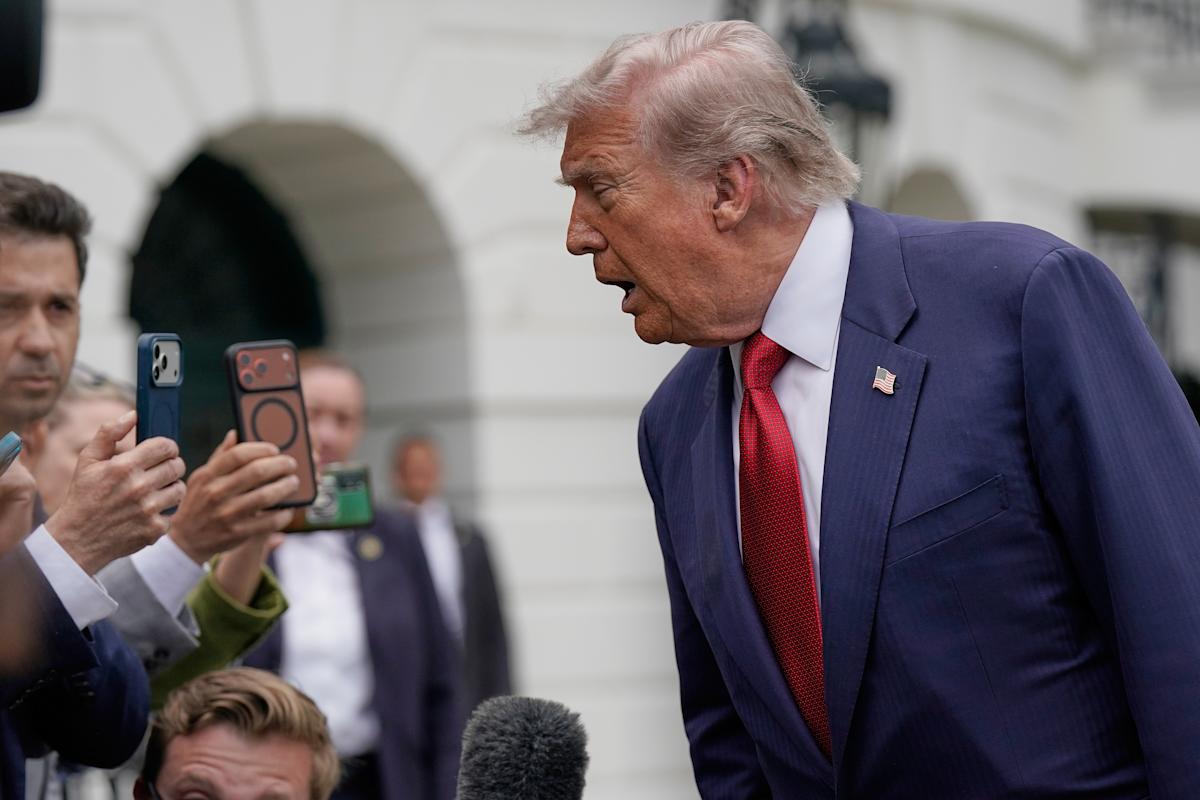
- Not Invited: Nvidia CEO Jensen Huang will not accompany President Trump on his trip to China, as a source indicated he was not invited, highlighting the White House's focus on agriculture and commercial aviation, which may impact Nvidia's business expansion in the Chinese market.
- Business Priorities: The Trump administration's emphasis on promoting U.S. business interests during this trip contrasts with Huang's absence, suggesting potential challenges for Nvidia in collaborating with the government despite Huang's strong relationship with Trump.
- Other CEOs Attending: Unlike Huang, Citigroup CEO Jane Fraser has been invited, and Qualcomm CEO Cristiano Amon is expected to attend, indicating a proactive stance from other tech leaders in fostering business partnerships during the trip.
- Export Challenges: Although Trump agreed to allow Nvidia's H200 AI chips to be exported to China, Commerce Secretary Howard Lutnick noted that these chips have not yet been sold due to difficulties faced by Chinese companies in obtaining government permissions, reflecting the complexities of U.S.-China trade relations.
Trade with 70% Backtested Accuracy
Stop guessing "Should I Buy NVDA?" and start using high-conviction signals backed by rigorous historical data.
Sign up today to access powerful investing tools and make smarter, data-driven decisions.
Analyst Views on NVDA
Wall Street analysts forecast NVDA stock price to rise
41 Analyst Rating
39 Buy
1 Hold
1 Sell
Strong Buy
Current: 225.830

Low
200.00
Averages
264.97
High
352.00
Current: 225.830
Low
200.00
Averages
264.97
High
352.00
About NVDA
NVIDIA Corporation is an artificial intelligence (AI) infrastructure company. The Company is engaged in accelerated computing to help solve the challenging computational problems. Its segments include Compute & Networking and Graphics. The Compute & Networking segment includes its Data Center accelerated computing and networking platforms and AI solutions and software, and automotive platforms and autonomous and electric vehicle solutions, including software. The Graphics segment includes GeForce GPUs for gaming and personal computers (PCs), and Quadro/NVIDIA RTX GPUs for enterprise workstation graphics. Its technology stack includes the foundational NVIDIA CUDA development platform that runs on all NVIDIA GPUs, as well as hundreds of domain-specific software libraries, frameworks, algorithms, software development kits (SDKs), and application programming interfaces (APIs). Its platforms address four markets, which include Data Center, Gaming, Professional Visualization, and Automotive.
About the author

Emily J. Thompson
Emily J. Thompson, a Chartered Financial Analyst (CFA) with 12 years in investment research, graduated with honors from the Wharton School. Specializing in industrial and technology stocks, she provides in-depth analysis for Intellectia’s earnings and market brief reports.
Nvidia Market Cap Surpasses $5.36 Trillion

- Market Recovery: Nvidia (NVDA) saw its market cap dip below $5 trillion earlier this year, but since March, its stock has surged 18%, currently valued at $5.36 trillion, outperforming the S&P 500 and indicating strong market recovery potential.
- AI Technology Leadership: With its deep expertise in GPUs, Nvidia has positioned itself as a key driver of artificial intelligence development, and its latest Vera Rubin architecture is expected to be widely adopted by every cloud model builder, further solidifying its market position.
- Optimistic Earnings Forecast: Nvidia is expected to report a 79% sales increase in its upcoming May 20 earnings report for Q1 2027, with projected earnings per share rising from $0.81 last year to $1.78, showcasing robust profitability and market confidence.
- Investor Confidence Restored: Following strong Q1 earnings reports from major AI developers like Amazon and Alphabet, market confidence in Nvidia's growth prospects has been restored, with CEO Jensen Huang's mention of a $1 trillion sales opportunity further fueling investor optimism.
See More
Trump Invites Xi to White House for Trade Talks
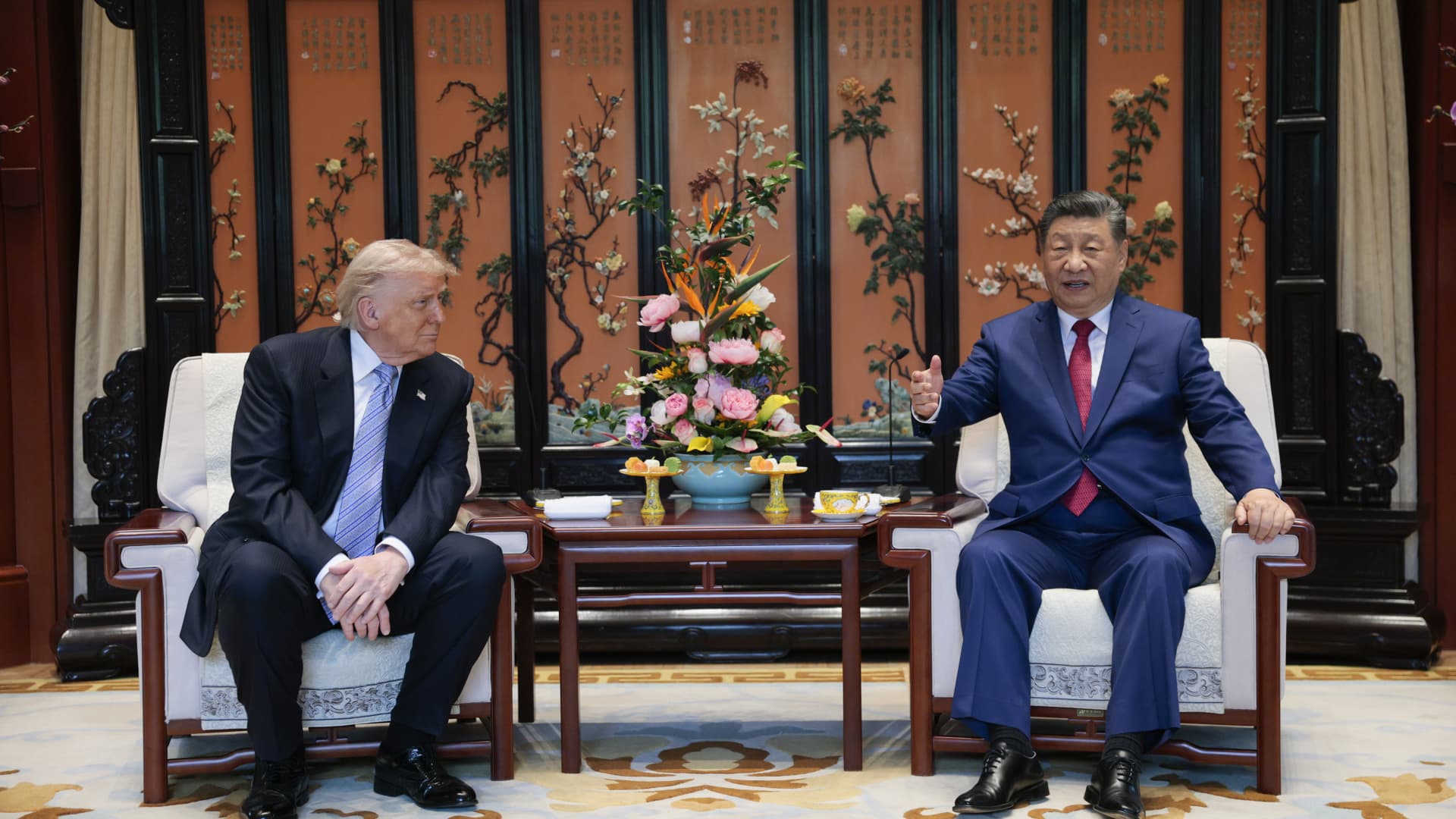
- Meeting Context: On May 15, 2026, U.S. President Trump met with Chinese President Xi Jinping at Zhongnanhai Garden in Beijing, discussing future trade negotiations, highlighting the complexity and significance of U.S.-China relations.
- White House Invitation: Trump announced at a state dinner his invitation for Xi to visit the White House on September 24, indicating that trade talks will extend beyond this week's two-day summit in Beijing, potentially influencing future economic policy directions.
- Strategic Stability Framework: Xi stated that both nations agreed to a framework of 'strategic stability' for the next three years, which could lay the groundwork for long-term development in bilateral relations, although specific agreements remain unconfirmed.
- Future Meeting Arrangements: The two leaders may meet again during the UN General Assembly in September, the APEC meeting in November, and the G20 meeting in December, providing opportunities for further economic cooperation in these significant international forums.
See More
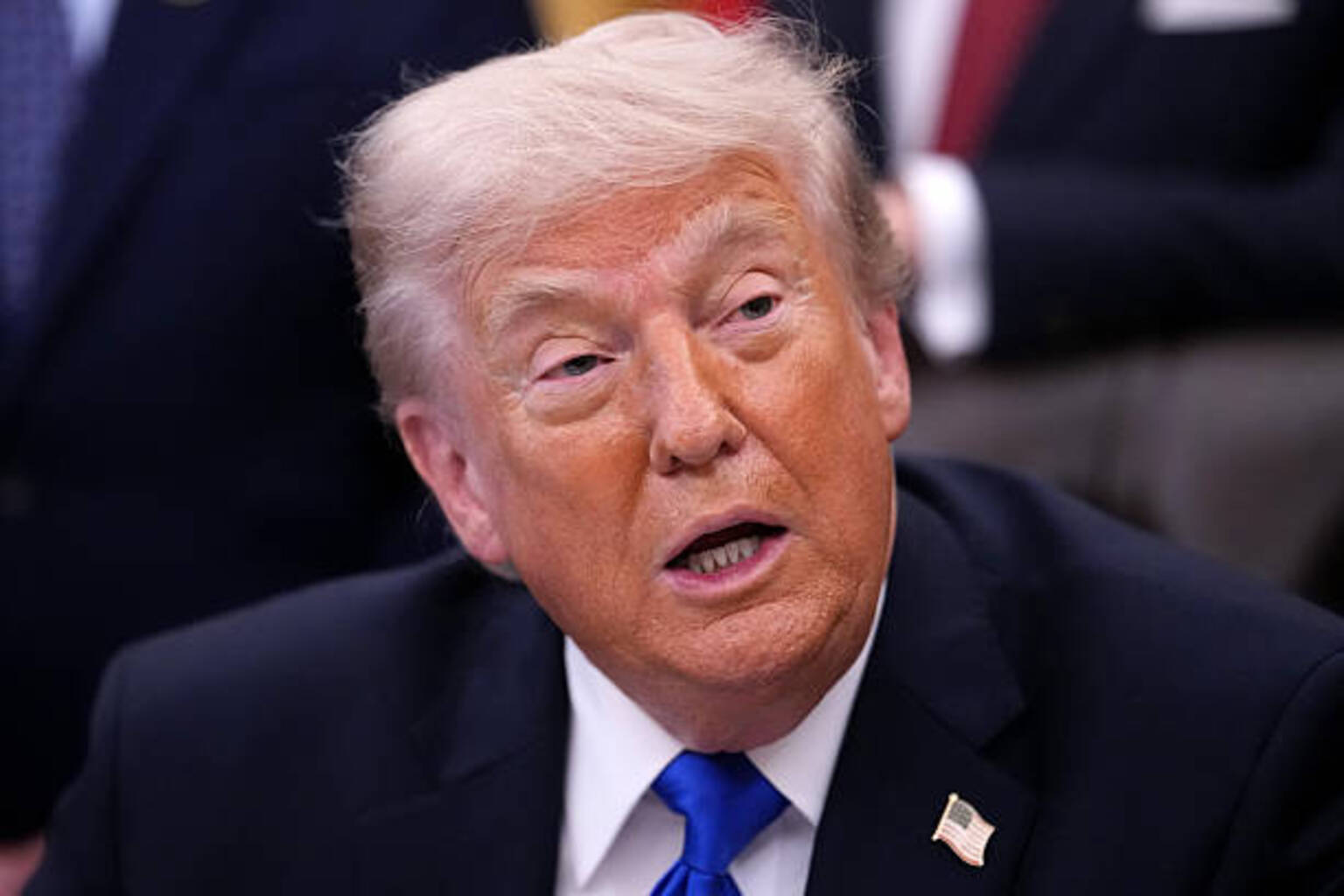
Trump Invests Over $220M in U.S. Stocks and Bonds in Q1

- Large Investment Scale: Trump disclosed investments totaling at least $220 million in Q1 through a filing with the Office of Government Ethics, indicating strong market confidence that could positively impact the stock prices of involved companies.
- Diversified Portfolio: His investments included up to $5 million each in companies like Nvidia, Boeing, Oracle, Microsoft, and Costco, reflecting a broad strategy in both tech and consumer sectors, potentially enhancing portfolio resilience against market volatility.
- Frequent Trading Activity: Trump executed 19 transactions involving Netflix, with amounts ranging from $1,000 to $5 million, demonstrating ongoing interest in the streaming industry, which may influence market dynamics within that sector.
- Independent Management: The White House stated that Trump and his family were not making investment decisions, as independent financial managers executed trades using programs that replicate recognized indexes, which may increase investor trust in his investment strategy.
See More
AI Infrastructure Build-Out Drives Market Growth


- AI Market Transformation: The build-out of AI infrastructure remains a key growth driver for the stock market, with the shift towards inference and AI agents leading to the emergence of new market leaders, particularly as Nvidia's success in the training phase sets a strong foundation.
- Broadcom's Custom Chip Advantage: As a leader in ASICs, Broadcom has become a preferred partner for hyperscale data centers, with projections indicating over $100 billion in AI ASIC revenue by fiscal 2027, highlighting its strategic importance in the rapidly growing data center networking market.
- AMD's Inference and Agentic AI Opportunities: AMD is poised to capture a significant share of the inference market with its enhanced ROCm software platform and modular chip design, which is expected to offer 1.5 times the memory capacity of Nvidia's upcoming Rubin chips, thereby strengthening its competitive position.
- Future Market Potential: AMD's $100 billion GPU deals with OpenAI and Meta Platforms underscore its leadership in the AI agent market, with expectations that the CPU-to-GPU ratio will shift from 8:1 to 1:1 in the coming years, representing a market potential of $120 billion.
See More
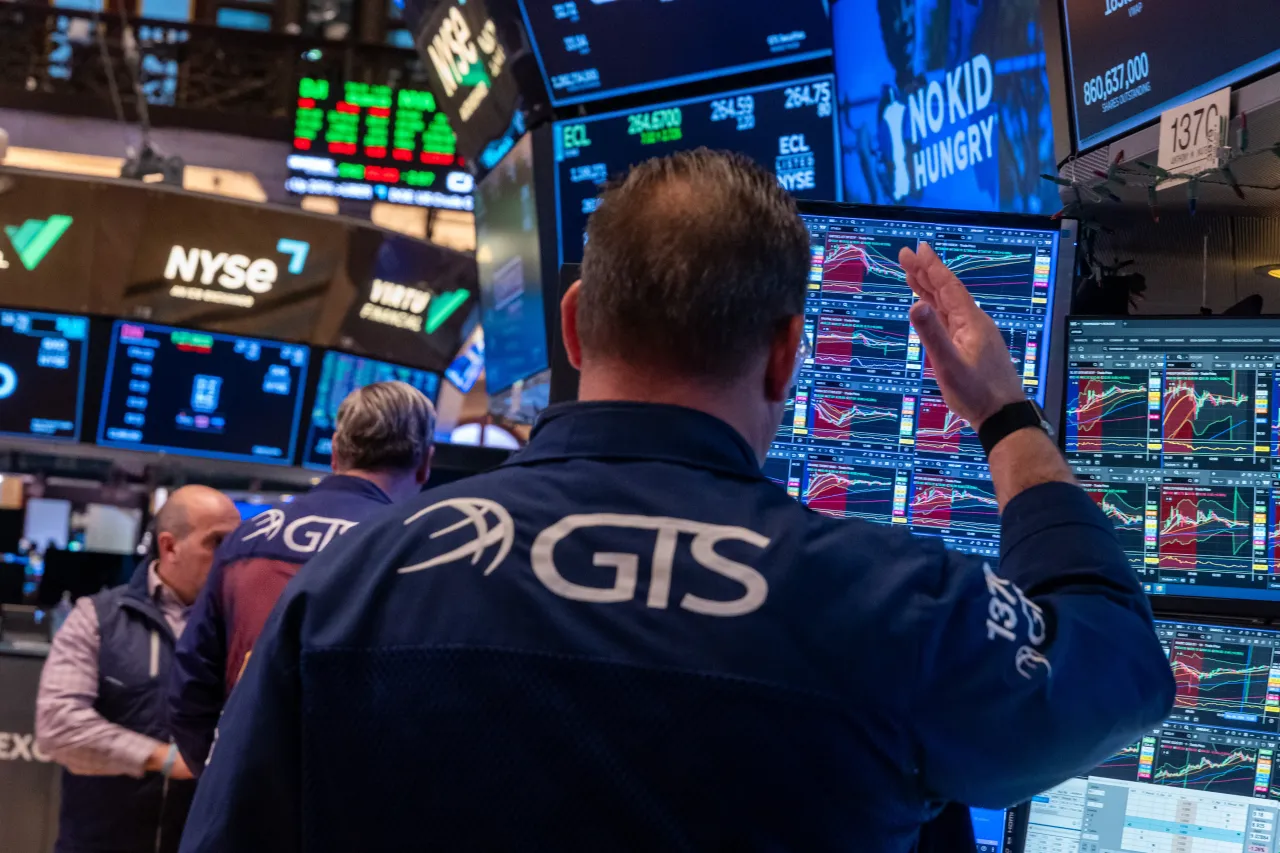
Dow Jones Industrial Average Rebounds

- Dow Rebound: The Dow Jones Industrial Average regained the 50,000 level on Thursday, closing at 50,063.46 after a gain of over 370 points, driven significantly by strong performances from AI-related technology stocks.
- AI Stock Performance: Since February 6, five AI stocks including Cisco, Nvidia, Amazon, Caterpillar, and Apple have been key drivers of the index, with Cisco surging over 13% on Thursday alone, reaching a record high of $119.36.
- Amazon Investment: Amazon allocated $200 billion in capital expenditures for 2026 to enhance its AI offerings, contributing to a 27% increase in its stock price since February, indicating the company's strong commitment to the AI sector.
- UnitedHealth Group: UnitedHealth Group has gained over 45% since February, and following BofA analyst's price target increase to $420, the stock shows further upside potential, reflecting optimistic market sentiment regarding its future performance.
See More
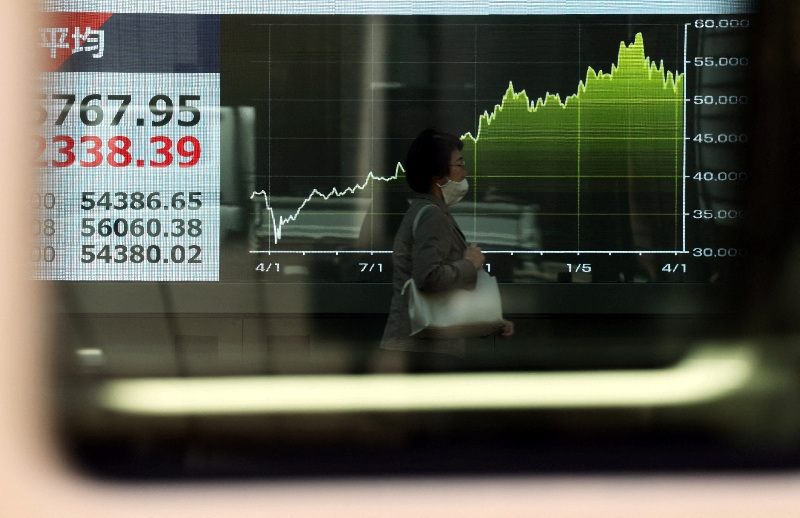
Asian Shares Plunge Amid Inflation Fears
- Market Decline: Asian shares fell broadly on Friday as investor enthusiasm for tech stocks waned, with MSCI's Asia-Pacific index dropping 2.3% and set for a weekly loss of 1.8%, indicating growing concerns over future economic growth.
- Inflation Pressures: Japan's wholesale inflation accelerated to 4.9% in April, the fastest pace in three years, leading to expectations that the Bank of Japan may raise interest rates, which could impact global investor risk appetite.
- Rising Treasury Yields: The 30-year Treasury yield reached 5.067%, the highest since July 2025, reflecting investor concerns over rising inflation, which may lead to capital outflows from the Treasury market.
- Strong Dollar Recovery: The dollar is set for a 1.3% weekly gain, the largest increase in two months, driven by strong retail sales data and geopolitical tensions, further intensifying market expectations for a Federal Reserve rate hike.
See More
Nvidia Market Cap Surpasses $5.36 Trillion
- Market Recovery: Nvidia (NVDA) saw its market cap dip below $5 trillion earlier this year, but since March, its stock has surged 18%, currently valued at $5.36 trillion, outperforming the S&P 500 and indicating strong market recovery potential.
- AI Technology Leadership: With its deep expertise in GPUs, Nvidia has positioned itself as a key driver of artificial intelligence development, and its latest Vera Rubin architecture is expected to be widely adopted by every cloud model builder, further solidifying its market position.
- Optimistic Earnings Forecast: Nvidia is expected to report a 79% sales increase in its upcoming May 20 earnings report for Q1 2027, with projected earnings per share rising from $0.81 last year to $1.78, showcasing robust profitability and market confidence.
- Investor Confidence Restored: Following strong Q1 earnings reports from major AI developers like Amazon and Alphabet, market confidence in Nvidia's growth prospects has been restored, with CEO Jensen Huang's mention of a $1 trillion sales opportunity further fueling investor optimism.
See More
Trump Invites Xi to White House for Trade Talks
- Meeting Context: On May 15, 2026, U.S. President Trump met with Chinese President Xi Jinping at Zhongnanhai Garden in Beijing, discussing future trade negotiations, highlighting the complexity and significance of U.S.-China relations.
- White House Invitation: Trump announced at a state dinner his invitation for Xi to visit the White House on September 24, indicating that trade talks will extend beyond this week's two-day summit in Beijing, potentially influencing future economic policy directions.
- Strategic Stability Framework: Xi stated that both nations agreed to a framework of 'strategic stability' for the next three years, which could lay the groundwork for long-term development in bilateral relations, although specific agreements remain unconfirmed.
- Future Meeting Arrangements: The two leaders may meet again during the UN General Assembly in September, the APEC meeting in November, and the G20 meeting in December, providing opportunities for further economic cooperation in these significant international forums.
See More
Trump Invests Over $220M in U.S. Stocks and Bonds in Q1
- Large Investment Scale: Trump disclosed investments totaling at least $220 million in Q1 through a filing with the Office of Government Ethics, indicating strong market confidence that could positively impact the stock prices of involved companies.
- Diversified Portfolio: His investments included up to $5 million each in companies like Nvidia, Boeing, Oracle, Microsoft, and Costco, reflecting a broad strategy in both tech and consumer sectors, potentially enhancing portfolio resilience against market volatility.
- Frequent Trading Activity: Trump executed 19 transactions involving Netflix, with amounts ranging from $1,000 to $5 million, demonstrating ongoing interest in the streaming industry, which may influence market dynamics within that sector.
- Independent Management: The White House stated that Trump and his family were not making investment decisions, as independent financial managers executed trades using programs that replicate recognized indexes, which may increase investor trust in his investment strategy.
See More
AI Infrastructure Build-Out Drives Market Growth
- AI Market Transformation: The build-out of AI infrastructure remains a key growth driver for the stock market, with the shift towards inference and AI agents leading to the emergence of new market leaders, particularly as Nvidia's success in the training phase sets a strong foundation.
- Broadcom's Custom Chip Advantage: As a leader in ASICs, Broadcom has become a preferred partner for hyperscale data centers, with projections indicating over $100 billion in AI ASIC revenue by fiscal 2027, highlighting its strategic importance in the rapidly growing data center networking market.
- AMD's Inference and Agentic AI Opportunities: AMD is poised to capture a significant share of the inference market with its enhanced ROCm software platform and modular chip design, which is expected to offer 1.5 times the memory capacity of Nvidia's upcoming Rubin chips, thereby strengthening its competitive position.
- Future Market Potential: AMD's $100 billion GPU deals with OpenAI and Meta Platforms underscore its leadership in the AI agent market, with expectations that the CPU-to-GPU ratio will shift from 8:1 to 1:1 in the coming years, representing a market potential of $120 billion.
See More
Dow Jones Industrial Average Rebounds
- Dow Rebound: The Dow Jones Industrial Average regained the 50,000 level on Thursday, closing at 50,063.46 after a gain of over 370 points, driven significantly by strong performances from AI-related technology stocks.
- AI Stock Performance: Since February 6, five AI stocks including Cisco, Nvidia, Amazon, Caterpillar, and Apple have been key drivers of the index, with Cisco surging over 13% on Thursday alone, reaching a record high of $119.36.
- Amazon Investment: Amazon allocated $200 billion in capital expenditures for 2026 to enhance its AI offerings, contributing to a 27% increase in its stock price since February, indicating the company's strong commitment to the AI sector.
- UnitedHealth Group: UnitedHealth Group has gained over 45% since February, and following BofA analyst's price target increase to $420, the stock shows further upside potential, reflecting optimistic market sentiment regarding its future performance.
See More
Asian Shares Plunge Amid Inflation Fears
- Market Decline: Asian shares fell broadly on Friday as investor enthusiasm for tech stocks waned, with MSCI's Asia-Pacific index dropping 2.3% and set for a weekly loss of 1.8%, indicating growing concerns over future economic growth.
- Inflation Pressures: Japan's wholesale inflation accelerated to 4.9% in April, the fastest pace in three years, leading to expectations that the Bank of Japan may raise interest rates, which could impact global investor risk appetite.
- Rising Treasury Yields: The 30-year Treasury yield reached 5.067%, the highest since July 2025, reflecting investor concerns over rising inflation, which may lead to capital outflows from the Treasury market.
- Strong Dollar Recovery: The dollar is set for a 1.3% weekly gain, the largest increase in two months, driven by strong retail sales data and geopolitical tensions, further intensifying market expectations for a Federal Reserve rate hike.
See More